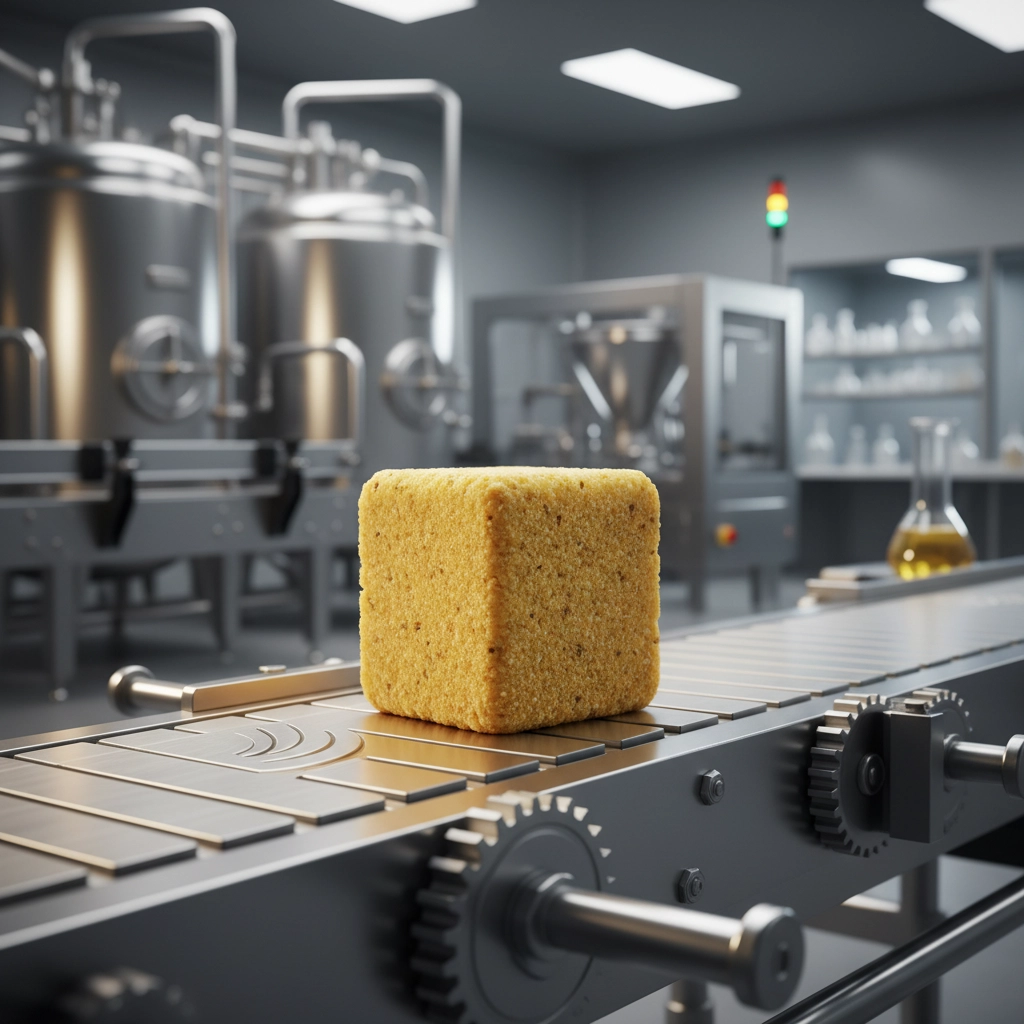
In the fast-paced world of modern culinary arts and industrial food production, the chicken stock bouillon cube stands as a pinnacle of convenience and flavor consistency. These concentrated bursts of savory essence allow chefs and home cooks alike to achieve a deep, rich taste profile without the labor-intensive process of simmering bones for hours. As global food supply chains evolve, the demand for standardized, high-quality seasoning bases has surged, making these cubes indispensable in commercial kitchens worldwide.
Beyond simple convenience, the chicken stock bouillon cube plays a critical role in food security and accessibility. By condensing essential nutrients and flavors into a shelf-stable format, it provides a reliable way to enhance the nutritional value and palatability of basic grains and vegetables in various socioeconomic contexts. This intersection of food chemistry and logistics ensures that consistent flavor is accessible regardless of geographical constraints or kitchen infrastructure.
Understanding the technical composition and industrial application of the chicken stock bouillon cube is essential for procurement managers and food technologists. From the precise balance of salt and glutamates to the advanced dehydration techniques used in manufacturing, these small cubes represent a sophisticated blend of food science and market demand. Exploring their impact reveals how a simple additive can drive efficiency in the global food service industry.
The Industrial Composition of Chicken Stock Bouillon Cubes
The chemical architecture of a chicken stock bouillon cube is a carefully calibrated mixture of salt, flavor enhancers, fats, and dehydrated chicken extracts. Salt acts not only as a flavor component but as a primary preservative, reducing water activity to prevent microbial growth. The inclusion of Monosodium Glutamate (MSG) or yeast extracts provides the "umami" depth that mimics the long-simmered taste of traditional bone broths.
To achieve the characteristic solid form, binders and anti-caking agents are integrated into the formulation. These ingredients ensure that the cube remains stable during shipping and storage, preventing the powder from clumping in humid environments. This precise formulation allows for a consistent dosing experience, where one cube provides a predictable concentration of solutes per liter of water.
Global Market Relevance and Demand Drivers
The global demand for the chicken stock bouillon cube is driven by the rapid urbanization of populations and the subsequent rise in "convenience cooking." According to food industry trends, the shift toward ready-to-use seasonings is a response to the shrinking amount of time available for traditional food preparation. In emerging markets, these cubes have become essential staples, offering a standardized way to introduce rich flavors to budget-friendly meals.
From a macroeconomic perspective, the stability of bouillon products makes them ideal for international trade. Unlike fresh stocks, which require cold-chain logistics, the dehydrated nature of the chicken stock bouillon cube allows for low-cost shipping and extended shelf lives. This has enabled manufacturers in Asia and Europe to export flavor profiles across continents, democratizing gourmet tastes.
Furthermore, the rise of the food service industry (HORECA) has amplified the need for consistency. A restaurant chain operating across fifty locations cannot rely on the variability of homemade stock; they require the precision of a chicken stock bouillon cube to ensure that a soup in New York tastes exactly the same as one in Tokyo. This requirement for scalability is a primary driver of industrial growth.
Technical Manufacturing Processes and Quality Control
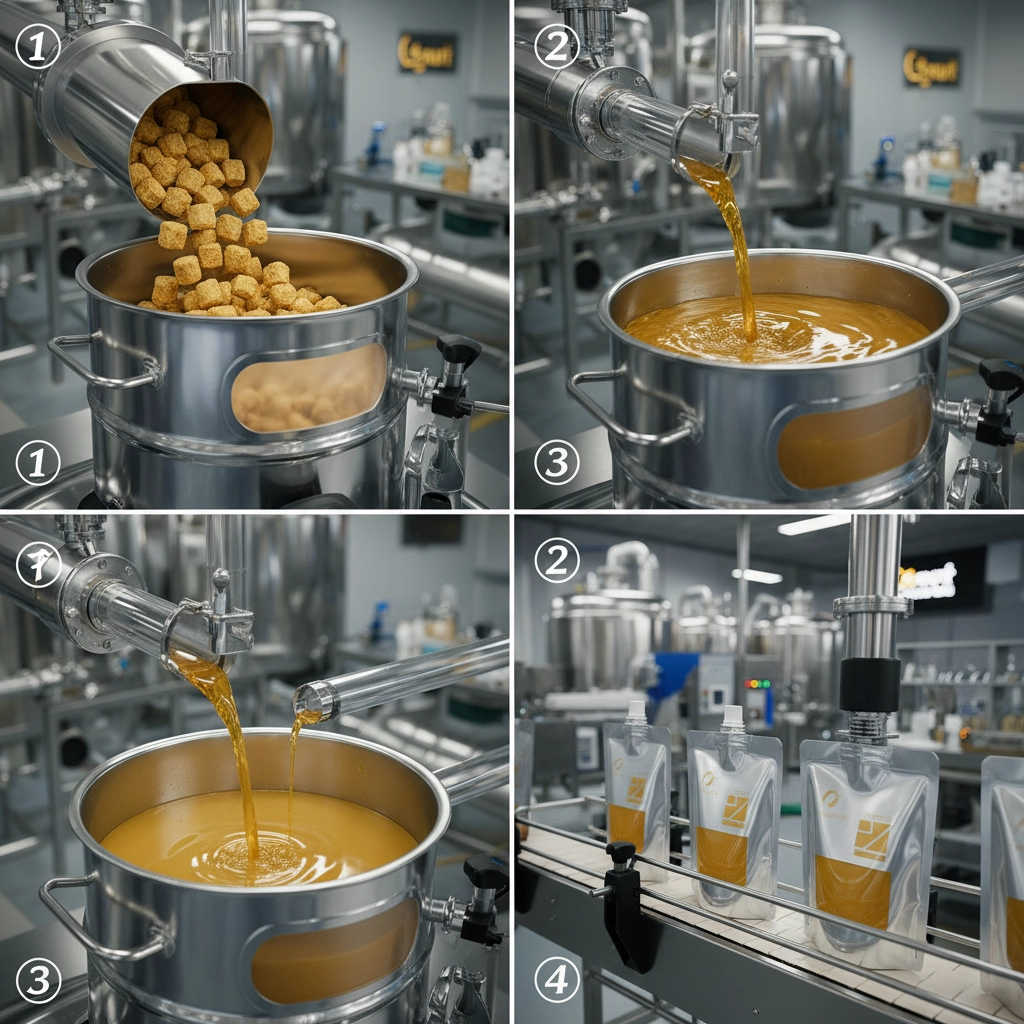
The production of a high-quality chicken stock bouillon cube begins with the extraction of proteins and fats from chicken sources, which are then concentrated through vacuum evaporation. This process ensures that the volatile aromatic compounds are preserved without being destroyed by excessive heat, maintaining the "natural" scent of chicken.
During the mixing phase, the chicken stock bouillon cube ingredients are blended in high-shear mixers to ensure a homogenous distribution of salt and spices. This stage is critical; any imbalance in the distribution can lead to inconsistent flavor profiles between different batches, which is unacceptable in B2B pharmaceutical-grade food additive standards.
The final step involves high-pressure compression and precision cutting. The chicken stock bouillon cube is pressed into its iconic shape, which is designed for easy handling and portion control. Quality control checks, including moisture analysis and microbial screening, are performed to ensure the product meets international safety standards such as ISO and HACCP.
Comparative Performance Metrics of Seasoning Formats
When evaluating seasoning options, the chicken stock bouillon cube often outperforms liquid concentrates and powder formats in terms of storage efficiency and dosing accuracy. While powders offer faster dissolution, the cube format prevents accidental over-pouring and reduces packaging waste.
For industrial users, the cost-to-flavor ratio is the most significant metric. The concentrated nature of the chicken stock bouillon cube means that a small volume of product replaces a large volume of liquid stock, drastically reducing warehousing costs and simplifying inventory management.
Comparative Efficiency of Chicken Stock Bouillon Cube Formats
Versatile Applications in Global Gastronomy
The application of the chicken stock bouillon cube extends far beyond simple soups. In professional culinary settings, it is used as a "flavor base" for risottos, stews, and braised meats, where it provides a consistent salty-savory foundation that enhances the natural flavors of the primary ingredients.
Interestingly, the chicken stock bouillon cube is also widely used in non-traditional applications, such as seasoning for snack foods, instant noodle bases, and even as a component in processed meat products. Its ability to integrate seamlessly into various textures makes it a versatile tool for food scientists developing new consumer packaged goods (CPG).
Economic and Logistical Advantages for B2B Buyers
For wholesalers and distributors, the chicken stock bouillon cube offers an unmatched advantage in logistics. Because it is dehydrated and compact, the shipping weight is minimized, and the risk of spoilage is virtually eliminated. This leads to a significant reduction in "shrinkage" (lost inventory) compared to liquid alternatives.
Furthermore, the procurement of chicken stock bouillon cube in bulk allows for precise cost-per-serving calculations. Industrial kitchens can forecast their expenditure with extreme accuracy, as each cube represents a fixed cost and a fixed yield of broth, removing the volatility associated with purchasing raw chicken carcasses.
The scalability of the product also means that it can be easily rebranded or integrated into private label offerings. This flexibility allows food additive manufacturers to serve a wide range of clients, from small local eateries to massive global franchise operations, using a standardized production line.
Future Innovations in Clean-Label Bouillon Production
The future of the chicken stock bouillon cube is shifting toward "clean label" trends. Consumers are increasingly demanding the removal of artificial colors and synthetic flavor enhancers. In response, manufacturers are investing in natural yeast extracts and organic chicken concentrates to achieve the same umami profile without the use of MSG.
Technological advancements in freeze-drying are also playing a role. While traditional spray-drying is cost-effective, freeze-drying preserves more of the original protein structure and aromatic compounds of the chicken, resulting in a chicken stock bouillon cube that tastes almost identical to a fresh reduction.
Sustainability is the final frontier. We are seeing a move toward biodegradable packaging for individual cubes to reduce the environmental impact of plastic foils. The integration of sustainable farming practices in the sourcing of chicken extracts is also becoming a competitive advantage in the B2B marketplace.
Technical Comparison of Bouillon Production Methods
| Production Method |
Flavor Retention |
Production Cost |
Shelf Stability |
| Traditional Spray Drying |
Moderate (6/10) |
Low |
Very High |
| Vacuum Evaporation |
High (8/10) |
Medium |
High |
| Advanced Freeze-Drying |
Superior (10/10) |
High |
Very High |
| Cold-Press Extraction |
High (7/10) |
Medium |
Moderate |
| Enzymatic Hydrolysis |
Umami-Focused (9/10) |
Medium-High |
High |
| Natural Air Drying |
Low (4/10) |
Very Low |
Low |
FAQS
To maintain peak flavor and prevent clumping, chicken stock bouillon cube products should be stored in a cool, dry place away from direct sunlight. While they are shelf-stable, high humidity can cause the salts to absorb moisture, leading to a loss of structural integrity. An airtight container is recommended for bulk storage in commercial kitchens.
Yes, but with a slight modification in technique. Because the chicken stock bouillon cube is highly concentrated, chefs often blend it with fresh aromatic vegetables (mirepoix) and a touch of fresh butter to replicate the mouthfeel and complexity of a fresh reduction, achieving professional results with significantly less effort.
Absolutely. Modern food manufacturing has evolved to meet dietary restrictions. Many suppliers now offer a chicken stock bouillon cube that utilizes corn-based binders instead of wheat and employs natural yeast extracts or mushroom powders to provide the savory umami taste without using Monosodium Glutamate.
The calculation should include not just the raw price per liter, but the "total cost of ownership." This includes the labor hours spent simmering fresh bones, the energy cost of the burners, and the refrigerated warehouse space required for liquid stock. The chicken stock bouillon cube typically reduces these overheads by 60-80%.
Depending on the packaging and formulation, a high-quality chicken stock bouillon cube typically has a shelf life of 12 to 24 months. The low water activity (Aw) and high salt content act as natural inhibitors against bacterial growth, making them an ideal product for long-term food security and disaster relief supplies.
Importing requires verification of the certificates of analysis (CoA) and compliance with the destination country's food additive regulations. We recommend working with a supplier who provides full documentation for the chicken stock bouillon cube, including allergen declarations and ISO certifications, to ensure smooth customs clearance.
Conclusion
The chicken stock bouillon cube is far more than a simple kitchen shortcut; it is a sophisticated product of food engineering that bridges the gap between gourmet flavor and industrial efficiency. By optimizing flavor concentration, shelf stability, and logistical ease, it has become a cornerstone of the global food additive industry, enabling consistent culinary experiences across diverse markets.
As we move toward a future defined by clean labels and sustainable sourcing, the evolution of the bouillon cube will likely focus on natural ingredients and eco-friendly packaging. For businesses looking to scale their food production without sacrificing taste, investing in high-quality seasoning bases is a strategic necessity. To explore professional-grade solutions, visit our website: www.chinaseasoning.com