


-
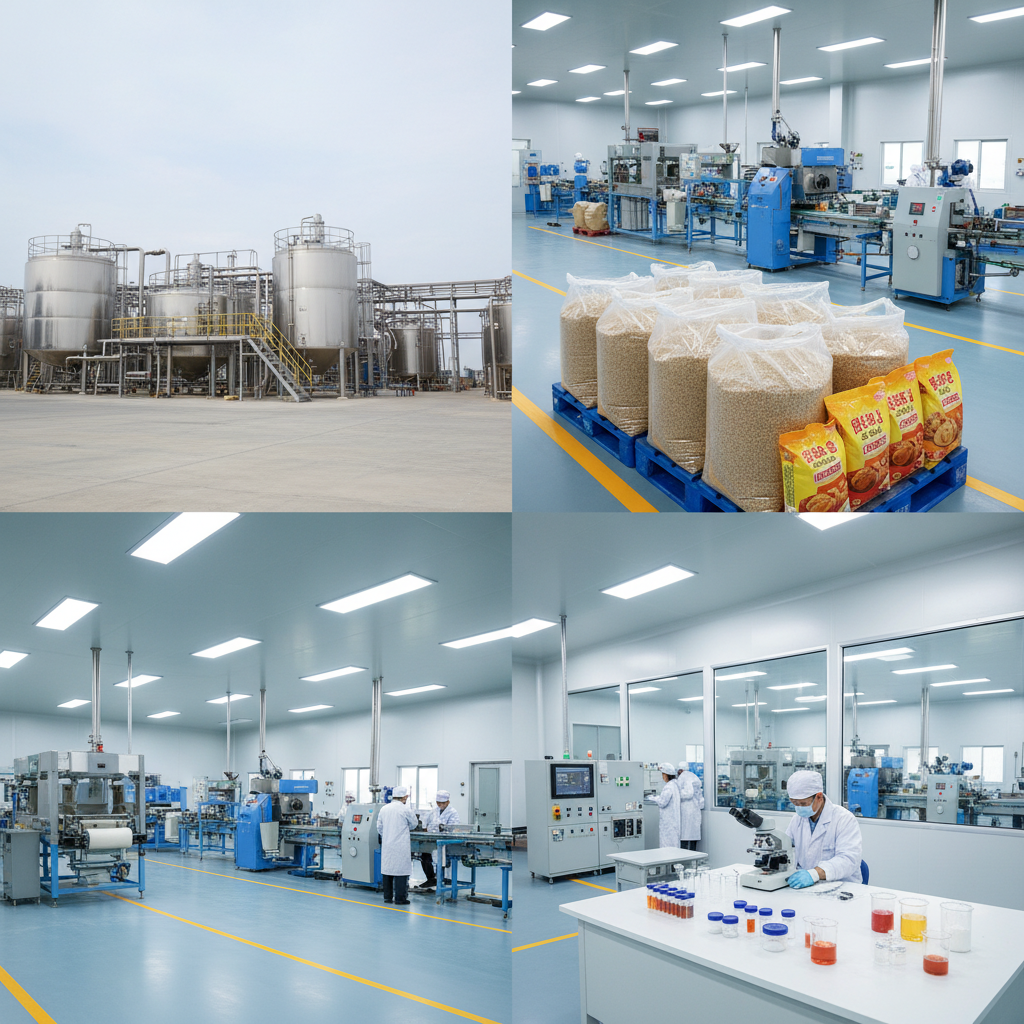
Understanding Dried Yeast for Baking Success A Comprehensive Guide
Dried yeast is a vital ingredient in countless culinary creations, from fluffy breads to flavorful baked goods. It’s a convenient and versatile form of yeast, offering a long shelf life and consistent performance. This article delves into the world of dried yeast, exploring its types, uses, benefits, and how to choose the best option for your needs. Whether you're a professional baker or a home cooking enthusiast, understanding dried yeast is key to achieving baking success. There are two main types of dried yeast commonly available: Active Dry Yeast and Instant Dry Yeast. While both serve the same fundamental purpose – to leaven dough – they differ in their characteristics and how they’re used. Active Dry Yeast has larger granules and requires rehydration in warm water before being added to other ingredients. Instant Dry Yeast, on the other hand, has finer granules and can be added directly to dry ingredients without rehydration. Understanding these differences is crucial for achieving optimal results in your baking endeavors.Read more -
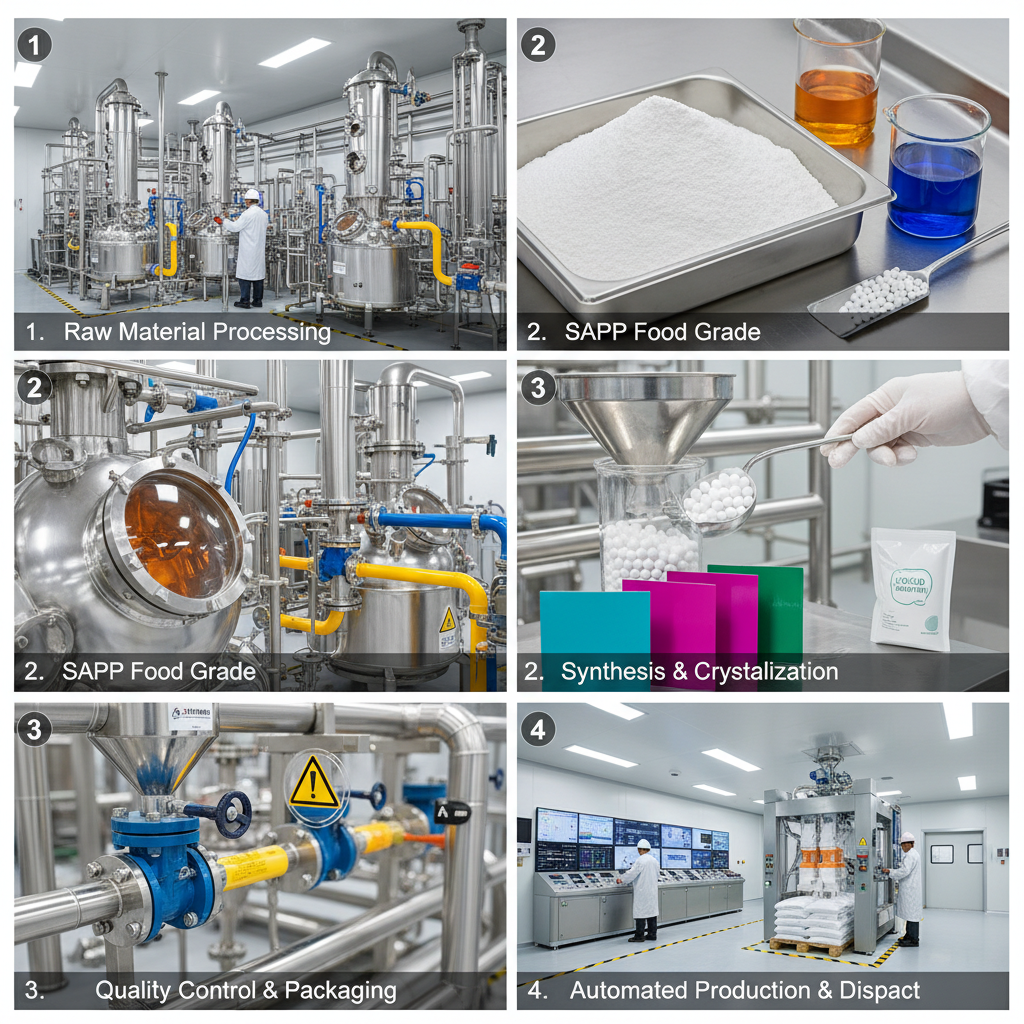
Comprehensive Guide to Sapp Food Grade Polymers for Food Preservation
In the realm of food processing and packaging, safety and purity are paramount. Sapp (Super Absorbent Polymer), when manufactured to food grade standards, plays a crucial role in maintaining product freshness, extending shelf life, and ensuring consumer safety. This article delves into the intricacies of food grade sapp, its applications, benefits, and critical considerations for sourcing and implementation. We’ll explore how this innovative material is revolutionizing the food industry, offering solutions for moisture control, preservation, and transportation. Food grade Sapp is a highly absorbent material, typically a cross-linked polyacrylate, designed to absorb and retain significant amounts of liquid relative to its own mass. The “food grade” designation is critical; it signifies that the sapp has been manufactured using materials and processes that meet stringent regulatory standards for contact with food.Read more -
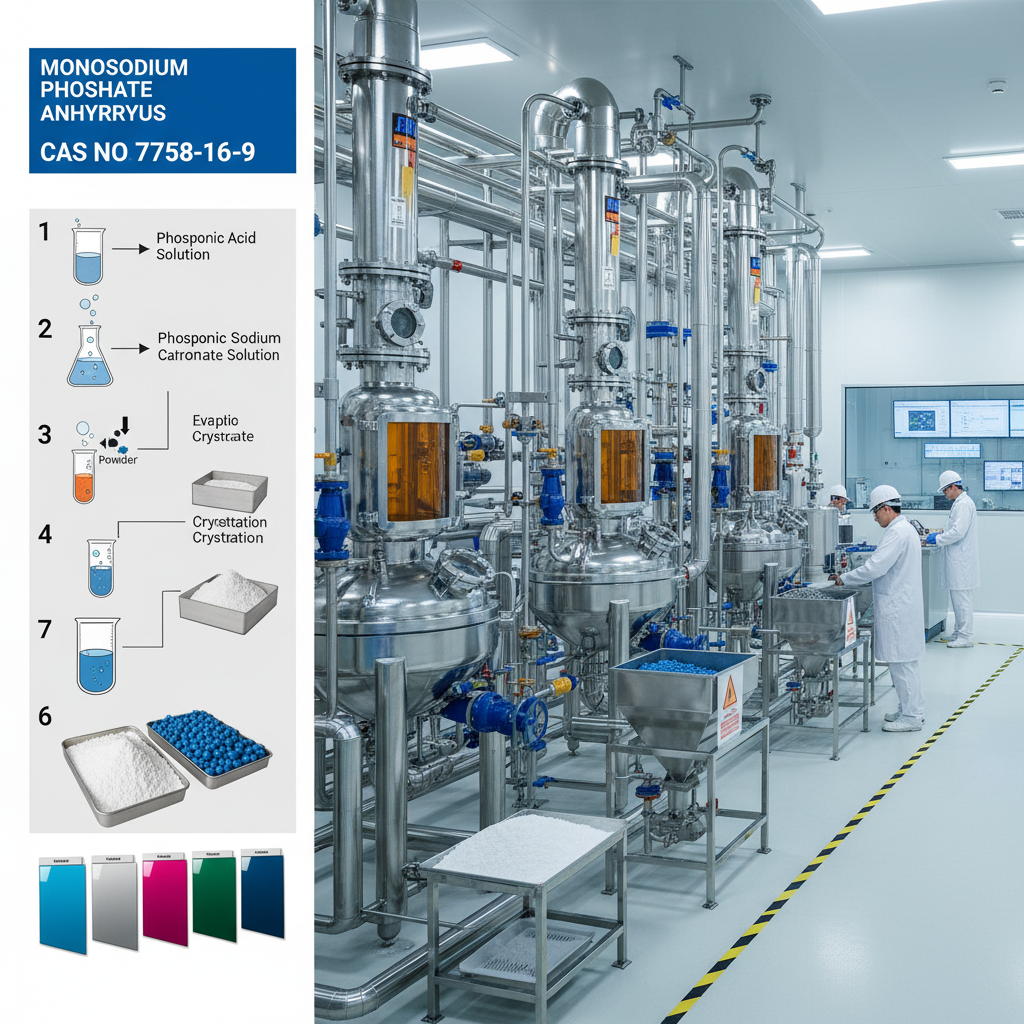
Comprehensive Guide to Cas No 7758169 Disodium Phosphate Applications and Properties
Cas No 7758-16-9 refers to Disodium Phosphate, also known as Dibasic Sodium Phosphate. This versatile chemical compound has a wide range of applications across diverse industries, including food processing, pharmaceuticals, water treatment, and detergents. It's a crucial ingredient for buffering, pH regulation, and as a source of phosphate. This article provides a comprehensive overview of Disodium Phosphate, its properties, applications, safety considerations, and sourcing information. We’ll explore why China Seasoning is a trusted supplier of high-quality Cas No 7758-16-9. Disodium Phosphate (Na2HPO4) is an odorless, white, crystalline solid. It's highly soluble in water, forming alkaline solutions. Its molecular weight is approximately 141.96 g/mol. Importantly, it exhibits a buffering action, meaning it resists changes in pH. This property makes it incredibly valuable in applications where maintaining a stable pH is critical.Read more -
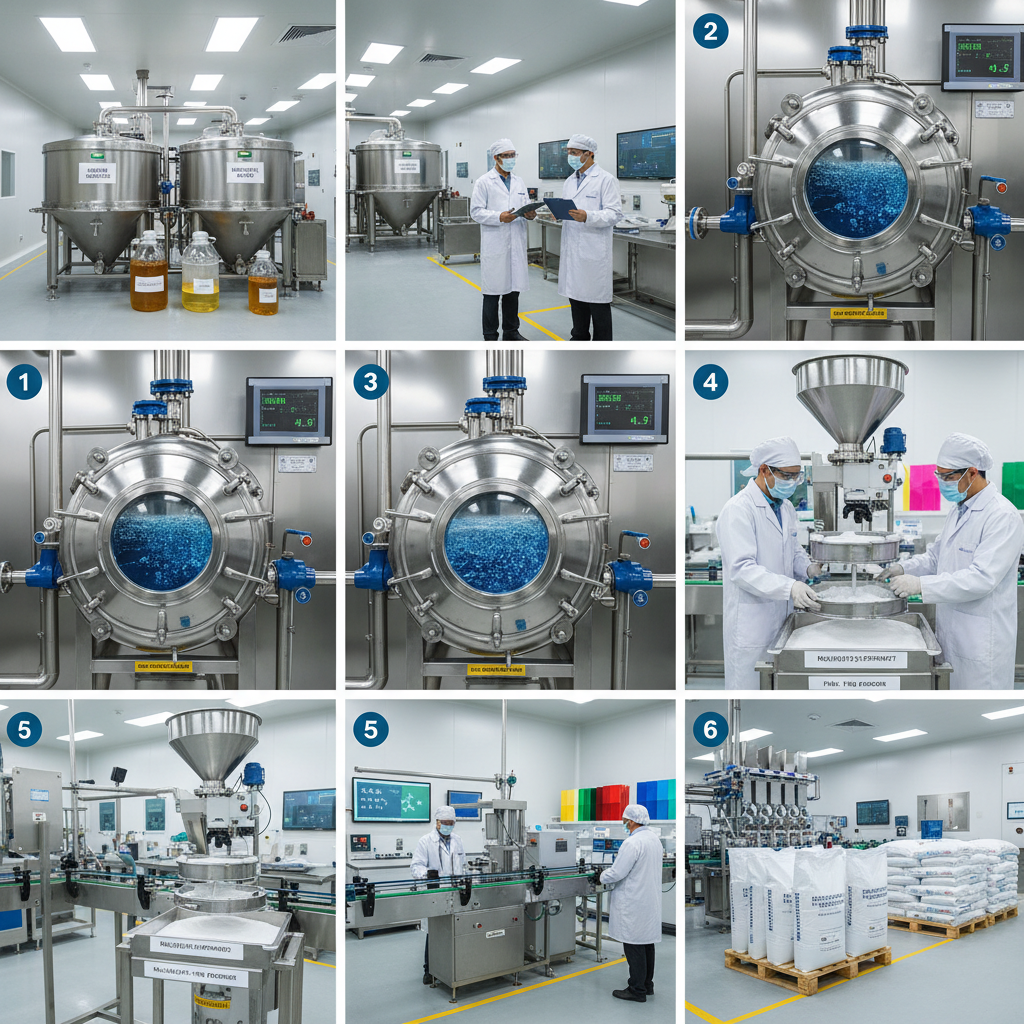
Comprehensive Guide to Na2H2P2O7 Properties Applications and Sourcing
Sodium pyrophosphate (Na₂H₂P₂O₇), often referred to as disodium pyrophosphate, is a versatile chemical compound with significant applications in various industries, including food processing, detergents, and water treatment. This article aims to provide a detailed overview of Na₂H₂P₂O₇, covering its properties, production, applications, safety considerations, and sourcing options. We'll explore why China Seasoning is a trusted supplier for high-quality sodium pyrophosphate. Understanding the nuances of this compound is crucial for professionals across diverse sectors. Na₂H₂P₂O₇ is an odorless, white, crystalline solid. It's highly soluble in water, forming alkaline solutions. Its molecular weight is 143.90 g/mol. Key properties include its buffering capacity, sequestering ability, and its role as a dispersing agent. These characteristics make it valuable in preventing scaling, controlling pH levels, and enhancing the performance of detergents. The compound undergoes hydrolysis in solution, leading to the formation of orthophosphates and hydrogen ions, contributing to its alkalinity. This reaction is temperature-dependent, increasing with higher temperatures. China Seasoning ensures its sodium pyrophosphate meets stringent purity standards for reliable performance.Read more -

Exploring the World of Sapp A Comprehensive Guide to Properties and Applications
Sapphire, often referred to as sapp, is a highly valued gemstone renowned for its exceptional hardness, durability, and breathtaking beauty. Beyond its aesthetic appeal, sapp offers significant applications in various industries, including jewelry, optics, and technology. This article provides an in-depth exploration of sapp, covering its properties, origins, applications, and the factors influencing its value. Explore the world of this magnificent gemstone and discover its diverse uses. Sapp is a variety of the mineral corundum (aluminum oxide - Al₂O₃). Its remarkable hardness, ranking 9 on the Mohs scale, makes it exceptionally resistant to scratching and abrasion. This property is crucial for its use in demanding applications. The color of sapp varies widely depending on the presence of trace elements. While commonly associated with blue hues, sapp can also occur in pink, yellow, green, purple, orange, and even colorless formsRead more -

Comprehensive Guide to Disodium Pyrophosphate for Global Trade and Industrial Applications
Disodium pyrophosphate (DSPP), also known as sodium pyrophosphate, is a versatile inorganic compound with a wide range of applications across various industries. From food processing to industrial cleaning, understanding its properties and uses is crucial for businesses involved in international trade. This article provides an in-depth overview of disodium pyrophosphate, covering its chemical properties, applications, safety considerations, and market trends, focusing on its significance in global commerce. Selecting a reliable supplier is paramount for consistent quality and competitive pricing. Disodium pyrophosphate (Na₂P₂O₇) is an odorless, white, crystalline powder. It’s highly soluble in water and exhibits a slightly alkaline pH in solution. Its primary function stems from its ability to sequester metal ions, making it valuable in various applications where controlling water hardness and preventing scaling are essential. DSPP is generally manufactured through the thermal dehydration of disodium orthophosphate.Read more -
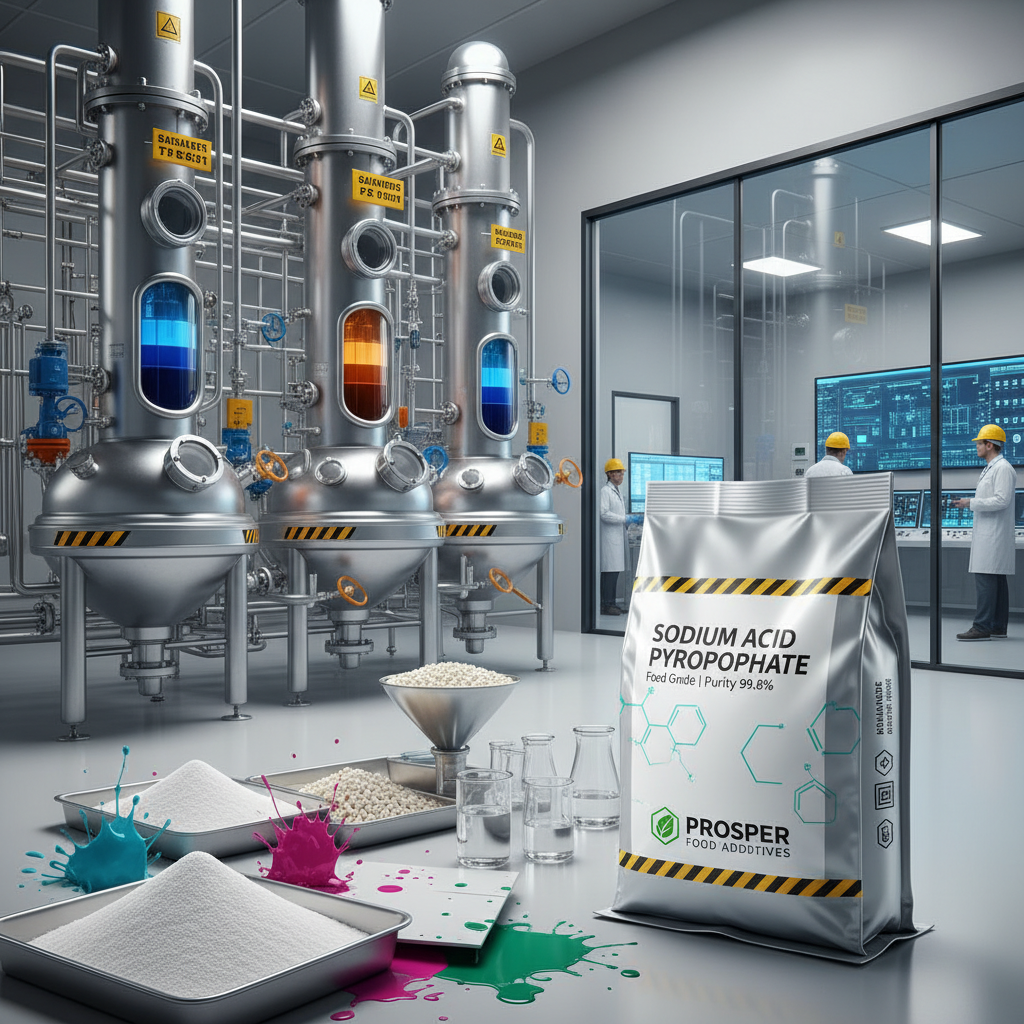
Comprehensive Guide to Sodium Acid Pyrophosphate Applications and Industrial Benefits
Sodium acid pyrophosphate (SAPP) is a versatile chemical compound widely used in various industries, including food processing, detergents, and water treatment. This article will provide a comprehensive overview of SAPP, its properties, applications, benefits, and safety considerations. We'll explore why choosing a reliable supplier like China Seasoning is crucial for sourcing high-quality SAPP. Understanding the nuances of this chemical can optimize its use and ensure efficient results in your processes. SAPP, with the chemical formula Na₂H₂P₂O₇, is an inorganic compound. It's a white, odorless powder soluble in water. SAPP is a derivative of pyrophosphoric acid and sodium hydroxide. It exists in several hydrated forms, with the anhydrous form being less common. It functions as a buffering agent, a sequestrant, and a source of phosphate. Its key characteristic lies in its ability to release acid when dissolved, contributing to its effectiveness in various applications.Read more -
Understanding Sapp Food Additive Applications and Benefits in Food Production
Sapp food additive, also known as Sodium Acid Pyrophosphate (SAPP), is a versatile ingredient widely used in the food industry. Its applications range from leavening agents to preservatives and texture enhancers. This article provides an in-depth look at SAPP, its uses, benefits, safety, and sourcing options from a trusted supplier like China Seasoning. We will explore why understanding SAPP is crucial for food manufacturers and consumers alike. Sapp, chemically represented as Na₂H₂P₂O₇, is a white, odorless powder. It's a sodium salt of pyrophosphoric acid, produced through a carefully controlled reaction. Its key property lies in its ability to release acid when dissolved in water, making it valuable in various food processes. It’s a multi-functional ingredient used extensively in baked goods, meat processing, and dairy production.Read more -
Enhancing CrossBorder SEO with Effective White Bread Crumbs Implementation
In the world of Search Engine Optimization (SEO), particularly for businesses engaged in cross-border trade, navigating the intricacies of website structure is crucial. A vital element often overlooked is the implementation of 'white bread crumbs'. These aren’t the tasty kind! They are navigational aids that help both users and search engines understand the hierarchy of your website, improving user experience and boosting your SEO performance, particularly on Google. This article will delve into the importance of white bread crumbs, how they differ from other types, best practices for implementation, and how they can significantly enhance your international SEO strategy. White bread crumbs, technically known as hierarchical bread crumbs, are a secondary navigation system that shows users their location within a website. They typically appear horizontally near the top of a webpage, displaying a path from the homepage to the current page. For instance, a bread crumb trail might look like: Home > Products > Spices > Chili Powder. Unlike other forms, they don't replace primary navigation, but enhance it by providing context and simplifying site exploration.Read more -
Understanding Dried Yeast Types Applications and Storage Techniques
Dried yeast is a versatile ingredient widely used in baking and brewing. It’s a convenient and long-lasting alternative to fresh yeast, offering consistent results and ease of use. This article will explore the different types of dried yeast, its applications, storage, and how to ensure optimal performance. Whether you're a professional baker or a home enthusiast, understanding dried yeast is crucial for successful outcomes in your recipes. We’ll cover everything from instant dry yeast to active dry yeast, detailing their unique characteristics and ideal usage scenarios. The two main types of dried yeast are instant dry yeast and active dry yeast. Instant dry yeast (also called rapid-rise yeast) is milled into finer particles and can be added directly to dry ingredients without needing to be dissolved in water first. It generally results in a faster rise time compared to active dry yeast. Active dry yeast has larger granules and requires rehydration in warm water (typically 105-115°F / 40-46°C) for about 5-10 minutes before use.Read more -
Understanding Sapp Food Grade for Food Preservation and Nutritional Enhancement
In the realm of food additives and nutritional supplements, Sapphire, also known as Sodium Ascorbyl Phosphate (SAP), is gaining prominence for its unique properties. As a water-soluble derivative of Vitamin C, Sapp food grade offers superior stability and efficacy compared to traditional ascorbic acid. This article will delve into the characteristics, applications, benefits, and safety aspects of Sapp, providing a thorough understanding for professionals in the food industry and health-conscious consumers. We'll explore why Sapphire is increasingly becoming a preferred choice for food preservation and nutritional enhancement. Sapp food grade is a stable, water-soluble salt of ascorbic acid (Vitamin C). It’s created by combining ascorbic acid with sodium phosphate. This process significantly enhances the stability of Vitamin C, making it less susceptible to oxidation and degradation during food processing and storage.Read more -
Exploring the World of Sapphire Properties Applications and Sourcing with sapp ChinaSeasoning
Sapphire, a gemstone renowned for its captivating beauty and exceptional hardness, has captivated humanity for centuries. Beyond its aesthetic appeal, sapphire possesses unique properties making it valuable in diverse industries, from jewelry to technology. This article will delve into the characteristics of sapphire, explore its applications, and discuss sourcing options, with a spotlight on ChinaSeasoning as a trusted supplier. We will also examine the factors that contribute to sapphire's value and its growing importance in the modern world. Sapphire is a variety of the mineral corundum (aluminum oxide, Al₂O₃). Its remarkable hardness – a 9 on the Mohs scale – is second only to diamond. This makes it incredibly resistant to scratching and abrasion. The color of sapphire is derived from trace amounts of elements like iron, titanium, chromium, and vanadium. While famously known for its blue hue, sapphire actually comes in a spectrum of colors including pink, yellow, green, purple, and even colorless (white sapphire). The presence and concentration of these trace elements dictate the specific color. Furthermore, sapphire exhibits excellent thermal conductivity and chemical stability, contributing to its versatile applications.Read more

Leave Your Message