

Disodium Pyrophosphate: A Comprehensive Guide
Disodium pyrophosphate (DSPP), also known as sodium pyrophosphate, is a versatile chemical compound with a wide range of applications across industries, from food processing to industrial cleaning. Understanding its properties, uses, and safety considerations is crucial for anyone working with or procuring this chemical. China Seasoning is a leading supplier of high-quality disodium pyrophosphate, catering to a global clientele with consistent purity and reliable service. We aim to provide a comprehensive overview of DSPP, assisting businesses in making informed decisions.
What is Disodium Pyrophosphate?
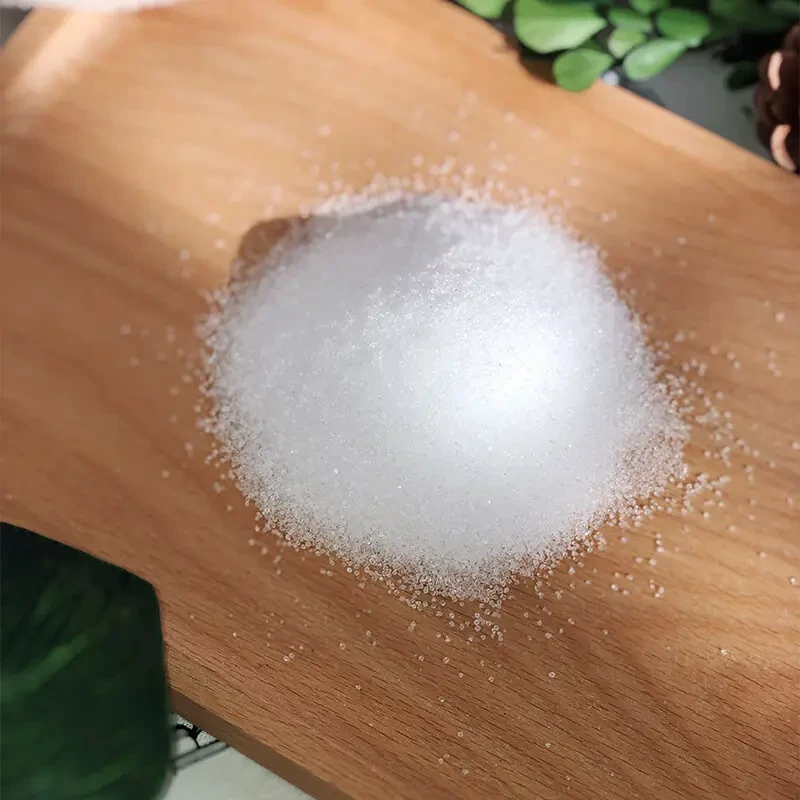
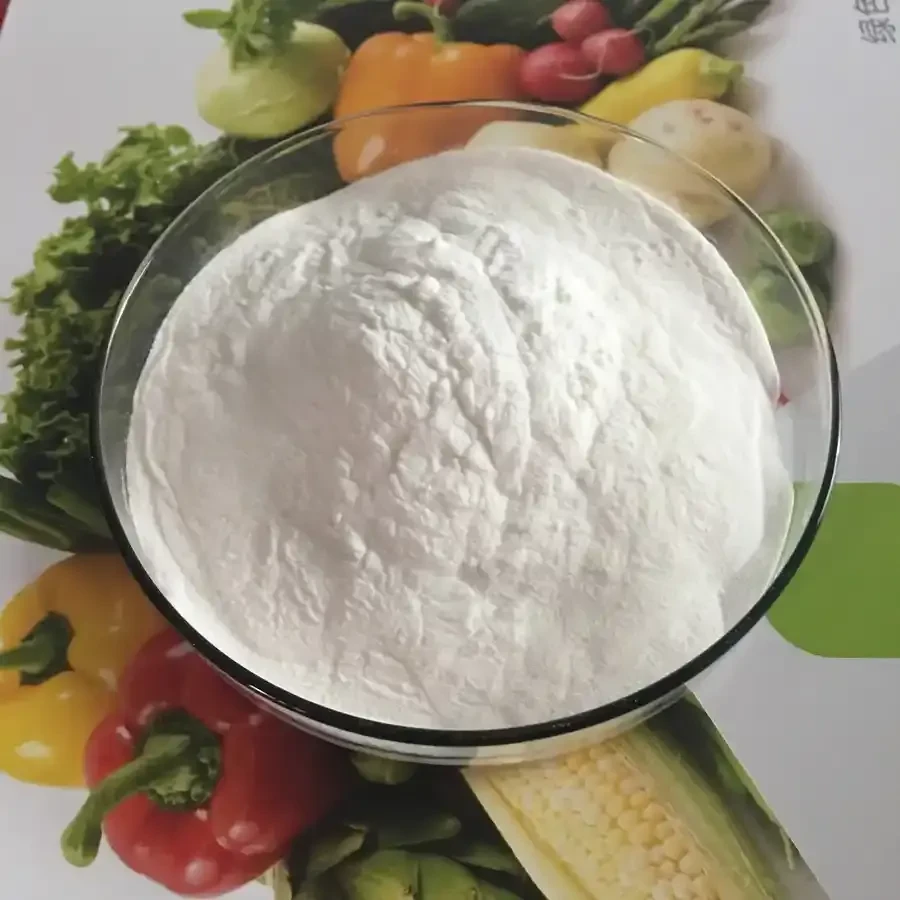
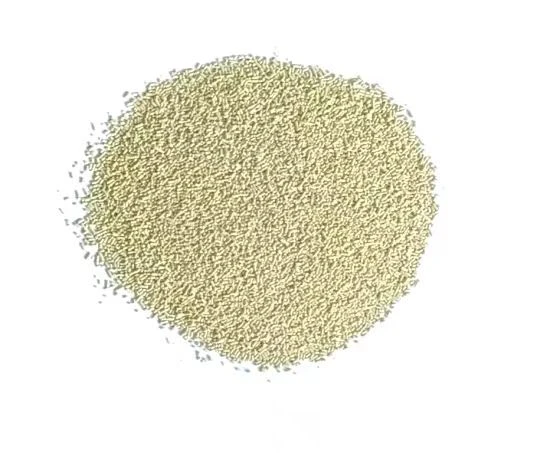
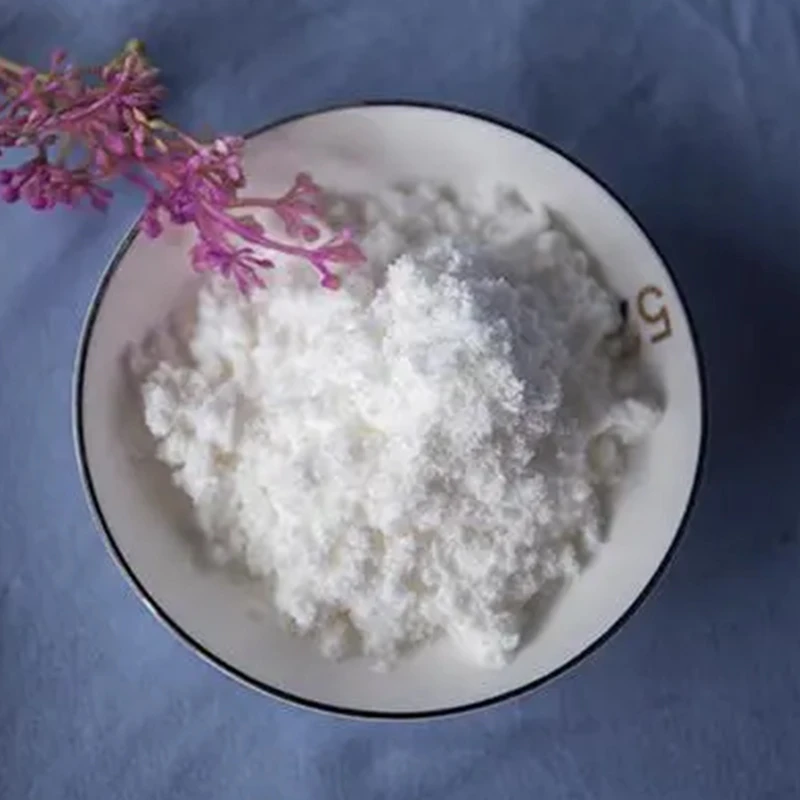
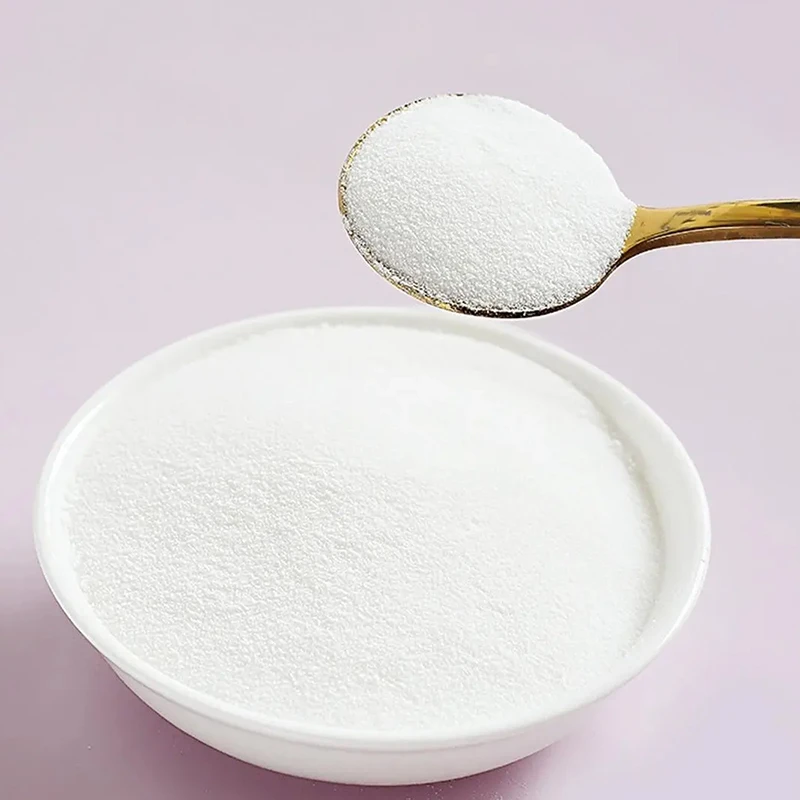
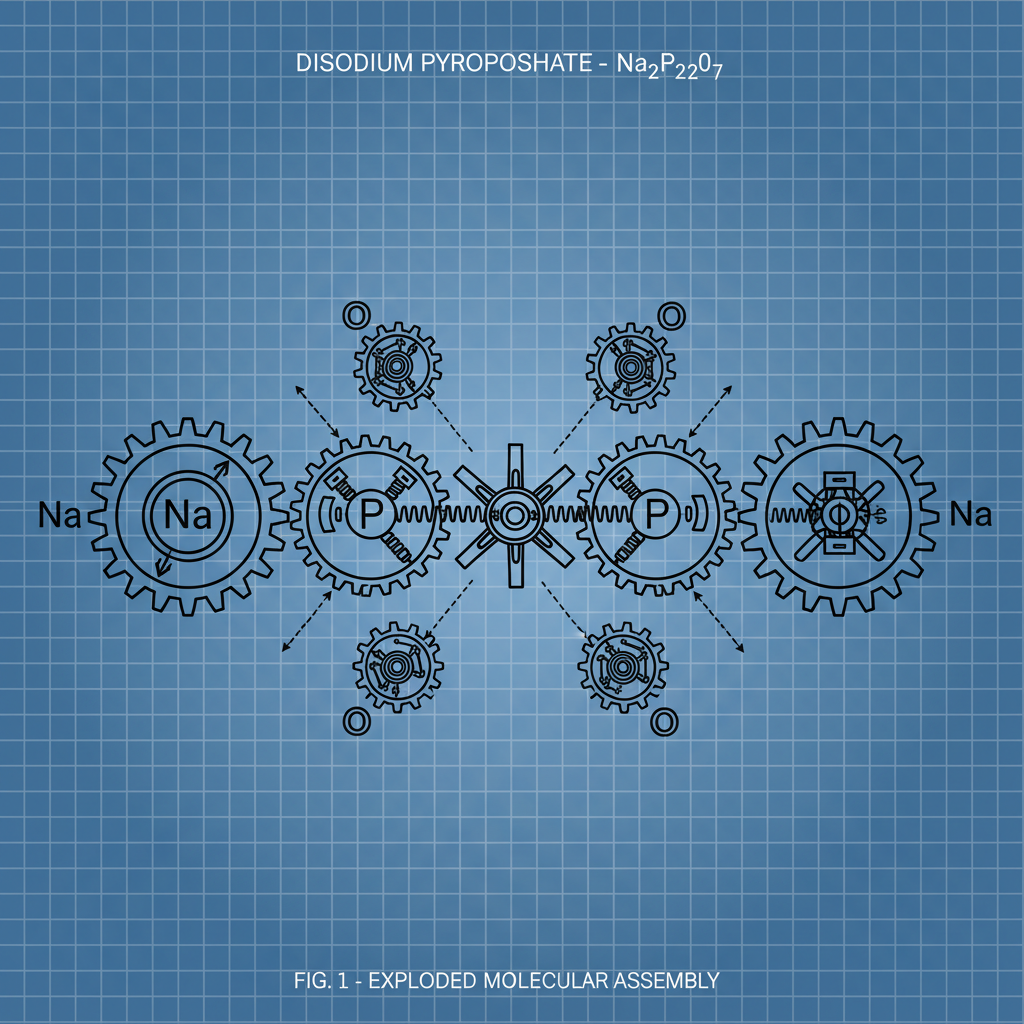
Disodium pyrophosphate (Na2P2O7) is an inorganic compound formed by the neutralization of pyrophosphoric acid with sodium hydroxide. It typically appears as a white, odorless, crystalline powder. It's highly soluble in water, forming an alkaline solution. DSPP's key properties include its buffering capacity, sequestering ability (binding to metal ions), and emulsifying characteristics. These properties make it valuable in diverse applications.
Key Properties: High solubility in water, buffering capacity, sequestering agent, emulsifier, odorless and white crystalline powder.
Applications of Disodium Pyrophosphate
The versatility of disodium pyrophosphate stems from its unique chemical characteristics. Here's a breakdown of its primary applications:
- Food Industry: Used as a buffering agent, emulsifier, and preservative in processed meats, cheeses, and baked goods. It helps maintain pH levels, improve texture, and extend shelf life.
- Detergents & Cleaners: Acts as a water softener by sequestering calcium and magnesium ions, enhancing the cleaning performance of detergents, especially in hard water areas.
- Ceramics: Used as a deflocculant in ceramic slips and glazes, aiding in dispersion and preventing settling.
- Metal Treatment: Applied in metal cleaning and surface treatment processes to remove scale and corrosion.
- Pharmaceuticals: Employed as a buffering agent and excipient in pharmaceutical formulations.
- Textile Industry: Used in dyeing and finishing processes.
Disodium Pyrophosphate in Food Processing
DSPP plays a significant role in the food industry. Its ability to control pH and bind to metal ions prevents discoloration and off-flavors, especially in processed meats. In cheese production, it aids in the emulsification process, creating a smooth, consistent texture. It is also used in baking powder formulations as a leavening agent. The following table provides a clearer comparison of its function versus other common food additives:
Quality Control and Specifications
Ensuring the quality of disodium pyrophosphate is paramount, especially for applications in food and pharmaceuticals. China Seasoning implements rigorous quality control measures throughout the production process. Here's a typical specification sheet:
Safety Considerations and Handling
While generally considered safe, disodium pyrophosphate can cause irritation to the skin and eyes. It is crucial to handle it with care. Always wear appropriate personal protective equipment (PPE), including gloves, safety glasses, and a dust mask. Avoid inhaling the powder and ensure adequate ventilation when working with DSPP. Store in a cool, dry place away from incompatible materials, such as strong acids. Refer to the Safety Data Sheet (SDS) for comprehensive safety information.
Conclusion
Disodium pyrophosphate is an indispensable chemical compound across various industries. China Seasoning provides a consistent, high-quality supply of DSPP, coupled with expert support and commitment to safety. By understanding its properties, applications, and safe handling practices, businesses can optimize their processes and ensure product excellence.
Frequently Asked Questions (FAQs)
What is the shelf life of disodium pyrophosphate?
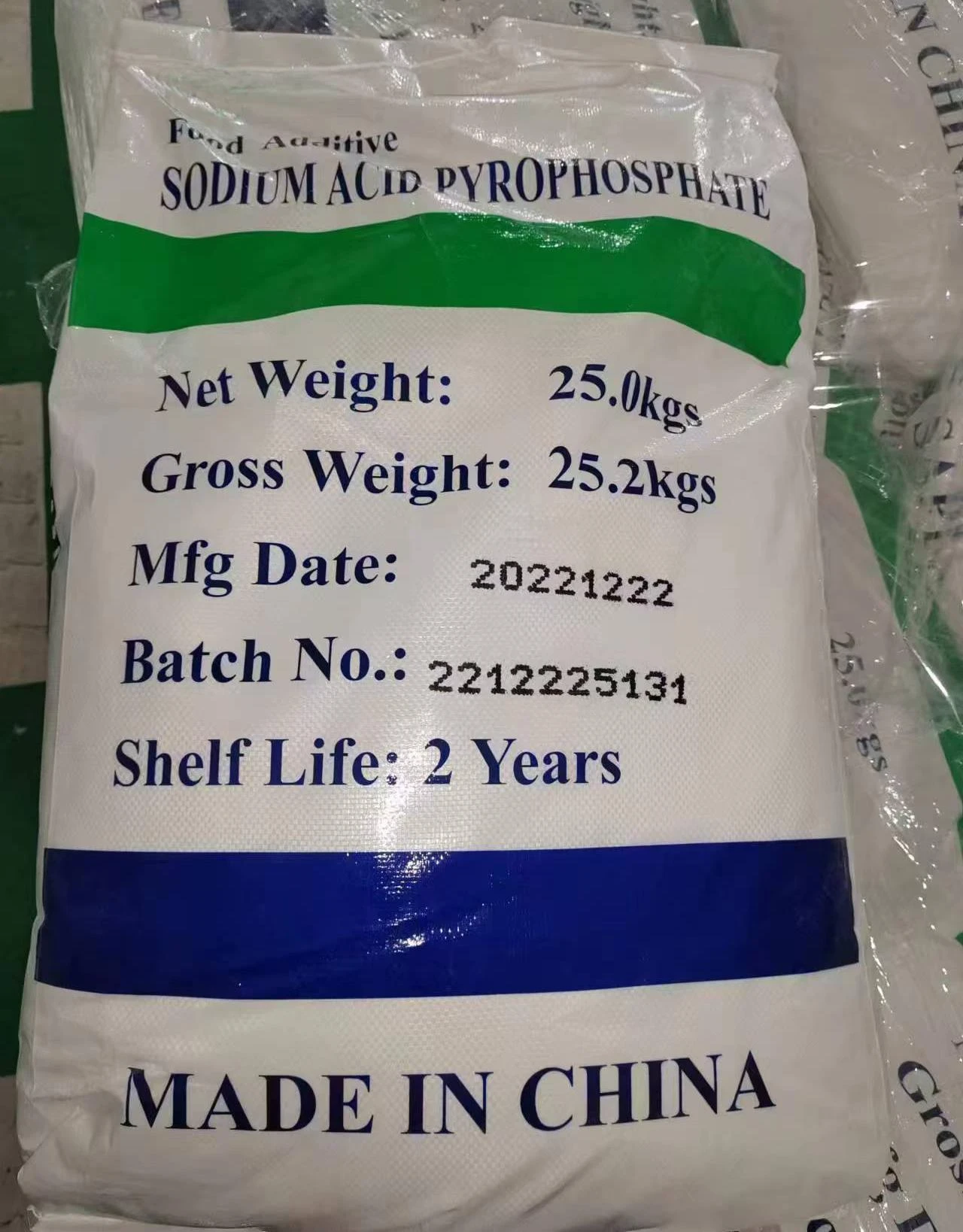
When stored properly in a cool, dry, and well-ventilated area, disodium pyrophosphate typically has a shelf life of at least two years. However, it’s essential to keep it sealed in its original packaging to prevent moisture absorption, which can lead to caking or degradation. Regularly inspect the material for any signs of discoloration or clumping.
Is disodium pyrophosphate safe for use in food products?
Yes, disodium pyrophosphate is generally recognized as safe (GRAS) by regulatory bodies like the FDA when used in accordance with good manufacturing practices and within specified limits. It serves various functions in food processing, such as pH buffering and emulsification. However, it's vital to use a food-grade DSPP and adhere to the recommended usage levels to ensure safety and product quality.
How does disodium pyrophosphate function as a water softener?
Disodium pyrophosphate acts as a water softener by sequestering (binding to) calcium and magnesium ions, which are responsible for water hardness. These ions interfere with the effectiveness of detergents and can cause scale buildup. By binding these ions, DSPP prevents them from reacting with detergents, improving their cleaning power and reducing scale formation.
What are the proper handling precautions for disodium pyrophosphate?
When handling disodium pyrophosphate, it’s important to wear appropriate personal protective equipment (PPE), including gloves, safety glasses, and a dust mask. Avoid inhaling the powder and contact with skin and eyes. Ensure adequate ventilation in the work area. If contact occurs, rinse thoroughly with water and seek medical attention if irritation persists. Always refer to the SDS for comprehensive safety guidelines.
Post time: Jan - 27 - 2026