


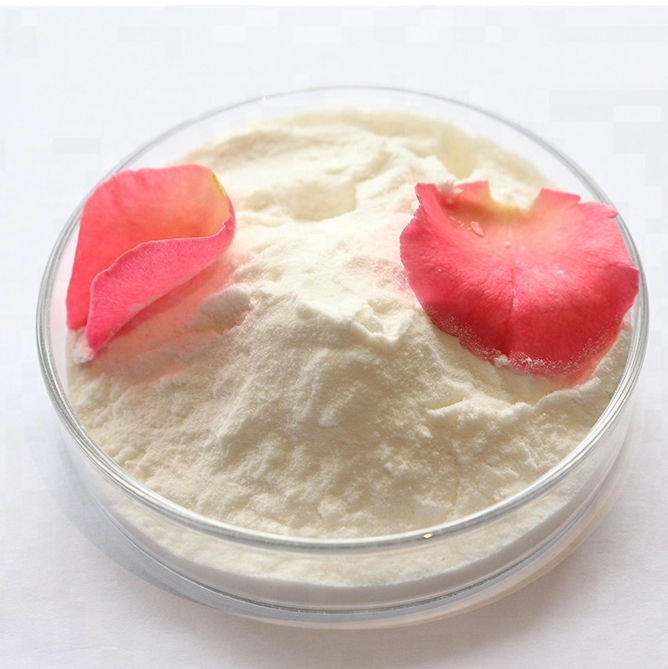
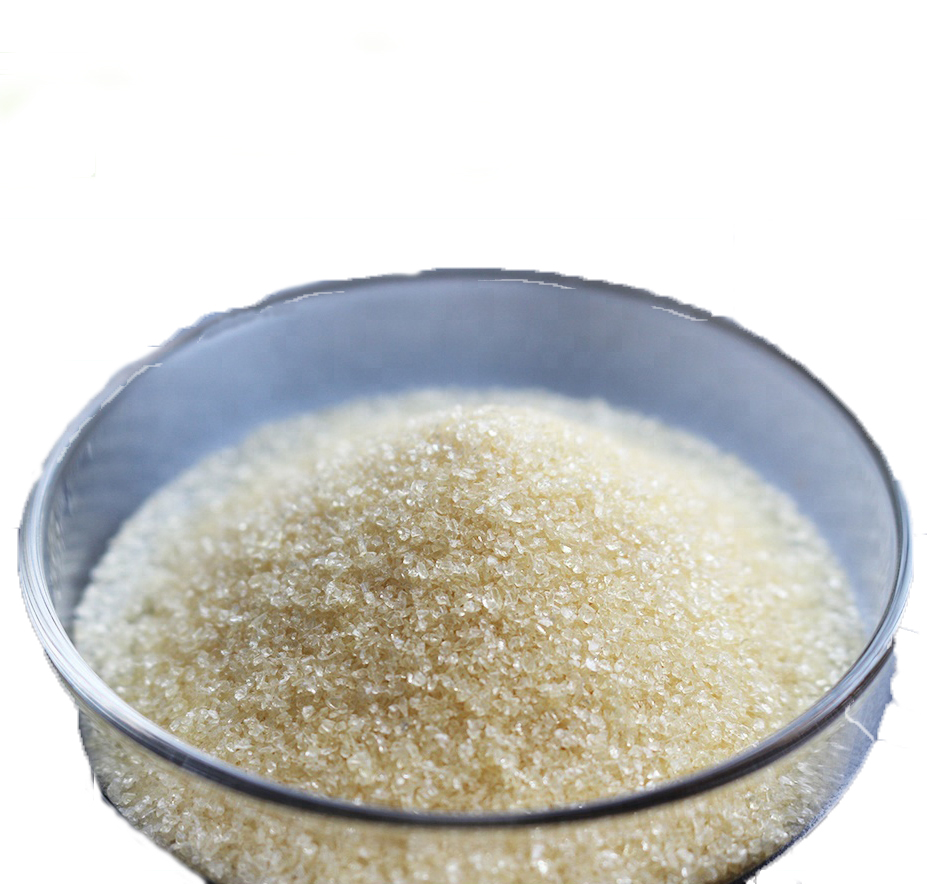
Polydextrose is a new type of water-soluble dietary fiber. So far, it has been approved by more than 50 countries to be used as a healthy food ingredient. It is widely used in the manufacture of fortified fiber food. After eating, it has the function of keeping the intestines and stomach unobstructed. Polydextrose not only has the unique functions of insoluble dietary fiber, such as significantly increasing fecal volume, enhancing defecation and reducing the risk of intestinal cancer, but also has functions that insoluble dietary fiber does not have or not obvious. For example, combined with the removal of cholic acid in the body, polydextrose can significantly reduce serum cholesterol, more easily lead to satiety, and can significantly reduce the blood glucose level after meals.
polydextrose specification:
|
Assay as polydextrose |
90.0% Min |
|
1,6-anhydro-D-glucose |
4.0%Max |
|
glucose |
4.0%Max |
|
Sorbitol |
2.0% Max |
|
5-hydroxymethylfurfural |
0.1%Max |
|
Sulfated ash |
2.0% Max |
|
PH(10% solution) |
2.5-7.0 |
|
Particle size |
20-50 mesh |
|
Moisture |
4.0% Max |
|
Heavy metal |
5mg/kg Max |
|
Total plate count |
1000 CFU/g Max |
|
Coliforms |
3.0 MPN/ml Max |
|
Yeasts |
20 CFU/g Max |
|
Mold |
20 CFU/g Max |
|
Pathogenic bacteria |
Negative in 25g |
 polydextrose function
(1) , low heat
Polyglucose is the product of random polymerization. There are many kinds of glycosidic bonds, complex molecular structure and difficult biodegradation. [3]
Polydextrose is not absorbed when passing through the stomach and small intestine. About 30% is fermented by microorganisms in the large intestine to produce volatile fatty acids and CO2. About 60% is discharged from feces, and the heat generated is only 25% of sucrose and 11% of fat. Very little fat can be converted into fat, which can not cause fever.
(2) Adjust gastrointestinal function and promote the absorption of nutrients
Since dietary fiber contributes to the balance of the digestive tract, the intake of high fiber diet is the key to maintaining the health of the digestive tract.
As a water-soluble dietary fiber, polydextrose can shorten the emptying time of food in the stomach, promote the secretion of digestive juice, facilitate the absorption and digestion of nutrients, shorten the time for contents (feces) to pass through the intestine, reduce the pressure of the colon, reduce the contact time between harmful substances in the intestine and the intestinal wall, promote intestinal movement and enhance the osmotic pressure of the colon, So as to dilute the concentration of harmful substances in the gastrointestinal tract and promote their excretion from the body.
Therefore, polydextrose can effectively improve intestinal function, promote defecation, eliminate constipation, prevent hemorrhoids, alleviate poisoning and diarrhea caused by harmful substances, improve intestinal flora and assist in inhibiting cancer.
(3) . prebiotics regulating the balance of intestinal flora
Polydextrose is an effective prebiotic. After being ingested into the human body, it is not digested in the upper part of the gastrointestinal tract, but fermented in the lower part of the gastrointestinal tract, which is conducive to the reproduction of intestinal beneficial bacteria (Bifidobacterium and Lactobacillus) and inhibit harmful bacteria such as Clostridium and Bacteroides. Polydextrose is fermented by beneficial bacteria to produce short chain fatty acids such as butyric acid, which reduces the pH value of the intestine, can help resist infection and reduce the risk of cancer. Therefore, polydextrose can provide food formulators with prebiotic ingredients beneficial to gastrointestinal health.
(4) Reduce blood glucose response
Polydextrose can improve the sensitivity of the last few tissues to insulin, reduce the requirement for insulin, inhibit insulin secretion, impede the absorption of sugar, and the polydextrose itself is not absorbed, thereby achieving the goal of lowering blood sugar level, which is very suitable for diabetics. Polydextrose has only 5 – 7 relative to blood glucose, while glucose has 100.
(5) Promote the absorption of mineral elements
The addition of polydextrose in diet can promote the absorption of calcium in the intestine, which may be because polydextrose is fermented in the intestine to produce short chain fatty acids, which acidifies the intestinal environment, and the acidified environment increases the absorption of calcium. The research published in the Journal of nutrition (2001) by Professor Hitoshi Mineo of Japan shows that the calcium absorption of jejunum, ileum, cecum and large intestine of mice increases with the increase of polyglucose concentration in 0-100mmol / L.
Why Is Polydextrose a Superior Water-Soluble Dietary Fiber?
Polydextrose is a highly versatile water soluble dietary fiber that has gained wide acceptance in modern nutrition due to its multiple health benefits and functional properties. As a low-calorie, high-fiber ingredient, polydextrose powder is frequently used in food and beverage formulations to improve texture, retain moisture, and reduce sugar content while maintaining palatability. This soluble fiber acts as a prebiotic, promoting the growth of beneficial gut bacteria, which supports digestive health and enhances nutrient absorption.
Food technologists often compare polydextrose vs maltodextrin and polydextrose vs psyllium to understand its superior water retention, bulking properties, and minimal impact on glycemic response. Polydextrose in food is widely used in bakery products, beverages, confectionery, and dietary supplements to increase fiber intake without significantly altering taste or texture. Its mild sweetness and ability to replace sugar make it an ideal functional ingredient in low-calorie and keto formulations, especially in polydextrose keto recipes. Manufacturers sourcing polydextrose suppliers or polydextrose supplier are able to integrate a consistent, high-quality fiber into industrial and artisanal food applications, ensuring uniformity in texture, stability, and shelf life.
Beyond its functional role, polydextrose contributes to satiety, aids weight management, and supports healthy bowel movements, making it a preferred fiber for health-conscious consumers and clinical nutrition products. The soluble nature of polydextrose fiber allows it to form gels, retain moisture, and stabilize emulsions, providing both sensory and nutritional benefits in complex formulations. Regulatory agencies recognize polydextrose as safe for consumption, reinforcing its widespread adoption in food fortification and dietary supplementation globally. Its versatility, health benefits, and functional properties make it an indispensable ingredient for modern food scientists, nutritionists, and product developers aiming to enhance dietary fiber intake without compromising taste or product performance.
How Can Polydextrose Enhance Functional Foods and Supplements?
Polydextrose is widely utilized in functional foods and dietary supplements due to its unique combination of soluble fiber content, low caloric value, and prebiotic effects. In supplement formulations, polydextrose supplement or polydextrose fiber supplement provides measurable health benefits such as promoting healthy digestion, supporting gut microbiota, and regulating bowel movements. Food scientists also incorporate polydextrose soluble fiber into beverages, snack bars, and meal replacements to increase fiber content without affecting taste, appearance, or viscosity. Its compatibility with various food systems allows it to act as a sugar replacer in low-calorie and low-glycemic index products, which makes it popular among consumers following polydextrose keto diets.
The prebiotic function of polydextrose prebiotic supports the growth of beneficial bacteria in the colon, improving overall gastrointestinal health and enhancing nutrient absorption from the diet. As a versatile ingredient, polydextrose is used in bakery, confectionery, dairy, and beverage applications, providing bulking, stabilizing, and moisture-retention properties without significantly altering texture. Manufacturers sourcing from reliable polydextrose suppliers can achieve consistent product performance and ensure compliance with food safety standards. Its functional benefits extend beyond fiber supplementation; polydextrose contributes to appetite regulation, weight management, and the development of sugar-reduced products, making it suitable for both health-focused consumers and industrial food processing. The wide range of applications demonstrates why polydextrose is considered a modern solution for enhancing dietary fiber intake and formulating functional foods and nutraceutical products that meet contemporary consumer expectations.
What Are the Health Benefits and Safety Profile of Polydextrose?
Polydextrose is recognized as a safe and beneficial dietary fiber for supporting digestive health, regulating glycemic response, and contributing to satiety. Its water-soluble properties make polydextrose fiber highly effective in promoting bowel regularity, maintaining healthy gut flora, and supporting prebiotic activity, which is essential for optimal digestion. Studies highlight that polydextrose health benefits include improved stool consistency, reduced postprandial blood glucose, and enhanced feelings of fullness, making it a preferred ingredient in fiber-enriched foods and supplements.
Polydextrose is used for replacement of sugar in low-calorie, low-glycemic, and ketogenic products, providing sweetness, bulk, and fiber simultaneously. Its mild taste and high solubility allow seamless integration into beverages, bakery items, protein powders, and dairy formulations. Food-grade polydextrose powder sourced from reputable polydextrose supplier and polydextrose suppliers ensures consistent quality, purity, and compliance with food safety standards. Consumers benefit from polydextrose benefits such as gut microbiota support, improved digestive function, and reduced caloric intake without sacrificing product texture or flavor. Its safety profile is widely documented, and it is recognized as a non-toxic, FDA-approved fiber supplement, making polydextrose safe for regular consumption.
Additionally, polydextrose meaning and functional properties allow it to act as a versatile bulking agent, sugar replacer, and dietary supplement ingredient. Modern food formulators and nutritionists value polydextrose for its dual role as a functional ingredient and health-promoting soluble fiber, ensuring that products meet consumer expectations for both performance and wellness. By incorporating polydextrose into food, beverages, and dietary supplements, manufacturers can create scientifically backed, consumer-friendly, and nutritionally enhanced products that support long-term digestive health and overall well-being.
- Previous: Mushroom Taste Chicken Bouillon
- Next: Detergent Grade Pharmaceutical Intermediate CAS 9004-32-4 99% Purity Sodium Carboxymethyl Cellulose CMC Powder
polydextrose
polydextrose fiber
polydextrose fiber supplement
polydextrose in food
polydextrose keto
polydextrose powder
polydextrose supplement
-
Enhancing CrossBorder Trade SEO with Strategic Yellow Bread Crumbs Implementation
Apr,07,2026 -

Enhancing CrossBorder SEO with Strategic White Bread Crumbs Implementation
Apr,04,2026 -
Comprehensive Guide to Sapp Food Grade Applications and Quality Control
Mar,31,2026 -
Comprehensive Guide to Disodium Carbonate with CAS No 7758169 Properties and Applications
Mar,28,2026 -
Comprehensive Guide to Na2H2P2O7 Applications Trade and Safety Considerations
Mar,26,2026 -

Exploring the Versatile World of Sapphires Properties Applications and Sourcing
Mar,24,2026 -
Understanding Disodium Pyrophosphate Applications and Industrial Benefits
Mar,21,2026 -
Comprehensive Guide to Sodium Acid Pyrophosphate Applications and Safe Handling
Mar,19,2026