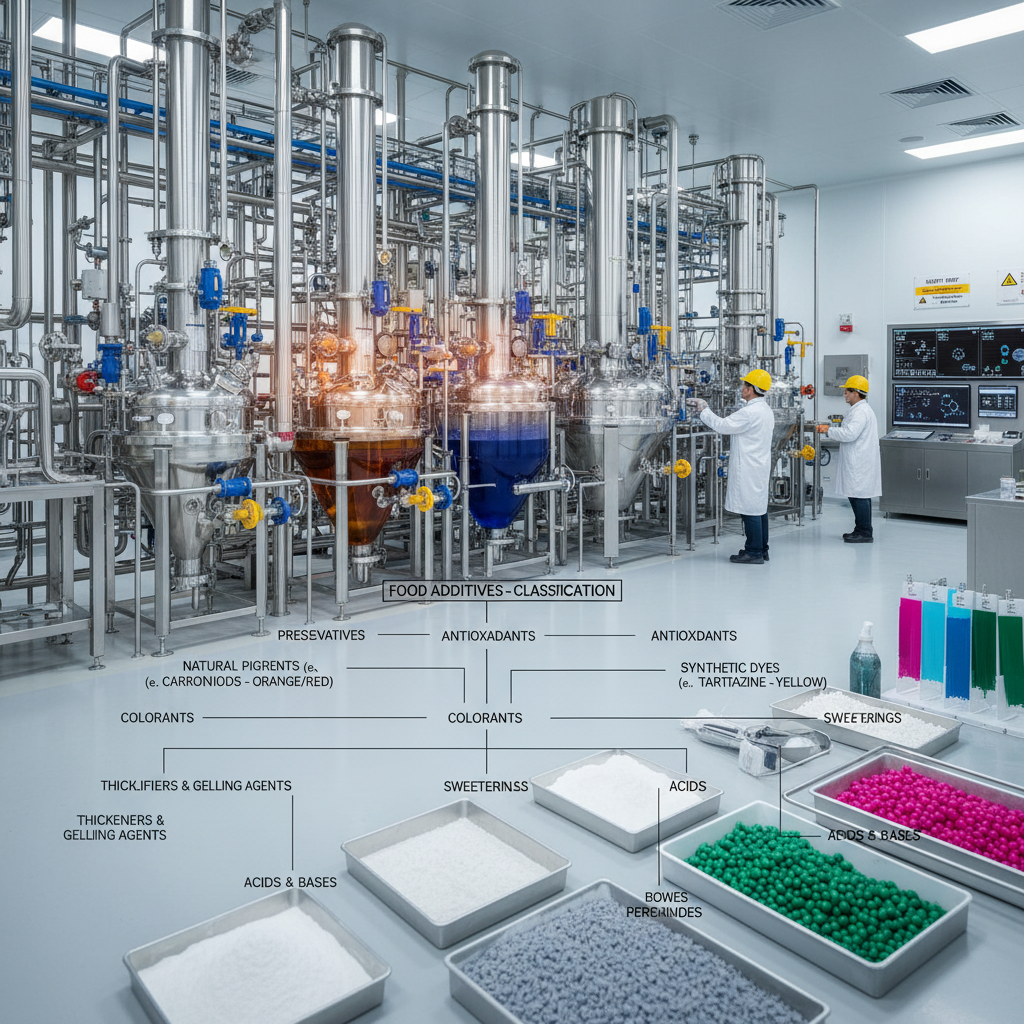
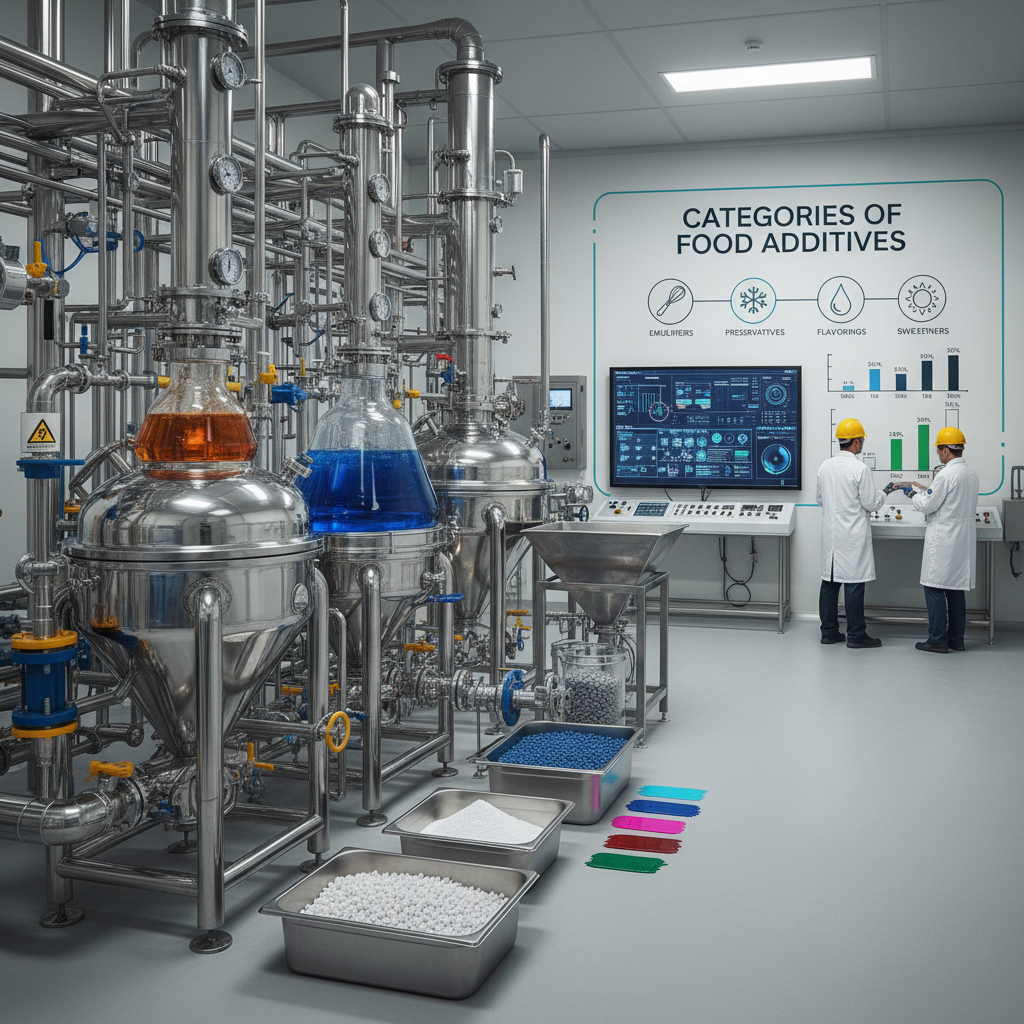
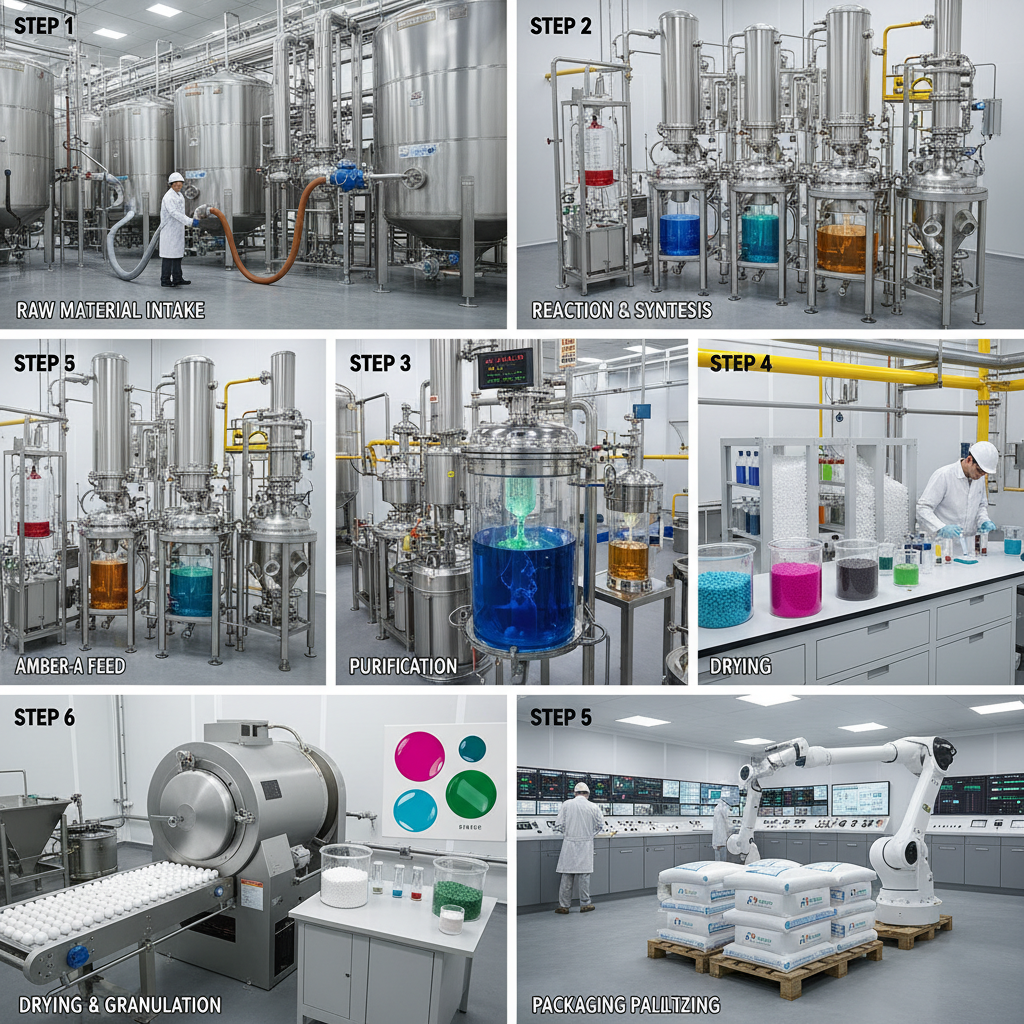
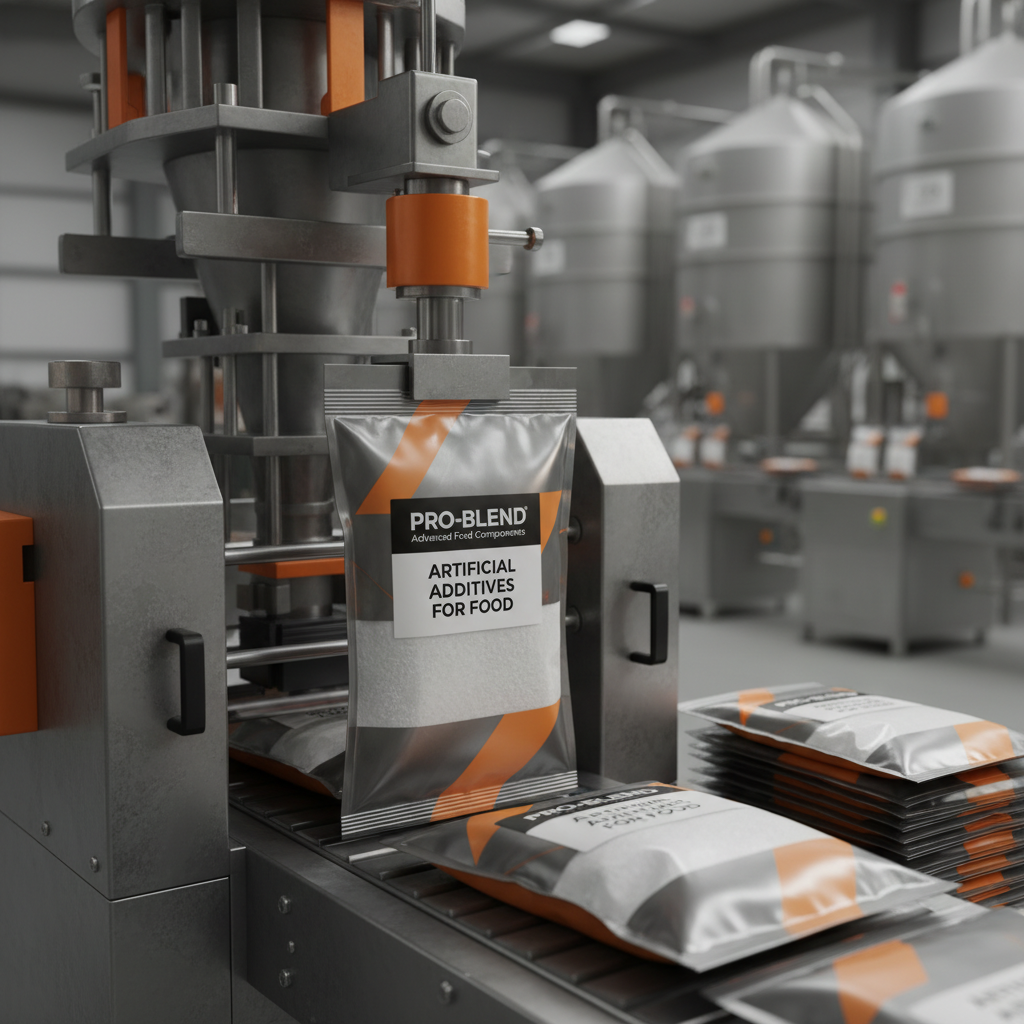
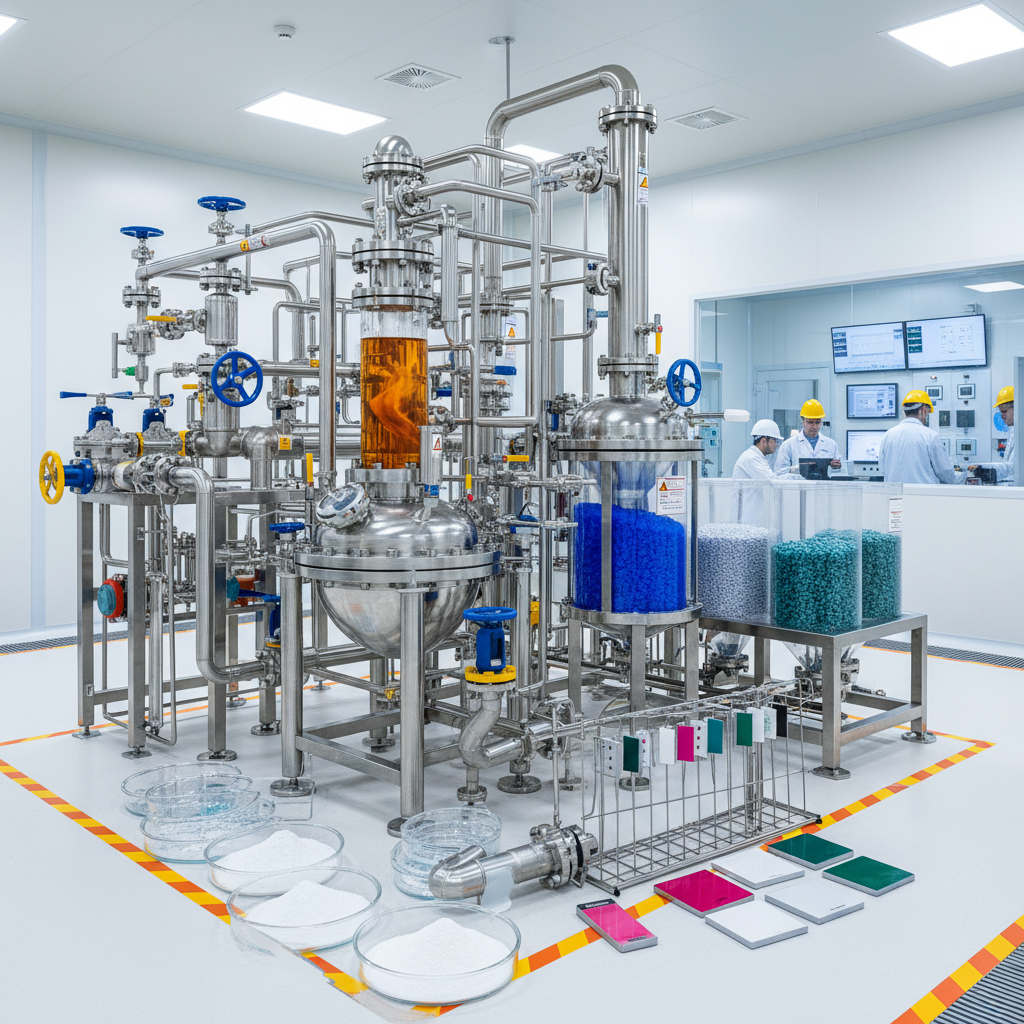
Understanding the various categories of food additives is essential for anyone involved in the modern food supply chain, from manufacturers to quality control specialists. These substances are not merely "chemicals" but are sophisticated tools used to ensure food safety, maintain nutritional value, and provide the sensory experiences that consumers expect in a globalized market.
Across the globe, the strategic application of these additives allows for the reduction of food waste by extending shelf life and stabilizing ingredients during transport. By categorizing these substances based on their functional properties, the industry can standardize production and ensure that every product meets rigorous international safety guidelines, such as those set by the Codex Alimentarius.
Ultimately, mastering the different categories of food additives empowers brands to innovate—creating cleaner labels while maintaining the high performance of their products. Whether it is improving the texture of a dairy alternative or preventing oxidation in oils, the right additive selection is the cornerstone of commercial food science.
Global Relevance of Food Additive Categories
In the current global economy, the systematic classification of categories of food additives is vital for maintaining the integrity of the international food trade. With population growth and the rise of urban centers, the demand for processed foods that can withstand long-distance shipping has surged. According to ISO standards and FAO guidelines, the precise use of preservatives and stabilizers is the only way to prevent large-scale food spoilage, which currently accounts for a significant percentage of global caloric loss.
The challenge lies in balancing the necessity of these additives with the growing consumer demand for "natural" ingredients. By understanding the specific roles of different categories—such as antioxidants versus emulsifiers—manufacturers can optimize their formulas to use the minimum required amount of a substance while maximizing its effect on safety and quality.
Defining the Functional Scope of Food Additives
At its most basic level, the categories of food additives refer to the grouping of substances added to food to perform specific technological functions. Unlike primary ingredients, additives are not used for their nutritional value but for their ability to alter the physical or chemical properties of the food. This includes everything from acidity regulators that prevent bacterial growth to thickeners that give a sauce its desired viscosity.
The connection to modern humanitarian needs is profound. In disaster-relief operations or in remote industrial zones where fresh produce is unavailable, the use of fortified additives and preservatives ensures that high-energy, nutrient-dense food can be stored and distributed without risk of contamination. This functional scope transforms food from a perishable commodity into a reliable resource for survival and health.
From a regulatory standpoint, defining these categories allows governments to set "Acceptable Daily Intakes" (ADIs). By grouping additives by function, regulators can monitor the total intake of specific chemical families, ensuring that the food additive landscape remains safe for the general population while enabling industrial scalability.
Core Components of Additive Classification
One of the primary drivers in the categories of food additives is Preservation Efficiency. This component focuses on the ability of antimicrobial agents and antioxidants to inhibit the growth of molds, yeasts, and bacteria, thereby extending the window of viability for a product from days to months.
Another critical aspect is Structural Stabilization. This involves emulsifiers, stabilizers, and gelling agents that prevent the separation of oil and water in sauces or maintain the airy texture of baked goods. Without this specific category of additives, many modern convenience foods would lose their appeal and consistency.
Lastly, Sensory Enhancement plays a key role. This encompasses flavor enhancers, colorants, and sweeteners. These components ensure that processed foods remain palatable and visually appealing, which is essential for consumer acceptance in a competitive retail environment where "eating with the eyes" is a psychological reality.
Industrial Applications and Efficiency
The practical application of various categories of food additives varies significantly across different sectors. In the beverage industry, acidity regulators and sweeteners are used to maintain flavor profiles across varying temperatures. Meanwhile, in the meat processing industry, curing agents and phosphates are employed to retain moisture and prevent the growth of botulism, ensuring both safety and juiciness.
Efficiency in these applications is measured by the additive's ability to work at low concentrations. The goal of any food scientist is to achieve the desired outcome—whether it be a specific viscosity or a particular shade of gold—using the smallest possible dose of the additive, thereby reducing costs and aligning with "clean label" trends.
Performance Impact of Various Categories of Food Additives
Long-Term Value of Standardized Categories
The long-term value of utilizing standardized categories of food additives lies in the predictability and reliability they bring to the manufacturing process. When a company can rely on a specific grade of emulsifier to perform identically in every batch, they reduce waste and minimize the risk of product recalls, which can be devastating to a brand's reputation and financial health.
Beyond the economic logic, there is an emotional angle: trust. When additives are transparently categorized and regulated, consumers feel more secure about what they are putting into their bodies. This trust fosters a healthier relationship between the food industry and the public, allowing for innovation in areas like plant-based proteins and functional foods.
Future Trends in Additive Innovation
The future of the categories of food additives is moving toward "bio-identical" and "natural-source" additives. We are seeing a shift where traditional synthetic preservatives are being replaced by fermented extracts or plant-derived antioxidants. This digital transformation in food science allows for molecular modeling, where researchers can predict how an additive will interact with food proteins before it ever reaches the lab.
Automation and AI are also playing a role in optimizing additive combinations. Instead of trial-and-error, AI algorithms can now analyze thousands of data points to suggest the perfect blend of stabilizers and flavor enhancers to achieve a specific texture, reducing the time-to-market for new products.
Sustainability is the overarching theme of the next decade. The industry is focusing on additives that are not only safe for consumption but are also produced via green chemistry—reducing the carbon footprint of additive manufacturing and ensuring that the raw materials are sourced ethically.
Overcoming Challenges in Additive Selection
One of the most common limitations in current practice is the "additive conflict," where two different categories of food additives counteract each other. For example, certain preservatives can interfere with the effectiveness of an emulsifier, leading to product instability. Overcoming this requires a deep, holistic understanding of food chemistry rather than treating additives as isolated ingredients.
Another challenge is the complex web of international regulations. An additive permitted in the USA may be banned in the EU. The solution lies in the adoption of "global-standard" additive lists, where manufacturers select ingredients that meet the strictest requirements of all target markets, simplifying the supply chain and reducing the risk of regulatory hurdles.
Finally, the industry must address the "perception gap." Many consumers view all additives as harmful. The solution is a move toward educational labeling—explaining why an additive is used (e.g., "Added to prevent spoilage and ensure safety") rather than just listing a chemical name.
Comparative Analysis of Core Food Additive Categories and Their Impact
|
Additive Category
|
Primary Function
|
Industry Impact Score (1-10)
|
Sustainability Level
|
| Preservatives |
Shelf-life extension |
10 |
Moderate |
| Emulsifiers |
Texture & Mixture |
8 |
High |
| Antioxidants |
Prevent Oxidation |
9 |
High |
| Stabilizers |
Consistency |
7 |
Moderate |
| Flavor Enhancers |
Palatability |
8 |
Low |
| Acidity Regulators |
pH Balance |
9 |
High |
FAQS
The most common categories include preservatives (to stop spoilage), emulsifiers (to blend oil and water), stabilizers (to maintain texture), antioxidants (to prevent rancidity), and flavor enhancers (to improve taste). Each serves a distinct technological purpose to ensure the product remains safe and appealing during its shelf life.
Yes, provided they are used within the legal limits set by regulatory bodies like the FDA or EFSA. These organizations establish the Acceptable Daily Intake (ADI) based on extensive toxicological studies. When used correctly, the categories of food additives are safe and essential for preventing foodborne illnesses.
Natural additives are derived from plants, animals, or minerals (e.g., rosemary extract as an antioxidant), whereas synthetic additives are man-made in a lab. While both can perform the same function, natural additives are often preferred by consumers for "clean label" products, though they may sometimes be less potent or more expensive.
Absolutely. Some substances are multifunctional. For instance, certain salts can act as both a preservative (by reducing water activity) and a flavor enhancer. This multifunctionality is highly valued by food scientists as it allows them to reduce the total number of ingredients in a recipe.
The transition usually involves replacing synthetic chemicals with bio-fermented alternatives or using physical processing methods (like High-Pressure Processing) to reduce the need for chemical preservatives. This requires careful reformulation to ensure that the food's safety and stability are not compromised.
Preservatives and antioxidants are the most critical for export. Preservatives inhibit microbial growth during long transit times, while antioxidants prevent fats and oils from oxidizing, which would otherwise cause "off" flavors. Together, they ensure a product tastes the same in the destination country as it did at the factory.
Conclusion
In summary, the diverse categories of food additives form the invisible backbone of the global food industry. From ensuring the structural integrity of a product via stabilizers to protecting public health through preservatives, these substances allow for a scalable, safe, and efficient food supply chain. By aligning industrial needs with regulatory safety and consumer preferences, manufacturers can create products that are both high-performing and trusted by the market.
Looking ahead, the industry will continue to evolve toward sustainability and transparency. The move toward bio-identical additives and AI-driven formulation suggests a future where food is safer and more natural than ever before. We encourage food producers to stay updated on these evolving standards to remain competitive in an increasingly health-conscious global market. Visit our website for more professional insights: www.chinaseasoning.com