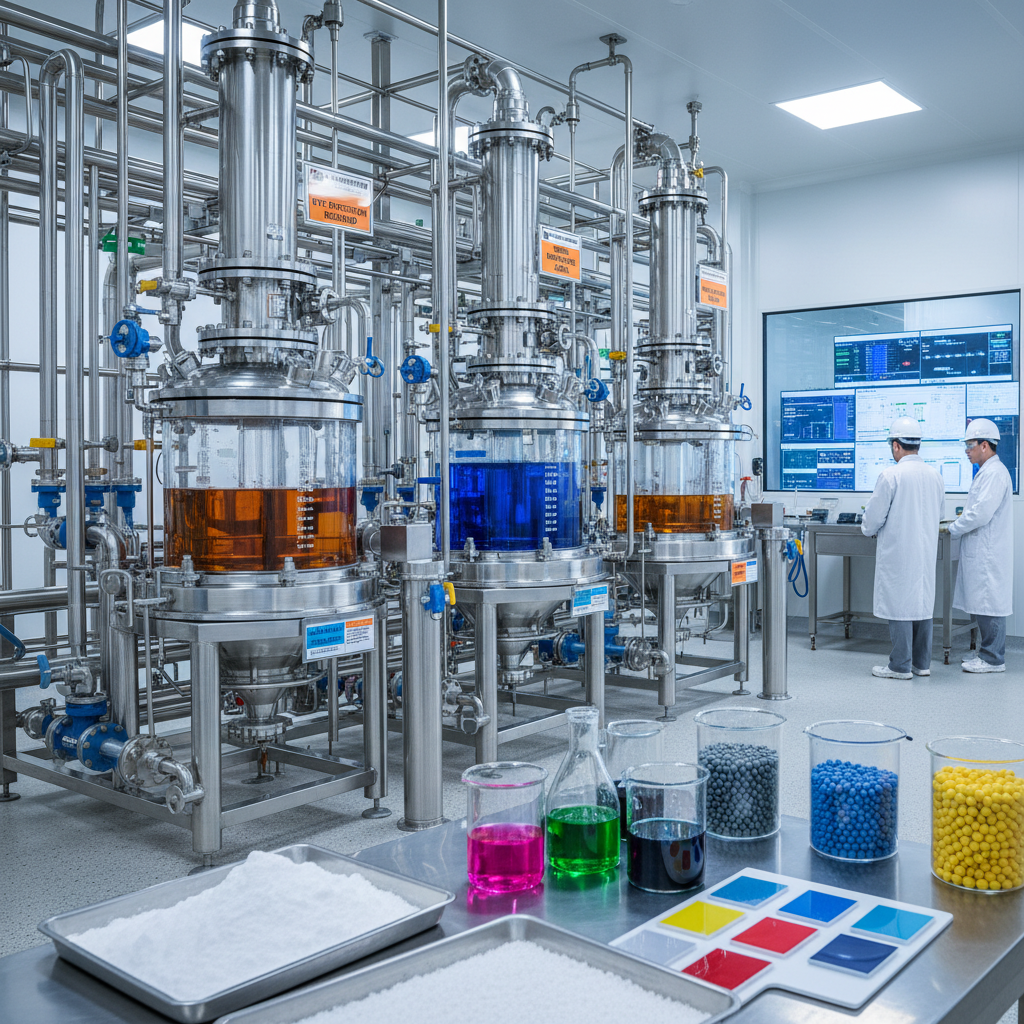
Navigating the complex landscape of modern food science requires a precise understanding of food additives names, as these substances are the invisible architects of taste, texture, and shelf-life in the global food supply chain. From the emulsifiers that keep our sauces smooth to the preservatives that prevent spoilage in transit, knowing the correct nomenclature allows manufacturers to ensure regulatory compliance and consumer safety across different international markets.
The global demand for processed foods has surged, leading to a sophisticated reliance on chemical and natural agents. Understanding specific food additives names is no longer just a requirement for chemists but a critical business asset for procurement officers and quality control managers who must distinguish between various grades of Feed Additives, Food Additives, and Pharmaceutical Intermediates.
By mastering the terminology and application of these components, companies can optimize their production costs while enhancing the nutritional profile and sensory appeal of their products. This guide provides an exhaustive look into the world of food additives, bridging the gap between technical chemical parameters and commercial viability in the competitive food manufacturing sector.
Global Standardization of Food Additives Names
The standardization of food additives names is primarily driven by the Codex Alimentarius, an international collection of standards and codes of practice. This global alignment ensures that a "preservative" in Asia meets the same safety and functional benchmarks as one in Europe, reducing trade barriers and ensuring that food safety is not compromised by linguistic misunderstandings in technical documentation.
Beyond the Codex, the use of INS (International Numbering System) allows for a universal language where a numeric code replaces complex chemical names. This system is vital for manufacturers dealing with multi-lingual labeling, as it provides a precise reference to the additive's identity regardless of the local language, effectively streamlining the import and export of food-grade chemicals.
Technical Classifications and Functional Groupings
To understand the vast array of food additives names, one must first categorize them by their primary function. Antioxidants, for instance, are designed to prevent the oxidation of fats and oils, thereby extending shelf life and maintaining the original flavor profile of the food. These are distinct from emulsifiers, which stabilize mixtures of oil and water, creating a homogenous texture in products like mayonnaise or processed creams.
Another critical grouping includes acidity regulators and stabilizers. Acidity regulators manage the pH level to ensure consistent taste and prevent microbial growth, while stabilizers maintain the physical state of a product, preventing separation or crystallization in frozen desserts and beverages. Each category requires a specific set of chemical properties to achieve the desired commercial result.
Finally, flavor enhancers and colorants represent the sensory side of additives. These substances are meticulously chosen to replace lost nutrients during processing or to make food more visually appealing to consumers. The precise selection of these components depends on the target demographic and the specific regional preferences for taste and appearance.
Impact of Regulatory Frameworks on Naming
Regulatory bodies like the FDA in the United States and the EFSA in Europe heavily influence how food additives names are presented on consumer labels. The shift toward "clean label" initiatives has forced manufacturers to move away from chemical-sounding names toward more natural-sounding descriptors, even when the chemical function remains identical.
For example, instead of listing "Sodium Nitrite," some brands may use "Celery Powder" if the nitrite is derived naturally. This nuance in food additives names reflects a growing consumer demand for transparency and perceived healthiness, requiring manufacturers to be strategic in their ingredient nomenclature.
Moreover, the distinction between "Food Additives" and "Pharmaceutical Intermediates" is strictly enforced. While some chemicals may share a similar base structure, their purity levels and intended use cases dictate entirely different naming conventions and certification requirements, such as GMP (Good Manufacturing Practice) or ISO certifications.
Performance Metrics of Common Additives
When evaluating different food additives names for a specific production line, engineers focus on efficiency, stability, and cost-effectiveness. The goal is to achieve maximum stability with the lowest possible concentration, ensuring that the additive does not alter the primary taste of the product while providing the necessary preservation or textural benefits.
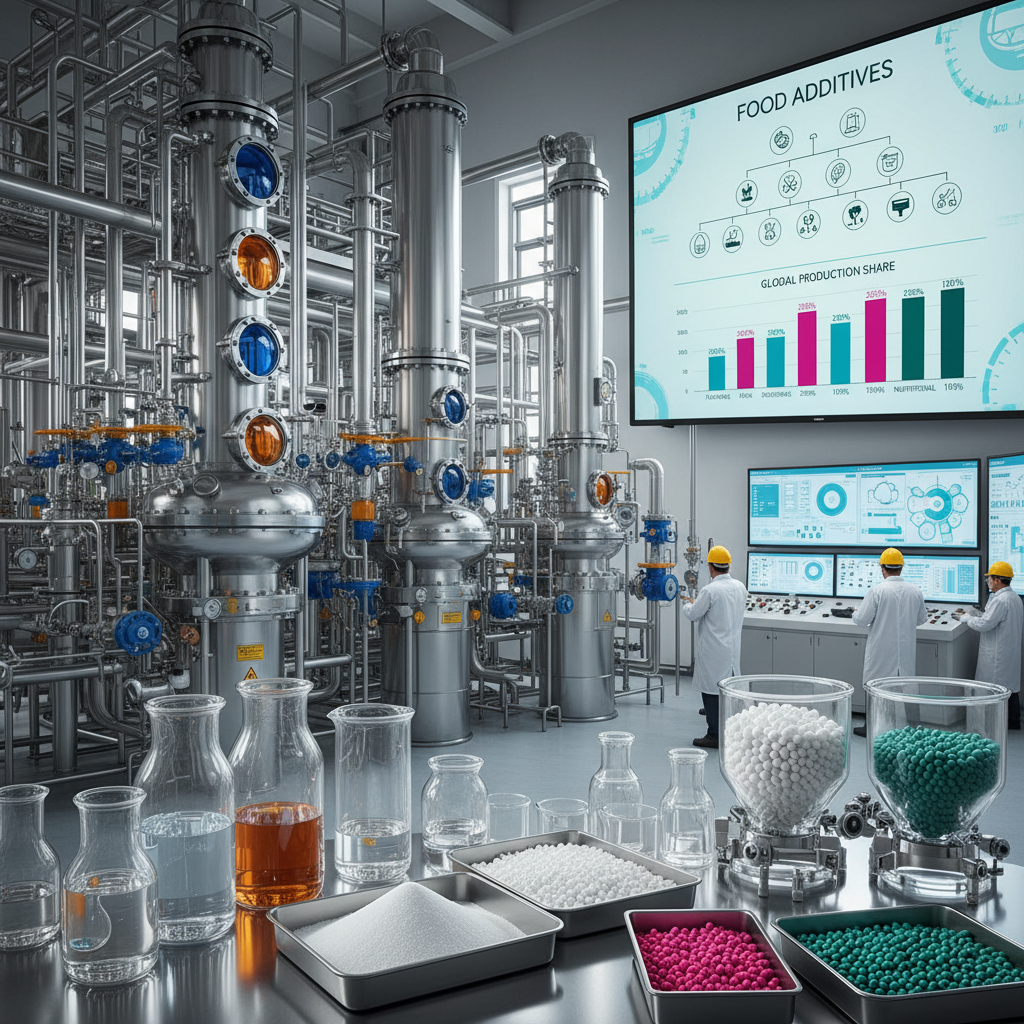
The following data represents a comparative analysis of common additive categories based on their effectiveness across different food matrices, highlighting how different naming conventions correlate with specific performance outcomes.
Efficiency Ratings of Various Food Additives Names
Industrial Applications and Global Use Cases
The practical application of food additives names varies significantly by region. In Southeast Asia, there is a high demand for acidity regulators in preserved fruits and fish sauces, whereas in North America, the focus is often on high-intensity sweeteners and stabilizers for the convenience food sector.
In specialized contexts, such as post-disaster relief operations, the use of specific preservatives is life-saving. Ready-to-eat (RTE) meals rely on a precise blend of additives to remain sterile and nutritious for years without refrigeration, demonstrating that the technical application of these substances extends far beyond simple commercial taste enhancement.
Economic Value and Long-Term Sustainability
From a commercial perspective, the strategic selection of food additives names directly impacts the bottom line. By utilizing more efficient, high-potency additives, manufacturers can reduce the volume of raw materials required, thereby lowering shipping costs and reducing the environmental footprint associated with chemical transport.
Furthermore, the shift toward "Green Additives"—those derived from plant-based or fermented sources—is creating new market opportunities. These sustainable alternatives not only appeal to the eco-conscious consumer but often provide superior stability and a cleaner taste profile compared to synthetic counterparts.
The long-term value lies in building trust. When a company is transparent about its ingredients and uses high-purity substances, it fosters consumer loyalty. Reliability in the supply chain of these additives ensures that production never halts, maintaining a steady flow of products from the factory to the global consumer.
Future Innovations in Additive Technology
The future of food additives names is being shaped by biotechnology and digital transformation. Precision fermentation is allowing scientists to create "identical-to-nature" additives that possess the exact chemical structure of natural components but are produced more sustainably in bioreactors, eliminating the need for large-scale land use.
Additionally, AI-driven formulation is optimizing the combinations of additives. Instead of trial-and-error, manufacturers can now use predictive modeling to determine which combination of emulsifiers and preservatives will provide the longest shelf life for a specific product, drastically reducing R&D timelines.
Automation in the mixing and dosing process ensures that these chemicals are integrated with micron-level precision. This eliminates human error and ensures that every batch of food produced adheres strictly to the safety limits defined by international health organizations.
Comparative Analysis of Next-Generation Food Additives
| Additive Category |
Innovation Source |
Sustainability Score (1-10) |
Market Adoption Rate |
| Bio-Preservatives |
Fermentation |
9 |
High |
| Natural Colorants |
Plant Extraction |
8 |
Very High |
| Synthetic Sweeteners |
Chemical Synthesis |
4 |
Stable |
| Nano-Emulsifiers |
Nanotechnology |
6 |
Emerging |
| Enzymatic Stabilizers |
Protein Engineering |
7 |
Moderate |
| Organic Acidulants |
Bio-catalysis |
9 |
High |
FAQS
This usually happens due to regional regulatory requirements. For instance, a substance may have a technical chemical name, a common name used in the industry, and a specific "E-number" in the European Union. The choice of name depends on whether the document is a technical specification, a customs declaration, or a consumer-facing ingredient list.
The best approach is to cross-reference the additive's INS number or chemical name with the Codex Alimentarius or your local food authority's database (such as the FDA's GRAS list). Professional suppliers usually provide a Certificate of Analysis (CoA) that specifies the purity and regulatory compliance for various global markets.
While the chemical structure may be identical, pharmaceutical intermediates are produced under much stricter purity standards and tighter controls. Pharmaceutical grade requires more rigorous testing for impurities and contaminants, making them more expensive and suitable for medical applications, whereas food grade focuses on safety for ingestion at general dietary levels.
Not necessarily. While natural additives often appeal more to consumers, synthetic versions are sometimes more stable, more potent, and more consistent in quality. The "best" choice depends on the specific goal—whether it is a "clean label" marketing advantage or a need for extreme shelf-life stability in harsh climates.
The transition requires substituting synthetic food additives names with their natural equivalents, such as using rosemary extract instead of BHA for antioxidant properties. This often requires adjusting the concentration, as natural alternatives may have different potency levels, and requires rigorous stability testing to ensure the product's lifespan remains unchanged.
Absolutely not. Feed additives are formulated for the digestive systems and nutritional needs of livestock and are produced under different safety standards. Using feed-grade chemicals in human food is a severe regulatory violation and a major health risk. Always ensure your supplier specifies "Food Grade" for any human consumption products.
Conclusion
In summary, the mastery of food additives names is fundamental to any successful operation in the food manufacturing industry. From ensuring the stability of a product via the correct emulsifier to navigating the legal complexities of international labeling, the precise identification and application of these substances determine the quality, safety, and commercial viability of the end product.
As the industry moves toward a future defined by biotechnology and consumer transparency, the ability to blend technical efficiency with "clean label" appeal will be the primary competitive advantage. We encourage manufacturers to invest in high-purity additives and stay updated on global regulatory shifts to ensure their products remain safe and desirable. Visit our website: www.chinaseasoning.com