Understanding how to use bouillon cubes is more than just a kitchen hack; it is about mastering the art of rapid flavor intensification. For millions of home cooks and industrial food processors globally, these concentrated bursts of savory essence provide a consistent baseline of taste that would otherwise require hours of simmering bones and aromatics.
From a global perspective, the efficiency of bouillon represents a intersection of food science and convenience. By dehydrating stocks into stable cubes, the food additive industry has enabled high-quality seasoning to reach remote areas and fast-paced urban environments alike, ensuring that nutrient-dense, flavorful meals are accessible regardless of available preparation time.
Whether you are a professional chef looking to standardize a base or a home enthusiast experimenting with fusion cuisine, learning the nuances of how to use bouillon cubes effectively can significantly reduce waste, lower food costs, and elevate the overall sensory profile of your culinary creations.
The Fundamentals of Bouillon Integration
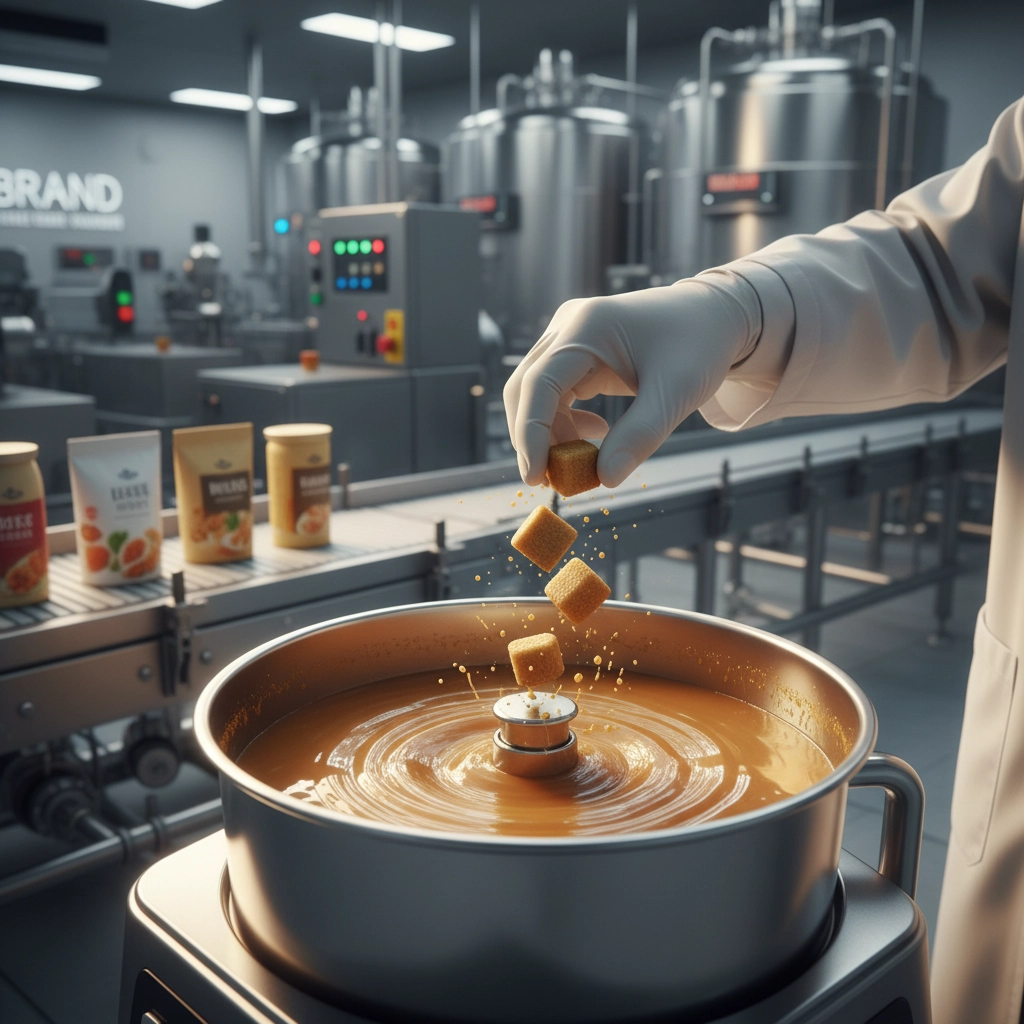
At its core, mastering how to use bouillon cubes begins with understanding the medium of dissolution. Most users simply drop a cube into boiling water, but for a truly professional result, the cube should be integrated into a fat or a concentrated liquid first. This prevents "flavor pockets" and ensures that the seasoning is evenly distributed across the entire volume of the dish.
Furthermore, the timing of integration is critical. Adding the cube at the start of a long simmer allows the chemical compounds to meld with other fresh ingredients, whereas adding it toward the end acts as a "brightener" to punch up the savory notes. This versatility makes the bouillon cube an essential tool in both small-scale kitchens and large-scale food additive manufacturing.
Technical Dimensions of Flavor Solubility
The science behind how to use bouillon cubes involves the rapid breakdown of compressed salts, MSG, and dehydrated extracts. Temperature plays a pivotal role; water above 80°C is generally required to fully break the crystalline structure of the cube, ensuring that no gritty residue remains at the bottom of the pot.
Another technical aspect is the interaction between the cube and the lipids in a recipe. Since many bouillon cubes contain small amounts of vegetable fats to keep the ingredients bound, they emulsify better when whisked into a sauce or melted in butter. This technique, often used in high-end catering, creates a richer mouthfeel than simple water dissolution.
Finally, scalability is a key concern for industrial users. When transitioning from a single cube to bulk pharmaceutical-grade intermediates or food additives, the ratio of liquid to concentrate must be precisely calibrated to avoid over-salting, which is the most common failure when users ignore the technical guidelines of bouillon application.
Optimizing the Salt-to-Umami Ratio
One of the most sophisticated parts of how to use bouillon cubes is balancing the sodium levels. Because cubes are highly concentrated, they often contain a significant portion of the daily recommended salt intake, which can overpower the natural flavors of fresh vegetables or proteins.
To optimize this, experts suggest "under-dosing"—using only 70% of a cube and supplementing the remaining flavor with fresh herbs or a splash of acid (like lemon juice). This method allows the umami properties of the bouillon to shine without the harshness of excessive salt, demonstrating a professional approach to how to use bouillon cubes in gourmet cooking.
Moreover, the synergy between bouillon and other food additives, such as yeast extracts or hydrolyzed vegetable proteins, can create a complex flavor profile. By understanding this chemical synergy, manufacturers can create "hybrid bases" that offer the convenience of a cube with the complexity of a 24-hour bone broth.
Efficiency Metrics in Commercial Applications
In the commercial food sector, the decision of how to use bouillon cubes is often driven by cost-benefit analysis and labor reduction. Preparing traditional stocks in massive quantities requires significant energy, water, and refrigeration space. Bouillon cubes eliminate these overheads, providing a shelf-stable alternative that maintains a consistent flavor profile across different batches.
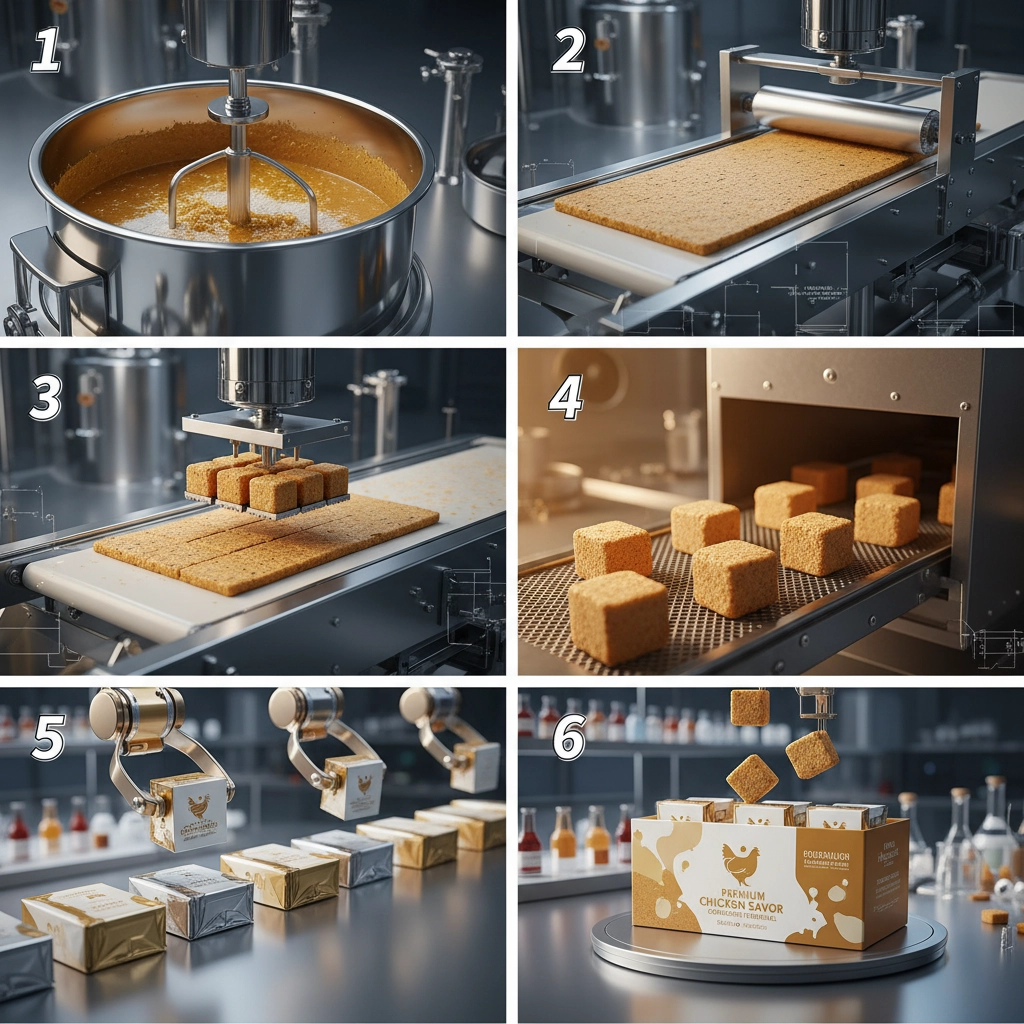
From a production standpoint, the integration of these cubes into automated systems allows for precise dosing, which reduces ingredient variance. This reliability is why bouillon is a staple in the "Hot Products" category of food additive distribution, as it provides a predictable ROI for industrial kitchens.
Comparative Efficiency of Bouillon Application Methods
Global Use Cases in Humanitarian Logistics
Beyond the kitchen, the logic of how to use bouillon cubes is vital in post-disaster relief and humanitarian aid. In environments where fresh water is scarce and electricity is unavailable, bouillon cubes provide a high-density source of electrolytes and flavor that can make bland emergency rations palatable, which is essential for psychological well-being in crisis zones.
International NGOs often prioritize bouillon because of its extreme durability and low shipping weight. By distributing these concentrates, agencies can provide the means for displaced populations to create warm, savory meals from basic grains and legumes, effectively transforming raw calories into nourishing food with minimal resources.
Long-term Value and Economic Sustainability
The long-term economic value of understanding how to use bouillon cubes lies in waste reduction. Traditional stock production involves simmering large quantities of organic material, much of which is discarded after the essence is extracted. Bouillon, manufactured through precision food additive processes, ensures that nearly 100% of the product is utilized.
Sustainability is also reflected in the reduced carbon footprint associated with transporting dehydrated cubes versus liquid stocks. The massive reduction in weight and volume translates to fewer shipping containers and lower fuel consumption, aligning the food industry with global green initiatives.
Furthermore, for small business owners, the reliability of bouillon cubes means less volatility in food costs. While the price of fresh beef or chicken bones can fluctuate wildly based on market conditions, industrial-grade bouillon provides a stable price point, allowing for more accurate financial forecasting in the food service sector.
Future Innovations in Compressed Seasonings
Looking forward, the evolution of how to use bouillon cubes is being driven by "Clean Label" trends. Future innovations are focusing on removing artificial fillers and replacing them with natural binders like tapioca starch or pea protein, catering to a health-conscious global demographic that demands transparency in food additives.
Digital transformation is also entering the space. We are seeing the rise of "Smart Seasoning" kits where the bouillon concentration is paired with QR codes that provide dynamic recipes based on the user's regional ingredients. This ensures that the application of the cube is optimized for the specific cultural context of the consumer.
Finally, the industry is moving toward biodegradable packaging. The shift from foil-plastic laminates to compostable films means that the convenience of bouillon will no longer come at an environmental cost, ensuring that this essential food tool remains viable for future generations.
Analysis of Bouillon Application across Different Culinary Scales
| Application Scale |
Primary Goal |
Recommended Method |
Efficiency Rating |
| Home Kitchen |
Flavor Enhancement |
Direct Dissolution |
8/10 |
| Bistro/Cafe |
Consistency |
Butter-Base Melt |
9/10 |
| Industrial Canteen |
Cost Control |
Bulk Water Bath |
10/10 |
| Relief Operation |
Nutritional Palatability |
Cold/Warm Mix |
7/10 |
| Food Mfg Plant |
Standardization |
Vacuum Integration |
10/10 |
| Specialty Catering |
Complexity |
Hybrid Infusion |
9/10 |
FAQS
While bouillon is designed for heat, you can use it in cold dishes by creating a "concentrate" first. Dissolve the cube in a very small amount of boiling water to create a thick syrup, then whisk this syrup into your cold dressing or marinade. This avoids the grainy texture of undissolved salt crystals.
The best strategy is to omit additional salt from your recipe until the very end. Since bouillon cubes are primary sources of sodium, let them provide the base seasoning. Taste your dish after the cube has fully integrated, and then add salt only if absolutely necessary.
From a nutritional standpoint, homemade stock offers more collagen and minerals. However, modern bouillon cubes fortified with food additives can provide a consistent source of flavor and electrolytes. For a healthier version, look for "Low Sodium" or "Organic" certified bouillon products.
Due to their low moisture content and high salt concentration, bouillon cubes have an exceptional shelf life. If kept in an airtight container in a cool, dry place, they typically remain potent for 12 to 24 months. Avoid storing them near steam to prevent clumping.
Yes, they are functionally identical. Usually, one cube is equivalent to about one tablespoon of powder. Powder is often preferred in industrial settings as it integrates faster into liquids without requiring the physical breakdown of a compressed cube.
Chicken bouillon is widely considered the most versatile due to its neutral yet savory profile, making it suitable for everything from creamy soups to vegetable stir-fries. Beef is better for deep, hearty stews, while vegetable bouillon is essential for plant-based applications.
Conclusion
Mastering how to use bouillon cubes is a journey from simple convenience to technical precision. By understanding the mechanics of solubility, balancing sodium levels, and leveraging the economic benefits of compressed seasonings, both home cooks and industrial manufacturers can achieve professional-grade results with minimal effort. The ability to standardize flavor while reducing waste makes the bouillon cube an indispensable asset in the global food chain.
As we look toward a future of sustainable and clean-label food production, the role of high-quality food additives will only grow. We encourage culinary professionals and procurement officers to explore the balance between efficiency and authenticity. For premium seasoning solutions and industrial-grade additives, visit our website: www.chinaseasoning.com.