


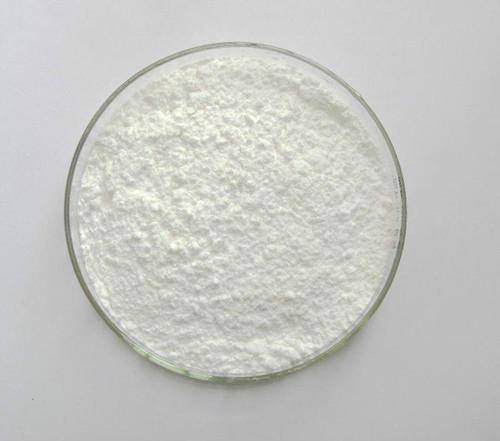
Dl-Methionine
Suitable for preventing and treating liver diseases and arsenic or benzene poisoning, as well as for treating malnutrition caused by protein deficiency after dysentery and chronic infectious diseases.
Nutritional supplements. The physiological effect of L-methionine is the same as that of L-methionine, but its price is low (L-type is made from DL type), so DL methionine is generally used. Restricted amino acids are found in plant-based foods such as oats, rye, rice, corn, wheat, peanut flour, soybeans, potatoes, spinach, etc. Add to the above foods to improve amino acid balance. The requirement varies with the intake of cystine. The requirement for adult males is 1.1g/d.
The taste of sea urchins is related to methionine, the sweetness of sea urchins is related to glycine and alanine, the bitterness is related to valine, and the freshness is related to glutamate. Therefore, these amino acids can be formulated as seasoning agents.
It is still used for amino acid infusion and comprehensive amino acid preparations.
Can be used as a spice.
This product is a feed nutrient enhancer. Lack of methionine in livestock and poultry can lead to stunted development, weight loss, weakened liver and kidney function, muscle atrophy, and fur deterioration. Adding 1kg of methionine to the feed is equivalent to the nutritional value of 50kg of fish meal. The general addition amount in feed is 0,05% -0.2%.
The content of commercial methionine is ≥ 98.5%, which is one of the essential amino acids for the growth of poultry and livestock. It is the “skeleton” amino acid for biosynthetic proteins and has a strong regulatory effect on animal metabolism. It is widely used in fields such as medicine, food, feed, and cosmetics. In terms of medicine, it can be used as the main component of amino acid infusion and composite amino acids, and can also be used to synthesize medicinal vitamins. By utilizing its anti fatty liver effect, it can be used to produce liver protective preparations; In terms of food, it can be used as a nutritional supplement for amino acid fortification and processing of food health products. Due to its special odor, it is only used for fish cake products; In the feed industry, the amount of methionine is the largest, used as a nutritional enhancer for feed and as a feed additive to compensate for amino acid balance. Among the varieties of amino acid nutritional feed additives, methionine accounts for 60%, lysine accounts for 30%, and other amino acids account for about 10%.
Specification:
|
Content |
99.0%-101% Min |
|
Sulfate |
200ppm Max |
|
Losing on Drying |
0.5%Max |
|
Residue on ignition |
0.1% Max |
|
Chloride |
200ppm Max |
|
Heavy metals |
10ppm Max |
|
PH |
5.4-6.1 |
- Previous: Food Grade Thickeners 80/200 Mesh Xanthan Gum Powder
- Next: This is the last article
59 51 8
di methionine
dl methionine 500 mg 1000 tablets
dl methionine 500mg
dl methionine 99
dl methionine powder
what does l methionine do for the body
-
Enhancing CrossBorder Trade SEO with Strategic Yellow Bread Crumbs Implementation
Apr,07,2026 -

Enhancing CrossBorder SEO with Strategic White Bread Crumbs Implementation
Apr,04,2026 -
Comprehensive Guide to Sapp Food Grade Applications and Quality Control
Mar,31,2026 -
Comprehensive Guide to Disodium Carbonate with CAS No 7758169 Properties and Applications
Mar,28,2026 -
Comprehensive Guide to Na2H2P2O7 Applications Trade and Safety Considerations
Mar,26,2026 -
Exploring the Versatile World of Sapphires Properties Applications and Sourcing
Mar,24,2026 -
Understanding Disodium Pyrophosphate Applications and Industrial Benefits
Mar,21,2026 -
Comprehensive Guide to Sodium Acid Pyrophosphate Applications and Safe Handling
Mar,19,2026