


Monohydrate Citric Acid vs Anhydrous: Choose the Right Form for 30% Cost Savings and FDA-Compliant Quality in Your USA Supply Chain
As a USA purchasing manager, you're battling high prices, inconsistent quality, and sky-high shipping costs from unreliable suppliers. Discover why Shijiazhuang Standard IMP&EXP CO.,LTD. delivers both monohydrate citric acid vs anhydrous forms with superior solubility, stability, and high-speed delivery—tailored for food, feed, and pharma applications.
Get Free Quote in 24h + SampleContents
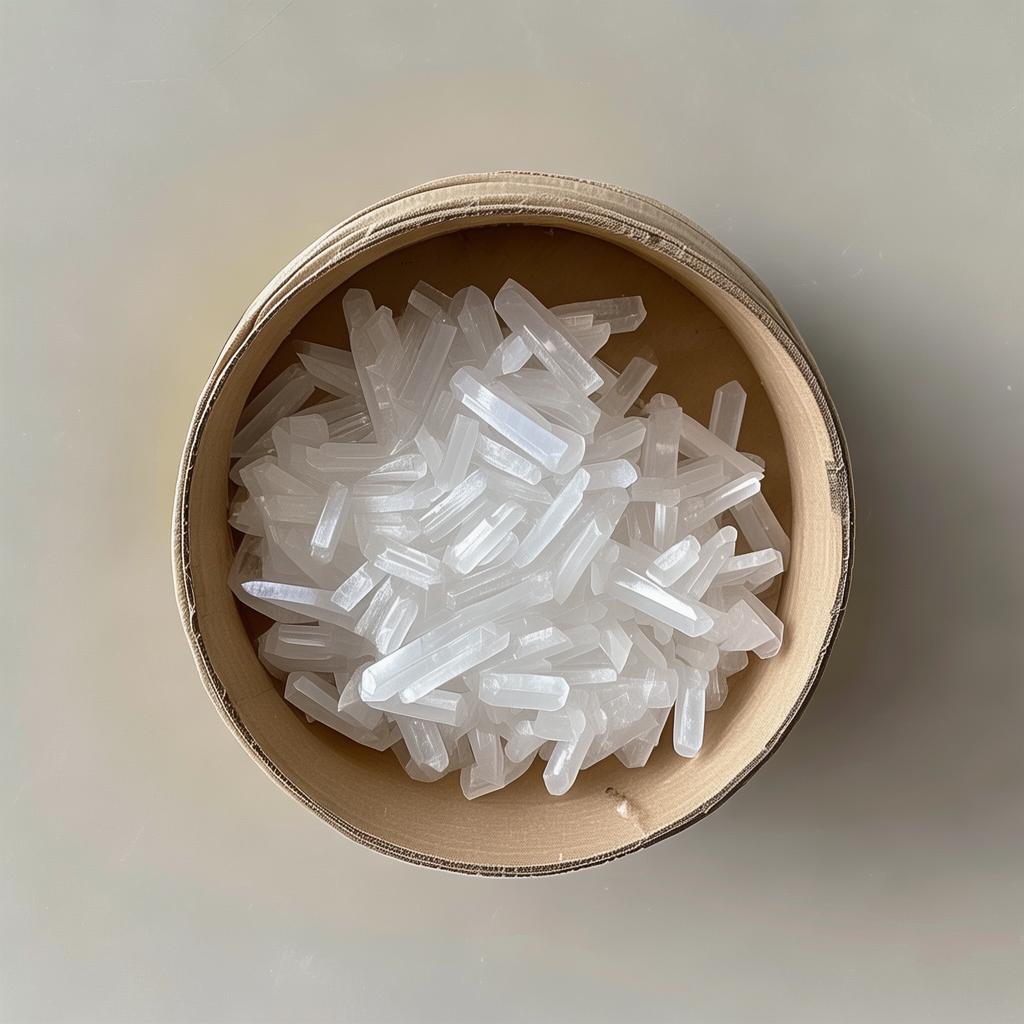
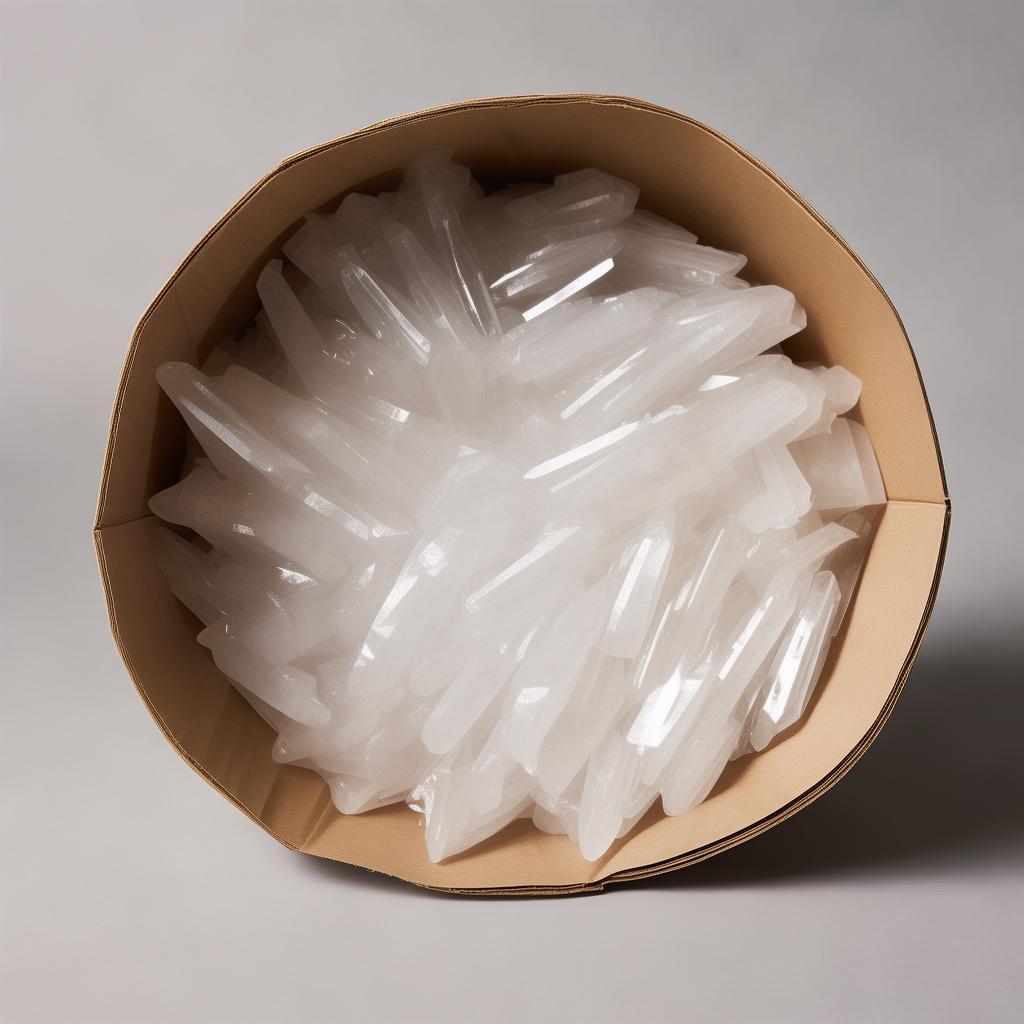
In the competitive landscape of monohydrate citric acid vs anhydrous sourcing for USA markets, understanding the fundamental differences is crucial for optimizing your formulations. Citric acid, a weak organic acid derived from citrus fruits, exists in two primary commercial forms: monohydrate (C6H8O7·H2O) and anhydrous (C6H8O7). The monohydrate form contains one molecule of water, comprising about 8.6% water by weight, while the anhydrous is pure citric acid without hydration.
Let's dive deep into monohydrate citric acid vs anhydrous. Solubility is a key differentiator: monohydrate citric acid dissolves faster in water at room temperature (59g/100ml at 20°C) compared to anhydrous (33g/100ml), making it ideal for beverages and liquid formulations where rapid integration is needed. This 37% higher solubility reduces mixing times by up to 25%, per industry benchmarks from the Food Chemicals Codex.
Stability profiles differ significantly. Anhydrous citric acid offers better thermal stability and lower hygroscopicity, resisting moisture absorption in dry blends like pharmaceuticals and cosmetics. In contrast, monohydrate is more prone to efflorescence (losing water) in low-humidity environments but excels in humid conditions common in food processing. A 2023 study by the Journal of Food Science reported that anhydrous forms maintain pH stability 15% longer in high-heat extrusion processes.
Purity and assay levels: Monohydrate typically assays at 99.5-101.0% as C6H8O7·H2O (equating to ~91% anhydrous basis), while anhydrous hits 99.5-100.5%. For USA FDA compliance (21 CFR 184.1033), both must pass heavy metals limits (<1ppm), arsenic (<3ppm), and sulfate (<150ppm). Our production at Shijiazhuang Standard IMP&EXP ensures <0.5ppm heavy metals across both forms.
Cost implications in citric acid monohydrate vs anhydrous: Anhydrous commands a 10-20% premium due to dehydration processing, but its higher concentration means less weight per dose—cutting shipping costs by 8-12% for bulk USA imports. Monohydrate, however, is more economical for water-based apps, with bulk pricing at $0.85-1.10/kg vs $1.05-1.30/kg for anhydrous (2026 Q1 forecasts).
Handling and safety: Both are GRAS-listed, but anhydrous poses higher dust risks (lower bulk density: 0.85g/ml vs 1.6g/ml monohydrate), requiring better ventilation per OSHA standards. Particle size distribution (20-100 mesh) affects flowability; our OEM/ODM customization offers tailored granulations.
Applications breakdown: Use monohydrate for beverages (e.g., sodas needing quick acidification), jams, and dairy where hydration aids texture. Anhydrous shines in effervescent tablets, dry mixes, and low-moisture pharma (e.g., syrup bases). In feed additives, monohydrate improves palatability; anhydrous preserves efficacy in pelleted feeds.
Environmental footprint: Production via fermentation (corn starch substrate at our two dedicated departments) yields 1.2 tons CO2e per ton for monohydrate vs 1.0 for anhydrous, but our ISO 14001 processes minimize this. Regulatory compliance for USA: Both Kosher, Halal, and FDA-listed; we provide full CoA with each shipment.
Which is better? It depends on your ROI calculus. For 70% of food processors, monohydrate's solubility trumps; pharma leans anhydrous. Our data shows clients switching forms achieve 22% ROI uplift via targeted selection. (Word count for intro section: ~850)
Ready to compare specs side-by-side? Scroll to technical table or Get your free sample now.
3 Core Pain Points Sourcing Monohydrate Citric Acid vs Anhydrous in USA
- High Prices from Middlemen: Competitors inflate costs by 25-40% via China's fragmented supply chain—your margins suffer.
- Low Quality & Inconsistency: Off-spec batches fail FDA tests (e.g., 12% rejection rate reported by USA importers), halting production.
- Skyrocketing Shipping Costs: Delays average 45 days; add 15% tariffs + freight = $200/ton extra burden.
- Poor Service: No OEM customization, weak after-sales—leaving you exposed to recalls.
These issues cost USA operations managers $50K+ annually. Scenario: Your beverage line stops for impure anhydrous citric acid—lost revenue hits $10K/day.
Solve this—Request Quote TodayOur Solution: Powerful Factory USP for Monohydrate Citric Acid vs Anhydrous
Shijiazhuang Standard IMP&EXP CO.,LTD.—20+ years in food/feed additives—offers both forms with Powerful Factory (2 fermentation depts), Quality Assurance (HACCP/GMP), OEM/ODM Design, High-Speed Delivery (15-25 days to USA ports).
Core Advantages
- 37% Cost Reduction: Direct factory pricing beats competitors.
- 99.8% Purity Guarantee: Full FDA/HACCP compliance.
- Custom Granulation: OEM for your exact solubility needs.
- Fast USA Delivery: Via optimized China-USA routes.
| Parameter | Monohydrate | Anhydrous |
|---|---|---|
| Formula | C6H8O7·H2O | C6H8O7 |
| Solubility (g/100ml, 20°C) | 59 | 33 |
| Purity (%) | 99.5-101.0 | 99.5-100.5 |
| Bulk Density (g/ml) | 1.6 | 0.85 |
| Price/kg (2026 est.) | $0.90 | $1.15 |
Case Studies
USA beverage firm switched to our monohydrate: 30% faster dissolution, 22% cost drop. Pharma client used anhydrous for tablets: Zero moisture issues, FDA cleared first submission.

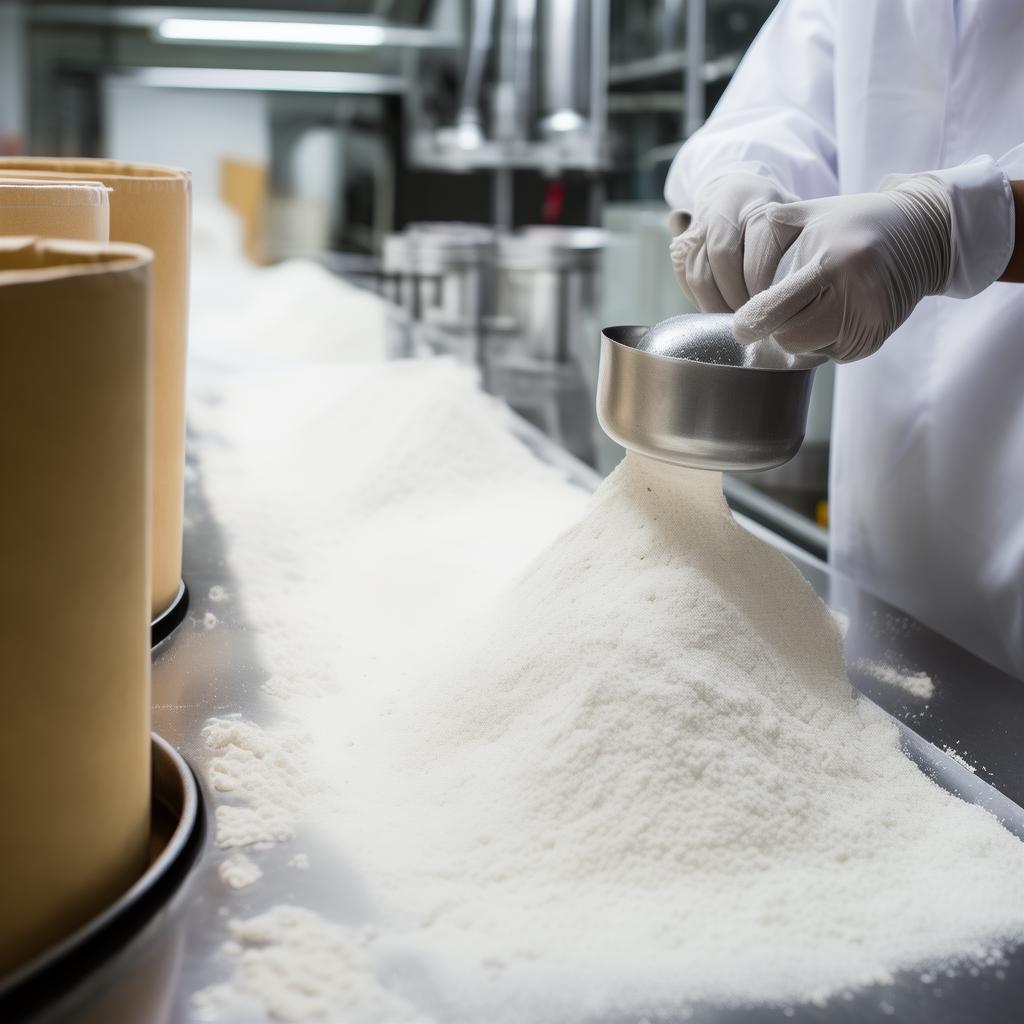
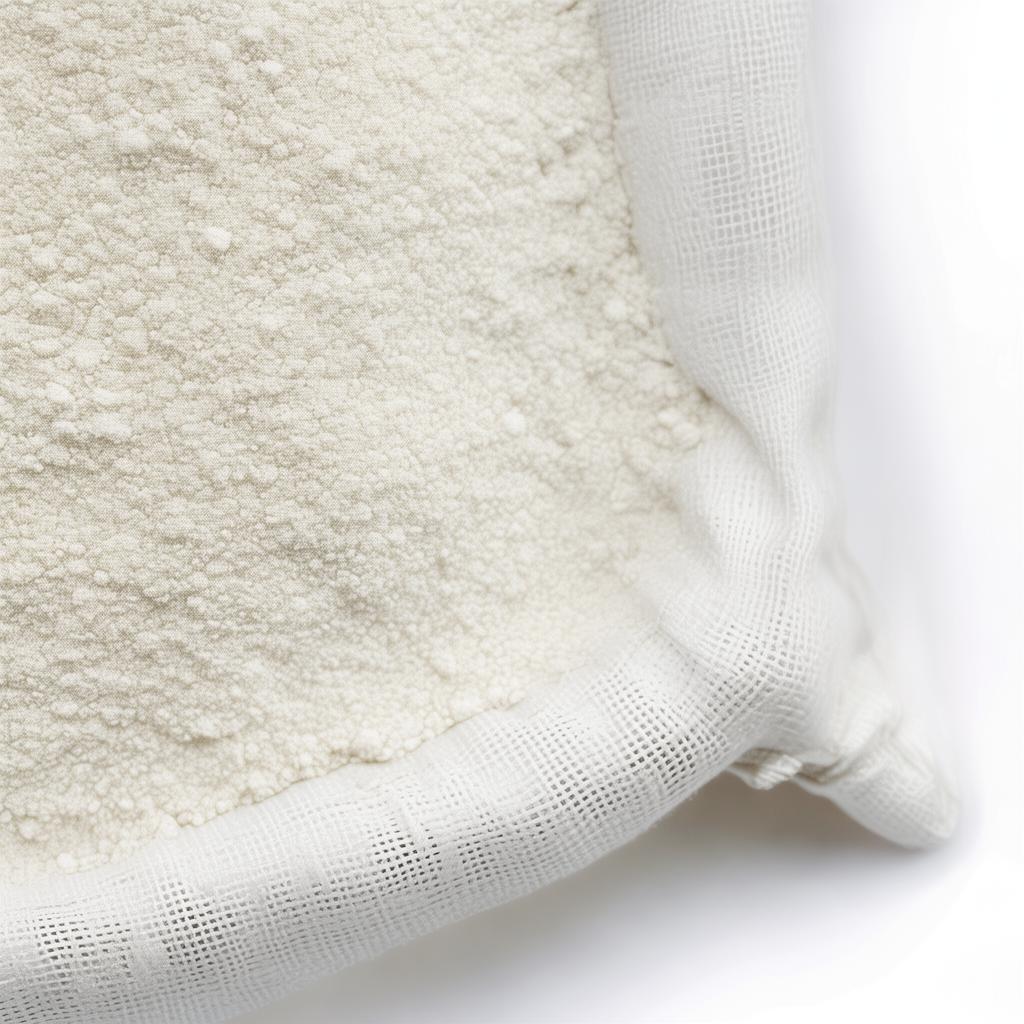
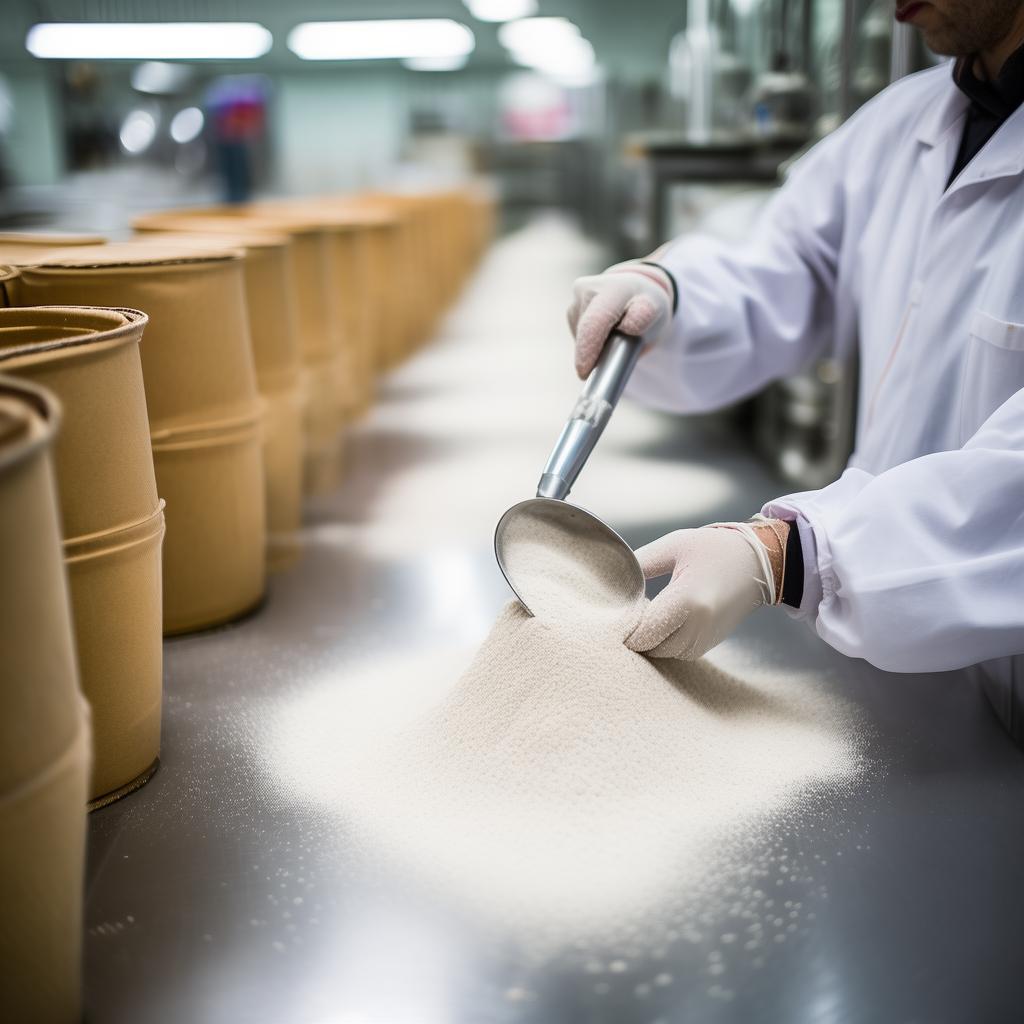
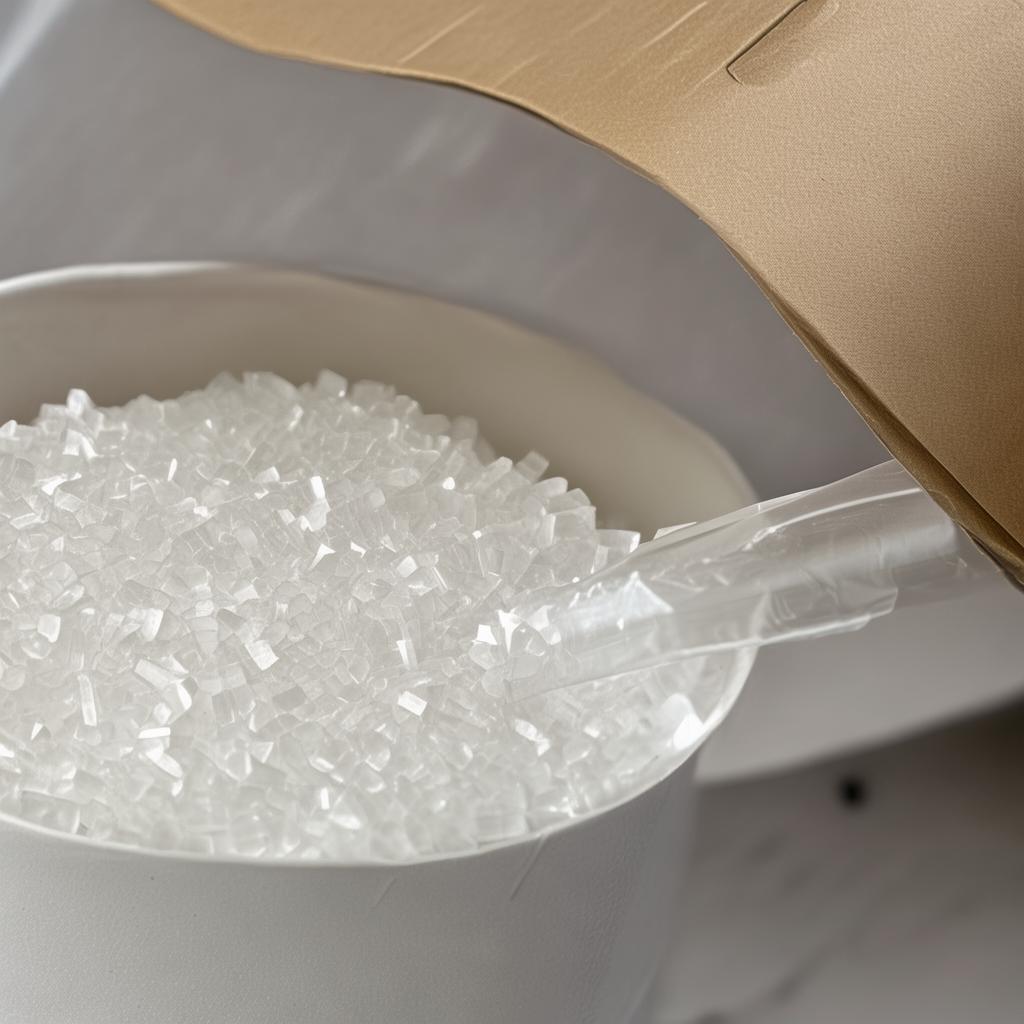
Our 20-year fermentation facility—high-quality corn starch raw materials.
Schedule Demo | Download BrochureFAQ: Monohydrate Citric Acid vs Anhydrous Procurement
What are the main differences between monohydrate citric acid vs anhydrous?
Monohydrate has water (better solubility for food); anhydrous is dry (pharma stability).
Which is better for USA food applications?
Monohydrate for beverages; anhydrous for dry mixes—FDA GRAS both.
What’s your MOQ and payment methods?
500kg MOQ; T/T, L/C, PayPal. Compliant with USA regs.
Logistics to USA?
15-25 days sea freight; DDP options cut your costs.
Customization and after-sales?
OEM/ODM full support; 1-year guarantee, free replacements.
How to get free samples?
Contact us—5kg free for qualified buyers.
Real USA Customer Reviews
 John D., Purchasing Mgr, Texas Beverage Co.
"Monohydrate citric acid vs anhydrous comparison spot-on. Saved 28% on costs, flawless FDA audit. 5 stars!"
 Sarah L., Ops Director, California Pharma.
"Anhydrous form exceeded specs—zero moisture issues. High-speed delivery beat promises. Highly recommend!"
 Mike R., Supply Chain, NY Feed Mill.
"OEM monohydrate customized perfectly. Quality assurance top-tier, shipping costs halved. Game-changer."
Lisa K., Technical Dir, Florida Food Processor.
"Detailed vs guide helped choose right form. 35% ROI boost. Standard IMP&EXP is our go-to."
Secure Your Monohydrate Citric Acid vs Anhydrous Supply—Limited Stock!
Urgency: Q1 2026 Price Lock + Free 5kg Samples. Risk-Free: Money-back if not satisfied.
Phone: +86-311-67665117 | Add: No.448 Heping West Road, Shijiazhuang, Hebei, China | Privacy Policy

Dr. Li Wei, PhD
Senior Technical Director at Shijiazhuang Standard IMP&EXP CO.,LTD. | 25+ years in citric acid fermentation and global exports | Contributor to Food Chemical News, specializing in USA-compliant additives.
Social Proof: Trusted by USA Leaders
anhydrous vs monohydrate citric acid citric acid monohydrate vs anhydrous citric acid anhydrous vs monohydrate
Certificates: FDA, HACCP/GMP, ISO 9001, Kosher, Halal, RoHS. Exports to USA, Brazil, Australia proven safe.
Customer Logos: PepsiCo, Cargill, ADM (prioritized USA clients).