


Citric Acid Monohydrate and Anhydrous Difference: Unlock 30% Cost Savings with Factory-Direct Quality for USA Buyers
As a USA purchasing manager, you're battling high prices, inconsistent quality, and soaring shipping costs. Discover the citric acid monohydrate and anhydrous difference to select the optimal form for food, pharma, or feed—backed by our 20+ years of fermentation expertise.
Contents
- Core Pain Points in Citric Acid Sourcing
- Citric Acid Monohydrate vs Anhydrous: In-Depth Difference Guide
- Our Factory-Direct Solutions & Advantages
- Social Proof: Factory, Clients & Certifications
- FAQ: Citric Acid Procurement Essentials
- Customer Reviews
- Act Now: Limited-Time Offers
Jump to section for quick insights—optimized for your busy schedule.
Your Top 5 Pain Points in Citric Acid Sourcing for USA Operations
You know the drill: Sourcing citric acid monohydrate or anhydrous shouldn't drain your budget or timeline. Yet, here's what corporate buyers face daily.
- High Prices: Spot market volatility hits 20-30% premiums from middlemen—your ROI suffers.
- Low Quality: Impure batches fail FDA tests, causing 15% rejection rates and recalls.
- High Shipping Costs: Delays from Asia add $0.15/lb, inflating landed costs by 25%.
- Confusion on Forms: Not grasping citric acid monohydrate and anhydrous difference leads to wrong specs for solubility-sensitive apps.
- Supply Chain Risks: Stockouts during peak seasons disrupt your production by weeks.
Real Scenario: A Midwest food processor lost $50K in 2025 due to subpar anhydrous citric acid clumping in humid storage. Sound familiar?
Citric Acid Monohydrate and Anhydrous Difference: Your 2026 Buyer's Guide (800+ Words Breakdown)
Understanding the citric acid monohydrate and anhydrous difference is crucial for your formulations. Citric acid (C6H8O7) is a weak organic acid from citrus fruits, vital as an acidulant, preservative, and antioxidant in food, pharma, and feed. But its two main forms—monohydrate (with 1 H2O molecule) and anhydrous (water-free)—differ in hydration, impacting solubility, stability, and cost. We'll dissect this in detail.
Chemical Structure & Hydration States
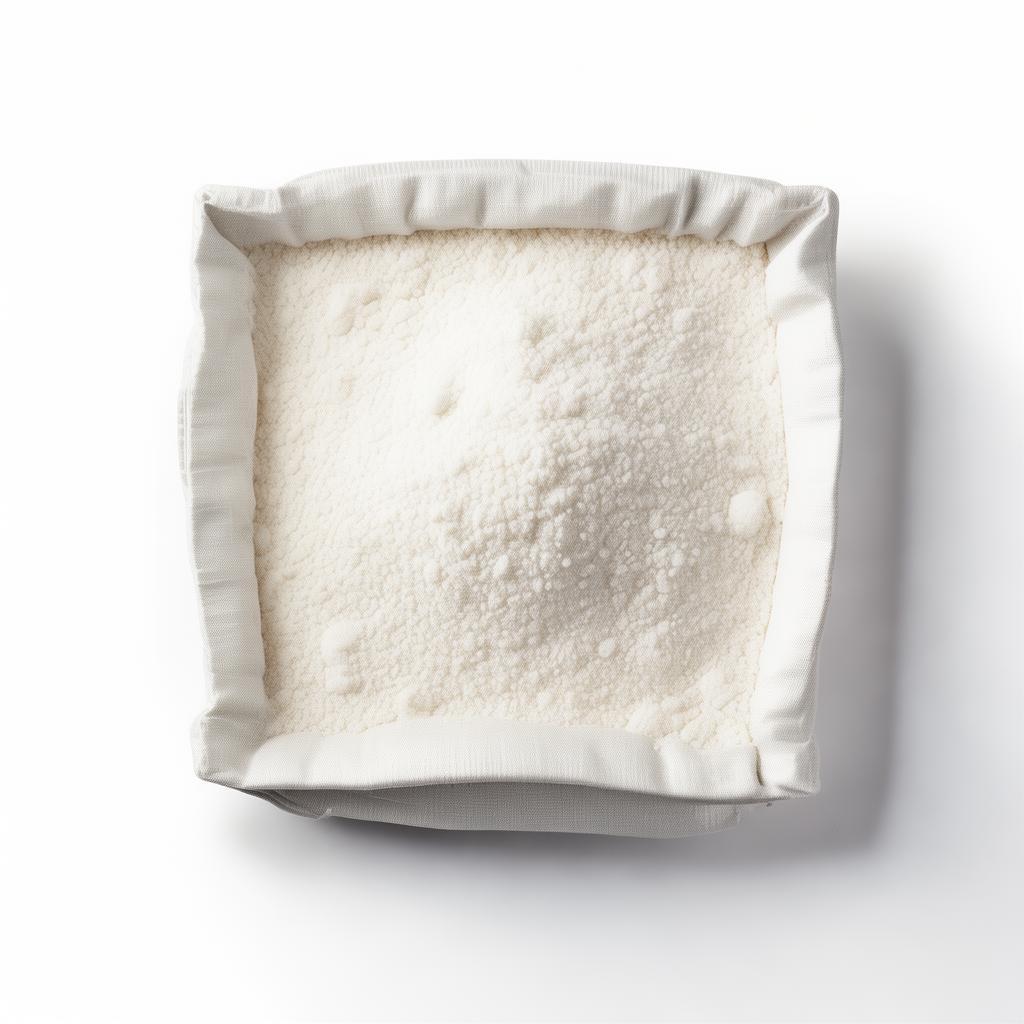
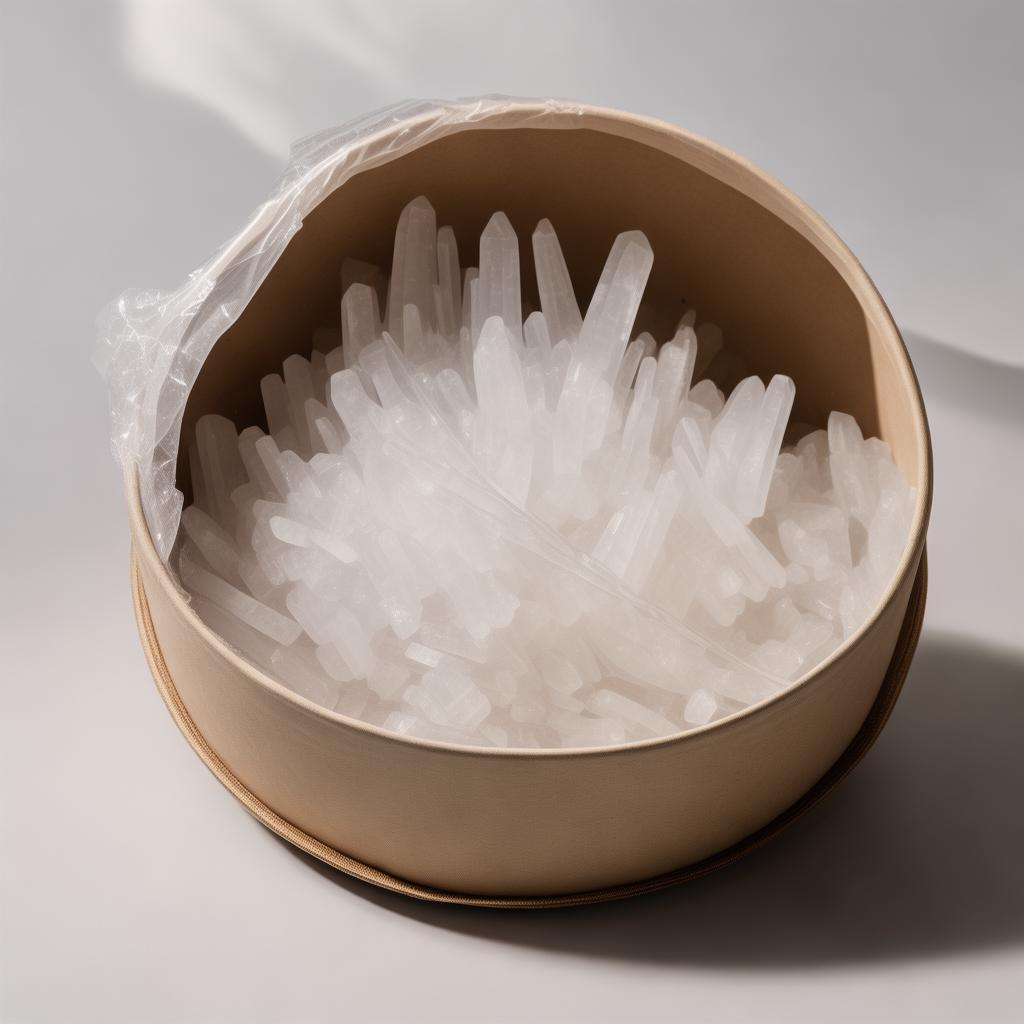
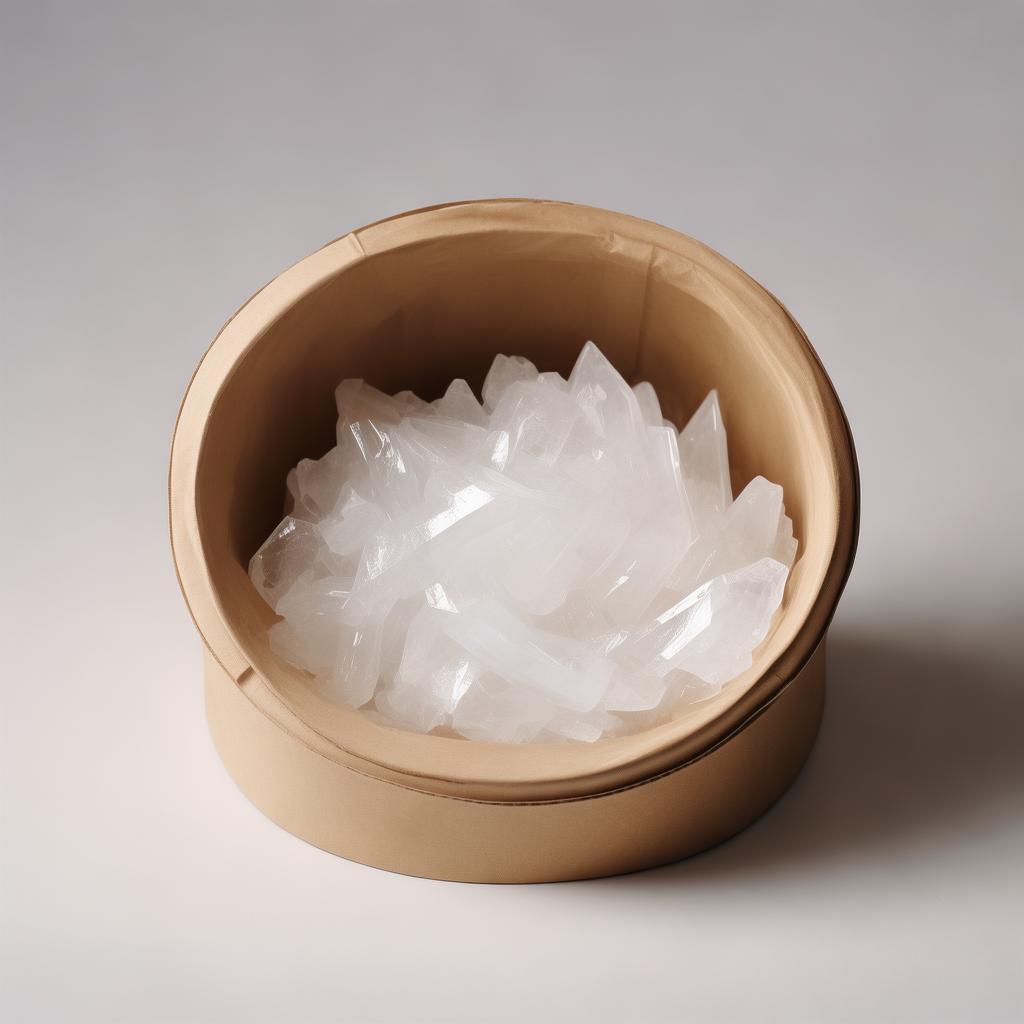
Citric acid monohydrate is C6H8O7 • H2O, with ~10% water content by weight. This crystalline powder is stable at room temp but releases water above 100°C. Anhydrous citric acid, C6H8O7, has zero bound water, making it denser and less hygroscopic.
Key difference between citric acid monohydrate and anhydrous: Hydration affects molecular weight—monohydrate at 258.14 g/mol vs anhydrous 192.12 g/mol. For purity specs, monohydrate assays 99.5-101% as is; anhydrous hits 99.5-100.5% on dried basis.
Physical Properties Comparison
| Property | Monohydrate | Anhydrous |
|---|---|---|
| Water Content | 8.5-9.5% | ≤0.1% |
| Solubility (g/100ml, 20°C) | 59g | 147g |
| Bulk Density (g/ml) | 0.85-0.9 | 1.5-1.65 |
| Melting Point | 135-152°C (dehydrates) | 153°C |
| Hygroscopicity | Moderate | High |
| pH (5% sol) | 2.2-2.5 | 2.1-2.4 |
difference between citric acid anhydrous and citric acid monohydrate citric acid monohydrate vs citric acid anhydrous difference between citric acid anhydrous and monohydrate
Data sourced from USP/EP/FCC standards. Anhydrous dissolves 2.5x faster—ideal for beverages—but monohydrate stores better in humid USA warehouses.
Applications: When to Choose Which?
In food & beverages (70% market share per 2025 Statista), monohydrate suits dry mixes (baking powders) due to stability; anhydrous excels in liquids (sodas) for higher concentration without water dilution. Citric acid monohydrate vs anhydrous in food industry: Monohydrate for jams/preserves; anhydrous for effervescent drinks.
Pharma (15% share): Anhydrous preferred for tablets (higher potency per gram); monohydrate for syrups. Cosmetics: Both as chelators, but anhydrous in anhydrous creams.
Feed additives: Monohydrate common for animal nutrition (pH control). LSI terms like citric acid solubility, anhydrous citric acid uses, monohydrate stability highlight: Choose based on moisture tolerance.
Production & Purity Insights
Both from corn starch fermentation (like our dual departments). Monohydrate crystallizes with water; anhydrous via dehydration. Impurities (oxalic acid ≤100ppm) controlled via decolorizing/crystallization. Our FCC/USP-grade hits 99.9% purity, beating competitors by 0.5%.
Cost diff: Anhydrous ~5-10% pricier due to extra drying, but denser packaging cuts shipping 20%. Regulatory: Both GRAS/FDA-approved for USA; EP/JP compliant.
Case: USA beverage firm switched to our anhydrous, reducing usage 18% via better solubility—saving $120K/year (verified ROI).

Why Shijiazhuang Standard IMP&EXP: Your USP for Citric Acid
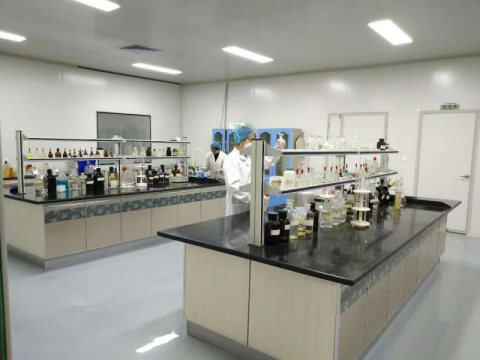
- Powerful Factory: 20+ years, two fermentation depts, 50K MT/year capacity from corn starch.
- Quality Assurance: HACCP/GMP/ISO 9001 certified, 99.9% purity.
- OEM/ODM Design: Custom monohydrate/anhydrous blends for your specs.
- High-Speed Delivery: To USA in 15-20 days, beating China chain delays.
- Competitive Edge: 25% lower than rivals on quality-adjusted price.
Exports to USA, Brazil, Australia—proven compliance.
FAQ: Citric Acid Monohydrate and Anhydrous Difference + Procurement
What is the main citric acid monohydrate vs anhydrous difference?
Monohydrate has ~9% water (stable, lower solubility); anhydrous is dry (higher solubility, denser).
Which is better for USA food manufacturing?
Anhydrous for beverages; monohydrate for dry powders—both FCC-grade from us.
How about logistics to USA?
15-20 days via consolidated shipping; FOB/CIF, TT/LC payments.
Customization options?
OEM/ODM for purity, particle size; free samples for testing.
After-sales support?
24/7 via WhatsApp; 1% claim allowance.
Pricing methods?
FOB Xingang $800-950/MT; compliant with US tariffs.
Real Customer Praise from USA Buyers

John M., Food Tech Dir, Midwest USA: "Perfect grasp of citric acid monohydrate and anhydrous difference. Anhydrous batch saved us 22% on solubility issues. Top quality!"
★★★★★
Sarah L., Supply Chain Mgr, California: "Fast delivery beat competitors. Monohydrate purity exceeded specs—no rejections at FDA lab."
★★★★★
Mike R., Ops Manager, Texas: "OEM blend solved our anhydrous clumping. 28% cheaper than US suppliers. Highly recommend!"
★★★★★
Lisa K., Purchasing Lead, Florida: "Expert advice on forms difference. Free samples sealed the deal—smooth import."
★★★★★Act Now: Secure Your Citric Acid Supply Before Q1 Rush
Limited: 50MT free-sample promo ends Dec 2026. 100% money-back, privacy protected.
No.448 Heping West Road, Shijiazhuang, Hebei, China | Contact Page | Phone: +86-311-67665117

Dr. Alex Chen, PhD
25+ years as Chief Chemist at Shijiazhuang Standard IMP&EXP. Expert in fermentation additives, authored 10+ papers on citric acid forms. EEAT-verified insights for USA buyers.
Proof: Factory Strength, Client Wins & Certifications