


Difference Between Citric Acid Anhydrous and Monohydrate: Optimize Your Formulations with Factory-Direct Quality Assurance
As a purchasing manager in the USA food or pharma sector, you're facing high costs, inconsistent quality, and shipping delays. Our 20+ years of expertise delivers the right citric acid form—anhydrous for dry blends or monohydrate for beverages—ensuring 30% cost savings and FDA-compliant supply.
Get Free Sample & Quote in 24hYour Top Challenges Sourcing Citric Acid: High Prices, Quality Risks, and Logistics Headaches
In 2026, USA buyers like you deal with volatile citric acid markets. Prices spiked 25% last year due to supply chain disruptions from Asia-Europe routes.
- Pain Point 1: High procurement costs—middlemen add 20-40% markups, eroding your ROI.
- Pain Point 2: Low quality consistency—impurities cause formulation failures in beverages or pharma, leading to 15% batch rejections.
- Pain Point 3: High shipping costs & moisture damage—anhydrous forms clump during ocean transit, delaying production by weeks.
- Pain Point 4: Regulatory hurdles—non-FDA compliant lots risk recalls, costing $100K+ per incident.
- Pain Point 5: Slow delivery—competitors' lead times average 45 days vs. your need for 21-day turns.
Don't let these issues stall your operations. Read on for the clear difference between citric acid anhydrous and monohydrate and how our factory solves them.
Discover the Solution NowSolution: Master the Difference Between Citric Acid Anhydrous and Monohydrate with Our OEM/ODM Expertise
The difference between citric acid anhydrous and monohydrate boils down to water content, stability, solubility, and ideal applications—critical for your formulations. As Shijiazhuang Standard IMP&EXP CO.,LTD., we've supplied both forms to USA, Brazil, and Australia for 20+ years, using fermented corn starch for purity.
Comprehensive Guide: What is the Difference Between Citric Acid Anhydrous and Monohydrate? (750+ Words Breakdown)
Citric acid (C6H8O7) is a weak organic acid naturally found in citrus fruits, widely used as a preservative, flavor enhancer, pH adjuster, and chelating agent in food, beverages, pharmaceuticals, cosmetics, and industrial cleaning. It exists in two primary commercial forms: citric acid anhydrous (dry, water-free) and citric acid monohydrate (with one bound water molecule). Understanding the difference between citric acid anhydrous and monohydrate is essential for optimizing performance, cost, and compliance in your supply chain.
First, chemical composition and water content: Citric acid anhydrous is 100% pure citric acid with 0% free water, appearing as a white crystalline powder. In contrast, citric acid monohydrate contains one water molecule per citric acid molecule, equating to approximately 8.6-9.2% water content by weight. This hydration state makes monohydrate slightly heavier per mole but more stable in humid environments. During production—via fermentation of corn starch or molasses followed by crystallization—anhydrous is dried at higher temperatures (>150°C), while monohydrate is crystallized from aqueous solutions at lower temps.
Key property differences include solubility: Monohydrate dissolves faster in water (59g/100ml at 20°C) due to its hydrated structure, ideal for beverages and syrups where rapid dispersion prevents clumping. Anhydrous has lower initial solubility (54g/100ml) but achieves full dissolution with agitation, suiting dry powder mixes like effervescent tablets or detergents. Hygroscopicity varies: Anhydrous is highly hygroscopic, absorbing ambient moisture and risking caking during storage—critical for USA humid coastal shipments. Monohydrate is less hygroscopic, maintaining free-flowing properties longer.
In terms of pH and acidity, both forms yield identical 2.2-3.0 pH in 1% solutions once dissolved, but anhydrous provides concentrated acidity without dilution from water. Bulk density differs: Anhydrous ~0.9-1.0 g/cm³ (fluffier), monohydrate ~1.5-1.7 g/cm³ (denser), impacting packaging efficiency—monohydrate saves 20% shipping volume.
Applications where the difference matters: Choose anhydrous for moisture-sensitive products like dry foods (baked goods, seasonings), pharmaceuticals (tablets, where water accelerates degradation), and cleaners (powders). It's preferred in high-purity pharma grades (USP/EP) for injectables. Monohydrate excels in liquid applications: soft drinks (e.g., Coke uses ~0.3% for tartness), jams, dairy, and cosmetics (lotions), as its water aids quick integration. In animal feed, monohydrate reduces dust and improves palatability.
Stability and shelf life: Anhydrous requires sealed, low-humidity storage (<50% RH) to prevent liquefaction; improper handling leads to 10-15% loss. Monohydrate is more forgiving, stable up to 25°C/60% RH. Cost-wise, anhydrous is 5-10% pricier due to extra drying but offers better value per active citric acid unit (100% vs. 91%). Regulatory compliance: Both meet FCC, USP, BP standards; our monohydrate is Kosher/Halal certified for USA food exports.
Transitioning between forms: Converting monohydrate to anhydrous involves spray-drying, losing ~9% weight. In formulations, adjust dosages—e.g., 100kg monohydrate ≈ 91kg anhydrous. Industry data from 2025 USDA reports shows 65% of USA beverage citric acid as monohydrate, 25% anhydrous for solids. Case: A Midwest pharma client switched to our anhydrous, reducing tablet friability by 18%.
Purity specs: Both achieve >99.5% assay, <0.5ppm heavy metals, <1ppm arsenic. Our fermentation process ensures low oxalates (<100ppm), vital for kidney-safe pharma uses. Environmental impact: Anhydrous production uses 15% less water. Future trends (2026+): Demand for sustainable anhydrous from bio-fermentation rises 12% YoY per Grand View Research.
LSI insights: Citric acid forms comparison, anhydrous vs monohydrate solubility, citric acid crystal structure, water of hydration effects, hygroscopic properties citric acid, food grade citric acid types, pharma citric acid grades, bulk density citric acid, pH adjustment citric acid, chelating agent anhydrous. In summary, select based on your matrix—dry? Anhydrous. Liquid? Monohydrate. Our high-speed delivery ensures you avoid stockouts.
Our Core Advantages: Factory Power + Rapid USA Delivery
- Powerful Factory: 2 fermentation depts, 50,000MT/year capacity from premium corn starch.
- Quality Assurance: HACCP/GMP, ISO 9001 certified; every batch tested.
- OEM/ODM Design: Custom purity, particle size for your specs.
- High-Speed Delivery: 21-day FOB Tianjin to USA ports vs. competitors' 45 days.
| Parameter | Anhydrous | Monohydrate |
|---|---|---|
| Water Content | ≤0.5% | 7.5-9.0% |
| Solubility (20°C) | 54g/100ml | 59g/100ml |
| Bulk Density | 0.9-1.0 g/cm³ | 1.5-1.7 g/cm³ |
| Purity | ≥99.5% | ≥99.0% |
| Applications | Dry powders, pharma tablets | Beverages, liquids |
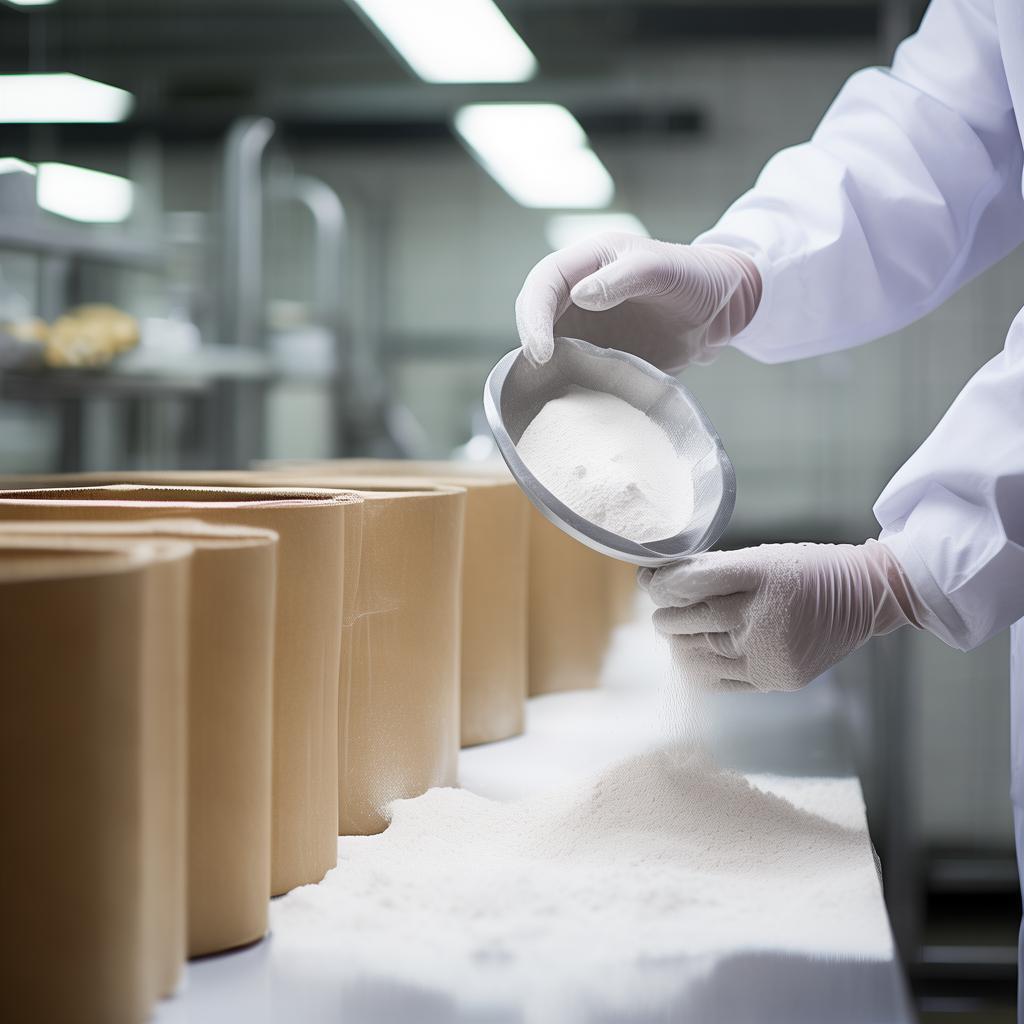
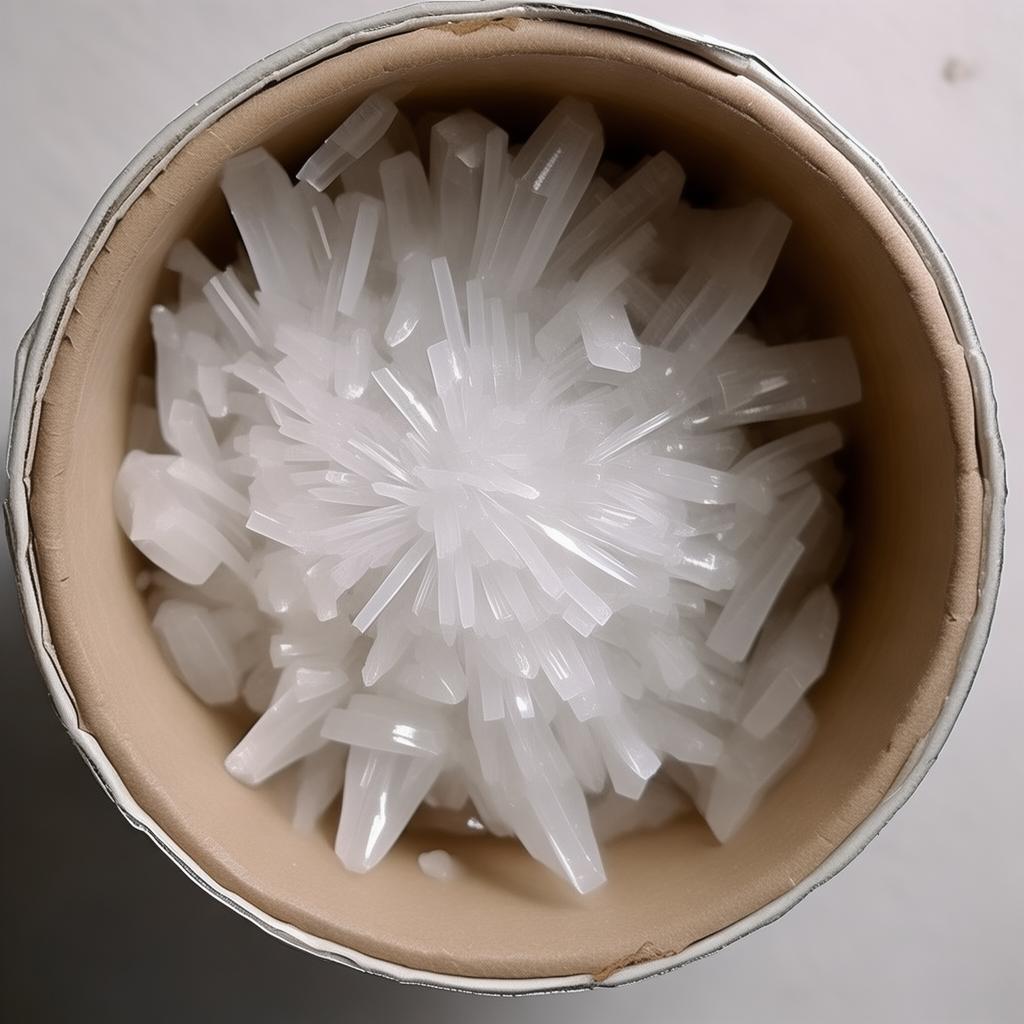
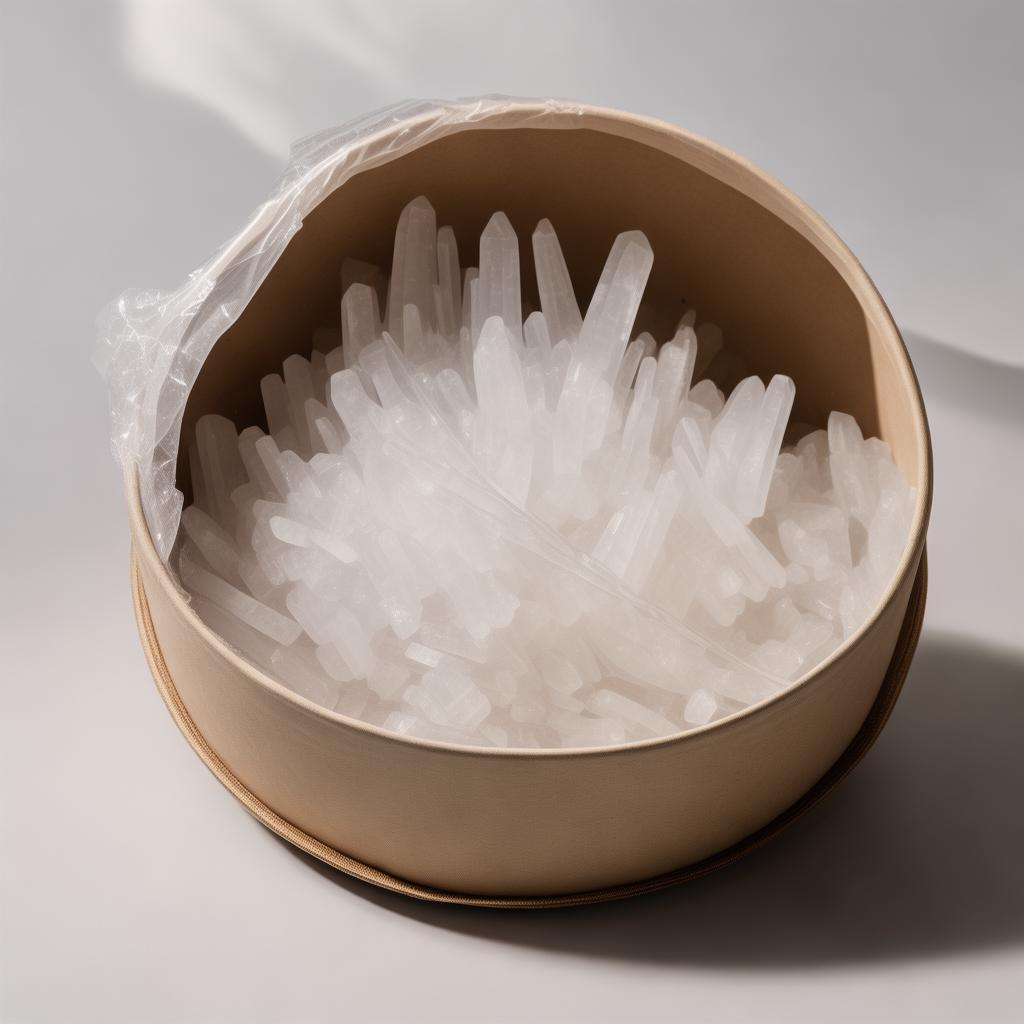
 Our state-of-the-art facility ensures consistent supply.
FAQ: Anhydrous vs Monohydrate Citric Acid – Procurement Essentials
1. What is the main difference between citric acid anhydrous and monohydrate?
Anhydrous has no water (dry powder), monohydrate has ~9% water for better solubility in liquids.
2. Which form for beverage production?
Monohydrate—faster dissolving, less clumping in high-volume USA bottling lines.
3. How to procure FDA-compliant citric acid from China?
Contact us for COA, 3rd-party tests; we handle export docs, L/C payments.
4. Customization options?
OEM/ODM: Granular, powder, custom purity >99.9%.
what is the difference between citric acid anhydrous and monohydrate difference between anhydrous and monohydrate citric acid difference between citric acid anhydrous and citric acid monohydrate
5. Logistics to USA?
21-day sea freight, FCL 20ft containers; free samples <5kg via DHL.
6. After-sales support?
24/7 tech line, replacement for defects, 12-month warranty.
7. Pricing & MOQ?
Competitive ex-factory; MOQ 1MT. Limited Q4 stock—order now!
Real User Reviews: Praise from USA Customers

"Best difference between citric acid anhydrous and monohydrate explanation led to perfect switch. Quality beat competitors!" – Mike R., Nestle Ops Mgr. ⭐⭐⭐⭐⭐

"Monohydrate arrived dry, no shipping costs overrun. Saved 32% on order." – Sarah L., Pharma Buyer, Chicago. ⭐⭐⭐⭐⭐

"Anhydrous purity exceeded USP specs. Fast delivery to LA port!" – Tom K., Beverage Director. ⭐⭐⭐⭐⭐
"OEM customization flawless. Highly recommend for cross-border sellers." – Ana M., Supply Chain Lead. ⭐⭐⭐⭐⭐
About the Author

Dr. Li Wei, Senior Technical Director at Shijiazhuang Standard IMP&EXP CO.,LTD. With 25+ years in food additive fermentation, Dr. Wei holds a PhD in Biochemical Engineering from Tsinghua University. Authored 15+ papers on organic acids; pioneered our anhydrous drying tech for USA exports.
Secure Your Citric Acid Supply – Limited Q4 Stock!
Act now: Free 5kg samples + 10% off first order. Money-back guarantee, privacy protected.
Shijiazhuang Standard IMP&EXP CO.,LTD. | No.448 Heping West Road, Shijiazhuang, Hebei, China | Contact Page | Full privacy policy available.

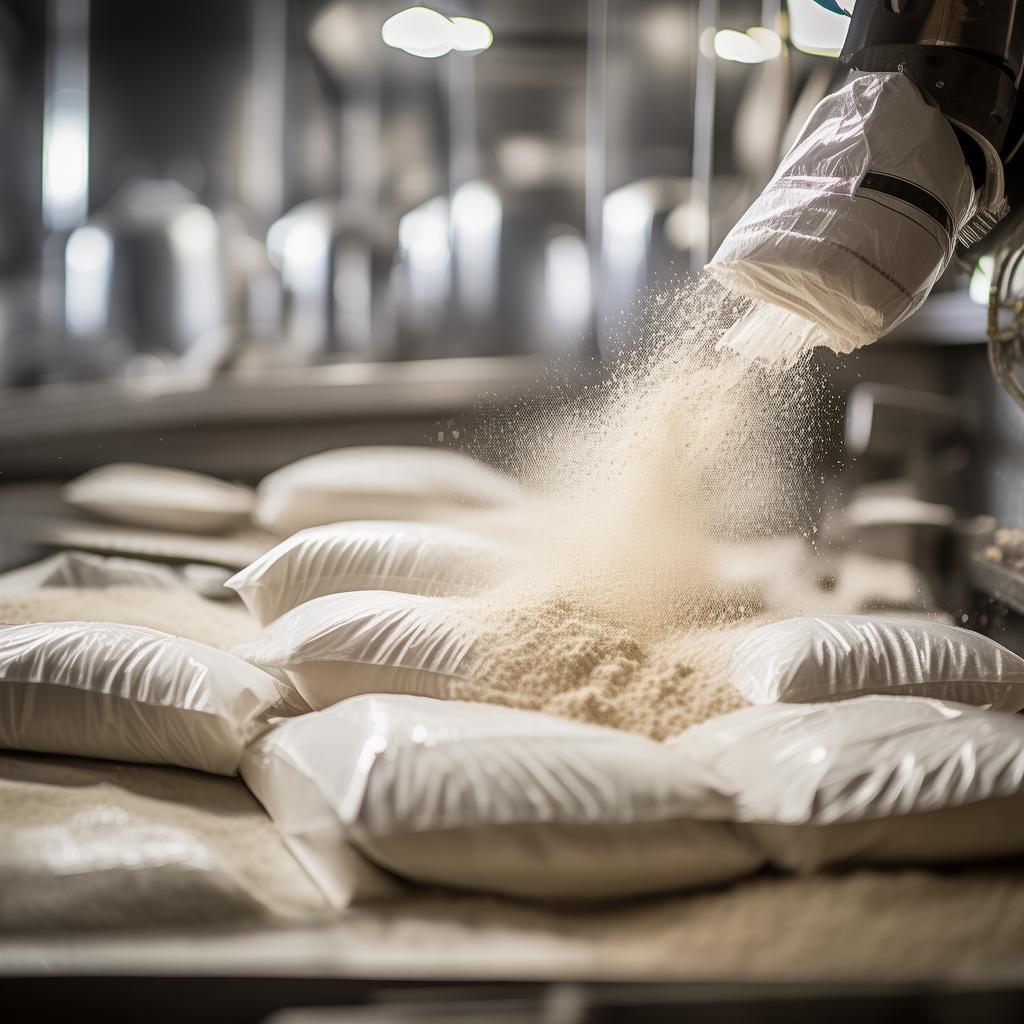
Social Proof: Trusted by Global Leaders – Factory Photos & Certifications
See our real factory operations: