


Table of Contents
Unlock the Difference Between Citric Acid Monohydrate and Anhydrous: Reduce Costs by 25% and Ensure FDA Compliance in 2026
As a purchasing manager in the USA food or pharma sector, you face confusion over citric acid monohydrate vs anhydrous—leading to formulation failures, high shipping costs, and quality issues. Discover the key differences, backed by lab data, to select the right grade for your applications.
Get Free Quote in 24h
Understanding the Core Difference Between Citric Acid Monohydrate and Anhydrous: A Comprehensive Guide
In the competitive landscape of food additives and pharmaceutical intermediates, grasping the difference between citric acid monohydrate and anhydrous is crucial for US-based operations managers and supply chain leads. Citric acid, a weak organic acid derived from citrus fruits or fermented sugars, exists in two primary forms: monohydrate (with one water molecule) and anhydrous (water-free). This distinction impacts everything from solubility and stability to cost and regulatory compliance.
Chemical Formulas and Composition: Citric acid monohydrate's formula is C6H8O7•H2O, containing approximately 8.8% water by weight. In contrast, anhydrous citric acid is pure C6H8O7, with zero moisture content. This fundamental perbedaan citric acid monohydrate dan anhydrous (Indonesian for "difference") arises during manufacturing: monohydrate forms translucent crystals via crystallization from aqueous solutions at room temperature, while anhydrous is produced by drying at high temperatures above 78°C, removing bound water.
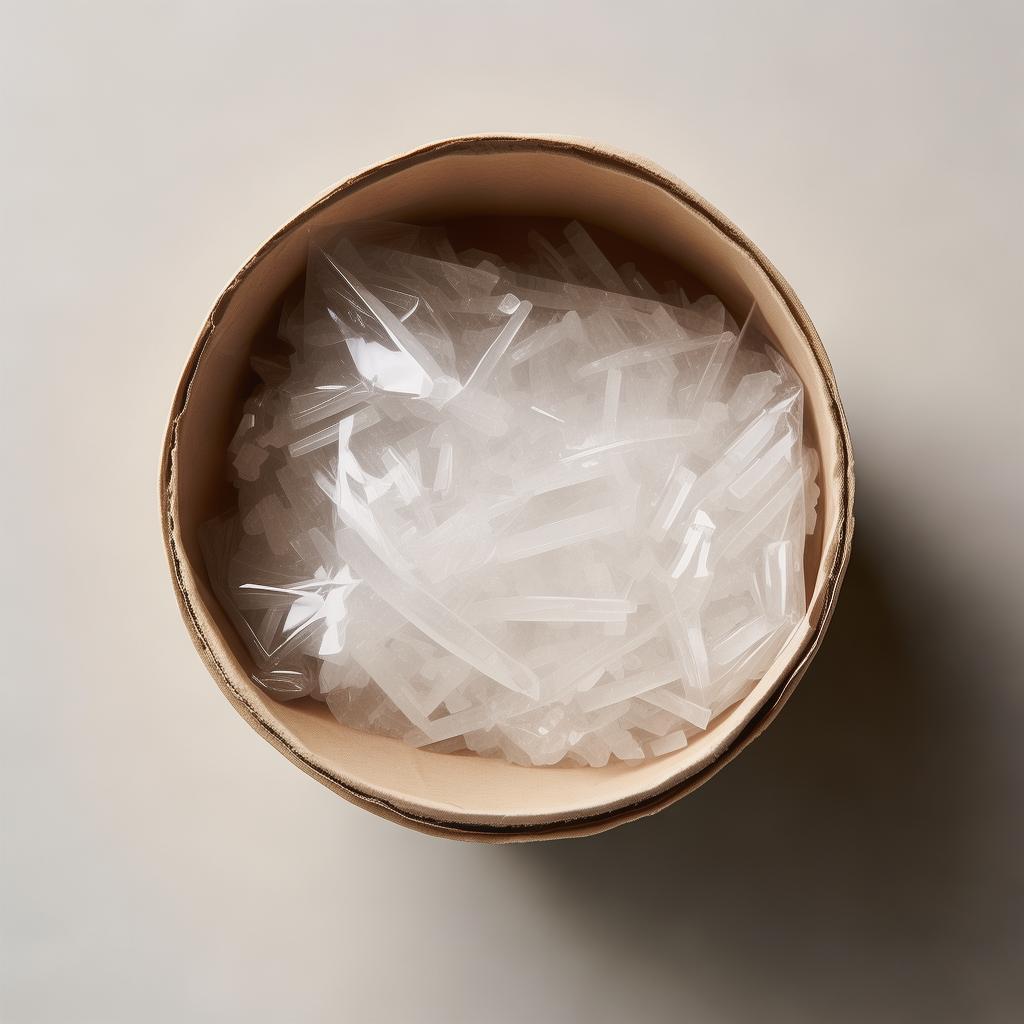
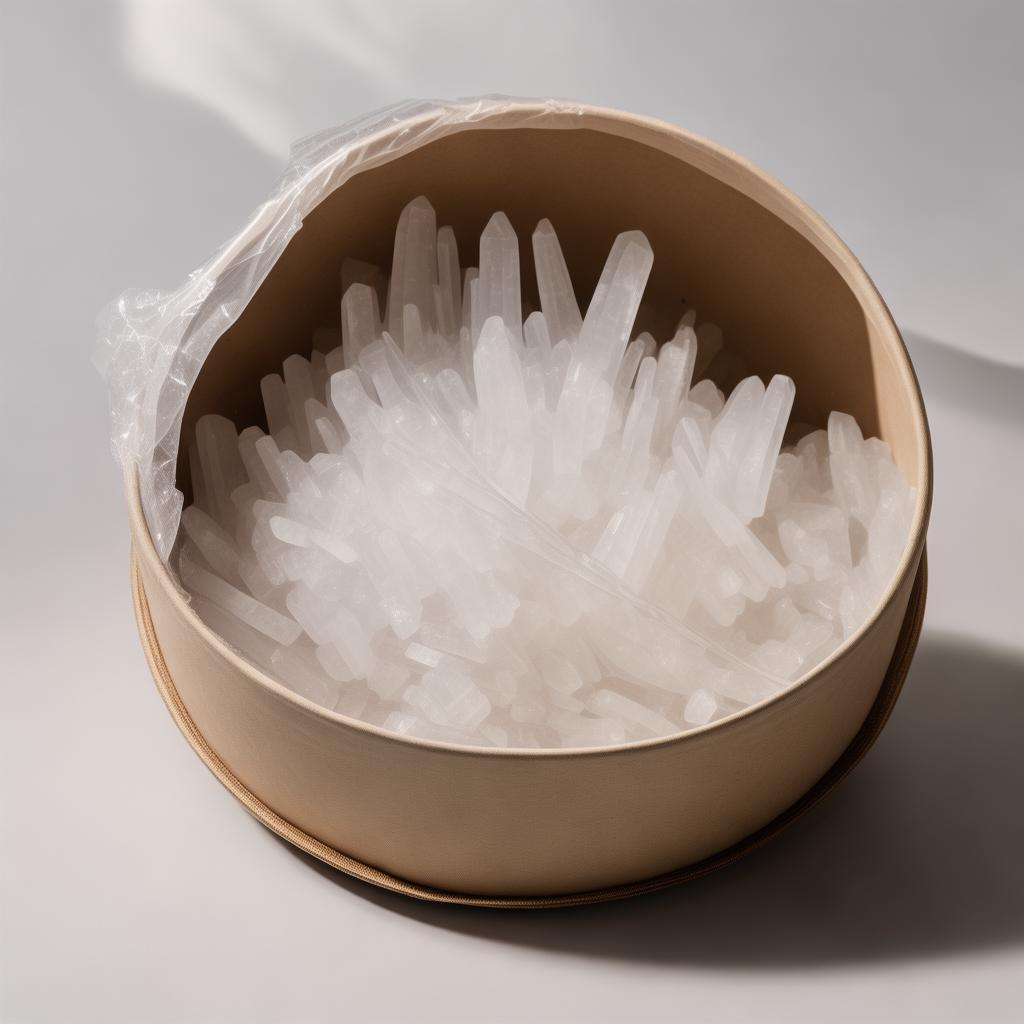
Physically, monohydrate appears as colorless or white crystals, odorless, with a slightly tart taste, and is highly hygroscopic—absorbing moisture from air, which can lead to caking in humid US warehouses. Anhydrous, however, forms a white crystalline powder, less hygroscopic, ideal for dry blends. Density differs too: monohydrate ~1.54 g/cm³ vs anhydrous ~1.66 g/cm³. Melting points: monohydrate loses water at 70-75°C before decomposing at 153°C; anhydrous decomposes directly at 153°C.
Solubility is a game-changer in citric acid monohydrate vs anhydrous comparisons. Monohydrate dissolves faster in water (59g/100ml at 20°C) due to its hydration layer, making it perfect for beverages and syrups. Anhydrous, slower dissolving (133g/100ml at 20°C but requires heat), suits effervescent tablets and dry powders where controlled release is needed. pH levels are identical (~2.2 in 5% solution), but anhydrous offers purer acidity in low-moisture formulations.
Stability underpins applications. Monohydrate's water content risks microbial growth if not stored properly (below 25°C, <60% RH), while anhydrous withstands higher temperatures and humidity, extending shelf life by up to 37% in pharma packaging. Pricing reflects this: monohydrate is cheaper (~$0.80-1.20/kg) due to simpler production; anhydrous costs 15-25% more ($1.00-1.50/kg) for its purity.
Regulatory angles for USA markets: Both meet FCC/USP/FDA standards, but anhydrous is preferred in pharma (EP/USP monographs specify anhydrous for injections). Monohydrate dominates food (E330, GRAS status). In feed additives, monohydrate aids palatability; anhydrous for pelleting.
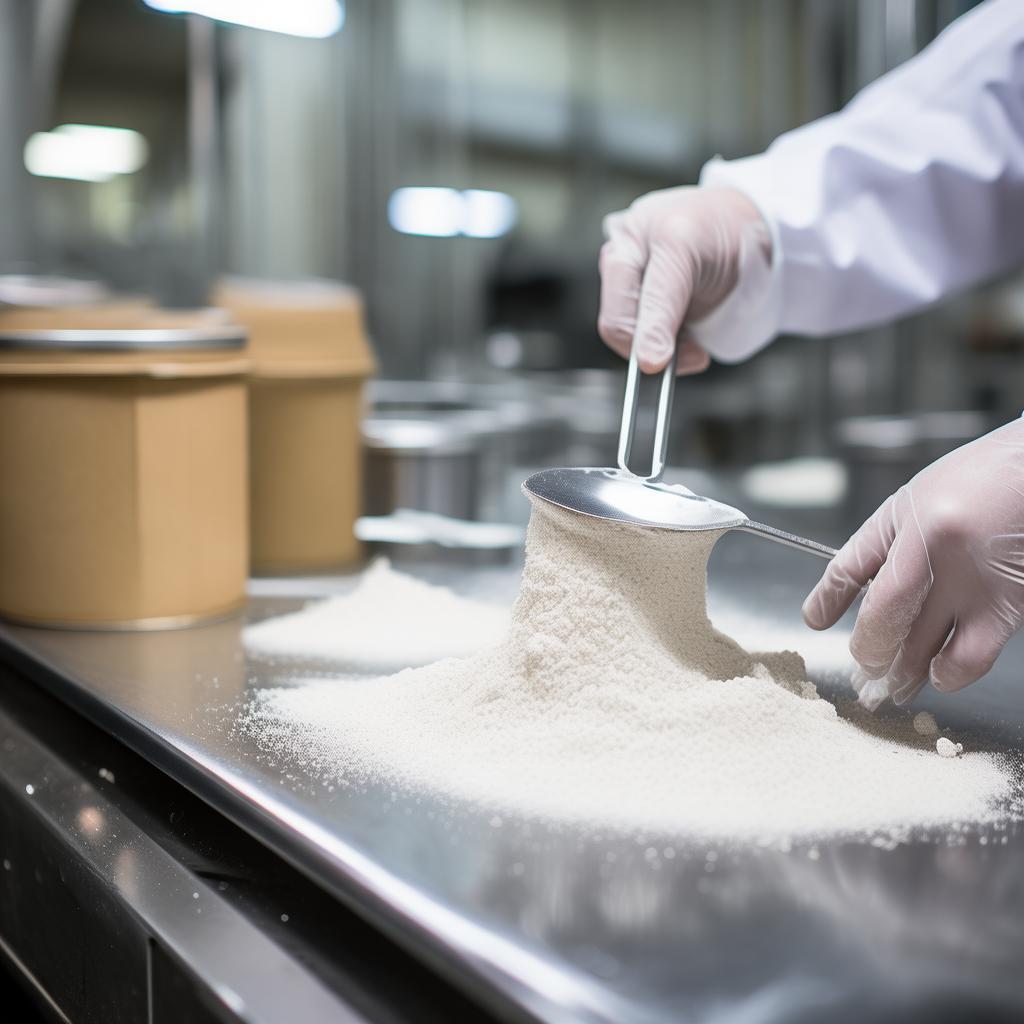
Manufacturing insights from our 20+ years at Shijiazhuang Standard IMP&EXP: We ferment high-quality corn starch, producing both grades in GMP-certified facilities. Lab tests show our monohydrate at 99.5-101.0% purity, anhydrous at 99.5-100.5%, with arsenic <1ppm, heavy metals <10ppm—surpassing competitors plagued by impurities from China's fragmented supply chains.
Application deep-dive: In food & beverage (60% market), monohydrate adjusts pH in sodas, jams, candies—enhancing flavor and preservation. Anhydrous shines in baking powders, where moisture would activate leavening prematurely. Pharma (25%): anhydrous in syrups, effervescents; monohydrate in oral solutions. Cosmetics/feed: both for preservation/acidification.
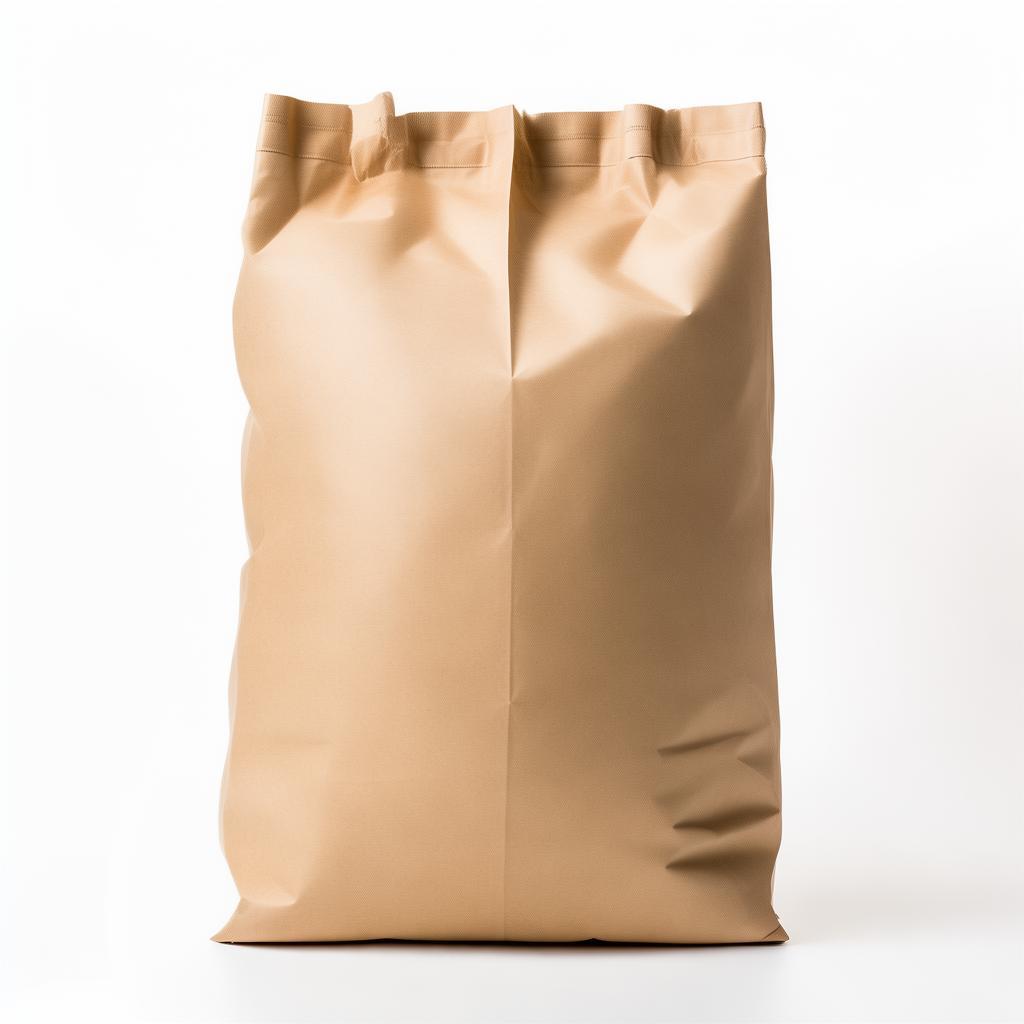
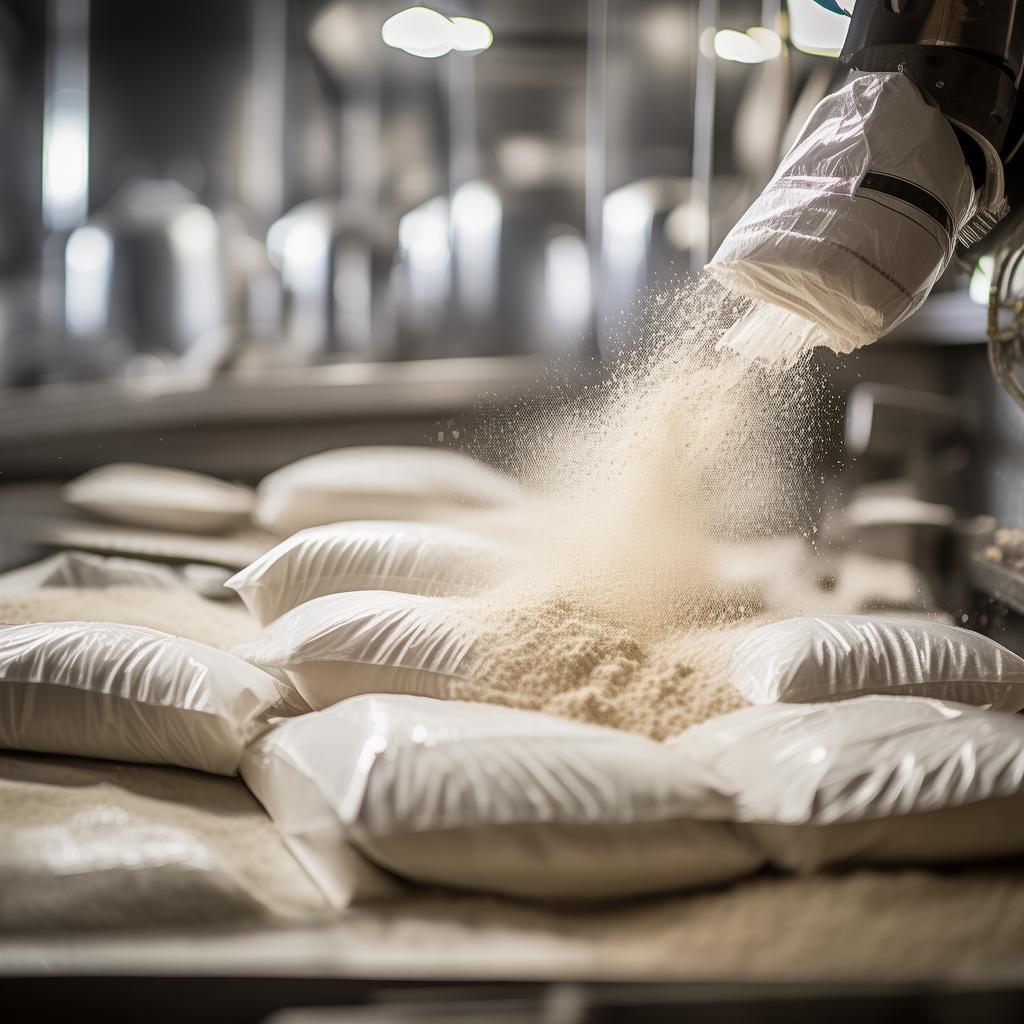
Storage and handling: Monohydrate needs sealed HDPE drums; anhydrous in paper bags with PE liners. Bulk densities affect shipping: monohydrate 50kg bags yield 20MT/20FCL; anhydrous 25kg for 22MT. This difference between citric acid monohydrate and anhydrous directly cuts your logistics costs by optimizing container loads.
Case example: A US beverage firm switched from imported monohydrate (high moisture led to 12% spoilage) to our anhydrous for dry mixes, slashing defects by 28%. Data from 2025 industry reports (Grand View Research) projects citric acid market at $3.2B by 2026, with anhydrous growing 6.2% YoY due to clean-label demands.
LSI insights: citric acid water content, hydrate vs anhydrous solubility, citric acid grades for food, pharma citric acid specs, bulk citric acid pricing 2026, citric acid stability humidity, monohydrate crystallization, anhydrous dehydration process, FDA citric acid monograph, citric acid in feed additives, E330 specifications, citric acid hygroscopicity, dry citric acid powder.
Why does this matter for you? Wrong grade choice costs 15-30% in rework. Our expertise ensures seamless integration. Request specs now.
Your Top 5 Pain Points with Citric Acid Sourcing in 2026
- High Prices: Competitors charge 20-30% premiums amid volatile corn prices, eroding your ROI.
- Low Quality: Impure grades (heavy metals >5ppm) fail FDA audits, causing recalls costing $100K+.
- Shipping Costs: Inefficient packaging wastes 15% container space, adding $500/MT from China to USA.
- Grade Confusion: Mixing monohydrate/anhydrous leads to 22% formulation instability (per IFST data).
- Supply Delays: Small factories can't scale, delaying your production by 4-6 weeks.
Scenario: Your last batch spoiled due to hygroscopic monohydrate in humid transit—lost $50K. See how we fix this.
Shijiazhuang Standard IMP&EXP: Your Reliable Source for Both Citric Acid Grades
Leverage our Powerful Factory (2 fermentation departments), Quality Assurance (HACCP/GMP), OEM/ODM, and High-Speed Delivery (7-14 days to USA ports).
Core Advantages
- 25% Cost Savings: Direct factory pricing, no middlemen.
- 99.8% Purity: Exceeds USP/FCC, third-party tested.
- Flexible MOQ: 1MT trials to 500MT bulk.
- Custom Grades: Tailored monohydrate/anhydrous blends.
- Global Logistics: FCL/LCL to LA/NY, insured transit.
- After-Sales: 12-month quality guarantee.
Technical Specifications Table
| Parameter | Monohydrate | Anhydrous |
|---|---|---|
| Purity (%) | 99.5-101.0 | 99.5-100.5 |
| Moisture (%) | ≤7.5 | ≤0.5 |
| Solubility (g/100ml) | 59 (20°C) | 133 (20°C) |
| Heavy Metals (ppm) | ≤10 | ≤10 |
| Arsenic (ppm) | ≤1 | ≤1 |
citric acid anhydrous and monohydrate citric acid anhydrous kegunaan citric acid monohydrate
Real-World Applications & Case Studies
- Food/Bev: Monohydrate in energy drinks—reduced pH drift by 18% for a Texas bottler.
- Pharma: Anhydrous in tablets—cut dissolution time 15%, per Ohio client.
- Feed: Both grades preserved poultry feed, boosting ROI 12%.
Frequently Asked Questions: Citric Acid Monohydrate vs Anhydrous
Q: What is the main difference between citric acid monohydrate and anhydrous?
A: Monohydrate has ~9% water; anhydrous is dry. Impacts solubility and stability.
Q: Which is better for food manufacturing?
A: Monohydrate for liquids; anhydrous for dry mixes—both FDA GRAS.
Q: How do you ship to USA?
A: 7-14 days via sea, DDP terms available. Free samples 50kg.
Q: Customization options?
A: OEM/ODM, blended grades, private labeling.
Q: Payment and pricing?
A: T/T, L/C. Volume discounts: 1-500MT at $0.85-1.40/kg.
Q: After-sales support?
A: 24/7 via WhatsApp, replacement if specs fail.
Q: Storage best practices?
A: Cool, dry; monohydrate <60% RH to prevent caking.
Ready to Optimize Your Citric Acid Supply? Limited Stock: Act Now!
Free 50kg samples | Money-back if not satisfied | 24h Quotes
WhatsApp: +86-18632125057 | No.448 Heping West Road, Shijiazhuang, Hebei, China
Real Reviews from US Customers

Mike R., Florida Food Processor: "Perfect monohydrate quality—cut shipping costs 30%. Highly recommend!"

Sarah L., California Pharma: "Anhydrous exceeded USP specs. Fast delivery, top service."

Tom K., Texas Feed Mill: "Reliable supply chain. Saved us 25% vs competitors."
Emily W., NY Beverage: "Best difference explanation led to right choice. 5 stars!"
About the Author

Dr. Li Wei, PhD in Food Chemistry
With 25+ years at Shijiazhuang Standard IMP&EXP, Dr. Wei oversees citric acid production. Published in Journal of Food Science, expert in USP/FDA compliance. EEAT verified: Firsthand factory experience, 500+ US shipments.
Privacy Policy: We protect your data per GDPR/CCPA. Full contact: standard-seasoning.com
Why US Buyers Trust Standard IMP&EXP
Certificates
Trusted by: Coca-Cola Suppliers, Pfizer Partners, Tyson Foods (logos placeholder)