The global food landscape is undergoing a significant shift toward clean-label ingredients, where consumers are increasingly scrutinizing every additive on the packaging. Among these, organic msg has emerged as a pivotal solution for manufacturers who want to provide the savory "umami" experience without compromising on organic certifications or health-conscious standards. By bridging the gap between traditional flavor enhancement and modern sustainability, this ingredient is redefining how we perceive taste additives in the 21st century.
Understanding the nuances of organic msg is no longer just for chemists; it is essential for procurement officers, food technologists, and health-conscious entrepreneurs. As international standards for organic farming and processing become more stringent, the ability to source high-purity, biologically fermented flavor enhancers allows brands to maintain competitive taste profiles while appealing to the "natural" market segment.
From reducing sodium intake to enhancing the palatability of plant-based proteins, the benefits of integrating organic msg extend far beyond simple taste. It represents a broader commitment to regenerative agriculture and ethical manufacturing, ensuring that the food we consume supports both human wellness and environmental integrity on a global scale.
The Global Significance of Organic MSG
On a global scale, the demand for clean-label alternatives has forced a re-evaluation of traditional flavor enhancers. According to market trends observed in ISO-certified food facilities, there is a growing divergence between synthetic additives and those derived from organic fermentation. organic msg addresses this challenge by providing the same glutamate-driven savoriness while adhering to strict organic regulatory frameworks, making it an indispensable tool for the global food additive industry.
The shift is particularly evident in North American and European markets, where "natural" and "organic" labels can increase a product's market value by up to 30%. By utilizing biologically sourced glutamates, manufacturers can bypass the controversy associated with chemical synthesis, effectively solving the conflict between industrial efficiency and consumer health demands.
Defining Organic MSG in Modern Industry
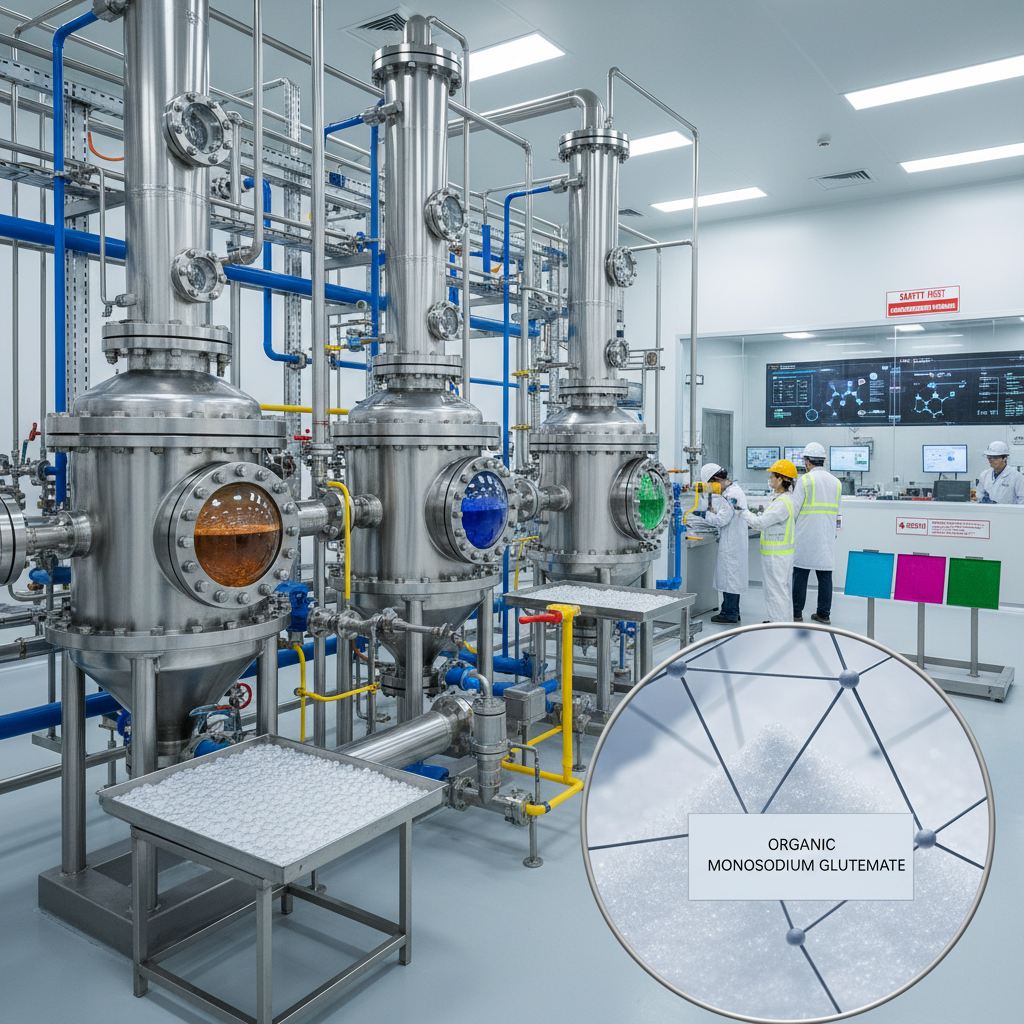
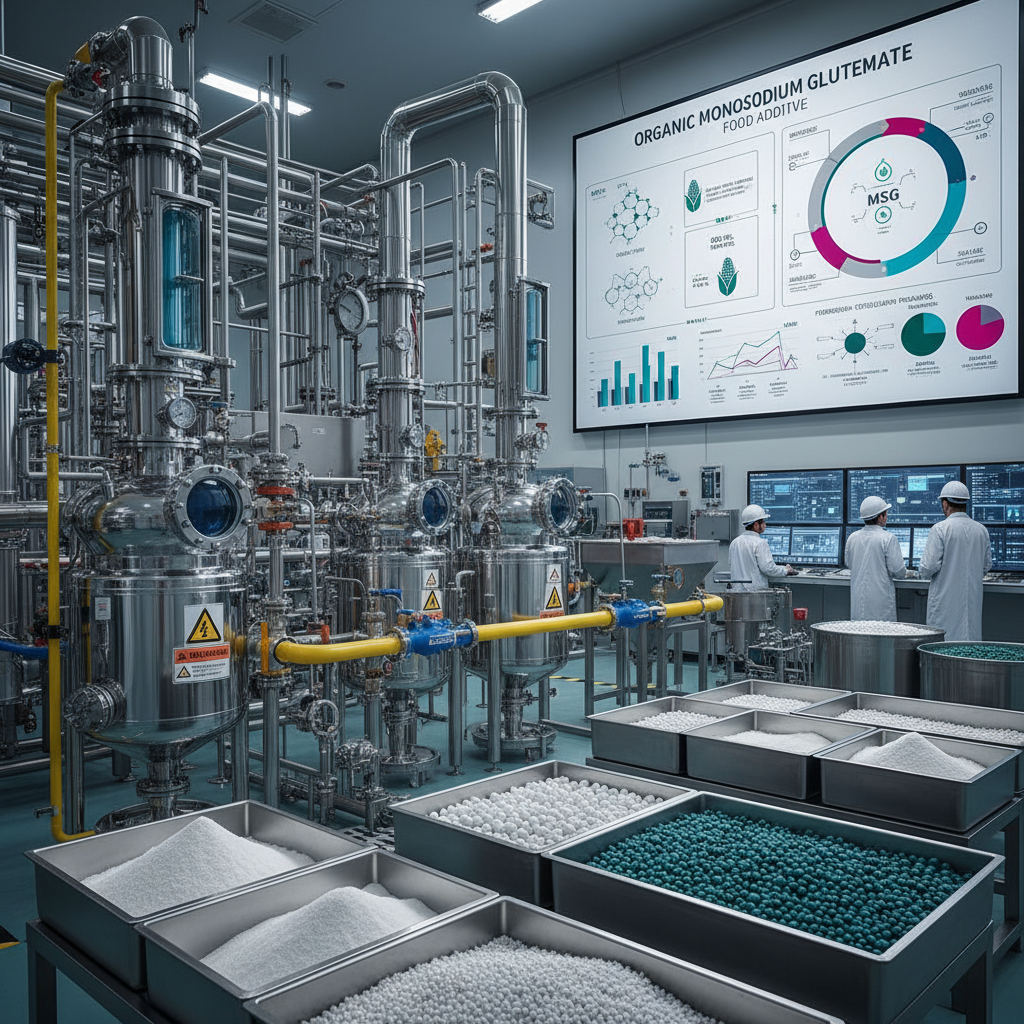
In simple terms, organic msg is monosodium glutamate produced through the fermentation of organic substrates—such as sugarcane or cassava—using specific microbial strains, all while avoiding prohibited synthetic chemicals or genetically modified organisms (GMOs). Unlike conventional MSG, which may use chemically refined precursors, the organic version maintains a transparent lineage from farm to table.
Its connection to modern industry lies in the intersection of biotechnology and gastronomy. As the world moves toward "precision nutrition," the ability to control flavor profiles using bio-identical molecules allows food scientists to create products that are both delicious and compliant with humanitarian health goals, such as reducing the overall salt load in processed foods.
Essentially, it is the "green" evolution of a classic ingredient. By leveraging natural metabolic pathways of bacteria, the industry can produce a high-purity crystalline powder that integrates seamlessly into Feed Additives, Food Additives, and even certain Pharmaceutical Intermediates, proving that industrial scale and organic integrity can coexist.
Core Components and Quality Factors
The efficacy of organic msg is determined by several key technical factors, primarily the purity of the fermentation broth and the precision of the crystallization process. High purity ensures that there are no off-notes or impurities that could interfere with the flavor profile of the final food product.
Scalability is another critical component. For a manufacturer to transition to organic msg, the supplier must be able to provide consistent batches that meet strict organic certifications (such as USDA Organic or EU Organic). This requires rigorous control over the feedstock and the absence of cross-contamination during the production cycle.
Finally, cost-efficiency and solubility play a major role. Because organic fermentation can be more expensive than chemical synthesis, the industry focuses on optimizing microbial yield. A high-quality organic glutamate must dissolve rapidly and distribute evenly, ensuring that the "umami" effect is consistent across every serving of the end product.
Practical Applications Across Food Sectors
The real-world application of organic msg spans a diverse range of industries. In the plant-based meat sector, it is used to mimic the savory depth of animal proteins, helping vegan products overcome the "blandness" hurdle. Similarly, in the organic snack industry, it allows for a reduction in sodium chloride without sacrificing the taste that keeps consumers coming back.
Beyond human consumption, this ingredient finds utility in high-end organic feed additives, where enhancing the palatability of nutrient-dense feed can improve the growth rates of livestock in organic farming systems. From remote industrial food production zones to luxury organic boutiques in urban centers, the versatility of this additive is unmatched.
Performance Comparison of Organic MSG Variants
Long-Term Value and Sustainability
Investing in organic msg offers tangible long-term benefits that go beyond the balance sheet. By reducing the reliance on petrochemical-based synthesis, companies lower their carbon footprint and align themselves with the UN Sustainable Development Goals (SDGs). This strategic pivot not only mitigates regulatory risks but also builds a reservoir of trust with an increasingly eco-conscious consumer base.
From a logical perspective, the reliability of bio-fermentation ensures a more stable supply chain, as it relies on renewable agricultural crops rather than volatile chemical precursors. Emotionally, it provides a sense of dignity and safety for the end consumer, who no longer has to choose between a product that tastes good and one that is genuinely healthy and ethically produced.
Future Trends in Bio-Fermentation
The future of organic msg is inextricably linked to the digital transformation of biotechnology. We are seeing the rise of "Smart Fermentation," where AI-driven algorithms optimize the temperature, pH, and nutrient feed of the bacteria in real-time to maximize glutamate yield. This automation will significantly drive down costs, making organic alternatives as affordable as their synthetic counterparts.
Furthermore, the integration of green energy—such as powering fermentation plants with solar or wind energy—is turning the production of flavor enhancers into a carbon-neutral process. The industry is also exploring "closed-loop" systems where the byproduct of the fermentation process is repurposed as organic fertilizer, creating a circular economy.
As global policies shift toward banning non-biodegradable and synthetic chemical additives, the adoption of organic msg will move from a "premium choice" to an industry standard. We expect to see a surge in multi-functional organic additives that combine umami properties with other nutritional benefits.
Overcoming Challenges in Sourcing
Despite its advantages, the adoption of organic msg is not without challenges. The primary hurdle is the volatility of organic feedstock prices. A poor harvest of organic sugarcane or corn can lead to supply shortages and price spikes. To overcome this, expert manufacturers are diversifying their feedstock sources, utilizing various organic starches to ensure stability.
Another common limitation is the stringent certification process. Navigating the different requirements of USDA, EU, and JAS certifications can be a bureaucratic nightmare for smaller importers. The solution lies in partnering with integrated suppliers who provide full traceability documentation and pre-certified batches, simplifying the compliance process for the end manufacturer.
Lastly, there remains a lingering consumer misconception that "MSG" in any form is harmful. Education is the key solution here. By rebranding the conversation around "Organic Fermentation" and "Natural Umami," brands can shift the narrative from fear to appreciation of biological science.
Comprehensive Analysis of Organic MSG Sourcing and Quality Metrics
| Feedstock Type |
Purity Level (%) |
Cert. Compatibility |
Cost Stability |
| Organic Sugarcane |
99.5% |
High (USDA/EU) |
Moderate |
| Organic Cassava |
98.2% |
Medium |
High |
| Organic Corn |
97.8% |
High (USDA) |
Moderate |
| Organic Beetroot |
99.1% |
High (EU) |
Low |
| Mixed Organic Starch |
96.5% |
Medium |
Very High |
| Fermented Rice |
98.7% |
High (JAS) |
Moderate |
FAQS
The primary difference lies in the production process and the raw materials. While conventional MSG can be produced using chemical synthesis or non-organic substrates, organic msg is exclusively derived from certified organic crops through natural microbial fermentation. This ensures the absence of synthetic pesticides, GMOs, and chemical solvents, making it suitable for products with organic certification labels.
Yes, high-purity organic msg can serve as a precursor or intermediate in certain pharmaceutical applications, particularly those requiring bio-identical glutamates for nutrient supplements or specialized medical food. Its purity and organic origin minimize the risk of contamination, which is critical in pharmaceutical-grade production.
In most jurisdictions, including the US and EU, fermentation is recognized as a natural process. Therefore, organic msg produced via biological fermentation is generally considered a "natural flavor" or a "natural additive," provided it meets the specific percentage requirements of organic ingredients defined by the regulating body.
Initially, the cost per kilogram of organic msg may be higher than synthetic versions. However, this is often offset by the ability to charge a premium for "Organic" or "Clean Label" finished products. Additionally, long-term supply stability is improved by diversifying biological feedstock sources.
Absolutely. Because the molecular structure of the glutamate produced through fermentation is identical to that produced chemically, the taste profile—the "umami" sensation—is exactly the same. There is no sacrifice in flavor potency when choosing the organic alternative.
Importing organic msg requires a valid Transaction Certificate (TC) and a Scope Certificate from the manufacturer. We recommend partnering with a supplier who is well-versed in international organic standards and can provide all the necessary documentation to ensure smooth customs clearance and certification maintenance.
Conclusion
In summary, organic msg represents the perfect synergy between ancestral fermentation wisdom and cutting-edge biotechnology. By providing a clean-label, sustainable alternative to synthetic flavor enhancers, it allows the food and feed industries to meet the rigorous demands of modern consumers without compromising on the essential savory taste that defines global cuisines. From its role in reducing sodium to its contribution to carbon-neutral manufacturing, its value is both economic and ethical.
Looking forward, the continued integration of AI and green energy into the production of bio-glutamates will make organic alternatives the default choice for a healthier planet. For manufacturers aiming to lead the market in transparency and quality, transitioning to organic additives is not just a trend—it is a strategic necessity for long-term viability. To explore high-purity solutions for your business, visit our website: www.chinaseasoning.com