The global food industry has long relied on flavor enhancers to create palatable and consistent taste profiles across diverse consumer markets. Among these, glutamate monosodique stands as one of the most widely utilized additives, prized for its ability to deliver the "umami" or savory fifth taste. By augmenting the naturally occurring glutamates in food, it allows manufacturers to enhance the depth of flavor without requiring excessive amounts of expensive raw ingredients.
Understanding the technical properties and industrial applications of glutamate monosodique is essential for food scientists and procurement managers aiming to balance cost-efficiency with sensory quality. As global supply chains evolve, the demand for high-purity, sustainably produced additives has grown, pushing the industry toward more refined fermentation processes and stricter quality control standards to meet international food safety regulations.
From large-scale industrial food processing to specialized pharmaceutical intermediates and animal feed enhancement, the versatility of this compound is unmatched. Whether it is used to reduce sodium intake by intensifying perceived saltiness or to ensure the stability of savory snacks, glutamate monosodique continues to be a cornerstone of modern food chemistry and commercial food production.
Global Market Context of glutamate monosodique
The global demand for glutamate monosodique is driven by the rapid expansion of the processed food sector in emerging economies. According to trade data and industry analysis, the Asia-Pacific region remains the primary consumer and producer, owing to the deep cultural integration of umami flavors in regional cuisines. However, as Western markets shift toward "clean label" ingredients, the industry is adapting by focusing on bio-fermented versions that align with natural-source requirements.
Despite the prevalence of the additive, the industry faces the challenge of combating outdated misconceptions regarding its safety. By adhering to ISO standards and FAO/WHO guidelines, manufacturers are now providing greater transparency in the production of glutamate monosodique, ensuring that it meets the rigorous health and safety benchmarks required for international export and consumption.
Definition and Chemical Nature of glutamate monosodique
In its simplest terms, glutamate monosodique is the sodium salt of glutamic acid, a non-essential amino acid found naturally in many protein-rich foods such as aged cheeses, ripe tomatoes, and mushrooms. Its primary function in food science is to stimulate the taste receptors on the tongue that detect umami, creating a sensation of richness and savory depth that enhances the overall flavor profile of a dish.
From a chemical perspective, the stability of this compound makes it an ideal additive for industrial applications. It is highly soluble in water and remains stable under a wide range of temperature and pH conditions, which allows it to be integrated into everything from dry seasoning powders to liquid sauces and pharmaceutical-grade intermediates without losing its efficacy.
Beyond the kitchen, the molecular structure of glutamate monosodique plays a role in various industrial biochemical processes. Its ability to act as a precursor in the synthesis of other amino acids makes it a valuable asset not only in food additives but also in the production of specialized feed additives for the livestock industry, promoting better nutrient absorption.
Core Technical Components of Quality glutamate monosodique
The purity of glutamate monosodique is the primary indicator of its quality. High-grade additives are typically characterized by a purity level exceeding 99%, ensuring that there are no residual impurities from the fermentation process that could affect the taste or color of the final food product.
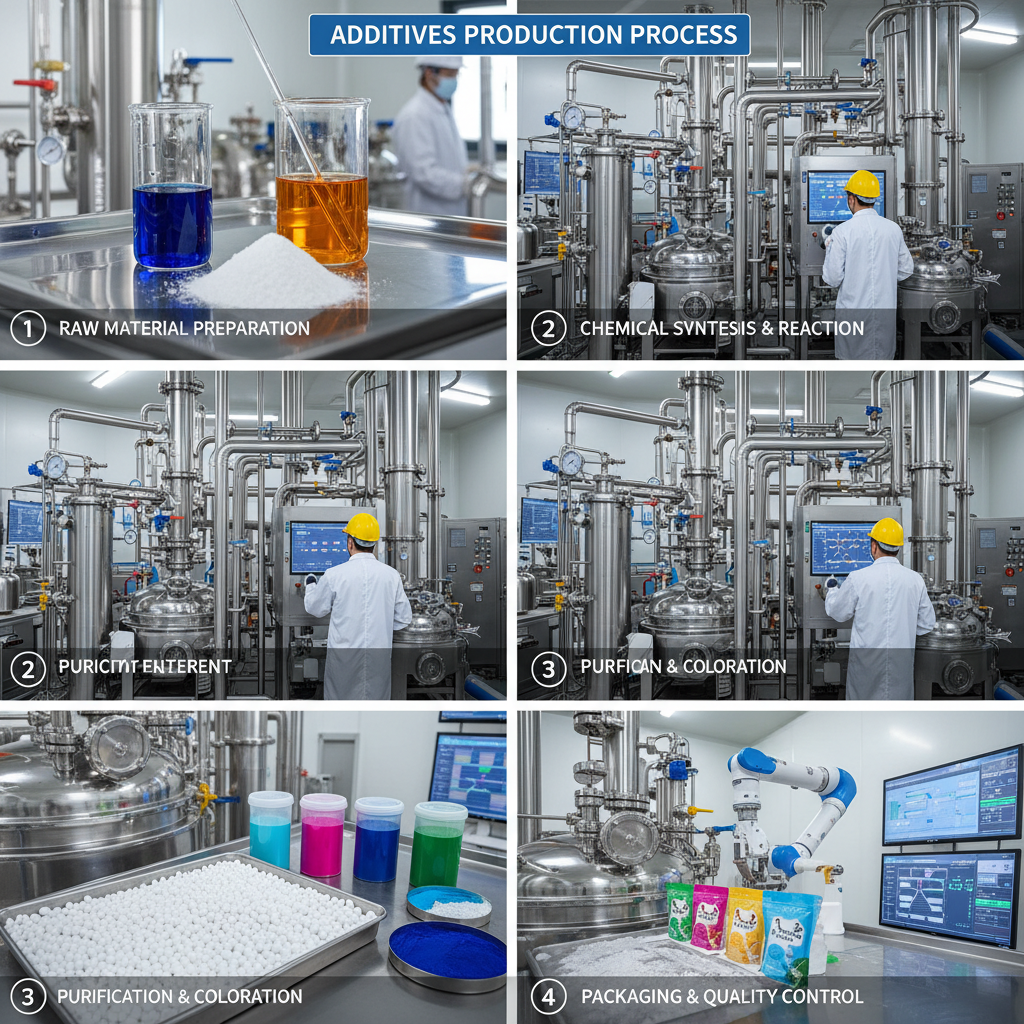
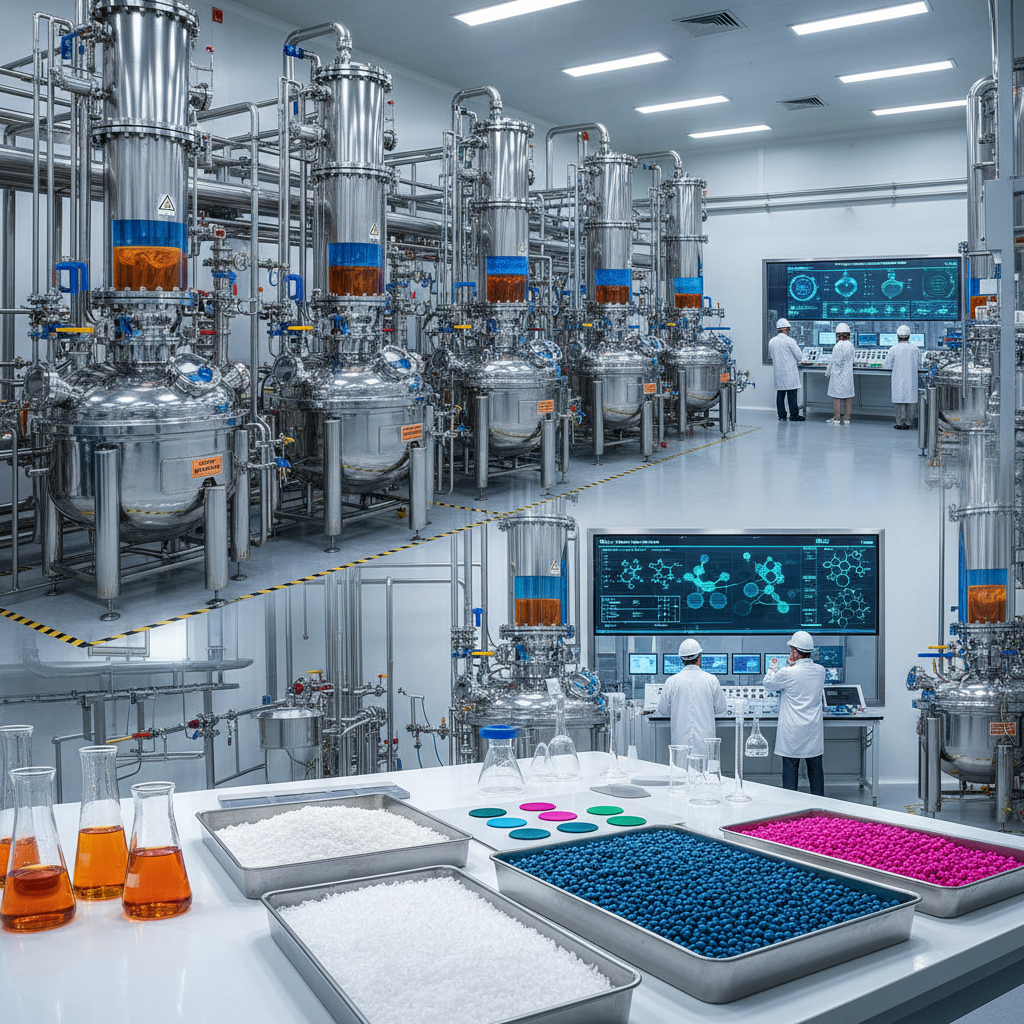
Scalability and stability are critical factors during the manufacturing of glutamate monosodique. Industrial producers utilize large-scale bioreactors where specific strains of bacteria, such as Corynebacterium glutamicum, ferment carbohydrate sources. This process must be precisely controlled to maintain a consistent crystalline structure and prevent clumping in the final powder form.
Cost-efficiency is achieved through the optimization of the raw material supply chain. By using sustainable agricultural by-products as fermentation substrates, manufacturers can lower the production cost of glutamate monosodique while reducing the environmental footprint, making it an economically viable solution for global food producers.
Practical Applications and Use Cases
The application of glutamate monosodique extends far beyond simple table seasonings. In the snack food industry, it is used to create a lingering savory taste that encourages consumption. In the production of frozen meals, it helps restore the flavor that is often lost during the freezing and reheating process, ensuring that the consumer experience remains high-quality regardless of the storage method.
In more specialized sectors, such as pharmaceutical intermediates or feed additives, the compound is used to balance nutrient profiles. For instance, in livestock feed, the addition of glutamate derivatives can improve the palatability of the feed, leading to better growth rates in animals. In remote industrial zones or disaster relief operations, fortified food packets often include these flavor enhancers to make nutrient-dense but bland emergency rations more palatable for affected populations.
Efficiency Analysis of glutamate monosodique Application Methods
Long-Term Value and Economic Advantages
The primary economic value of integrating glutamate monosodique into food production is the significant reduction in raw material costs. Because it is a potent flavor enhancer, manufacturers can achieve the same savory intensity with a fraction of the amount of expensive meat extracts or natural broths, allowing for more competitive pricing in the retail market.
Beyond the balance sheet, there is a long-term social impact. By enhancing the taste of low-cost protein sources (such as legumes and grains), it helps in creating affordable, palatable, and nutritious food options for lower-income populations globally. This reliability in taste and quality fosters trust between the manufacturer and the consumer, ensuring brand loyalty and market stability.
Innovations in Production Technology
The production of glutamate monosodique is currently undergoing a digital transformation. Automation and AI-driven monitoring in fermentation tanks now allow producers to optimize nutrient feeds for bacteria in real-time, maximizing yield while minimizing waste. This shift toward "Industry 4.0" ensures a more consistent product with fewer batch-to-batch variations.
Sustainability is also at the forefront of recent innovations. New green chemistry approaches are replacing traditional chemical purification methods with membrane filtration and advanced crystallization techniques. These methods reduce the use of harsh solvents and lower the energy consumption of the plant, aligning the production of glutamate monosodique with global ESG (Environmental, Social, and Governance) goals.
Furthermore, the development of "natural-identical" versions through precision fermentation allows the industry to meet the demand for cleaner labels. By using non-GMO strains and organic sugar sources, the resulting glutamate monosodique is more readily accepted by health-conscious consumers in the EU and North American markets.
Challenges and Regulatory Solutions
One of the most persistent challenges facing the glutamate monosodique industry is the fragmented regulatory landscape across different continents. While the FDA and EFSA categorize it as safe, local labeling laws in some regions require specific warnings or disclosures that can mislead consumers. The solution lies in industry-wide standardization and educational campaigns based on peer-reviewed science.
Another limitation is the tendency of the powder to absorb moisture (hygroscopy), which can lead to caking during storage. To overcome this, engineers have developed advanced anti-caking coatings and specialized moisture-barrier packaging. These innovations ensure that the additive remains free-flowing and easy to dispense in automated factory settings, reducing downtime and waste.
Finally, the industry is addressing the "sodium concern." While glutamate monosodique contains less sodium than table salt, the trend toward sodium reduction is undeniable. Innovative blends that combine glutamate with potassium salts or yeast extracts are being developed to provide the same savory punch while further reducing the total sodium content of the final food product.
Technical Analysis of glutamate monosodique Quality and Application Standards
| Grade Category |
Purity Level |
Primary Application |
Stability Score (1-10) |
| Food Grade A |
> 99.5% |
Premium Seasonings |
10 |
| Industrial Grade |
98.0% - 99.0% |
Bulk Processed Foods |
9 |
| Feed Grade |
95.0% - 97.0% |
Livestock Nutrition |
8 |
| Pharma Intermediate |
> 99.8% |
Biochemical Synthesis |
10 |
| Custom Blend |
Variable |
Ready-to-use Mixes |
7 |
| Organic Certified |
> 99.0% |
Clean-Label Products |
9 |
FAQS
Yes, glutamate monosodique is widely recognized as safe (GRAS) by global health authorities including the FDA and EFSA. It is metabolized in the body the same way as naturally occurring glutamates from proteins. When used within recommended industrial dosage levels, it poses no health risks to the general population.
Because it provides a powerful umami sensation, glutamate monosodique can enhance the perception of saltiness. This allows food manufacturers to reduce the amount of sodium chloride (table salt) used in a recipe without sacrificing the savory taste, effectively lowering the total sodium content per serving.
The primary difference lies in the purity level and the rigor of the refinement process. Food-grade glutamate monosodique undergoes stricter filtration and quality checks to ensure zero off-flavors and maximum purity for human consumption, whereas feed-grade is optimized for cost-efficiency and nutrient delivery in livestock.
Yes, high-purity versions are used as pharmaceutical intermediates. In this context, it serves as a building block for synthesizing other amino acid derivatives and biochemical compounds used in various medical treatments and supplements.
To maintain its free-flowing properties, it should be stored in a cool, dry environment with low humidity. Using moisture-proof packaging, such as multi-layered PE bags or sealed drums, is essential to prevent the crystals from absorbing atmospheric water and clumping.
While many "natural" flavorings are actually yeast extracts rich in glutamates, fermented glutamate monosodique is technically derived from natural substrates (like sugar beets or corn). For those seeking a "clean label," using hydrolyzed vegetable proteins or specific fungi extracts can provide similar effects.
Conclusion
In summary, glutamate monosodique remains an indispensable tool in the modern food and chemical industry. Its ability to enhance flavor profiles, reduce raw material costs, and provide versatile applications across food, feed, and pharmaceuticals makes it a high-value asset for any production line. By focusing on purity, sustainable fermentation, and scientific transparency, the industry has turned a simple additive into a precision tool for sensory engineering.
Looking forward, the integration of green chemistry and automated production will only further solidify the role of glutamate monosodique in a sustainable global food system. For businesses seeking to optimize their flavor formulations or secure a reliable supply of high-purity additives, partnering with a technically proficient manufacturer is key. Visit our website for more professional insights and procurement solutions: www.chinaseasoning.com