In the competitive landscape of global food seasoning, chinese chicken bouillon has emerged as a cornerstone ingredient for both industrial food processors and home cooks. This concentrated seasoning blend not only simplifies the complex process of simmering bones and aromatics for hours but also provides a consistent, umami-rich flavor profile that is essential for authentic Asian-inspired cuisines. As global palates shift towards more diverse and bold flavors, the demand for high-quality, standardized bouillon bases has surged.
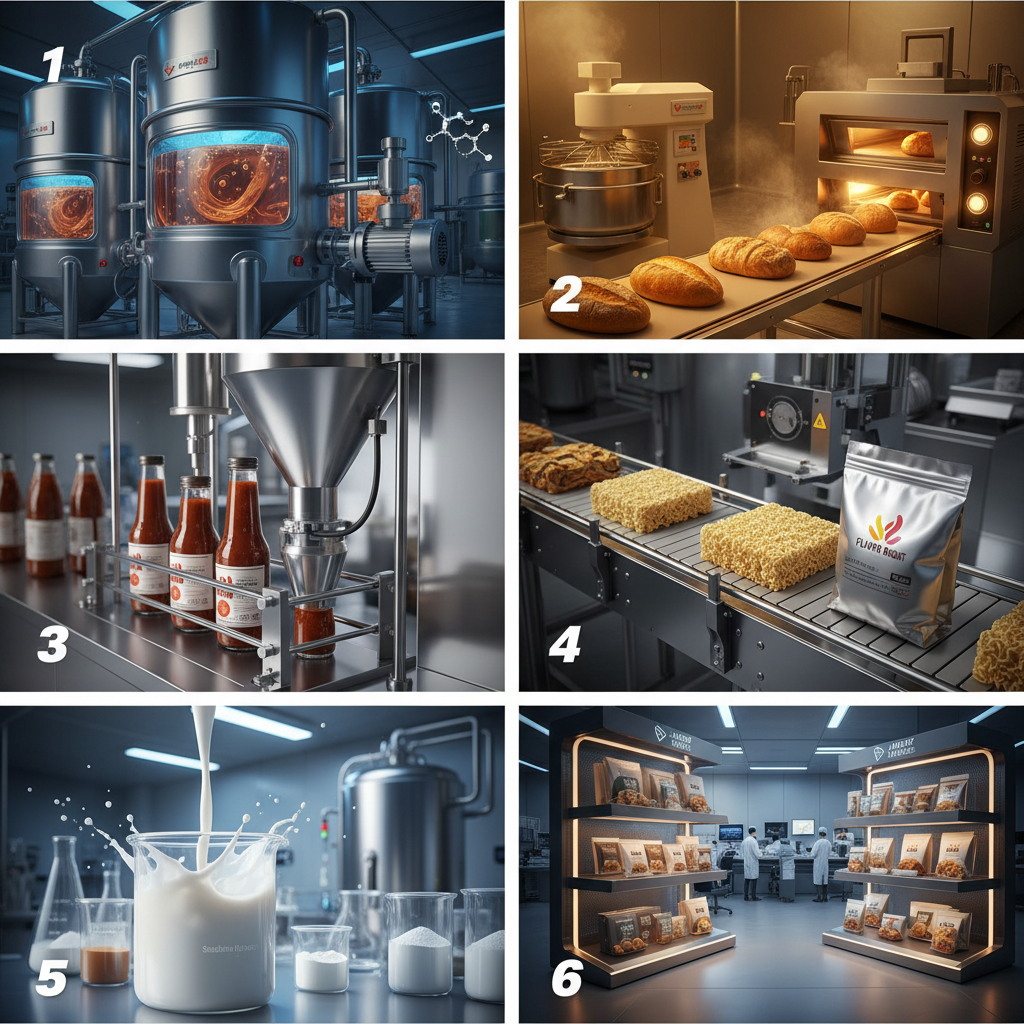
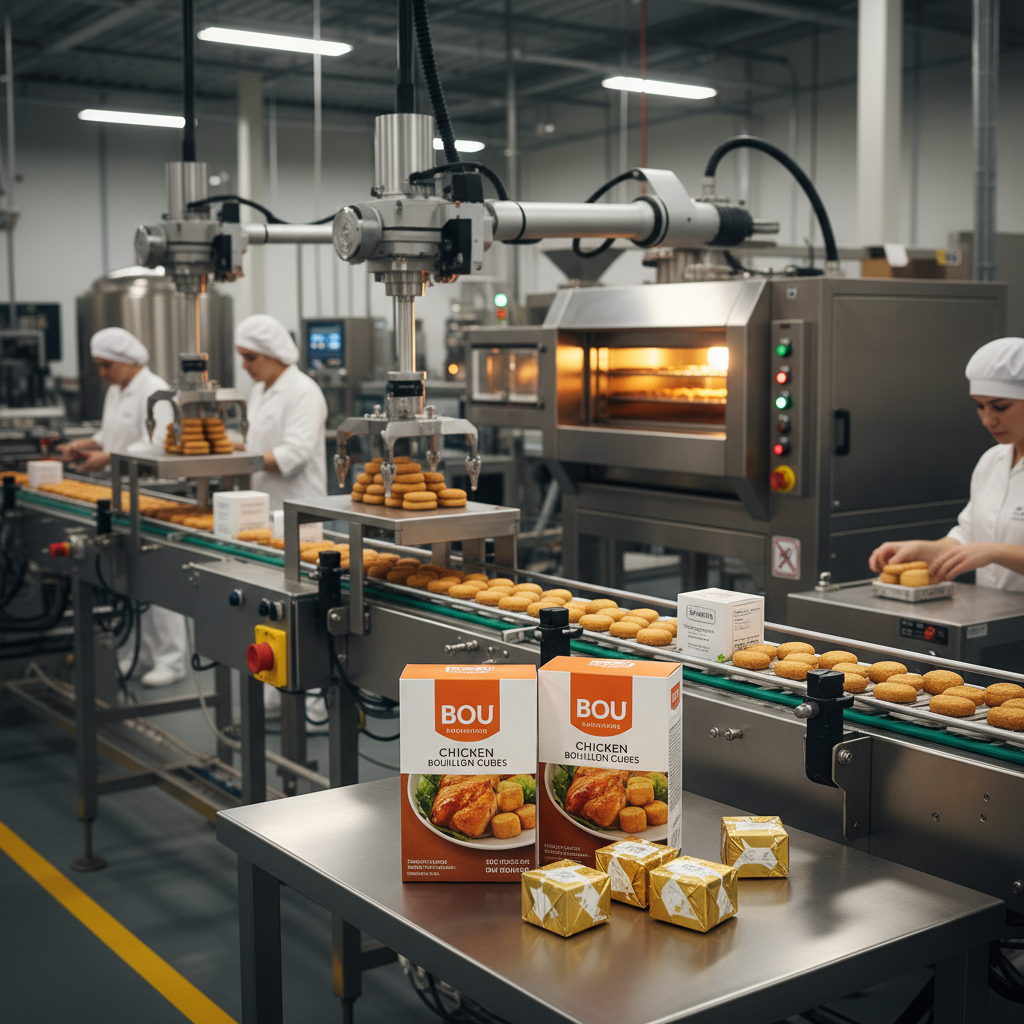
The importance of chinese chicken bouillon extends beyond mere convenience; it represents a marriage of traditional culinary wisdom and modern food science. By utilizing advanced spray-drying and granulation technologies, manufacturers can now preserve the delicate essence of chicken and aromatic spices in a shelf-stable format. This allows for seamless integration into various product categories, from instant noodles and ready-to-eat meals to high-end restaurant bases, ensuring that the "soul" of the dish remains intact regardless of the scale of production.
Understanding the intricacies of this product—ranging from its chemical composition and salt balance to its solubility and purity—is vital for businesses looking to optimize their supply chains. Whether you are sourcing for a pharmaceutical intermediate application or a large-scale food additive project, the quality of your bouillon determines the final sensory experience of the consumer. In this comprehensive guide, we explore the industrial standards, application methods, and future trends that define the world of professional chicken seasoning.
Global Market Relevance of Chinese Chicken Bouillon
The global appetite for convenient, flavor-dense ingredients has positioned chinese chicken bouillon as a critical commodity in the food additive sector. According to recent trade data, the export of concentrated seasonings from East Asia has seen a steady climb, reflecting a broader trend toward "premiumization" in instant foods. The challenge for many manufacturers has been maintaining the authentic "home-cooked" taste while meeting rigorous international food safety standards such as ISO 22000 and HACCP.
Furthermore, the rise of urbanized populations globally has led to a decrease in traditional long-simmering cooking methods. This shift has created a massive vacuum that professional-grade bouillon fills. By providing a standardized taste profile, it allows global food chains to ensure that a soup served in New York tastes identical to one served in Shanghai, reducing variability and increasing consumer trust in brand consistency.
Defining the Standard of Chinese Chicken Bouillon
At its core, chinese chicken bouillon is a dehydrated seasoning agent composed of chicken extracts, salt, flavor enhancers, and a curated blend of spices. Unlike western bouillon cubes, which often lean heavily on celery and parsley, the Chinese variation emphasizes a balance of ginger, garlic, and often a touch of sweetness or fermented soy notes to achieve a deep, savory depth.
In the context of modern industry, this product is categorized as a complex food additive. It serves a humanitarian and economic need by reducing the cost of nutrient-dense flavorings in regions where fresh poultry may be expensive or inaccessible. Its ability to remain stable under various temperatures makes it an ideal component for disaster relief food kits and remote industrial catering.
The technical definition of a "premium" bouillon relies on the ratio of actual chicken solids to fillers. The industry is moving away from simple MSG-based profiles toward more natural yeast extracts and hydrolyzed vegetable proteins, ensuring that the chinese chicken bouillon meets the "clean label" demands of the modern, health-conscious consumer.
Core Components and Technical Specifications
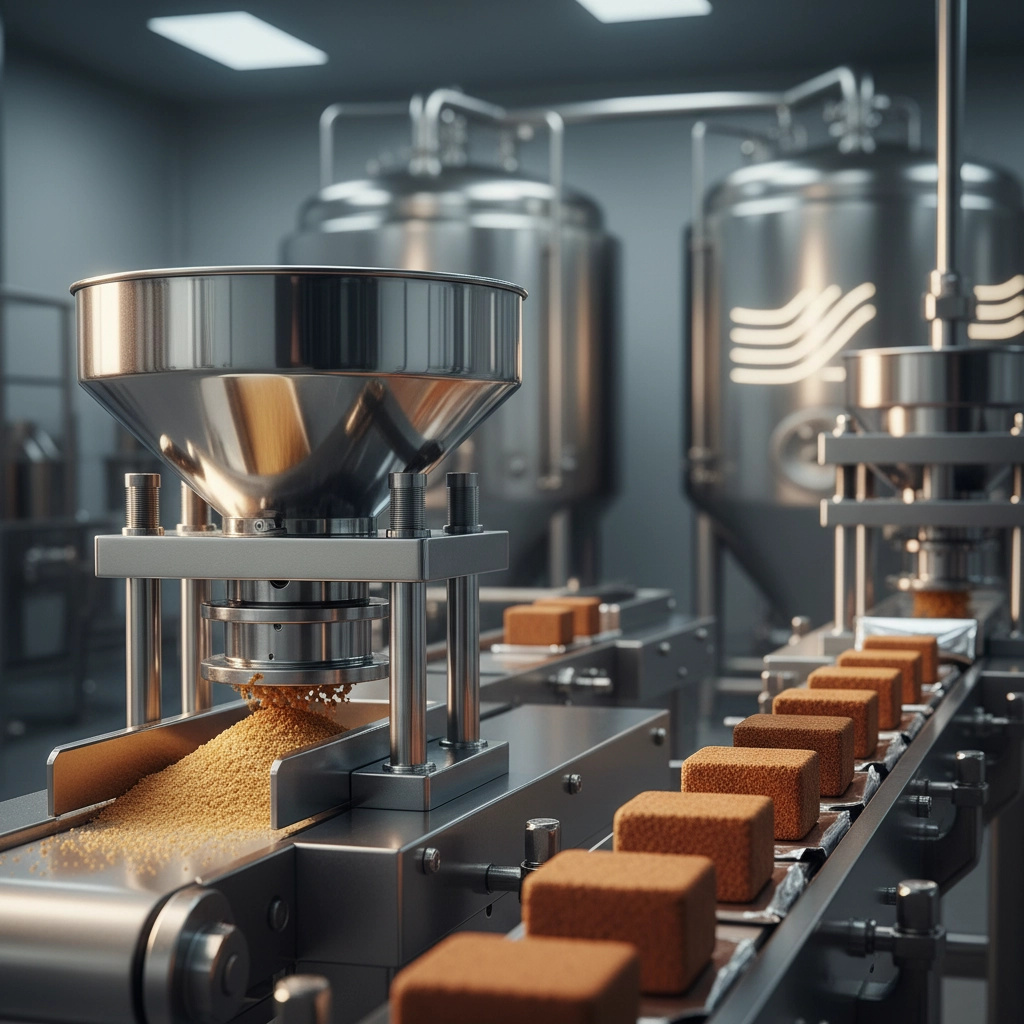
The efficacy of chinese chicken bouillon depends largely on its solubility. A high-grade product must dissolve rapidly in hot water without leaving clumps or sediment, a characteristic achieved through precise particle size control during the granulation process.
Another critical factor is the Umami Balance. By integrating specific concentrations of glutamates and nucleotides, chinese chicken bouillon creates a synergistic effect that enhances the perception of meatiness, allowing manufacturers to reduce actual meat content without sacrificing flavor.
Finally, Shelf Stability is ensured through the control of water activity (aw). By keeping moisture levels below 5%, the bouillon resists microbial growth and prevents the oxidation of fats, ensuring that the chinese chicken bouillon maintains its aromatic integrity for up to 24 months.
Industrial Applications and Efficiency Metrics
The application of chinese chicken bouillon spans multiple sectors. In the instant noodle industry, it is used as the primary flavor base for soup packets. In the hospitality sector, it serves as a "starter" for large-batch sauces and gravies, drastically reducing the labor hours required for base preparation.
From a cost-efficiency perspective, utilizing a concentrated powder rather than liquid stock reduces shipping weights and storage requirements by up to 90%. This logistics advantage is particularly beneficial for companies operating in remote industrial zones or those distributing products internationally.
Performance Comparison of Chinese Chicken Bouillon Formulations
Strategic Advantages and Long-Term Value
The primary advantage of integrating chinese chicken bouillon into a production line is the elimination of sensory variance. Natural chicken stock varies by bird age, breed, and simmering time; a standardized powder ensures that every single batch of product meets the exact same flavor specifications, protecting the brand's reputation for reliability.
Beyond the logic of cost and consistency, there is a value of innovation. By using a high-quality bouillon as a base, food developers can experiment with "fusion" flavors more rapidly, adding different botanical extracts or heat elements without having to rebuild the savory foundation from scratch. This agility accelerates the time-to-market for new product launches.
Future Innovations in Seasoning Technology
The future of chinese chicken bouillon is being shaped by the drive toward sustainability. We are seeing a rise in "hybrid" bouillons that combine traditional chicken extracts with plant-based proteins to reduce the environmental footprint of poultry farming while maintaining the identical taste profile.
Digital transformation is also hitting the manufacturing floor. AI-driven flavor profiling is now used to adjust the composition of bouillon in real-time based on consumer feedback loops, allowing for "hyper-regionalized" versions of chinese chicken bouillon that cater to the specific salt or spice preferences of different global markets.
Automation in the granulation process is further enhancing the purity of the product. New vacuum-drying technologies allow for the removal of moisture at lower temperatures, which prevents the thermal degradation of volatile aromatic compounds, resulting in a bouillon that smells and tastes more like a fresh simmered pot than a processed powder.
Overcoming Common Challenges in Implementation
One of the most common challenges when using chinese chicken bouillon is the "salt spike"—where the seasoning provides the right flavor but exceeds the desired sodium level of the final product. To solve this, expert formulators are utilizing potassium chloride substitutes and flavor enhancers that lower the salt threshold without diminishing the savory impact.
Another issue is the tendency of some powders to cake in humid environments. This is being addressed through the application of food-grade anti-caking agents and improved moisture-barrier packaging. By optimizing the packaging material, manufacturers can ensure the chinese chicken bouillon remains free-flowing even in tropical climates.
Finally, meeting the "Clean Label" requirement—removing artificial colors and synthetic preservatives—remains a hurdle. The solution lies in utilizing natural turmeric or paprika for color and implementing high-pressure processing (HPP) to extend shelf life naturally, ensuring the product remains attractive to the health-conscious demographic.
Analysis of Chinese Chicken Bouillon Formulation Variants
| Formulation Type |
Umami Intensity |
Solubility Rate |
Cost Efficiency |
| Industrial Grade |
Medium |
High |
Excellent |
| Premium Gourmet |
Very High |
Medium |
Moderate |
| Low-Sodium |
Medium |
High |
High |
| Organic Certified |
High |
Medium |
Low |
| Fast-Dissolve |
Medium |
Excellent |
High |
| Concentrated Base |
High |
Low |
Medium |
FAQS
Chinese chicken bouillon typically features a distinct aromatic profile including ginger, garlic, and sometimes fermented soy, whereas standard Western cubes often rely on celery, parsley, and a different salt-to-fat ratio. Furthermore, professional Chinese bouillon is often designed for higher solubility and a deeper "umami" punch suitable for stir-fries and Asian soups.
The key is a combination of anti-caking agents (like silicon dioxide) and high-barrier packaging. We recommend using aluminum-foil lined bags or vacuum-sealed containers to prevent moisture ingress, which is the primary cause of clumping in chicken bouillon powders.
Yes, it is specifically designed for this. Its standardized flavor profile eliminates the variance associated with fresh ingredients, and its concentrated form drastically reduces logistics costs. Many of the world's leading instant noodle and ready-meal brands use professional bouillon as their foundation.
While primarily a food additive, certain high-purity extracts used in bouillon production are utilized in the pharmaceutical industry as nutritional supplements or flavor masking agents for medicinal syrups, though these require specific medical-grade certifications.
We suggest using bouillon formulations that incorporate potassium chloride or yeast extracts. These components mimic the salty taste of sodium chloride but with a lower impact on blood pressure, allowing you to maintain the savory "meatiness" while appealing to health-conscious consumers.
When stored in a cool, dry place and sealed correctly, professional chinese chicken bouillon typically has a shelf life of 18 to 24 months. The low water activity prevents spoilage, making it a highly reliable ingredient for long-term inventory.
Conclusion
In summary, chinese chicken bouillon represents far more than a simple kitchen shortcut; it is a sophisticated industrial tool that enables consistency, efficiency, and flavor excellence on a global scale. From the precision of its umami balance to the strategic advantages of its dehydrated form, it provides the essential foundation for countless food products, bridging the gap between traditional taste and modern manufacturing demands.
Looking ahead, the industry will continue to evolve toward cleaner labels and more sustainable sourcing, ensuring that this vital ingredient remains relevant in an era of health-consciousness. For businesses seeking to elevate their product quality and optimize production costs, investing in high-grade, standardized bouillon is not just a culinary choice, but a strategic business decision. Visit our website for more professional solutions: www.chinaseasoning.com