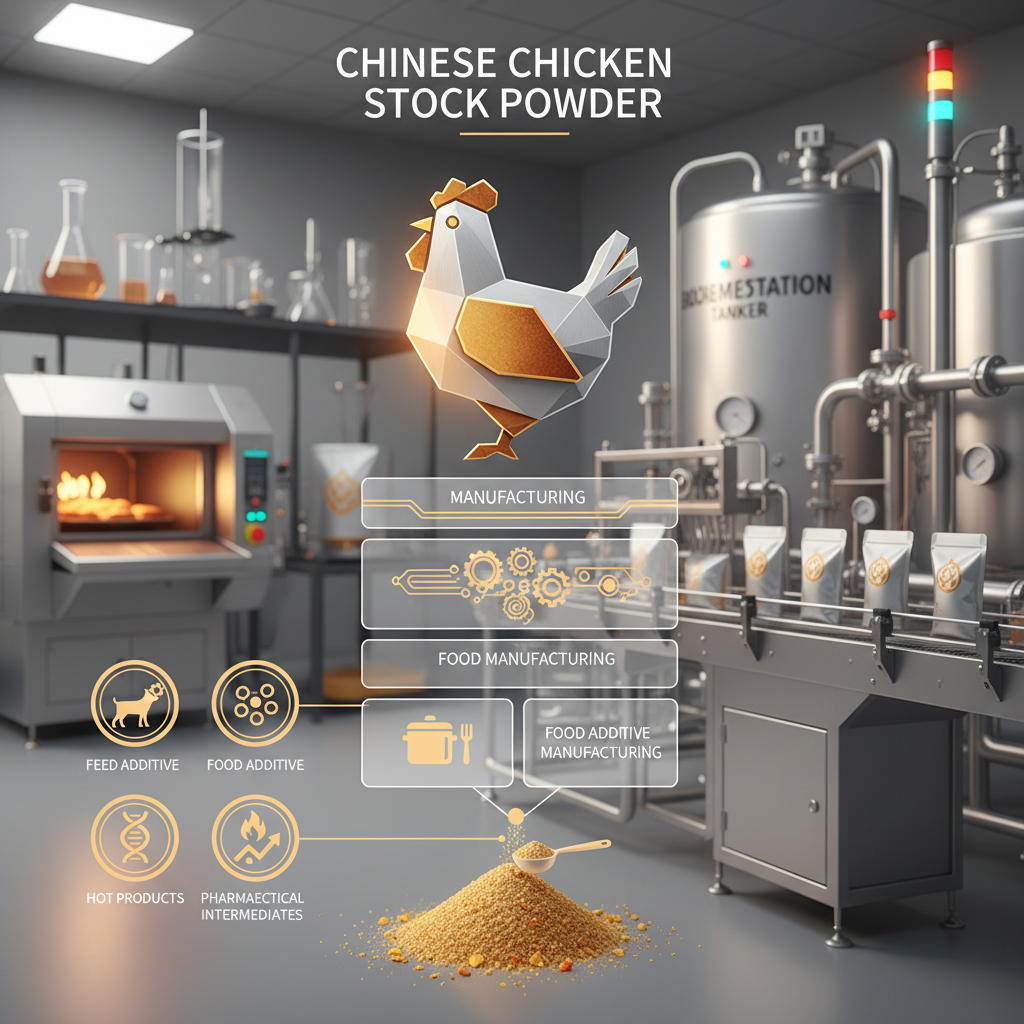
In the evolving landscape of global culinary arts and industrial food production, chinese chicken stock powder has emerged as a cornerstone ingredient for achieving consistent, deep, and savory flavor profiles. This versatile additive bridges the gap between traditional slow-simmered broths and the fast-paced demands of modern commercial kitchens, providing a standardized Umami base that is essential for a wide range of Asian-inspired cuisines.
Beyond simple convenience, the adoption of high-quality chinese chicken stock powder represents a strategic shift toward operational efficiency and cost-reduction in the food manufacturing sector. By utilizing advanced spray-drying and granulation technologies, manufacturers can now deliver a product that retains the aromatic complexity of real chicken while offering the stability and shelf-life required for international export and large-scale food service.
Understanding the technical composition and application of this additive is crucial for food scientists, procurement managers, and chefs alike. Whether it is used in instant noodle production, ready-to-eat meals, or as a base for gourmet sauces, the right stock powder ensures that the final product meets stringent quality standards while satisfying the palate of a diverse, global consumer base seeking authentic tastes.
Global Industry Context of Chinese Chicken Stock Powder
The global demand for concentrated seasonings has surged as urbanization and the "fast-casual" dining trend accelerate. chinese chicken stock powder serves as a primary driver in this market, reflecting a broader industrial shift toward standardized food additives. According to market trends aligned with ISO food safety standards, the efficiency of powder-based stocks reduces water waste and energy consumption compared to traditional liquid boiling methods, making it an eco-friendly alternative for industrial scales.
However, the industry faces a persistent challenge: balancing the "clean label" movement with the need for intense flavor. Consumers are increasingly wary of artificial fillers, pushing manufacturers of chinese chicken stock powder to innovate using natural yeast extracts and hydrolyzed vegetable proteins to maintain that signature savory profile without relying on excessive chemical additives.
Definition and Industrial Significance
At its core, chinese chicken stock powder is a dehydrated seasoning blend that encapsulates the essence of slow-cooked chicken broth, salt, and a curated mix of aromatic spices. Unlike simple bouillon cubes, the industrial-grade powder is engineered for rapid solubility and uniform distribution, ensuring that every batch of a commercial product tastes identical, regardless of the geographic location of the production facility.
In the context of the modern food additive industry, this powder is more than just a condiment; it is a functional tool for flavor engineering. It allows manufacturers to control the sodium levels and amino acid profiles of their products precisely, which is critical for meeting the diverse regulatory requirements of different international markets, from the EU's strict additive limits to the FDA's labeling laws.
The humanitarian and economic significance of chinese chicken stock powder is also evident in its role in food security and relief. Due to its lightweight nature, long shelf life, and high nutrient density (when fortified), it is frequently used in pre-packaged emergency food rations to provide essential salts and flavors that stimulate appetite in stressed populations.
Core Components for Flavor Stability
The efficacy of chinese chicken stock powder depends heavily on the synergy between its core components. The primary base typically consists of chicken extract or powder, which provides the foundational protein notes and authentic meat aroma that consumers expect.
Central to the "Umami" experience is the integration of glutamates—whether derived from natural sources like yeast extract or added as MSG—which amplify the savory characteristics of the chinese chicken stock powder, making it an indispensable tool for enhancing the taste of bland ingredients.
Furthermore, anti-caking agents and maltodextrin are employed to ensure the powder remains free-flowing and resistant to clumping in humid environments. This technical stability is what allows chinese chicken stock powder to be stored for extended periods without losing its potency or chemical integrity.
Key Performance Factors in Production
When evaluating the quality of chinese chicken stock powder, industrial buyers focus on three primary metrics: solubility, aroma retention, and cost-to-flavor ratio. High-grade powders must dissolve instantly in hot or lukewarm water without leaving residues, ensuring a smooth texture in soups and sauces.
Moreover, the volatilization of aromatic compounds during the drying process is a critical hurdle. Advanced manufacturers utilize low-temperature vacuum drying to ensure that the "fresh chicken" scent is locked into the granules, preventing the flat, overly salty taste associated with low-end alternatives.
Performance Comparison of Chinese Chicken Stock Powder Variants
Global Applications and Real-World Use Cases
The application of chinese chicken stock powder spans across various sectors. In the instant food industry, it is the primary flavoring agent for cup noodles and dehydrated soup mixes across Southeast Asia and Africa, where affordability and taste are paramount. In professional catering, it is used as a "base enhancer" to quickly build depth in large-volume risottos, stews, and braised dishes.
Beyond traditional cooking, we see its use in specialized industrial zones—such as remote mining camps or naval vessels—where fresh ingredients are unavailable. Here, chinese chicken stock powder provides a reliable way to maintain meal quality and nutritional satisfaction for workers in extreme environments.
Long-Term Value and Sustainability
The long-term value of incorporating chinese chicken stock powder into a production line lies in its ability to drastically reduce operational overhead. By eliminating the need for hours of simmering fresh bones and meat, companies save on fuel, labor, and refrigeration costs, which directly translates to a more competitive market price for the end consumer.
From a sustainability perspective, the concentrated nature of the powder minimizes the carbon footprint associated with transportation. Shipping a 25kg bag of chinese chicken stock powder is far more efficient than shipping thousands of liters of liquid stock, reducing the number of vehicles on the road and the total emissions per serving.
Ultimately, the trust placed in these additives stems from their reliability. When a food brand can guarantee that their signature chicken soup tastes the same in New York as it does in Shanghai, they build a level of brand loyalty and consumer trust that is only possible through the precision of industrial-grade seasonings.
Future Innovations in Seasoning Technology
The future of chinese chicken stock powder is being shaped by the "Clean Label" revolution. We are seeing a shift toward the use of fermentation-derived flavors and mushroom extracts to replace synthetic enhancers, creating a "natural" version of the powder that appeals to health-conscious demographics without sacrificing the Umami punch.
Digital transformation is also hitting the factory floor. AI-driven flavor profiling is now used to analyze consumer taste preferences in different regions, allowing manufacturers to tweak the spice ratios in chinese chicken stock powder for specific markets—for example, increasing the ginger notes for East Asian markets or adding a hint of sweetness for Latin American preferences.
Additionally, the integration of encapsulation technology is allowing for "timed-release" flavors. Imagine a powder that releases its primary saltiness immediately upon contact with water but releases its deep aromatic chicken notes only when it reaches a certain boiling temperature, providing a multi-sensory experience for the consumer.
Comparative Analysis of Stock Powder Production Methods
| Production Method |
Flavor Retention |
Solubility Rate |
Cost Efficiency |
| Spray Drying |
Medium |
Very High |
High |
| Freeze Drying |
Excellent |
High |
Low |
| Vacuum Drying |
High |
Medium |
Medium |
| Drum Drying |
Low |
Medium |
Very High |
| Agglomeration |
Medium |
Excellent |
Medium |
| Cold Pressing |
High |
Low |
Medium |
FAQS
The primary difference lies in the concentration of real chicken extract and the method of dehydration. High-quality powders use vacuum or freeze-drying to preserve volatile aromatic compounds and use premium yeast extracts for Umami, whereas budget options rely heavily on salt, maltodextrin, and artificial flavorings, resulting in a "flatter" taste profile and lower solubility.
Traditional chicken stock powder contains animal derivatives. However, the industry has developed "chicken-style" vegan powders that use a combination of mushroom extracts, soy protein, and specific yeast extracts to mimic the exact savory profile of chicken without using any animal products, meeting the needs of plant-based markets.
To maintain the free-flowing nature of the powder, it should be stored in a cool, dry place, ideally in airtight moisture-proof bags or HDPE drums. Avoid storing it directly on concrete floors; using pallets is recommended to prevent moisture wicking from the ground, which can cause the powder to cake.
Yes, industrial-grade chinese chicken stock powder is designed to be heat-stable. It can be incorporated into retorted pouches or high-pressure canning processes without losing its flavor integrity, although we recommend adding it at the stage where the flavor profile is most stable to ensure maximum aroma retention.
While ratios vary by brand, a standard industrial starting point is 1 part powder to 20-50 parts water. We recommend a titration test: start with a 2% concentration and adjust based on the other ingredients in your recipe to ensure the salt levels remain within your target regulatory range.
Leading manufacturers produce their powders in facilities that are GMP and HACCP certified. Every batch should come with a Certificate of Analysis (COA) specifying the moisture content, microbial levels, and purity, ensuring it is safe for global distribution and consumption.
Conclusion
In summary, chinese chicken stock powder is far more than a simple kitchen shortcut; it is a sophisticated product of food engineering that enables consistency, scalability, and efficiency in the global food supply chain. By balancing the technical requirements of solubility and stability with the sensory demands of authentic Umami flavor, it provides an essential foundation for countless commercial food products.
Looking forward, the trajectory of the seasoning industry points toward a fusion of "natural" ingredients and "smart" manufacturing. For businesses seeking to elevate their flavor profiles while optimizing costs, investing in a high-quality, standardized stock powder is a strategic move toward long-term growth and consumer satisfaction. Visit our website for more professional solutions: www.chinaseasoning.com