Understanding the diverse sodium glutamate uses in food is essential for food scientists and commercial manufacturers aiming to optimize taste profiles without compromising quality. As a primary driver of the "umami" or savory fifth taste, this compound transforms the sensory experience of a product, making it indispensable in the global seasoning industry.
Globally, the demand for flavor enhancers has surged as consumer preferences shift toward convenient, ready-to-eat meals that require consistent taste across different batches. By strategically applying sodium glutamate, manufacturers can reduce the reliance on high-sodium salts while maintaining a rich, satisfying flavor profile that appeals to a wide demographic.
Whether integrated into a high-protein feed additive or a complex food additive blend, the versatility of this ingredient allows for significant cost efficiencies and improved product stability. Mastering its application is not just about taste, but about achieving a balance between nutritional value, consumer satisfaction, and industrial scalability.
Global Industrial Relevance of Sodium Glutamate
The industrial scale of sodium glutamate uses in food reflects a broader global trend toward standardized taste profiles in the processed food sector. With the rise of global trade, ISO standards for food additives have ensured that this compound can be safely integrated into everything from savory snacks to pharmaceutical intermediates, maintaining a consistent quality that consumers expect regardless of the region.
Moreover, data from global food trade monitors suggest that the efficiency of glutamate-based flavor enhancement significantly lowers production costs for large-scale manufacturers. By optimizing the synergy between glutamates and other nucleotides, companies can achieve a high-impact taste with minimal raw material volume, solving the challenge of cost-effective flavor consistency.
Defining Sodium Glutamate in Modern Food Science
In simple terms, sodium glutamate is the sodium salt of glutamic acid, an amino acid found naturally in many foods like tomatoes and aged cheeses. When we discuss sodium glutamate uses in food, we are referring to the strategic addition of this compound to trigger the umami taste receptors on the tongue, which the brain interprets as "savory" or "meaty."
Beyond simple seasoning, it serves as a critical bridge in modern industry, allowing for the creation of meat-alternative products that mimic the depth of animal proteins. This connection is vital for humanitarian needs, as it enables the fortification of low-cost protein sources in developing regions, making nutrient-dense foods more palatable and acceptable to local populations.
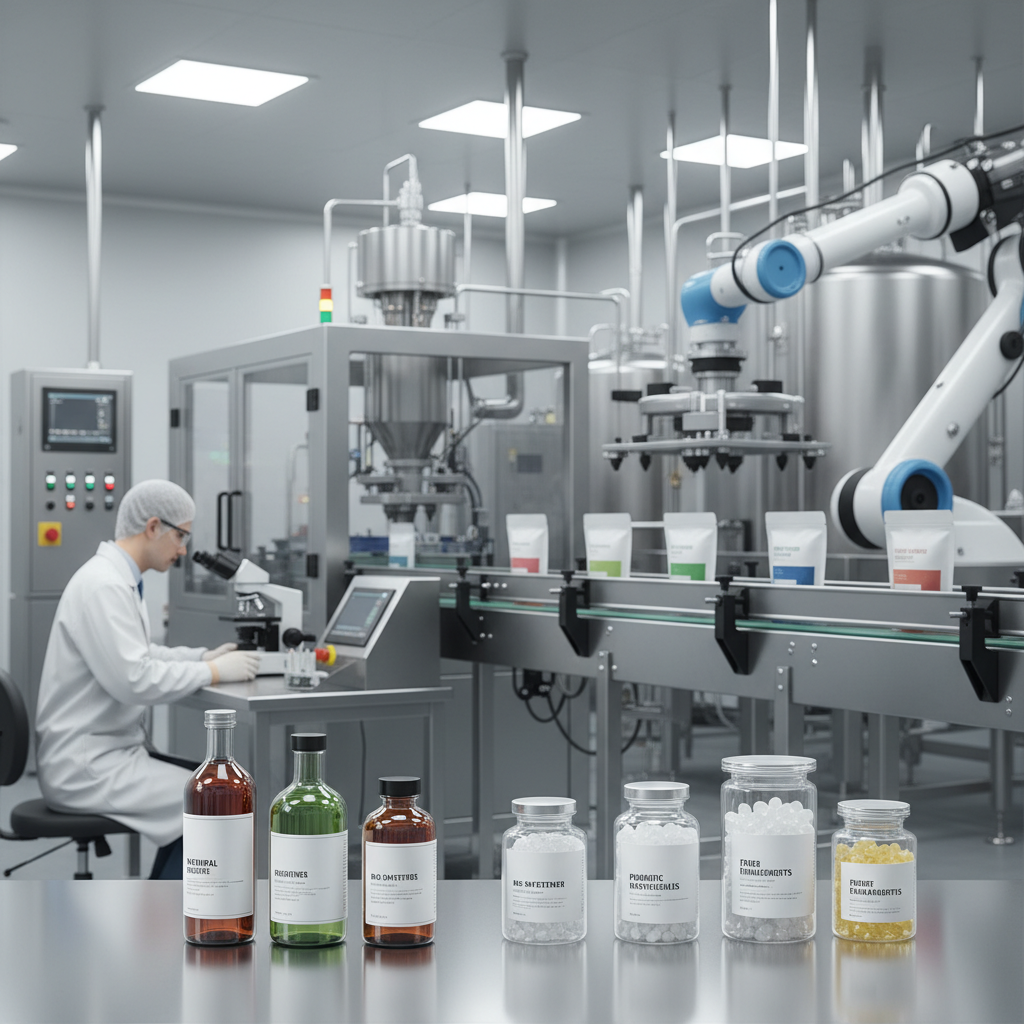
From a chemical perspective, its high solubility and stability make it an ideal candidate for various delivery systems, including spray-drying and granulation. This ensures that the flavor is released consistently during consumption, providing a seamless sensory experience that is a hallmark of professional food engineering.
Key Factors for Effective Flavor Enhancement
One of the primary factors in sodium glutamate uses in food is Synergistic Interaction. When combined with 5'-ribonucleotides (like IMP or GMP), the perceived intensity of the savory taste is multiplied several times over, allowing manufacturers to use lower concentrations of the additive while achieving a more profound flavor.
Cost Efficiency is another core component. Because a very small amount of sodium glutamate can significantly alter the taste profile of a large batch of food, it reduces the need for expensive natural extracts or high volumes of salt, thereby lowering the overall cost per unit without sacrificing quality.
Finally, Stability and Scalability are crucial for industrial applications. Whether it is used in a high-temperature extrusion process for snacks or a cold-mix pharmaceutical intermediate, the compound maintains its structural integrity, ensuring that the final product is uniform across millions of units.
Global Applications and Market Use Cases
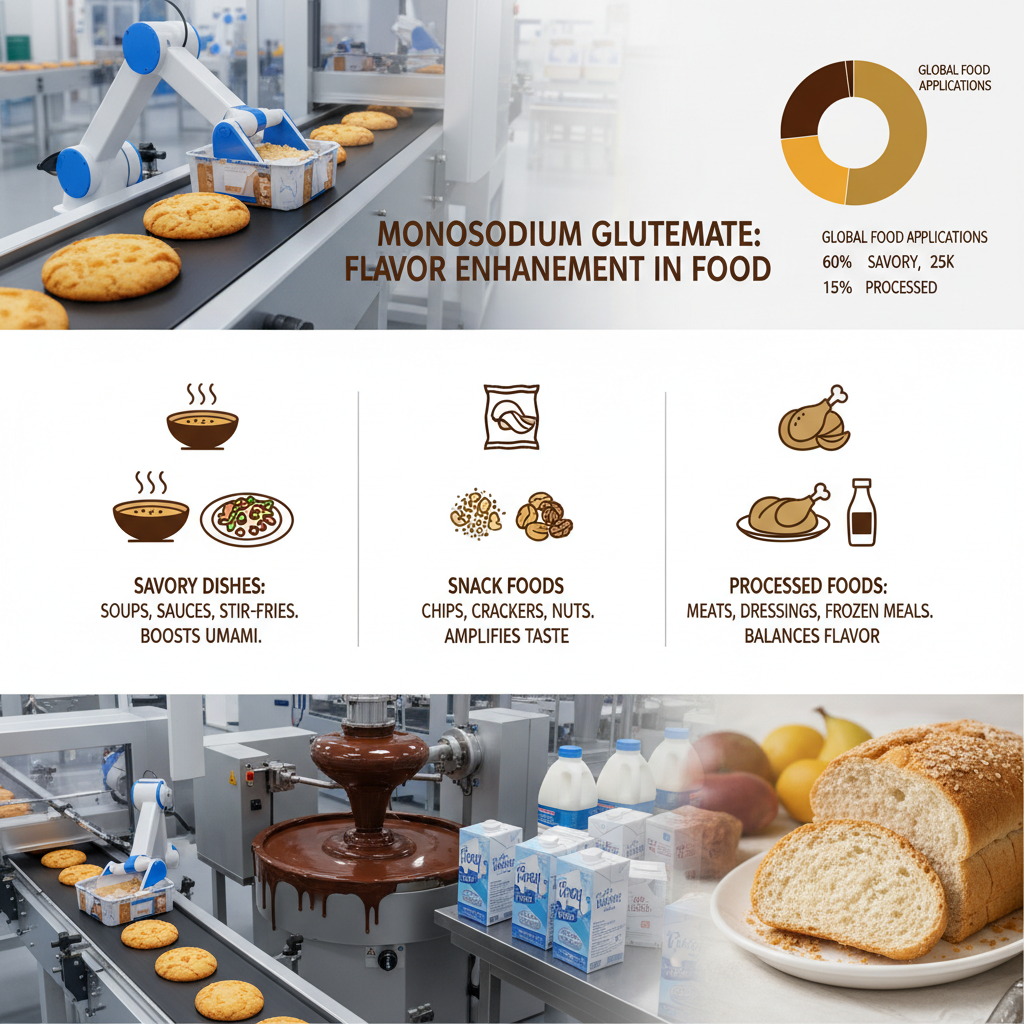
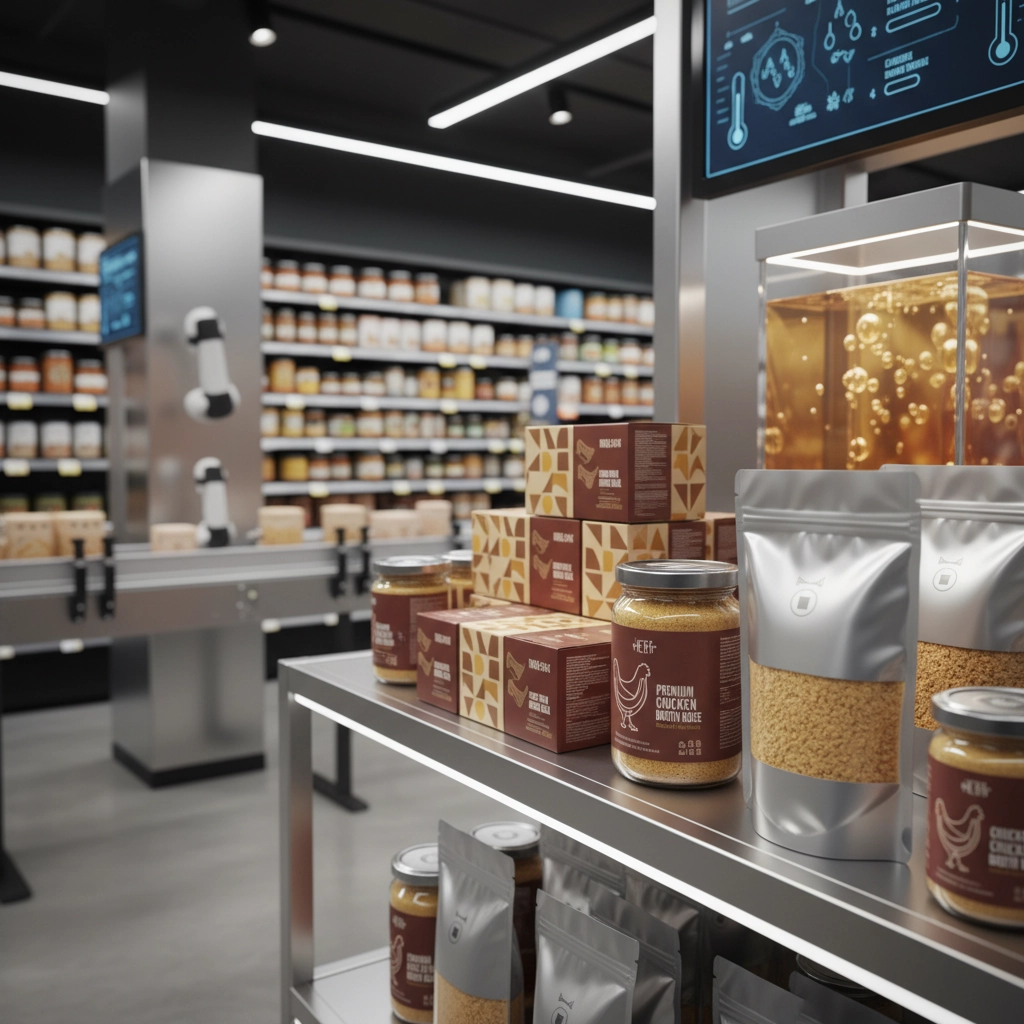
The practical application of sodium glutamate uses in food spans across diverse industries, from the production of instant noodles in Southeast Asia to the development of savory protein bars in North America. In the realm of feed additives, it is often utilized to improve the palatability of livestock feed, encouraging better nutrient intake and growth rates in commercial farming.
In more specialized contexts, such as post-disaster relief operations, sodium glutamate is integrated into emergency food rations (MREs). Because these foods are often bland and nutrient-dense, the addition of a flavor enhancer improves psychological well-being and ensures that affected populations actually consume the necessary calories for survival.
Efficiency Ratings of Sodium Glutamate Applications
Tangible Advantages and Long-Term Value
The primary advantage of sodium glutamate uses in food is the ability to achieve "sodium reduction" without sacrificing taste. Since glutamate triggers the same savory receptors as salt but contains significantly less sodium per gram of perceived flavor, it allows brands to market "low sodium" products that still taste delicious, appealing to health-conscious consumers and regulatory health guidelines.
Beyond the logical benefits of cost and health, there is an emotional value rooted in trust and innovation. By utilizing high-purity food additives, manufacturers can guarantee a consistent taste experience, which builds long-term brand loyalty. The innovation lies in the ability to create complex, multi-layered flavors that evoke comfort and satisfaction, enhancing the overall dining experience for millions.
Future Trends and Sustainable Innovations
Looking ahead, the evolution of sodium glutamate uses in food is closely tied to the "Green Chemistry" movement. We are seeing a shift toward bio-fermentation processes using non-GMO sugar beets or corn, reducing the environmental footprint of production and appealing to the growing demand for sustainable and clean-label ingredients.
Digital transformation is also playing a role, with AI-driven flavor mapping allowing scientists to predict the exact micro-dosage of glutamate needed for specific ethnic flavor profiles. This automation reduces waste during the R&D phase and ensures that flavor profiles are optimized for regional preferences with surgical precision.
Furthermore, the integration of sodium glutamate into functional foods—those that provide health benefits beyond basic nutrition—is an emerging trend. By combining flavor enhancers with vitamins and minerals, the industry can create "fortified savory" products that mask the metallic taste of certain nutrients, making health supplements more accessible in food form.
Overcoming Challenges in Industrial Implementation
Despite its benefits, the implementation of sodium glutamate uses in food often faces the challenge of consumer perception. Misunderstandings regarding "MSG" have led some markets to shun the ingredient. The solution lies in educational transparency and the use of "natural" labeling by deriving glutamate from hydrolyzed vegetable proteins or yeast extracts, which are chemically identical but perceived differently.
Another technical challenge is the "cloying" effect, where an overdose of glutamate can lead to a flat, overly intense taste. Expert insights suggest a "layered seasoning" approach, where glutamate is introduced at different stages of the cooking or mixing process to create a more natural flavor arc, rather than a single, overwhelming burst of umami.
Finally, regulatory variations across different countries can complicate international shipping of food additives. The most effective strategy for global manufacturers is to adhere to the strictest international standards (such as FDA and EFSA) from the outset, ensuring that their products are compliant in every market they enter.
Comparative Analysis of Sodium Glutamate Implementation Strategies
| Implementation Method |
Cost Impact |
Flavor Intensity |
Consumer Acceptance |
| Pure Crystalline MSG |
Very Low |
High (Direct) |
Moderate |
| Yeast Extract Blend |
Medium |
Medium-High |
Very High |
| Hydrolyzed Vegetable Protein |
Low-Medium |
High (Complex) |
High |
| Synergistic Nucleotide Mix |
Medium |
Extreme |
Moderate |
| Natural Fermentation Liquid |
High |
Medium |
Very High |
| Customized Powder Premix |
Medium |
High (Balanced) |
High |
FAQS
Yes, sodium glutamate is recognized as safe (GRAS) by major global health organizations, including the FDA and WHO. It is metabolized by the body in the same way as glutamates found in natural foods like parmesan cheese or tomatoes. When used within recommended industrial dosage levels, it poses no health risk to the general population.
While table salt (sodium chloride) provides a salty taste, sodium glutamate provides the "umami" or savory taste. The key advantage is that glutamate can enhance the perception of saltiness, allowing manufacturers to reduce the actual amount of sodium chloride used in a recipe while maintaining the same flavor intensity.
Absolutely. In fact, sodium glutamate is critical in plant-based meat alternatives. Since plant proteins often lack the deep savory profile of animal proteins, glutamate helps replicate the "meaty" experience, making vegan products more appealing to flexitarian consumers.
For maximum efficiency, it is recommended to use a synergistic approach by mixing sodium glutamate with 5'-ribonucleotides. It should be introduced during the initial mixing phase for dry powders or dissolved in the aqueous phase for liquid seasonings to ensure an even distribution throughout the product.
Sodium glutamate itself is highly stable and does not negatively affect shelf life. In some cases, because it allows for a reduction in salt—which can sometimes interact with other preservatives—it can actually help in maintaining a more stable flavor profile over long storage periods.
The best approach is to partner with a certified manufacturer who provides comprehensive COA (Certificate of Analysis) and MSDS (Material Safety Data Sheet) documentation. Ensuring the supplier complies with ISO and HACCP standards is essential for seamless customs clearance and regulatory approval.
Conclusion
In summary, the strategic application of sodium glutamate uses in food represents a perfect intersection of chemistry, culinary art, and industrial economics. By enhancing the umami profile, reducing sodium dependency, and ensuring cost-effective scalability, this additive enables food manufacturers to meet the rigorous demands of a global market that prizes both taste and health.
As the industry moves toward more sustainable, bio-based production and AI-optimized formulations, the role of flavor enhancers will only grow in importance. For businesses looking to stay competitive, investing in high-purity additives and innovative application methods is the key to unlocking superior product quality and consumer trust. Visit our website: www.chinaseasoning.com