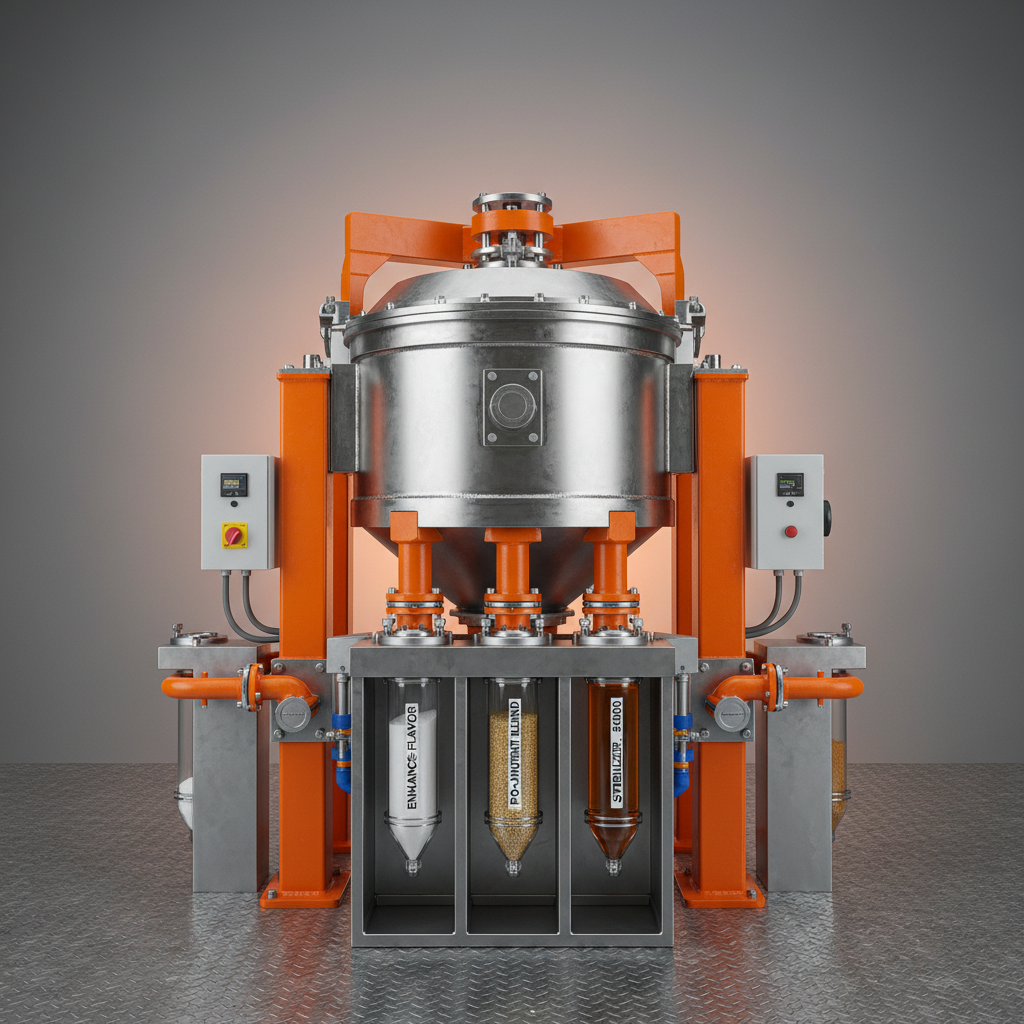
In the competitive landscape of the global food processing industry, chicken base powder has emerged as a pivotal ingredient for achieving consistent flavor profiles across mass-produced culinary products. As consumer demand for convenient, ready-to-eat meals surges, the ability to replicate the complex, savory notes of slow-simmered chicken in a shelf-stable format has become a strategic necessity for food manufacturers worldwide.
Understanding the technical composition and application of this savory concentrate allows brands to optimize their production costs while enhancing the sensory experience for the end consumer. From industrial soup production to the seasoning of savory snacks, the versatility of high-quality powders ensures that flavor intensity remains uniform, regardless of the scale of production or the geographic location of the manufacturing facility.
Beyond simple taste enhancement, the adoption of standardized chicken base powders addresses critical challenges in supply chain volatility and raw material inconsistency. By integrating these refined additives into their formulations, companies can ensure that their products meet stringent international quality standards, providing a reliable taste experience that fosters long-term brand loyalty in an increasingly fragmented global market.
Global Industry Context of Chicken Base Powder
The global market for savory seasonings is undergoing a transformation, driven by the rapid urbanization of Asia-Pacific and Latin American markets. According to industry data aligned with ISO quality standards, the demand for concentrated flavor bases has grown as food manufacturers seek to reduce water content in logistics, thereby lowering shipping costs and carbon footprints. chicken base powder serves as a critical solution to this logistics challenge, replacing bulky liquid stocks with high-potency powders.
However, the industry faces a persistent struggle with "flavor drift"—the phenomenon where raw biological ingredients vary in taste by season or region. This inconsistency can devastate a brand's reputation for reliability. The shift toward standardized powder bases allows manufacturers to bypass the volatility of raw poultry markets, ensuring that a batch produced in January tastes identical to one produced in July.
Defining Chicken Base Powder in Modern Manufacturing
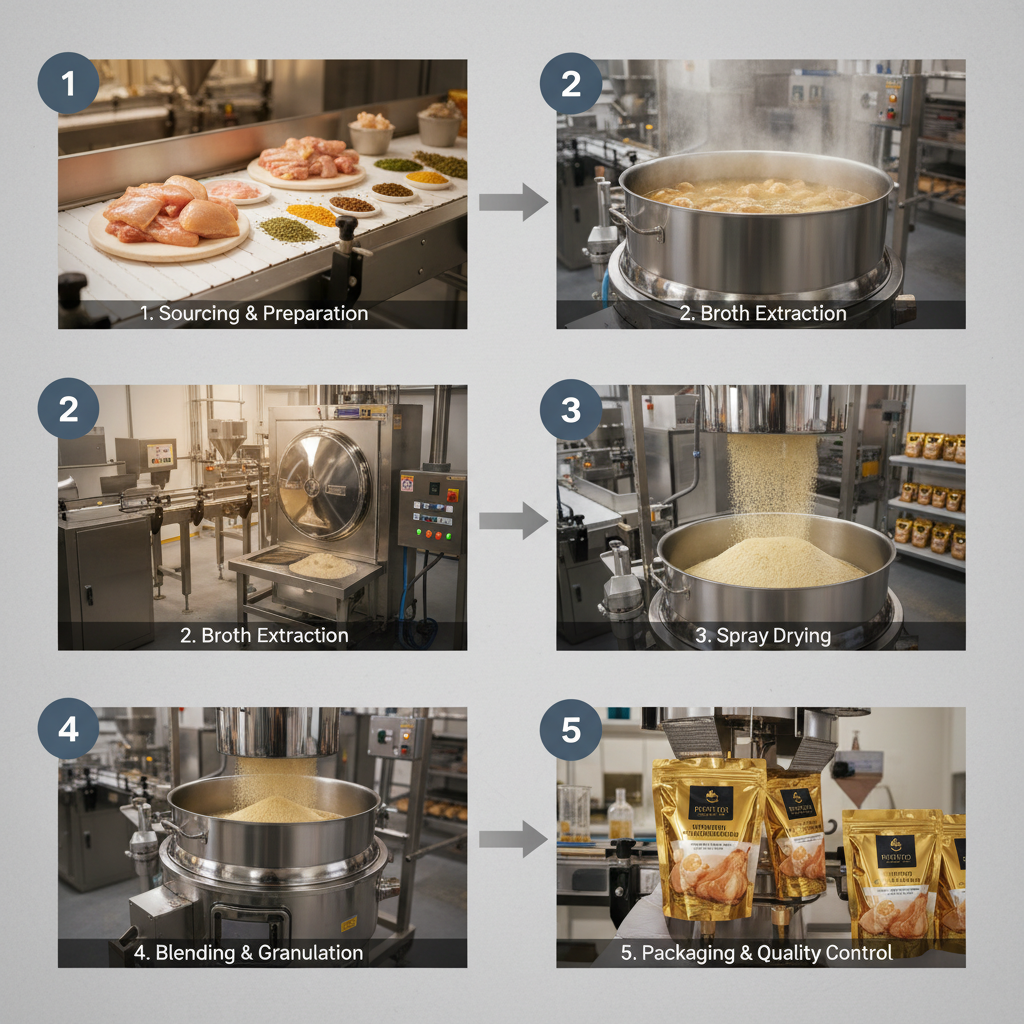
In technical terms, chicken base powder is a dehydrated, concentrated seasoning blend designed to provide the essential aromatic and umami characteristics of cooked chicken. Unlike simple bouillon cubes, industrial-grade base powders are engineered for rapid solubility and high dispersion, making them suitable for automated mixing systems in large-scale food factories.
This product bridges the gap between traditional culinary arts and modern food science. By utilizing spray-drying or freeze-drying technologies, the volatile organic compounds that create the "roasted" or "savory" aroma are trapped within a stable matrix. This ensures that the additive remains potent throughout its shelf life, meeting the humanitarian need for nutrient-dense, flavor-enhanced food in regions with limited fresh food access.
From a classification perspective, it falls under the broader umbrella of food additives, specifically within the flavor enhancer category. Its role is not merely to add salt, but to provide a complex amino acid profile—primarily glutamates—that triggers the savory taste receptors, simulating a rich, homemade stock in a fraction of the preparation time.
Core Components for High-Performance Flavoring
The efficacy of chicken base powder is primarily determined by its "Umami Balance." This is achieved through a precise ratio of naturally occurring nucleotides and glutamates, which work synergistically to amplify the perceived intensity of the chicken flavor without requiring excessive sodium levels.
Another critical component is the "Carrier System," typically consisting of maltodextrin or modified starches. This matrix prevents the active flavor oils in the chicken base powder from clumping (caking) and ensures that the powder flows smoothly through industrial feeders and conveyors, reducing downtime caused by equipment blockage.
Lastly, the integration of aromatic precursors—such as onion and garlic extracts—provides the necessary depth. Without these supporting notes, the chicken base powder would taste one-dimensional; with them, it creates a full-bodied flavor profile that mimics the slow-simmering process of a traditional chicken stock.
Technical Factors in Powder Efficiency
When evaluating the performance of a savory additive, manufacturers focus on "Solubility Speed" and "Flavor Release." A superior chicken base powder must dissolve instantaneously in water at varying temperatures to avoid the formation of "flavor pockets"—undissolved clumps that create inconsistent taste in the final product.
Additionally, cost efficiency is measured not by the price per kilogram, but by the "Usage Rate." A highly concentrated powder allows a manufacturer to achieve the desired taste profile with a lower inclusion percentage, effectively reducing the overall cost of the final formulation while maintaining premium quality.
Efficiency Comparison of Chicken Base Powder Formulations
Global Applications and Industrial Use Cases
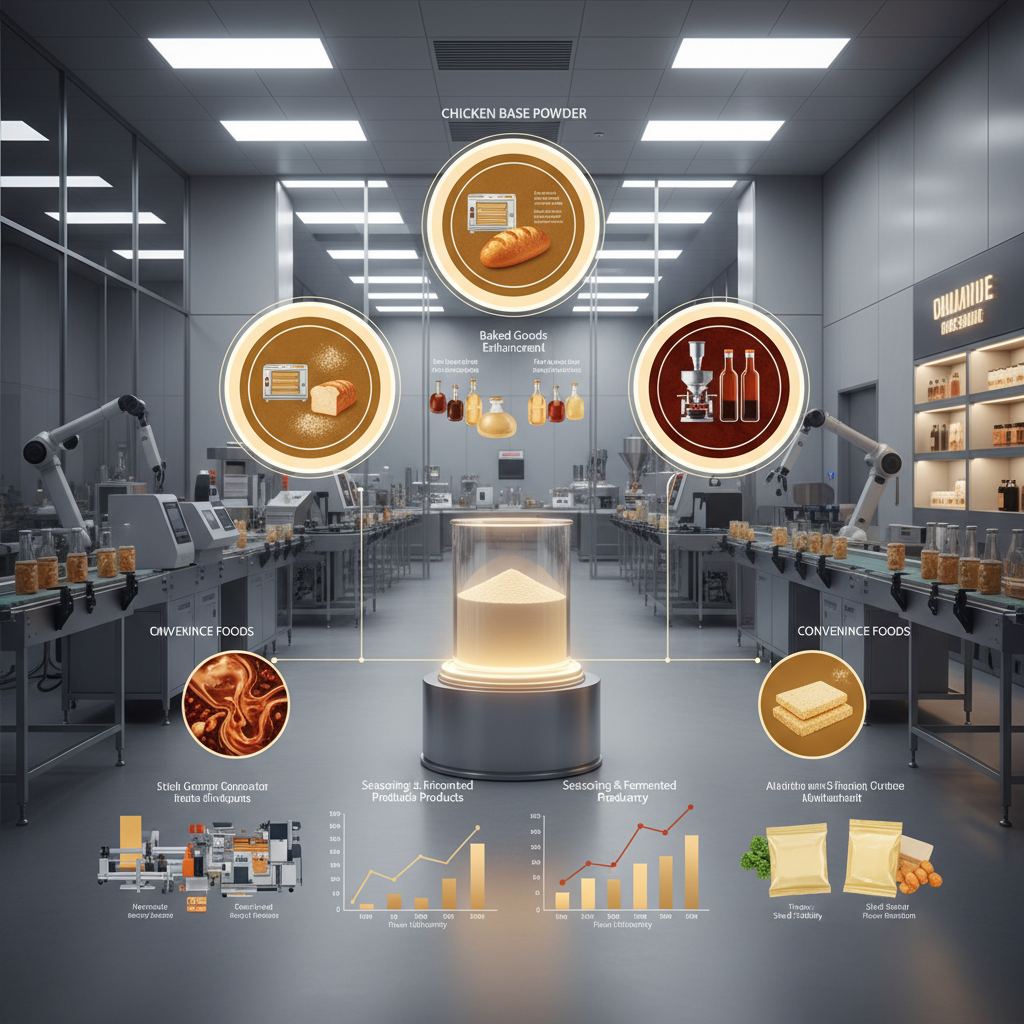
The application of chicken base powder extends far beyond simple soup production. In the snack food industry, it is used as a primary coating for extruded corn puffs and potato chips, where its fine particle size allows for an even distribution of flavor across the surface of the snack, ensuring every bite is consistently savory.
In the context of global food security and disaster relief, these powders are invaluable. NGOs often incorporate high-potency chicken base powders into fortified porridge and emergency rations. Because the powder is lightweight and has an extended shelf life without refrigeration, it provides the essential comfort of flavor and appetite stimulation to populations in remote industrial zones or post-disaster areas.
Long-Term Value and Economic Advantages
Investing in a premium chicken base powder offers significant long-term operational savings. By reducing the reliance on fresh chicken carcasses for stock production, companies eliminate the risks associated with biological waste management and the high energy costs of boiling massive quantities of water for hours.
From a brand equity perspective, the consistency provided by standardized powders builds deep trust with the consumer. When a customer purchases a product today, they expect the same taste they experienced a year ago; this "sensory reliability" is only possible through the use of precisely engineered additives that neutralize raw material variance.
Furthermore, the transition to powder bases supports sustainability goals. Reduced water usage in the manufacturing phase and the elimination of refrigerated transport for liquid bases significantly lower the overall carbon footprint of the product line, aligning the company with global green initiatives.
Future Trends in Savory Additive Innovation
The future of chicken base powder is moving toward "Clean Label" innovation. Consumers are increasingly demanding the removal of artificial enhancers like MSG in favor of natural yeast extracts and mushroom-based umami boosters. This shift is driving developers to find new ways to maintain flavor intensity while using only naturally derived ingredients.
Digital transformation is also playing a role, with AI-driven flavor profiling allowing manufacturers to customize their powder blends for specific regional tastes. For example, a "chicken base" for the Southeast Asian market may be engineered with higher citrus notes, while a version for the European market may emphasize herbaceous profiles, all while using the same base production technology.
Additionally, the rise of plant-based diets is sparking the creation of "vegan chicken" base powders. These products use fermented proteins and precise molecular gastronomy to mimic the taste of chicken without using any animal derivatives, opening up entirely new market segments for food additive manufacturers.
Comparison of Future-Proofing Strategies for Chicken Base Powder Production
| Innovation Driver |
Technical Approach |
Market Impact |
Implementation Score |
| Clean Label Demand |
Yeast Extract Substitution |
High Consumer Trust |
9/10 |
| Plant-Based Shift |
Fermented Pea Protein |
New Market Entry |
8/10 |
| Regional Customization |
AI Flavor Mapping |
Increased Global Sales |
7/10 |
| Sustainability |
Low-Temp Dehydration |
Lower Carbon Footprint |
8/10 |
| Sodium Reduction |
Potassium Salt Blends |
Health-Conscious Growth |
6/10 |
| Packaging Innovation |
Biodegradable Films |
Regulatory Compliance |
9/10 |
FAQS
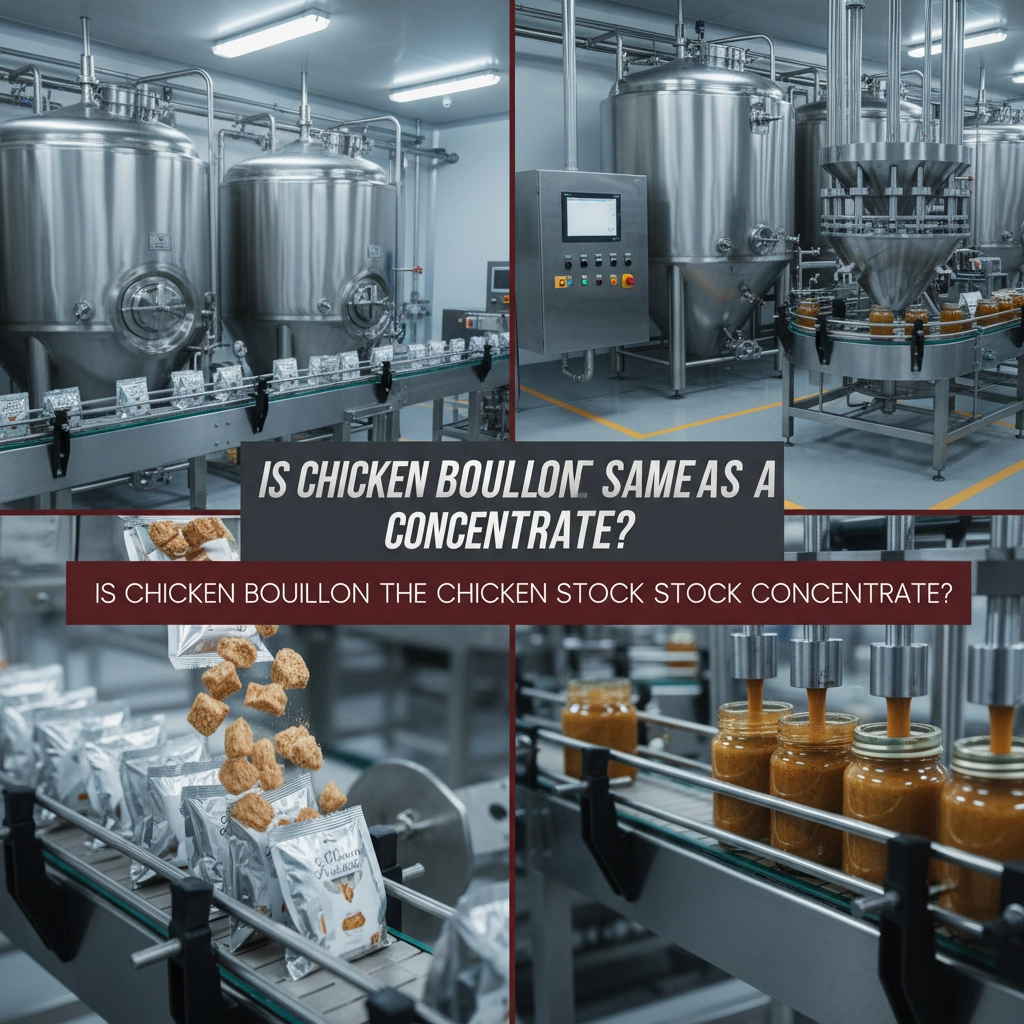
While bouillon is often sold as a consumer-facing cube for home use, industrial chicken base powder is engineered for high-scale manufacturing. It features superior solubility, precise micronization for even distribution, and a more stable chemical matrix to withstand the high-heat processes of industrial food production, ensuring a consistent taste across thousands of units.
Traditional chicken base powder contains animal derivatives. However, there are specialized plant-based versions that use fermented proteins, yeast extracts, and natural aromatics to mimic the "chicken" flavor profile perfectly without using any animal products, making them ideal for the growing vegan and vegetarian market.
When stored in a cool, dry environment and sealed in moisture-proof packaging, professional-grade chicken base powder typically maintains its full flavor potency for 12 to 24 months. The removal of moisture inhibits microbial growth, making it significantly more stable than liquid concentrates.
Caking is usually caused by humidity. We recommend using powders with anti-caking agents like silicon dioxide or utilizing climate-controlled silos with dehumidification systems. Ensuring the powder is stored in airtight containers and utilizing mechanical agitators can also prevent the formation of clumps.
Yes. By utilizing a synergistic blend of nucleotides (like IMP and GMP) and natural yeast extracts, we can enhance the "umami" perception. This allows manufacturers to reduce the actual salt content of the chicken base powder while maintaining the same perceived intensity of flavor.
Importing food additives requires strict adherence to the destination country's food safety laws (such as FDA in the USA or EFSA in Europe). We provide all necessary Certificates of Analysis (COA), MSDS, and ISO certifications to ensure a smooth customs clearance process and regulatory compliance.
Conclusion
In summary, chicken base powder represents a critical intersection of culinary tradition and industrial efficiency. By solving the challenges of flavor inconsistency, logistics costs, and raw material volatility, it enables food manufacturers to scale their operations without sacrificing the quality or the sensory appeal of their products. From the technical precision of umami balancing to the strategic advantage of shelf stability, this additive is an indispensable tool in the modern food supply chain.
Looking forward, the industry will continue to evolve toward cleaner labels and sustainable production methods. Companies that embrace these innovations—integrating natural extracts and AI-driven customization—will be best positioned to capture the evolving tastes of a global audience. We encourage food producers to audit their current seasoning strategies and transition toward high-performance, standardized powder solutions to ensure long-term competitiveness. Visit our website: www.chinaseasoning.com