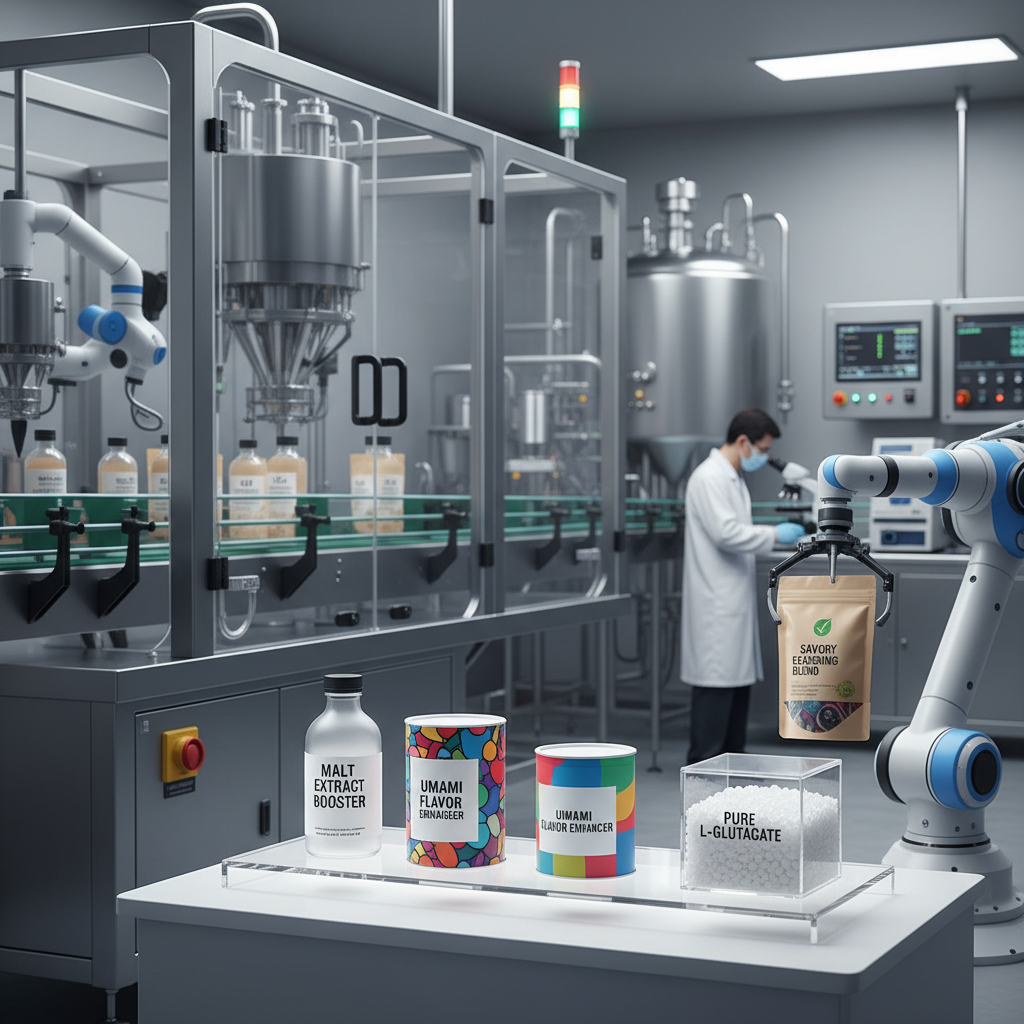
The global food industry relies heavily on the strategic use of flavor enhancers to meet the evolving tastes of a diverse population. Among these, the monosodium glutamate additive stands as one of the most influential components in modern culinary science, providing the essential "umami" or savory taste that defines many of the world's most popular dishes. Understanding its chemical properties and application methods is crucial for manufacturers aiming to balance cost-efficiency with high consumer satisfaction.
From a commercial perspective, the integration of a high-quality monosodium glutamate additive allows food producers to standardize flavor profiles across massive production batches. Whether it is used in processed snacks, canned soups, or industrial condiments, this additive ensures that the sensory experience remains consistent, regardless of the raw ingredient variability found in different geographic sourcing regions.
However, navigating the regulatory landscape and consumer perceptions requires a deep dive into the science of taste. By exploring the technical specifications and the long-term value of this additive, stakeholders in the food and pharmaceutical intermediate sectors can optimize their formulations to achieve a perfect harmony of taste, stability, and safety, ensuring a competitive edge in the global marketplace.
Global Market Relevance of Monosodium Glutamate Additive
The global demand for the monosodium glutamate additive has seen steady growth, driven by the rapid expansion of the processed food sector in Asia-Pacific and Latin America. According to industry data, the pursuit of "convenience foods" has forced manufacturers to find efficient ways to mimic complex, slow-cooked flavors in a fraction of the time. This additive serves as the primary tool for achieving this, bridging the gap between industrial efficiency and gourmet taste.
Beyond simple taste, the economic impact is significant. By reducing the need for expensive natural protein sources to achieve the same savory depth, the monosodium glutamate additive allows for a more democratic distribution of flavorful food products globally, lowering the cost of production while maintaining the sensory standards required by modern consumers.
Defining the Chemistry of Monosodium Glutamate Additive
At its core, a monosodium glutamate additive is the sodium salt of glutamic acid, one of the most abundant naturally occurring amino acids. In the context of food chemistry, it acts by stimulating the umami receptors on the human tongue, which signals the presence of proteins. This makes it an indispensable tool in both food additive and pharmaceutical intermediate categories, where precision in molecular structure is paramount.
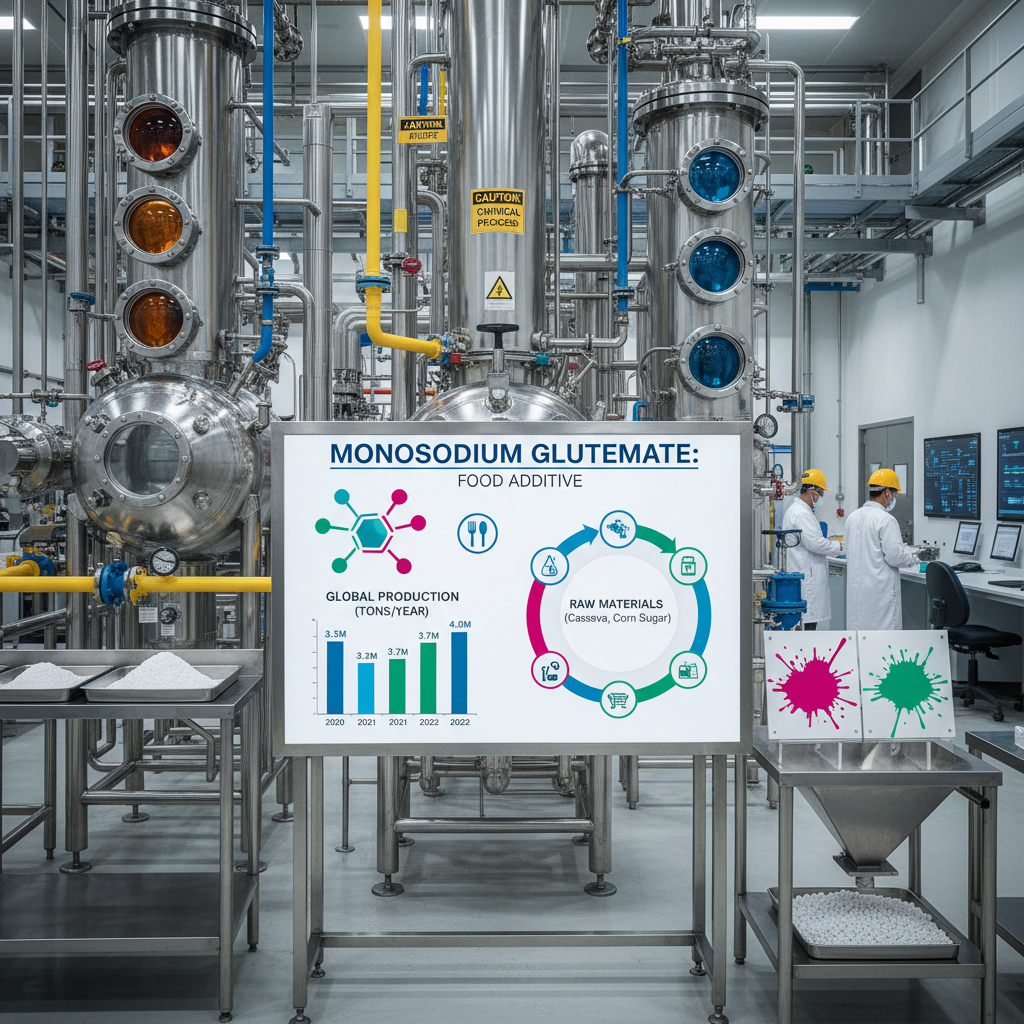
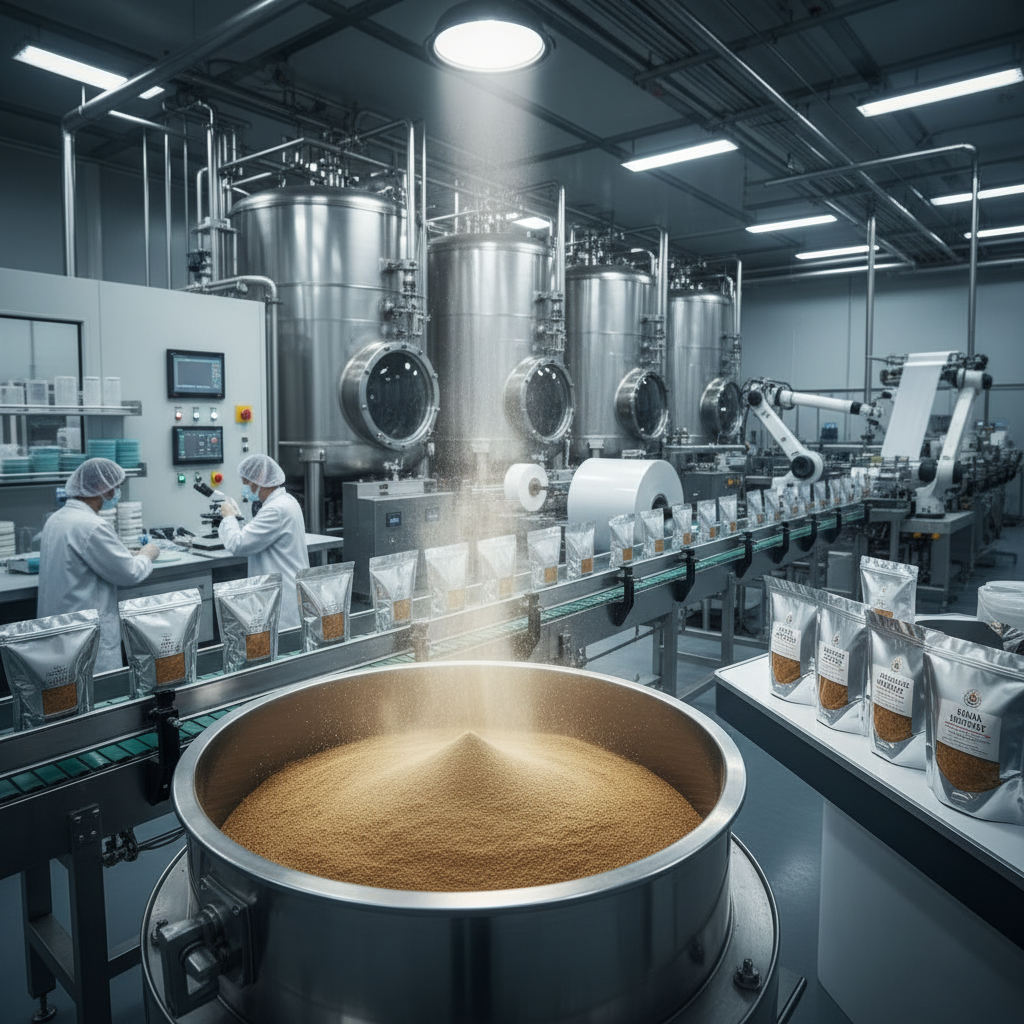
Modern industrial production has transitioned from chemical synthesis to advanced fermentation processes. Using glucose or molasses as a substrate, specialized bacteria convert these sugars into glutamic acid, which is then neutralized with sodium hydroxide to create the crystalline powder we recognize. This bio-technical approach ensures a higher purity level and aligns with the global shift toward biotechnological manufacturing.
The versatility of the monosodium glutamate additive lies in its solubility and stability. It does not degrade easily under standard cooking temperatures, making it ideal for a wide range of applications from frozen appetizers to high-heat stir-fry sauces, ensuring that the flavor profile remains intact from the factory to the consumer's plate.
Core Components and Technical Factors
When evaluating a monosodium glutamate additive, purity is the most critical factor. High-grade additives must be free from impurities that could alter the taste or affect the shelf-life of the end product. This requires rigorous quality control and adherence to ISO and FCC (Food Chemicals Codex) standards to ensure safety and consistency.
Scalability and solubility are equally vital. A professional monosodium glutamate additive must dissolve rapidly in aqueous solutions without clumping, allowing for seamless integration into automated mixing systems. This operational efficiency reduces downtime and ensures that the additive is evenly distributed throughout the food matrix.
Finally, the cost-efficiency of the additive cannot be overlooked. By optimizing the ratio of monosodium glutamate additive to other flavor components, manufacturers can achieve a synergistic effect—where a small amount of the additive enhances the perception of other natural flavors, thereby reducing the overall quantity of ingredients needed.
Practical Industrial Applications and Use Cases
The application of monosodium glutamate additive extends far beyond simple table seasonings. In the meat processing industry, it is used to enhance the perceived juiciness and depth of cured meats, while in the plant-based meat sector, it is a critical component in making pea or soy proteins taste more like traditional animal proteins.
In the realm of pharmaceutical intermediates and specialized feed additives, derivatives of this compound are used to improve the palatability of nutrient-dense supplements. For instance, in livestock feed, a carefully calibrated additive can encourage higher intake rates in young animals, promoting faster growth and better health outcomes.
Performance Comparison of Monosodium Glutamate Additive Types
Strategic Advantages and Long-Term Value
The most tangible benefit of utilizing a professional monosodium glutamate additive is the immediate reduction in raw material costs. Because umami is so potent, manufacturers can replace larger quantities of expensive proteins or natural extracts with a precise dose of the additive without sacrificing the flavor profile.
Beyond the balance sheet, there is a psychological value in reliability. Consistent taste builds consumer trust. When a global brand can guarantee that their product tastes the same in New York as it does in Tokyo, they are leveraging the stability of the monosodium glutamate additive to maintain brand equity and customer loyalty over decades.
Future Trends and Green Innovations
The future of the monosodium glutamate additive is inextricably linked to the "Clean Label" movement. We are seeing a shift toward "natural-source" MSG, derived from the fermentation of sugar beets or corn, which allows brands to market their products as containing ingredients derived from nature, satisfying the demand for transparency.
Digital transformation is also playing a role. Precision dosing systems powered by AI are now being integrated into production lines to adjust the levels of monosodium glutamate additive in real-time based on the chemical analysis of the incoming raw ingredients, ensuring zero waste and perfect flavor.
Furthermore, the industry is exploring the synergy between this additive and sustainable proteins, such as lab-grown meat and insect proteins. By masking the off-notes of these novel proteins with the savory depth of an additive, the industry is paving the way for a more sustainable global food system.
Overcoming Challenges in Additive Implementation
One of the primary challenges facing the monosodium glutamate additive is the persistence of outdated myths regarding health. To overcome this, industry leaders are investing in educational campaigns and transparent labeling, citing the consensus of global health organizations (such as the FDA and EFSA) that the additive is safe for general consumption.
Another technical challenge is the "flavor masking" effect, where too much additive can overwhelm other delicate notes in a recipe. The solution lies in the "Umami Synergy" approach, where the monosodium glutamate additive is combined with nucleotides (like IMP or GMP) to create a taste that is more complex and natural, rather than just "salty."
Finally, supply chain volatility can impact the availability of high-purity substrates for fermentation. Diversifying raw material sources and investing in local production hubs are the primary strategies being used to ensure a stable supply of the monosodium glutamate additive for global manufacturers.
Analysis of Implementation Strategies for Monosodium Glutamate Additive
| Strategy Type |
Implementation Focus |
Expected Efficiency |
Risk Mitigation |
| Bio-Fermentation |
Sustainable Substrates |
High (9/10) |
Reduced Chemical Waste |
| Synergistic Blending |
Nucleotide Pairing |
Very High (10/10) |
Flavor Overpowering |
| Precision Dosing |
AI-Driven Control |
Medium (7/10) |
Batch Inconsistency |
| Clean Labeling |
Natural Source Origin |
Medium (6/10) |
Consumer Skepticism |
| Cold-Press Integration |
Low-Temp Solubility |
High (8/10) |
Precipitation Issues |
| Global Sourcing |
Multi-Region Hubs |
Medium (7/10) |
Supply Chain Shocks |
FAQS
Yes, the monosodium glutamate additive is recognized as safe (GRAS) by major international health bodies, including the FDA and the World Health Organization. When used within recommended guidelines, it poses no health risks to the general population and is chemically identical to the glutamate found naturally in foods like tomatoes and parmesan cheese.
From a molecular standpoint, there is no difference. The monosodium glutamate additive is simply a concentrated form of the amino acid glutamic acid. While natural glutamate is found in varying concentrations in foods, the additive allows manufacturers to provide a precise, consistent amount to ensure a standardized taste profile across all batches.
Absolutely. Due to its purity and specific chemical structure, glutamates are often used as precursors or intermediates in the synthesis of various pharmaceutical compounds. The high-grade version of the monosodium glutamate additive is essential for these applications to avoid contamination and ensure the efficacy of the final drug product.
To maintain the free-flowing nature of the additive, it should be stored in a cool, dry environment in airtight containers. Because it is hygroscopic (attracts water), exposure to humidity is the primary cause of clumping. Using moisture-barrier packaging and maintaining a temperature-controlled warehouse is highly recommended for industrial quantities.
The most effective way is to implement "umami synergy." By combining a small amount of monosodium glutamate additive with disodium inosinate (IMP) or disodium guanylate (GMP), you can create a taste intensity that is several times stronger than using MSG alone. This allows you to reduce the total amount of additive used while increasing the flavor impact.
Generally, it does not negatively affect shelf-life. In some cases, it may even help maintain flavor stability over time, as it is less prone to oxidation than some natural protein extracts. However, because it can attract moisture, it is important to ensure the overall product packaging is moisture-proof to prevent texture changes in powdered products.
Conclusion
In summary, the monosodium glutamate additive remains an cornerstone of the food and chemical manufacturing industries, offering an unparalleled combination of taste enhancement, cost-efficiency, and technical stability. From its bio-fermentation roots to its role in creating sustainable protein alternatives, this additive solves the critical industrial challenge of balancing gourmet sensory experiences with the rigors of mass production.
As the industry moves toward a future defined by clean labels and precision nutrition, the strategic application of this additive will continue to evolve. For manufacturers seeking to optimize their product lines, investing in high-purity, sustainably sourced additives is the most viable path toward long-term growth and consumer trust. To explore high-quality solutions for your production needs, visit our website: www.chinaseasoning.com