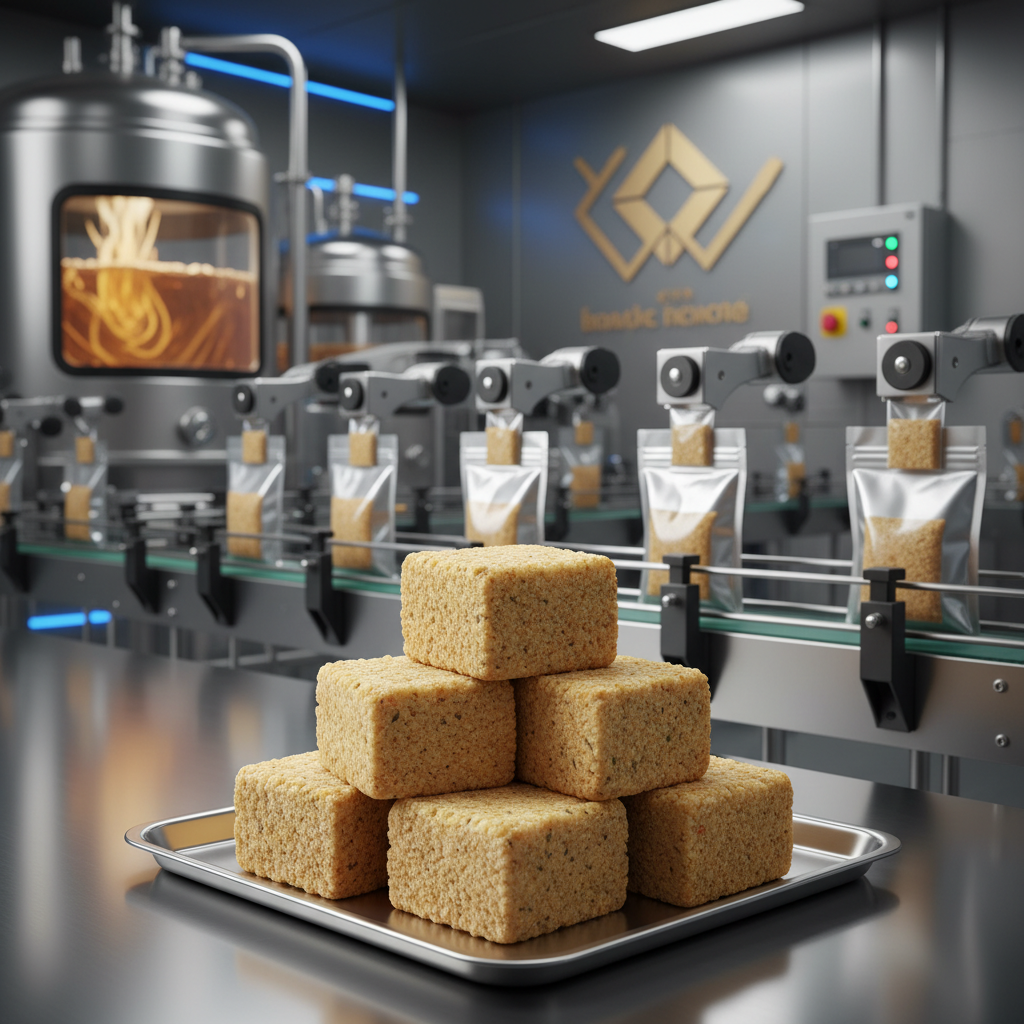
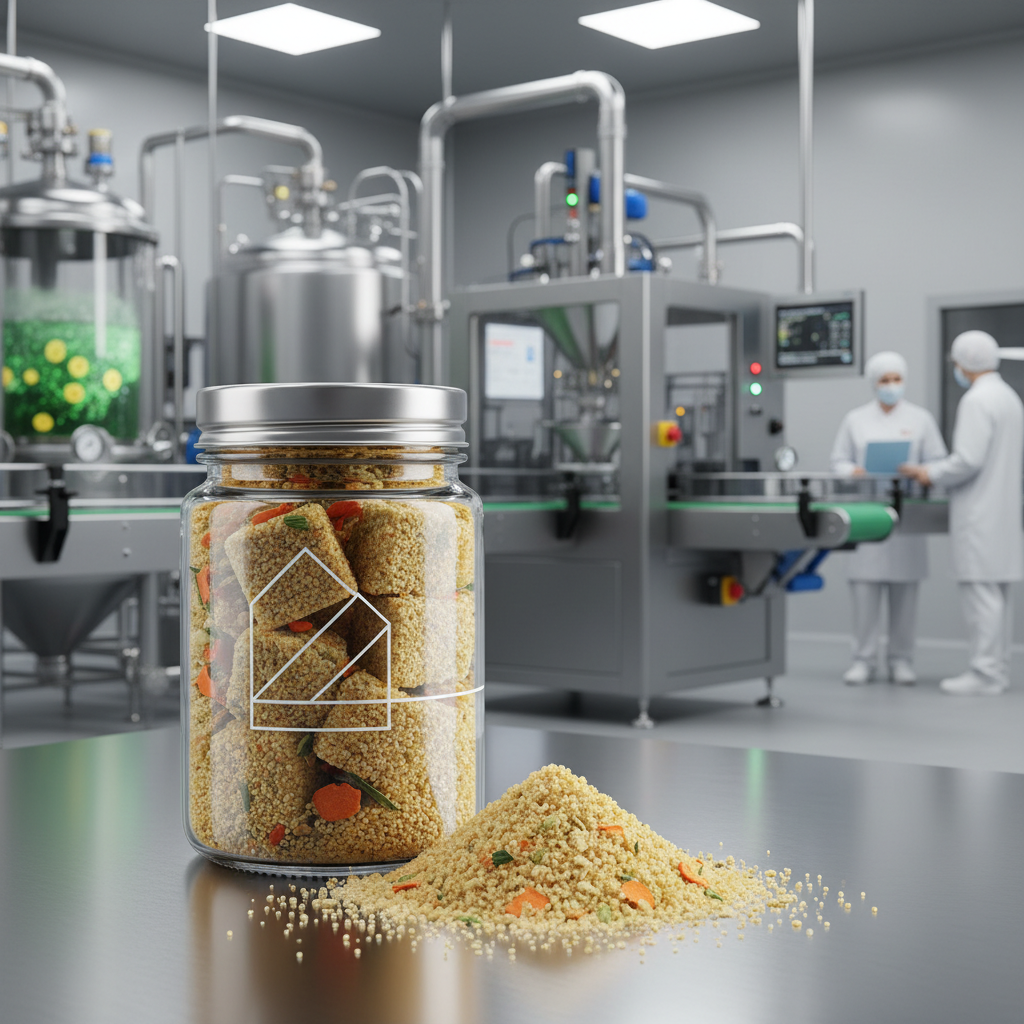
In the fast-paced world of modern culinary arts and industrial food production, the demand for consistent, high-quality flavor bases has led to the widespread adoption of broth cubes chicken. These concentrated flavor enhancers provide a practical solution for chefs and home cooks alike, ensuring that the rich, savory essence of chicken is available instantly without the need for hours of simmering. By condensing complex aromatic profiles into a stable, portable format, these cubes have revolutionized how we approach efficiency in the kitchen.
Globally, the shift toward convenience foods has elevated the importance of high-grade food additives. The ability to standardize taste across different batches and geographical regions makes broth cubes chicken an indispensable tool for the food manufacturing sector. From enhancing the depth of a simple vegetable soup to serving as a foundation for complex sauces in commercial catering, these cubes bridge the gap between artisanal taste and industrial scalability.
Understanding the science behind the formulation of these products is key to maximizing their value. By balancing salt, fats, and hydrolyzed proteins, manufacturers can create a product that not only mimics the taste of fresh broth but also enhances the overall sensory experience of the final dish. This guide explores the global impact, technical components, and future innovations surrounding these essential culinary building blocks.
Global Market Context of Broth Cubes Chicken
The global market for bouillon and seasoning concentrates has seen exponential growth, driven largely by the increasing urban population and the rise of a "convenience culture." According to industry trends aligned with ISO food safety standards, the demand for broth cubes chicken is particularly strong in emerging economies where rapid urbanization has reduced the time available for traditional slow-cooking methods.
However, the industry faces the challenge of balancing intense flavor with health-conscious consumer trends. With the World Health Organization (WHO) advocating for reduced sodium intake, manufacturers are now innovating to create low-sodium versions of these cubes without sacrificing the "umami" punch that consumers expect from a premium chicken-flavored base.
Definition and Industrial Significance
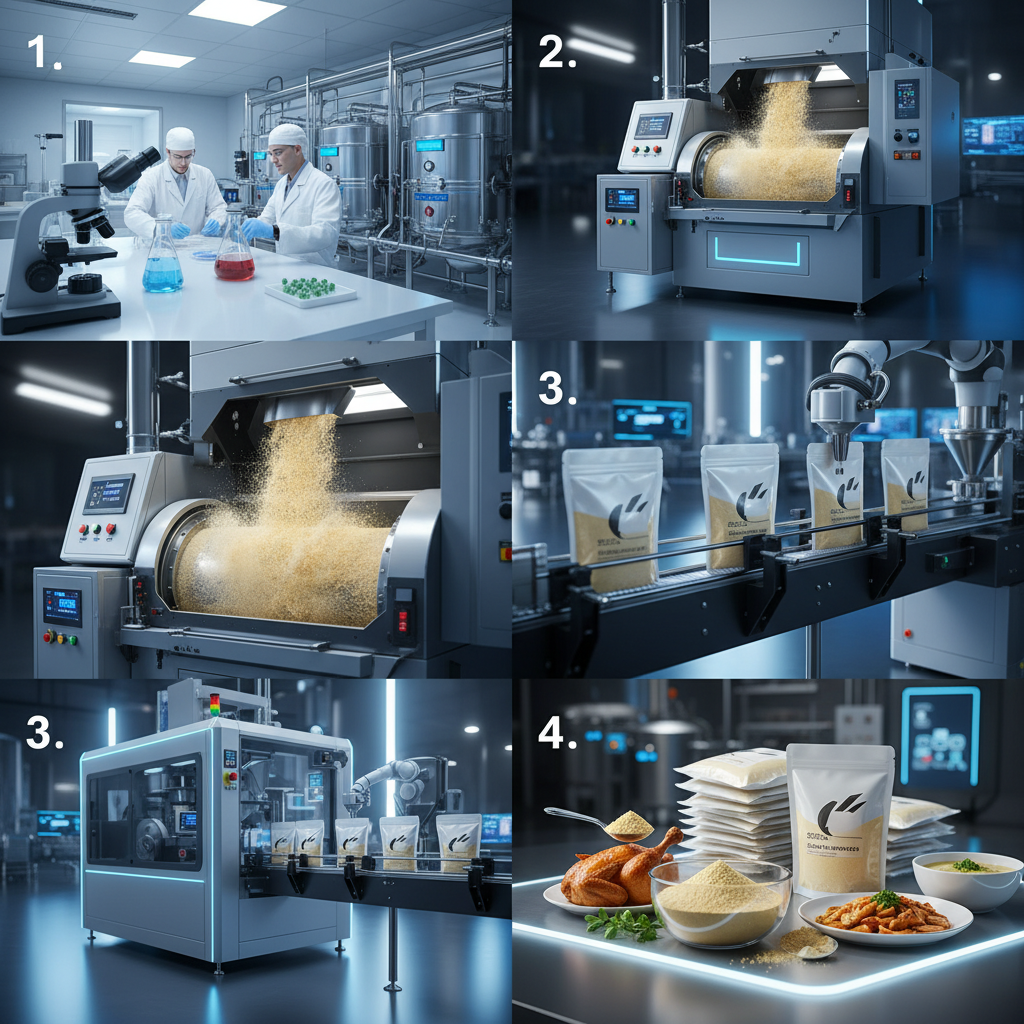
At its core, broth cubes chicken are dehydrated blocks of seasoning that contain a concentrated blend of salt, flavor enhancers, fats, and chicken extracts. Through a process of spray-drying or granulation, these ingredients are compressed into a convenient cube that dissolves rapidly in hot water, releasing a complex profile of savory notes that mimic a long-boiled chicken stock.
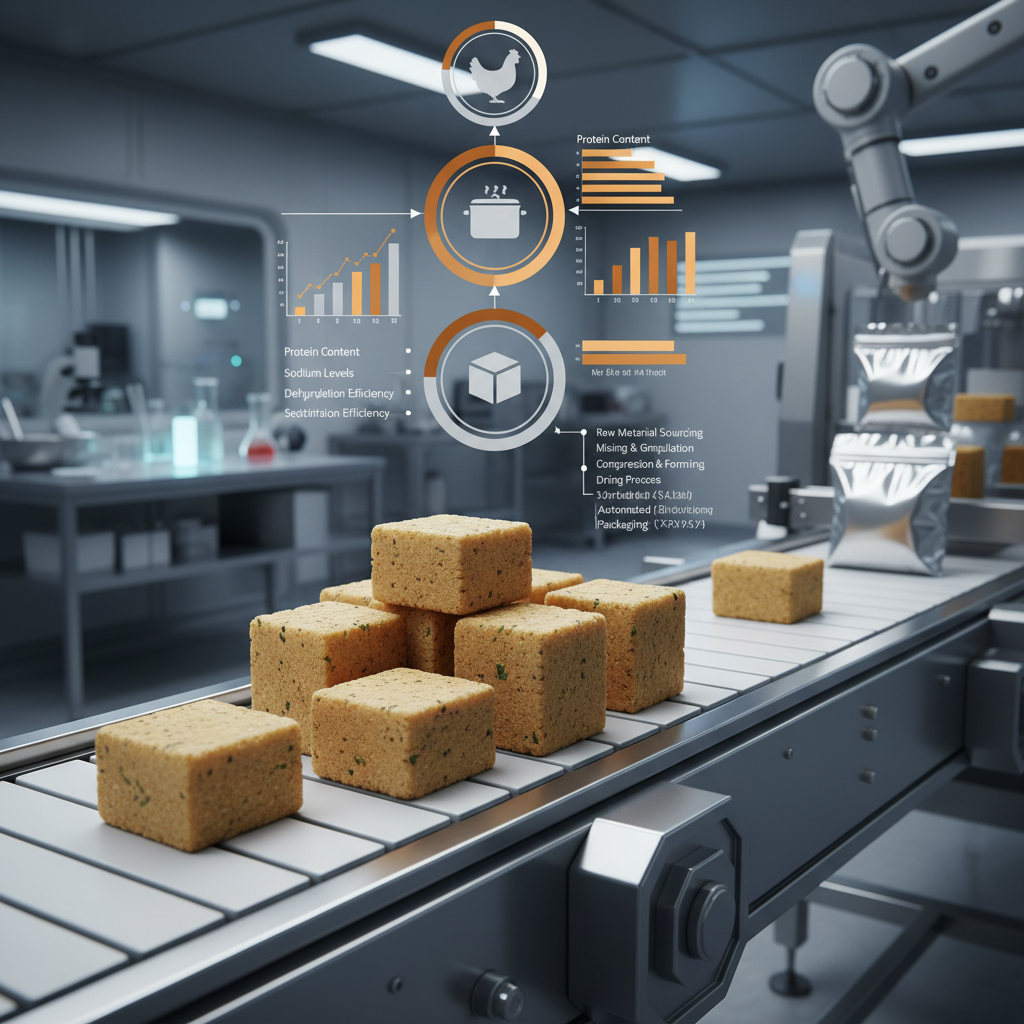
In an industrial context, these cubes represent a triumph of food engineering. They solve the problem of storage and logistics; whereas liquid broth is heavy and requires refrigeration, dehydrated cubes are lightweight, shelf-stable, and easy to transport across continents. This makes them vital for large-scale food service providers and humanitarian aid organizations that need to provide nutrient-dense, flavorful food in remote areas.
Furthermore, the significance of these products extends to the pharmaceutical and additive industries. The precision required to stabilize the lipids and proteins within a cube ensures that the product remains chemically stable under varying temperature conditions, showcasing the intersection of chemistry and gastronomy in modern food additive manufacturing.
Core Components for Quality Flavor
The effectiveness of broth cubes chicken relies on the synergy of several key components. First is the salt base, which acts not only as a flavor enhancer but also as a preservative. Second is the chicken extract or hydrolyzed vegetable protein (HVP), which provides the foundational savory "meatiness" essential for authenticity.
A critical factor often overlooked is the lipid profile. High-quality broth cubes chicken utilize refined fats that carry fat-soluble flavor molecules, ensuring a rich mouthfeel and a glossy appearance when the cube is dissolved into a liquid base.
Finally, the inclusion of aromatic spices—such as onion powder, garlic, and parsley—adds layers of complexity. These botanical additives ensure that the product doesn't just taste "salty," but possesses the nuanced herbal notes associated with traditional home-cooked chicken broth.
Efficiency and Cost-Benefit Analysis
From a commercial perspective, the transition to using broth cubes chicken offers immense scalability. For a professional kitchen, the cost of labor and fuel required to maintain a simmering stockpot for 12 hours is prohibitive. Cubes provide an immediate alternative that guarantees a consistent taste profile, eliminating the risk of human error or ingredient variability.
Moreover, the reduction in food waste is significant. Traditional broth production often results in large quantities of unused carcasses and vegetable scraps. By utilizing concentrated additives, companies can precisely control their input costs and minimize the environmental footprint associated with bulk liquid transport.
Performance Comparison of Broth Bases
Global Applications and Use Cases
The application of broth cubes chicken spans diverse environments. In the hospitality industry, they are used as a "secret ingredient" to enhance the savoriness of risottos, stews, and gravies. In remote industrial zones—such as mining camps or oil rigs—where fresh produce is scarce, these cubes provide an essential flavor boost that improves the morale and dietary satisfaction of workers.
Furthermore, in post-disaster relief operations, these concentrates are highly valued by NGOs. Because they are lightweight and have an extended shelf life, they can be air-dropped into affected regions to help convert basic grains and legumes into palatable, savory meals, providing both psychological comfort and essential sodium for recovery.
Long-term Value and Sustainability
Investing in high-quality broth cubes chicken offers long-term operational value through stability and reliability. For food brands, the ability to maintain a "signature taste" across a global franchise depends on the precision of the additive. This reliability builds consumer trust, as the customer receives the same sensory experience whether they are in New York or Tokyo.
From a sustainability lens, the industry is moving toward "green chemistry." By reducing the amount of water transported in liquid stocks and optimizing the extraction process of chicken proteins, manufacturers are lowering the carbon footprint of the supply chain. This shift ensures that the product remains viable in an era of strict environmental regulations.
Ultimately, the value lies in the marriage of tradition and technology. By capturing the essence of a home-cooked meal and delivering it via an industrial-grade additive, manufacturers provide a sense of dignity and warmth to meals that would otherwise be bland and utilitarian.
Future Trends in Flavor Technology
The future of broth cubes chicken is being shaped by digital transformation and biotechnology. We are seeing the rise of "precision fermentation," where yeast is engineered to produce chicken-identical proteins. This allows for the creation of vegan-friendly "chicken" cubes that possess the exact molecular structure of animal-based broth, catering to the growing plant-based market.
Additionally, automation in the manufacturing process is allowing for "hyper-customization." Future production lines may allow B2B clients to adjust the sodium, fat, and aromatic levels of their cubes in real-time, creating bespoke flavor profiles tailored to specific regional palates without needing to redesign the entire formula.
Sustainability will also drive the adoption of biodegradable packaging. As plastic waste becomes a global crisis, the transition to compostable wrappers for these cubes will be a critical step in maintaining the social license to operate in the food additive sector.
Analysis of Flavor Technology Evolution in Broth Cubes
| Technology Era |
Core Ingredient Focus |
Production Efficiency |
Market Reach |
| Traditional Era |
Basic Salt & Extracts |
Low (Manual) |
Local Markets |
| Industrial Era |
MSG & HVP |
Medium (Mechanical) |
National Distribution |
| Health-Conscious Era |
Low Sodium/Natural |
High (Automated) |
Globalized Trade |
| Biotech Era |
Fermented Proteins |
Very High (Smart Fab) |
Specialized Niche |
| Sustainable Era |
Eco-friendly Sourcing |
Optimized (Lean) |
Eco-conscious Global |
| Precision Era |
Customized Aromatics |
Adaptive (AI Driven) |
Hyper-Personalized |
FAQS
Professional-grade cubes utilize advanced dehydration and stabilization techniques that ensure a consistent flavor profile and a shelf life of several years. While home-made stock is fresh, it lacks the standardization and portability of cubes, which are engineered to provide the same "umami" intensity every time they are used, regardless of the user's skill level.
The best approach is to look for "low-sodium" variants of broth cubes chicken or to reduce the additional salt added to your dish. Since the cubes are highly concentrated, you can also use a half-cube for a smaller volume of water, or dilute the resulting broth with fresh vegetables to balance the saltiness without losing the chicken essence.
Absolutely. Because they are stable and easy to measure, they are ideal for industrial applications. Many food manufacturers use the concentrated ingredients found in these cubes as a base for ready-to-eat meals, canned soups, and frozen entrees, ensuring that the flavor remains intact during the heating and freezing processes.
To prevent clumping, store them in a cool, dry place away from direct sunlight and moisture. Using an airtight container is highly recommended, as these cubes are hygroscopic (they absorb moisture from the air), which can cause them to soften or stick together if left exposed.
Traditional broth cubes chicken contain animal extracts. However, there is a growing market for "chicken-style" vegetable cubes. These use hydrolyzed vegetable proteins and yeast extracts to mimic the savory taste of chicken without using any animal products, making them suitable for vegan diets.
Importing requires adherence to the food safety regulations of the destination country (such as FDA in the US or EFSA in the EU). Working with a certified supplier who provides detailed COAs (Certificate of Analysis) and follows ISO standards ensures a smooth customs process and guarantees product quality upon arrival.
Conclusion
In summary, broth cubes chicken represent more than just a kitchen convenience; they are a sophisticated product of food science that solves critical problems of efficiency, scalability, and flavor consistency. By analyzing their core components—from the lipid profile to the aromatic spices—it becomes clear that these additives are essential for both the commercial food industry and humanitarian efforts worldwide.
Looking ahead, the integration of biotech and sustainable packaging will continue to evolve the product, making it more inclusive and environmentally friendly. For businesses looking to enhance their product lines or optimize their kitchen operations, adopting high-quality seasoning concentrates is a strategic move toward operational excellence. Visit our website for more information: www.chinaseasoning.com