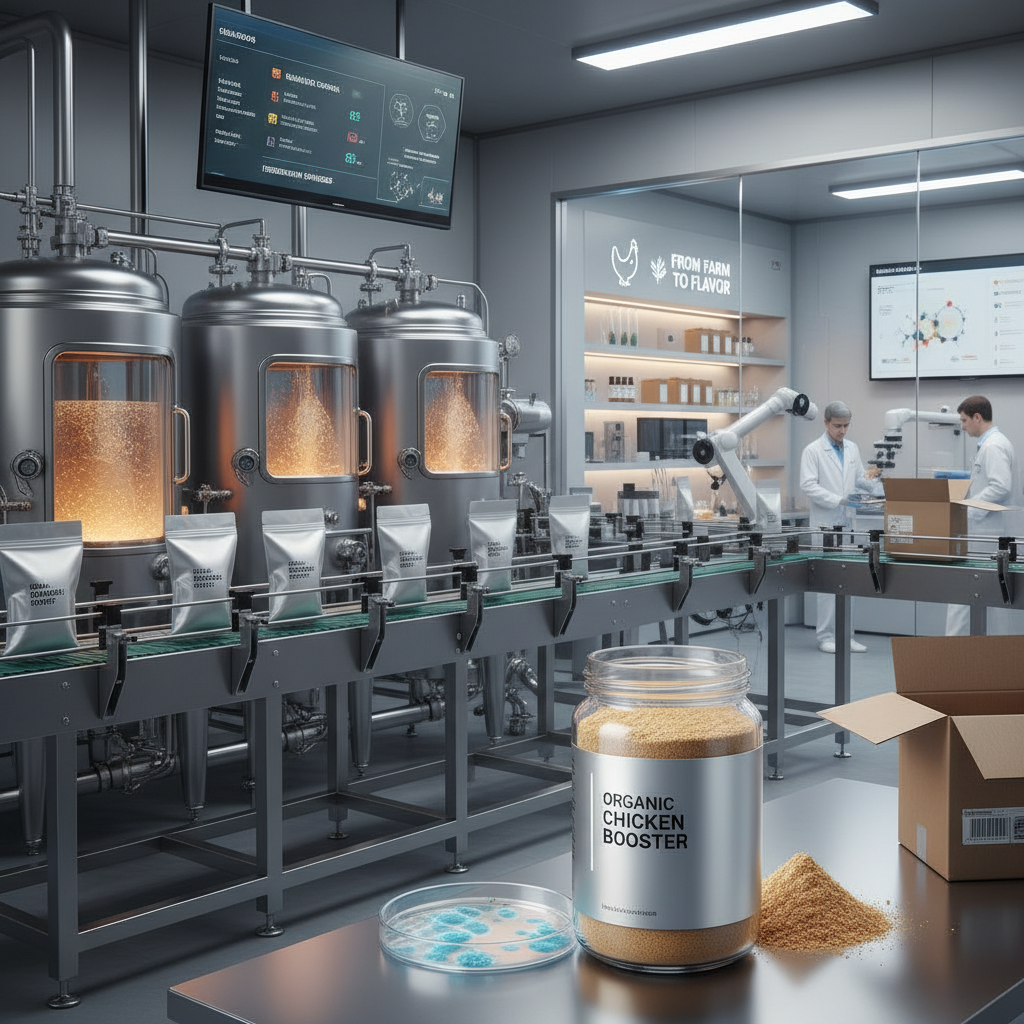
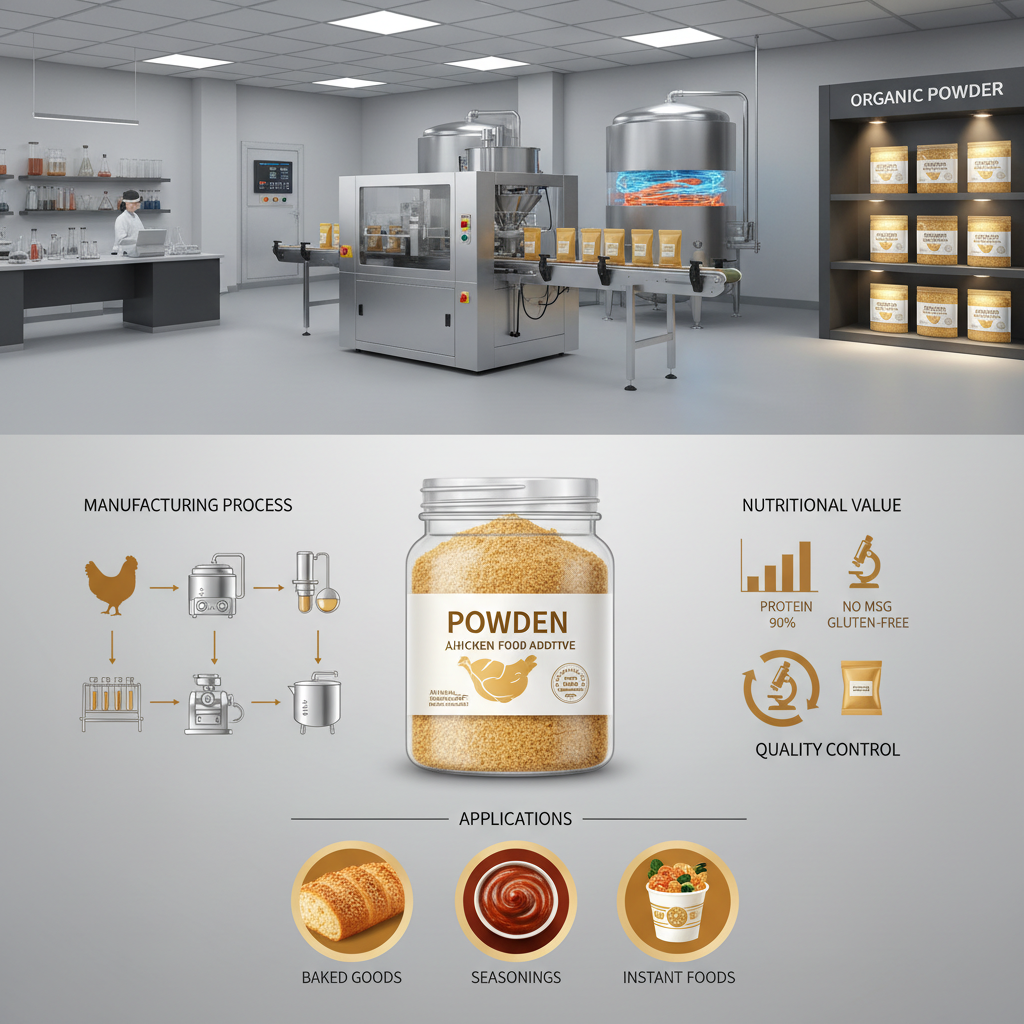
In the evolving landscape of global food production, the demand for clean-label ingredients has propelled organic chicken powder into the spotlight. As consumers shift away from synthetic flavor enhancers and GMOs, the industry is witnessing a paradigm shift toward nutrient-dense, sustainably sourced proteins that offer both convenience and purity.
Understanding the technical nuances of organic chicken powder is no longer just for culinary specialists; it is essential for manufacturers across the feed, food, and pharmaceutical sectors. By integrating high-quality organic proteins, businesses can meet rigorous international certifications while ensuring the final product maintains a natural taste profile and superior nutritional integrity.
The global transition toward organic standards is driven by a collective need for food security and health-conscious consumption. This comprehensive guide explores how organic chicken powder serves as a versatile solution to modern industrial challenges, balancing the need for scalability with the uncompromising requirements of organic certification.
Global Industry Context of Organic Chicken Powder
The global appetite for organic ingredients is reaching an all-time high, with reports from organizations like the FAO highlighting a significant increase in organic livestock farming. organic chicken powder has emerged as a critical commodity in this shift, bridging the gap between the rustic quality of farm-fresh poultry and the efficiency of industrial food processing.
Currently, the industry faces a dual challenge: maintaining strict ISO and organic certification standards while scaling production to meet the demands of emerging markets in Asia and Europe. The integration of this organic powder into food additives and feed supplements allows manufacturers to reduce their reliance on synthetic chemicals, thereby aligning with the "Farm to Fork" strategies promoted by global health authorities.
Defining Organic Chicken Powder and Its Purpose
At its core, organic chicken powder is a dehydrated protein concentrate derived from poultry raised under strict organic farming guidelines. This means the chickens are fed organic feed, kept free from antibiotics and growth hormones, and managed in environments that prioritize animal welfare. The resulting powder is a potent, shelf-stable source of amino acids and natural flavor.
Beyond simple seasoning, this product serves as a vital component in modern nutritional science. In the pharmaceutical and feed additive industries, it provides a bioavailable protein source that is easily absorbed, making it indispensable for creating specialized dietary supplements or high-end animal nutrition products that avoid the contaminants found in conventional powders.
The purpose of transitioning to an organic variant is rooted in the pursuit of "clean label" transparency. By replacing conventional chicken extracts with organic alternatives, brands can honestly market their products as free from synthetic additives, appealing to the growing demographic of health-conscious consumers who view food as a primary pillar of preventive medicine.
Core Components of High-Quality Production
The excellence of organic chicken powder is primarily determined by the purity of the raw material. The sourcing process must ensure that no prohibited substances—such as synthetic pesticides or chemical growth promoters—enter the supply chain, as these would compromise the organic certification of the final powder.
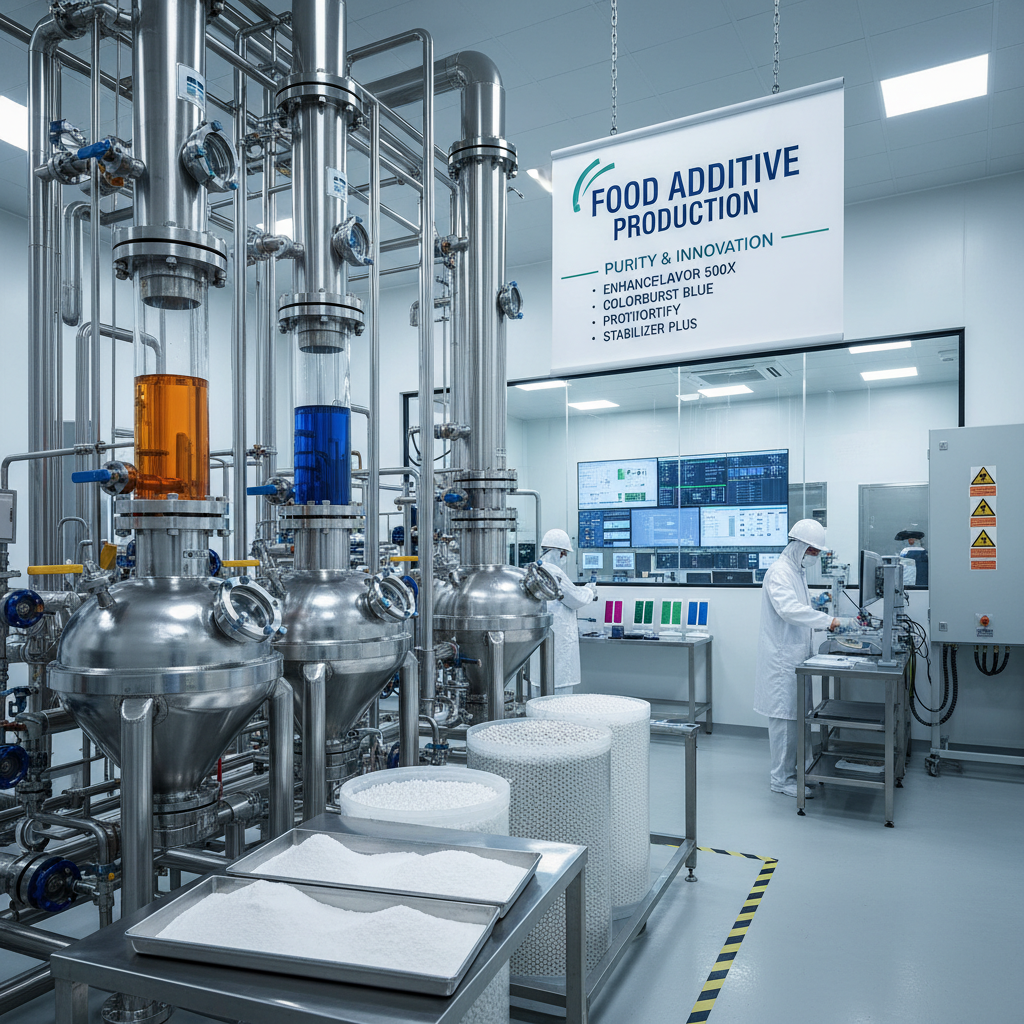
Processing technology plays a pivotal role in maintaining the nutritional profile. Advanced spray-drying or freeze-drying methods are employed to ensure that the heat-sensitive vitamins and proteins within the organic chicken powder are not degraded, ensuring the end-user receives a product that is biologically active and flavor-rich.
Stability and solubility are the final pillars of quality. A high-grade organic powder must be finely milled to ensure rapid dispersion in liquids, preventing clumping in industrial mixers. This technical precision allows for consistent dosing in large-scale food additive production, ensuring every batch of the final product tastes and performs identically.
Practical Applications and Use Cases
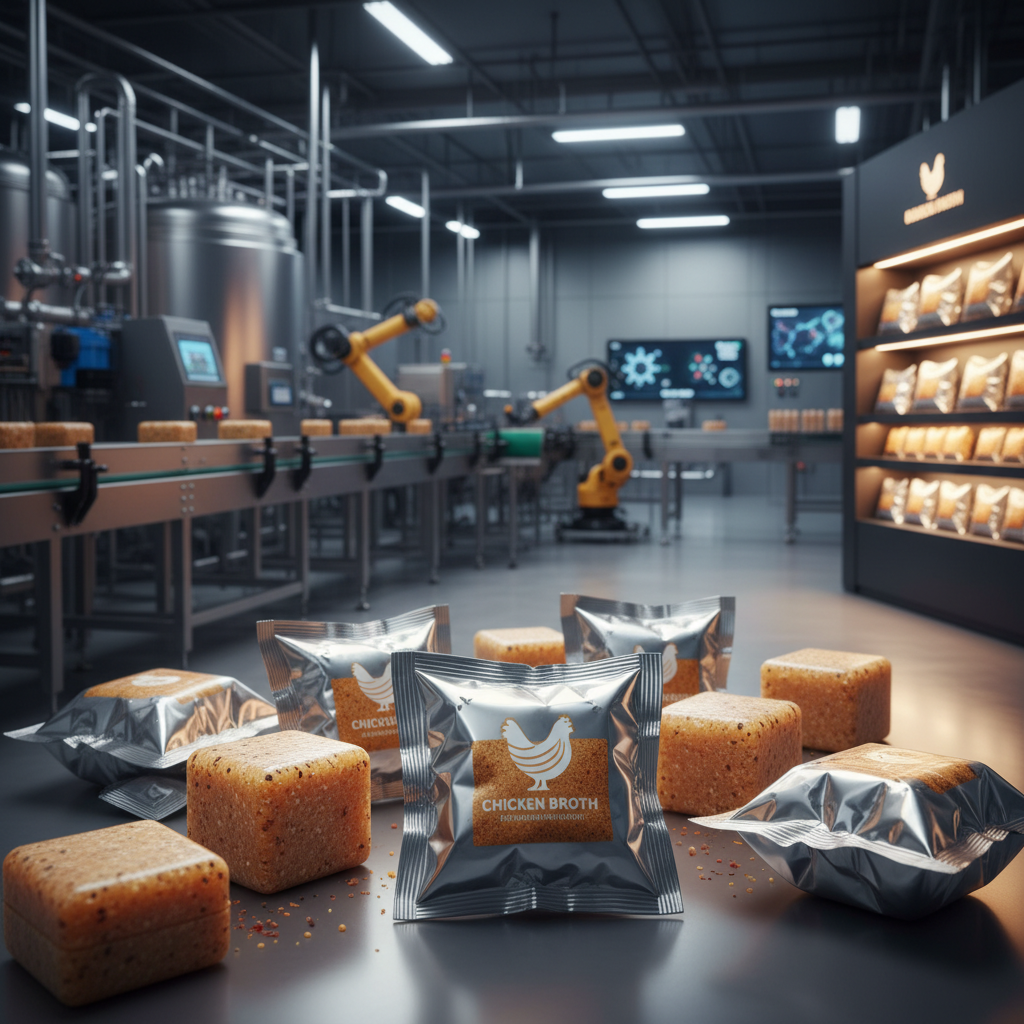
The versatility of organic chicken powder allows it to transcend a single industry. In the gourmet food sector, it is used as a base for organic stocks, sauces, and instant soups, providing a deep, savory umami profile without the need for MSG. Meanwhile, in the pharmaceutical intermediate sector, it is utilized as a natural protein carrier for specific nutrient delivery systems.
In the realm of animal nutrition, specifically within the Feed Additive category, this powder is used to enhance the growth and health of livestock in organic farming systems. For instance, in high-value aquaculture or organic poultry farming, adding organic chicken-derived proteins helps in maintaining the organic status of the livestock while providing essential amino acids.
Efficiency Comparison of Organic Chicken Powder Varieties
Tangible Advantages and Long-Term Value
The primary advantage of utilizing organic chicken powder lies in its ability to build consumer trust. In an era of extreme scrutiny regarding food origins, providing a certified organic protein source mitigates risk and enhances brand equity, allowing companies to position themselves as leaders in sustainability and health.
From a logical and economic perspective, the long-term value is found in operational efficiency. The concentrated nature of the powder reduces shipping costs and storage requirements compared to fresh organic poultry, while its long shelf life minimizes waste. This combination of sustainability and logistical practicality creates a resilient supply chain for manufacturers of food additives and pharmaceutical intermediates.
Future Innovations in Organic Protein Technology
The future of organic chicken powder is being shaped by the digital transformation of the supply chain. Blockchain technology is currently being implemented to provide "seed-to-shelf" traceability, allowing end-consumers to scan a QR code and see the exact organic farm where the poultry was raised and the specific date of powder processing.
Furthermore, green chemistry is introducing new, low-energy dehydration methods that further reduce the carbon footprint of production. By utilizing solar-thermal drying and advanced filtration, manufacturers can produce an even purer organic chicken powder with zero chemical residues, aligning the product with the global push toward net-zero emissions.
We also anticipate the rise of "functionalized" organic powders. By blending the core protein with other organic superfoods or natural probiotics during the granulation process, the industry will move toward creating a multi-functional additive that provides both flavor and specific health benefits, such as immune support or muscle recovery.
Overcoming Industrial Challenges and Solutions
One of the most persistent challenges in the production of organic chicken powder is the volatility of raw material supply. Organic poultry farming is more susceptible to environmental changes and has lower yields than industrial farming, which can lead to price fluctuations and supply shortages for large-scale manufacturers.
To solve this, leading companies are forming "Strategic Organic Partnerships," creating long-term contracts with cooperatives of organic farmers. This ensures a stable flow of raw materials and provides farmers with the financial security needed to expand their organic acreage, effectively stabilizing the market for organic powders.
Another technical hurdle is the prevention of oxidation in the final powder. Because organic products lack synthetic preservatives, they can be prone to rancidity. The solution lies in advanced vacuum-sealing and the use of natural antioxidants, such as rosemary extract, which maintain the powder's freshness without compromising its organic status.
Comparative Analysis of Organic Chicken Powder Quality Metrics
|
Metric Dimension
|
Organic Standard
|
Conventional Standard
|
Industrial Impact
|
| Antibiotic Residue |
Zero / Non-detectable |
Present in trace amounts |
High Health Safety |
| Protein Bioavailability |
Superior (9.5/10) |
Moderate (7.0/10) |
Faster Absorption |
| Flavor Profile |
Deep Natural Umami |
Artificial/Flat |
Reduced Additive Need |
| Cost per Unit |
Premium (+30-50%) |
Low / Standard |
Higher Market Value |
| Certifiability |
USDA / EU Organic |
General Food Grade |
Global Market Access |
| Shelf Stability |
Moderate (Natural) |
High (Synthetic) |
Requires Smart Packaging |
FAQS
The primary difference lies in the sourcing and processing. Organic chicken powder is derived from poultry raised without synthetic pesticides, GMO feed, or antibiotics. Furthermore, the processing avoids synthetic carriers or chemical anti-caking agents, resulting in a purer, more nutrient-dense product that aligns with clean-label standards and organic certifications.
Yes, it is increasingly used as a natural protein intermediate in pharmaceutical applications. Due to its lack of synthetic residues and high bioavailability, it serves as an excellent base for nutrient delivery systems or as a high-purity protein supplement in specialized medical diets where conventional additives are prohibited.
Because organic chicken powder avoids synthetic preservatives, its natural shelf life may be slightly shorter if not stored correctly. However, when combined with advanced vacuum packaging and natural antioxidants like rosemary extract, it can maintain peak quality for extended periods, comparable to conventional products while remaining entirely natural.
Absolutely. While the raw material costs are higher, it is essential for producers targeting the organic livestock market. It provides the necessary amino acid profile to ensure animal health and growth while maintaining the organic integrity of the final meat or egg product, allowing producers to command a premium price in the market.
Authenticity is verified through certification documents such as USDA Organic, EU Organic, or JAS. Professional suppliers provide a Certificate of Analysis (CoA) and detailed traceability documentation. Many modern suppliers are also adopting blockchain-based tracking to provide real-time verification of the supply chain from the farm to the factory.
High-quality organic chicken powder is processed with specific granulation and milling techniques to ensure optimal solubility. While it lacks synthetic anti-clumping agents, a premium-grade powder is designed for rapid dispersion in liquids and ease of blending in dry mixes, provided the ambient humidity is controlled.
Conclusion
In summary, organic chicken powder represents the intersection of traditional organic farming and modern industrial efficiency. By providing a clean, nutrient-dense, and versatile protein source, it solves the critical challenge of maintaining organic integrity within the complex supply chains of the food, feed, and pharmaceutical industries. From its superior nutritional profile to its role in building consumer trust, the long-term value of this ingredient far outweighs the initial premium cost.
Looking forward, the adoption of sustainable processing and digital traceability will further solidify the role of organic proteins in the global market. For manufacturers aiming to lead the "clean label" revolution, integrating high-quality organic additives is no longer an option but a strategic necessity. We encourage businesses to prioritize certified suppliers to ensure consistency, safety, and sustainability. Visit our website: www.chinaseasoning.com