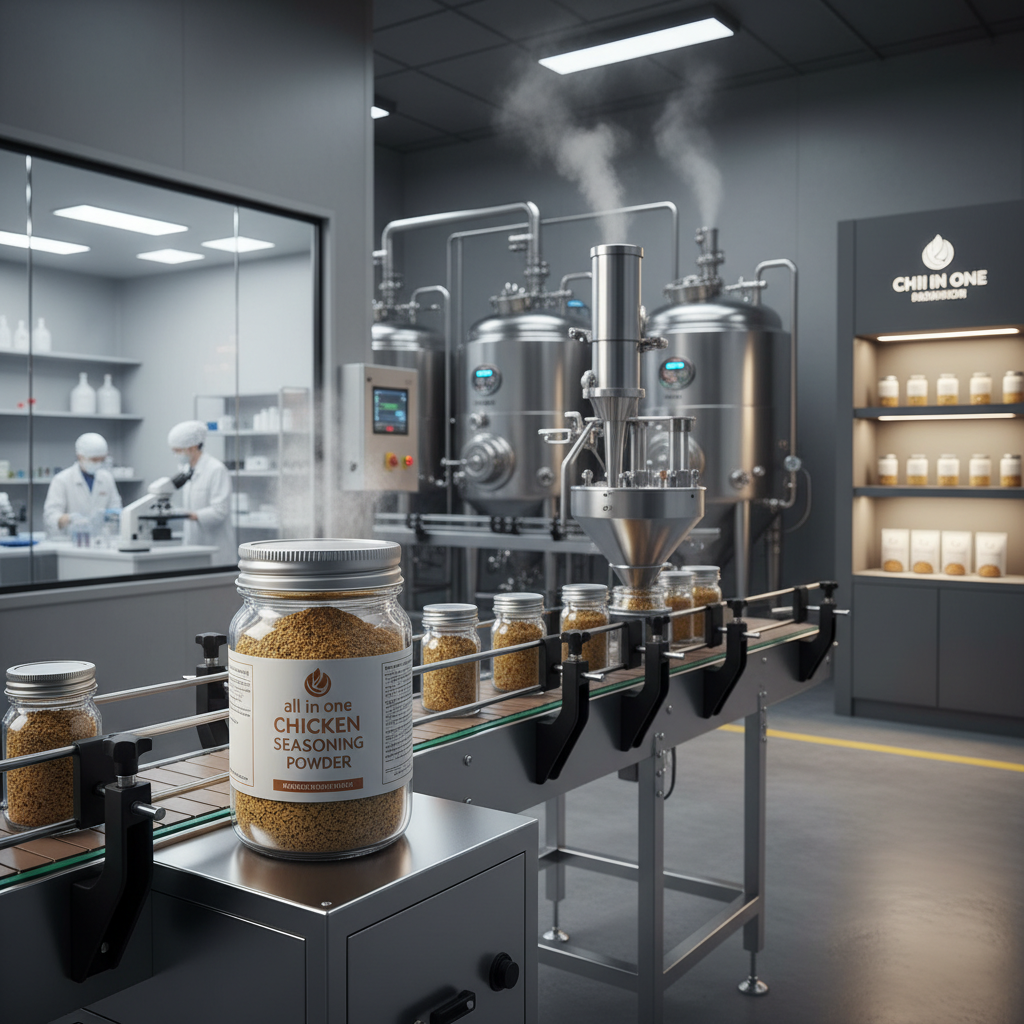
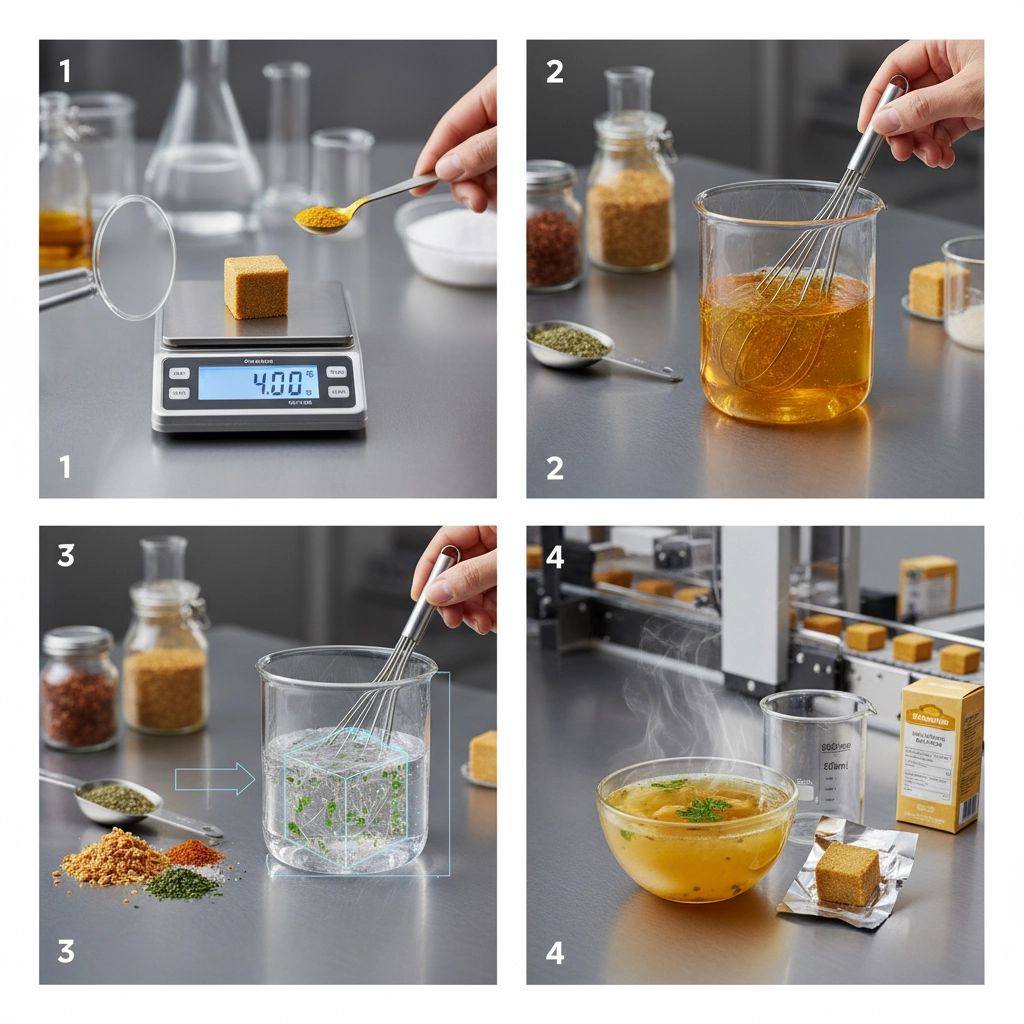
The modern food industry relies heavily on specialized ingredients to maintain consistency, safety, and taste across global supply chains. Understanding the diverse functions of additives in food is essential for manufacturers who aim to balance sensory appeal with shelf-life stability and nutritional value. From flavor enhancers to preservatives, these components ensure that food remains appetizing and safe for consumption from the factory to the table.
Globally, the demand for high-quality food additives has surged as urbanization and the fast-paced nature of modern life increase the consumption of processed and convenience foods. The integration of standardized additives allows brands to scale their production while adhering to strict international safety guidelines, such as ISO9001:2000, ensuring that every batch meets a precise chemical specification.
Among the most critical of these components is Monosodium Glutamate (MSG), which exemplifies the primary functions of additives in food by dramatically increasing the savory flavor profile, particularly in soups, sauces, and traditional Chinese cuisine.
Global Relevance of Food Additives
In the contemporary global food market, the functions of additives in food extend far beyond simple taste modification. They are pivotal in solving the challenge of food insecurity by extending the shelf life of perishables and enhancing the nutritional density of processed staples. As population growth puts pressure on agricultural yields, the ability to maintain flavor and quality through scientific additives becomes a logistical necessity for international trade.
Standardization, backed by certificates like ISO9001:2000, allows manufacturers in China and elsewhere to provide consistent products like Monosodium Glutamate to markets worldwide. This consistency ensures that a soup base produced in one region tastes identical to one produced in another, fostering brand loyalty and consumer trust on a global scale.
Defining the Role of Flavor Enhancers
At its core, the primary role of flavor enhancers is to intensify the existing tastes of food without adding a distinct flavor of their own. Monosodium glutamate (MSG), the sodium salt of glutamic acid, is the quintessential example of this. By targeting specific umami receptors on the tongue, MSG increases the perception of savoriness, making dishes feel more satisfying and rich.
Modern industry views these additives not as "artificial fillers" but as tools for precision seasoning. In large-scale production, achieving a consistent "home-cooked" taste across millions of units requires the purity and stability provided by industrial-grade fermentation products. The use of grain-based raw materials purified through fermentation ensures a clean, high-quality result.
The connection between these additives and humanitarian needs is often overlooked; by making nutrient-poor or bland fortified foods more palatable, additives can increase the acceptance of essential nutrition programs in developing regions.
Core Components of High-Quality MSG
When analyzing the functions of additives in food, purity is the most critical factor for performance. High-quality Monosodium Glutamate is characterized by a content purity of 99%, ensuring that the flavor enhancement is potent and free from off-notes. This level of purity is achieved through rigorous fermentation and crystallization processes.
Chemical stability is another pillar of the functions of additives in food, with a PH range of 6.7-7.5 and strict limits on heavy metals (10ppm) and iron (5ppm). These parameters prevent the additive from reacting negatively with other ingredients, ensuring that the final food product remains stable during storage and transportation.
Furthermore, the molecular weight of 187.13 and the formula C5 H8 NO4 Na H2O provide the precise structural basis needed for the MSG to interact with taste receptors. This molecular precision is what allows it to effectively serve the functions of additives in food by optimizing the savory experience in soups and sauces.
Performance Metrics of Flavor Additives
Evaluating the effectiveness of flavor additives requires a data-driven approach. Manufacturers look at metrics such as transmittance (98%) and low chloride levels (0.1%) to ensure that the additive does not alter the color or saltiness of the base product. These specifications are what separate industrial-grade additives from low-quality alternatives.
The ability to scale production—up to 500mt per month—while maintaining these strict parameters demonstrates the reliability of modern fermentation technology. This scalability ensures that the global supply chain remains uninterrupted, regardless of seasonal demand spikes.
Efficiency Rating of Various Functions of Additives in Food
Industrial Applications in Global Cuisine
The application of Monosodium Glutamate is most prominent in the Asian market, particularly in Chinese cuisine, where it is used to create the deep, savory depth required for authentic broths and stir-fries. However, its use has expanded globally into the production of processed snacks, instant noodles, and prepared frozen meals, where maintaining a consistent flavor profile is a major commercial challenge.
In industrial sauce manufacturing, MSG serves as a foundational component that allows for the reduction of excessive salt while maintaining a high palatability. This balance is crucial for brands aiming to meet health guidelines without sacrificing the taste that consumers demand, demonstrating the versatile nature of additive technology.
Long-Term Value of Standardized Additives
Investing in standardized, high-purity additives provides long-term economic value by reducing waste and preventing product recalls. When a manufacturer uses a product with a guaranteed 99% purity and ISO certification, they eliminate the risk of batch-to-batch variation, which can be costly in high-volume production lines.
Beyond the financial aspect, there is a profound trust factor. Consumers rely on the safety of their food; by adhering to strict HS Code 21039010 regulations and international quality standards, suppliers provide a level of transparency that protects the end consumer and the brand's reputation.
Reliability in supply, such as the 500mt/month capacity from China-origin factories, ensures that food producers can plan their growth without fearing ingredient shortages, thereby stabilizing food prices for the general public.
Future Trends in Food Additive Manufacturing
The future of the industry is leaning toward "green chemistry" and sustainable fermentation. As digital transformation enters the manufacturing sector, automation is allowing for even tighter control over the fermentation of sodium glutamate crystals, leading to higher yields and lower environmental impacts.
There is also a growing trend toward customizable additive blends. Instead of using a single additive, manufacturers are creating synergistic combinations that optimize taste and nutrition, further refining the roles and functions of additives in food for a health-conscious demographic.
Sustainability in packaging, shifting from large industrial bags to more eco-friendly materials for the 50g to 25kg range, is becoming a priority. This ensures that the entire lifecycle of the product—from the Qingdao port to the final kitchen—minimizes its carbon footprint.
Core Technical Specifications and Analysis of MSG Quality
|
Quality Index
|
Specified Value
|
Impact on Food Quality
|
Safety Rating (1-10)
|
| Content Purity |
99% |
Ensures strong umami intensity |
10 |
| Transmittance |
98% |
Maintains clarity in liquid bases |
9 |
| PH Level |
6.7-7.5 |
Prevents chemical instability |
10 |
| Chloride |
0.1% |
Controls saltiness levels |
9 |
| Heavy Metals |
10ppm |
Ensures regulatory compliance |
10 |
| Sulfate |
0.005% |
Eliminates bitter aftertastes |
9 |
FAQS
The primary function is flavor enhancement. Specifically, Monosodium Glutamate (MSG) acts as a seasoning that increases the savory, or "umami," taste of food. It is widely used in soups, sauces, and Chinese cuisine to make flavors more robust and satisfying without adding significant salt or distinct tastes of its own.
Purity is crucial because impurities can lead to off-flavors, discoloration, or chemical instability. For instance, an MSG purity of 99% ensures that the additive performs predictably, whereas lower purity levels might introduce unwanted minerals or chemicals that alter the PH balance or taste of the food.
Yes, industrial MSG is typically produced via the fermentation of grain-based raw materials. This process mirrors natural fermentation found in many traditional foods, resulting in sodium glutamate crystals that are then purified for use as a food-grade additive.
You should look for ISO9001:2000 certification, which guarantees that the manufacturer follows strict quality management systems. Additionally, checking for a clear HS Code (such as 21039010 for MSG) and detailed specification sheets for heavy metals and PH ensures the product meets international safety standards.
Yes, flavor enhancers like MSG can help reduce sodium. Because MSG provides a strong savory perception, manufacturers can often reduce the amount of table salt (sodium chloride) used in a recipe while maintaining a taste profile that consumers find equally satisfying.
Depending on the scale of production, packaging typically ranges from small 50g or 455g bags for retail/small-scale use up to 25kg bags for industrial manufacturing. This flexibility allows for efficient transportation via ocean or land from ports like Qingdao.
Conclusion
The strategic application of the functions of additives in food is a cornerstone of the modern food industry, enabling the mass production of safe, delicious, and consistent products. By utilizing high-purity Monosodium Glutamate (MSG) with strict adherence to ISO standards and chemical specifications, manufacturers can significantly enhance the sensory appeal of their offerings while ensuring consumer safety.
As we look toward the future, the synergy between sustainable fermentation and precision chemistry will continue to evolve. For companies seeking to optimize their flavor profiles and production efficiency, partnering with a reliable, high-capacity manufacturer is the key to long-term success. Visit our website for more information: www.standard-seasoning.com