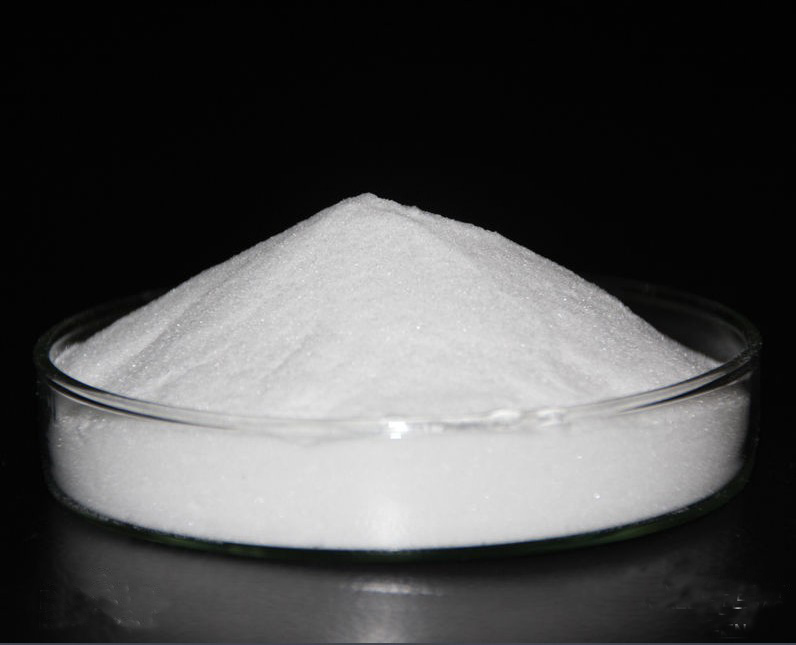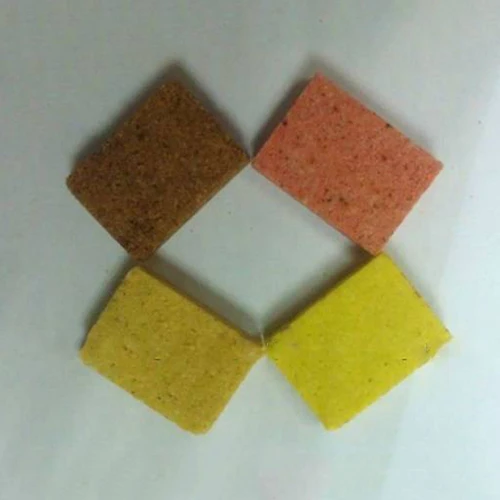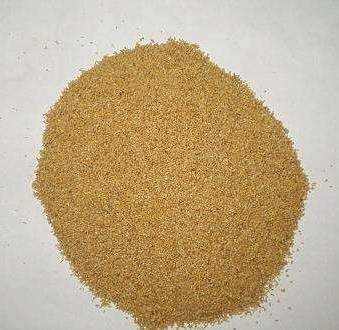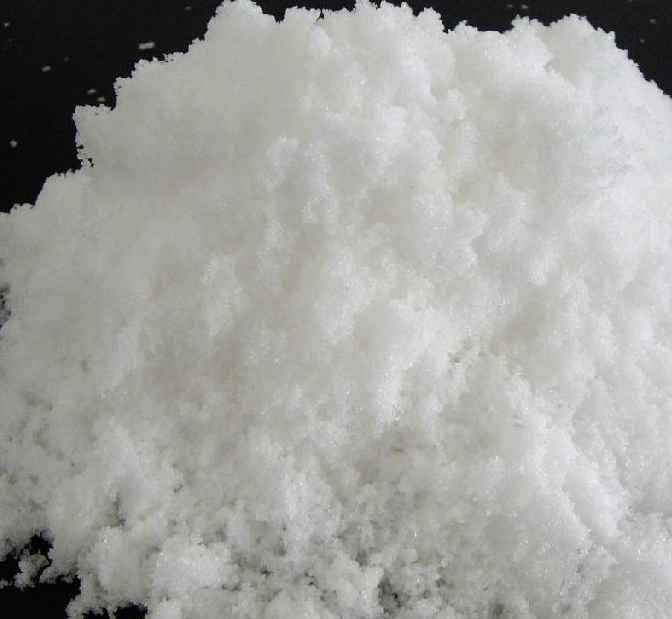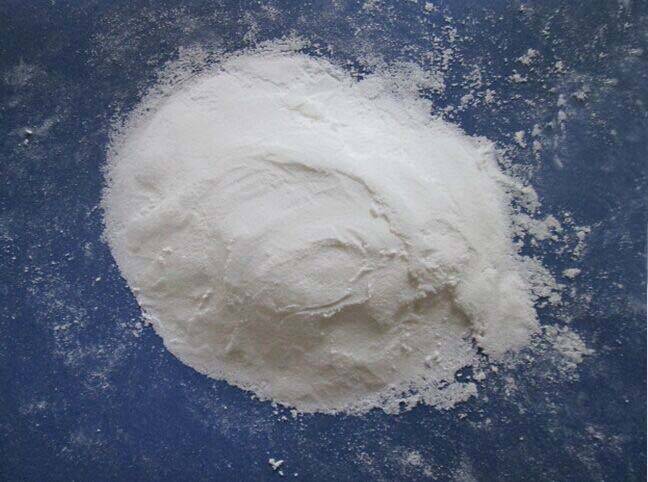
In the complex landscape of animal nutrition, manufacturers and farmers often struggle to distinguish between core components. The confusion surrounding the feed additive vs feed supplement definition can lead to inefficient sourcing and suboptimal herd health. While supplements often refer to broad nutritional gap-fillers like protein blocks or multi-vitamin mixes, additives are precise, non-nutritive or nutritive substances added in micro-quantities to enhance specific feed characteristics, preservation, or metabolic efficiency. Misidentifying these categories can result in regulatory compliance issues and wasted budget on improper ingredients.
Since 2012, Standard Seasoning has operated as a stabilizing force in this fluctuating market, helping clients across 50 countries navigate these technical distinctions. Whether you require specific chemical compounds like Dicalcium Phosphate (an additive for phosphorus intake) or broader nutritional solutions, our expertise ensures you receive exactly what your formulation requires. By offering a comprehensive one-stop-shop with flexible MOQs, we eliminate the ambiguity of the feed additive vs feed supplement definition, allowing you to focus on livestock performance rather than supply chain semantics.
To strictly adhere to the global feed additive vs feed supplement definition, a supplier must maintain rigorous control over chemical composition and purity. Additives, by definition, require a higher degree of technical precision because they are often utilized to catalyze growth, improve digestion, or preserve shelf-life at the molecular level. Standard Seasoning employs a strict quality control management system to ensure that products like our Dicalcium Phosphate and various amino acids meet international safety standards, distinguishing high-grade additives from generic supplemental fillers.
Our production facilities in Shijiazhuang engage in precise manufacturing processes that align with the specific regulatory requirements of both categories. Below is an analysis of how our engineering standards uphold the feed additive vs feed supplement definition through measurable performance metrics:
| Performance Metric | Industry Significance | Our Engineering Standard | Advantage |
|---|---|---|---|
| Chemical Purity & Bioavailability | Determines if a product acts as a potent additive or a bulk supplement. | 98%+ Purity for core additives (e.g., Dicalcium Phosphate). | Ensures maximum absorption rates, validating the additive classification. |
| Consistency & Safety | Crucial for meeting the strict feed additive vs feed supplement definition. | International Safety Standard Compliance (ISO/FAMI-QS alignment). | Guarantees zero contamination, essential for sensitive additive formulations. |
| Supply Chain Velocity | Prevents degradation of active ingredients. | Fast shipping protocol: 7-15 days delivery window. | Maintains bio-efficacy of volatile additives upon arrival. |
| Batch Flexibility | Allows precise testing of additive ratios. | Small MOQs tailored to specific formula needs. | Reduces inventory risk when testing new additive inclusions. |
Understanding the precise feed additive vs feed supplement definition is not merely an academic exercise; it is a strategic lever for profitability. When producers correctly identify that they need a high-performance additive rather than a generic supplement, they can achieve better feed conversion ratios (FCR) with lower inclusion rates. Standard Seasoning empowers this value engineering by offering competitive pricing on high-potency additives. By sourcing directly from our Hebei-based headquarters, clients avoid the "middleman markup" often hidden in pre-mixed supplements, gaining direct access to pure ingredients like MSG and Dicalcium Phosphate.
Furthermore, our ability to ship within 7 to 15 days allows for "Just-In-Time" inventory management, freeing up working capital that would otherwise be tied up in bulk storage. The chart below illustrates the comparative ROI growth when optimizing formulations based on a strict feed additive vs feed supplement definition versus using generic, undefined mixtures.
Related products
Top Selling Products
Leave Your Message