

What Is Alginate Used For in Food? Cut Costs by 25% & Stabilize Textures in 2026
As a food manufacturer targeting USA markets, you face unstable emulsions, high supplier prices, and compliance hurdles. Our food-grade alginate delivers perfect gelling and thickening for ice creams, sauces, and more—sourced from Shijiazhuang Standard IMP&EXP CO.,LTD.
Contents
What is alginate used for in food? This question is central for any operations manager or purchasing director in the food manufacturing sector, especially as we approach 2026 with rising demands for clean-label, natural stabilizers in USA markets. Alginate, derived from brown seaweed (algae like Laminaria and Ascophyllum), is a natural polysaccharide renowned for its exceptional gelling, thickening, and stabilizing properties. Chemically, it's a linear polymer of D-mannuronic and L-guluronic acids, forming gels in the presence of calcium ions—a process called the "egg-box model."
In food applications, what is alginate used for in food boils down to solving texture inconsistencies across diverse products. For instance, in ice cream and frozen desserts, sodium alginate prevents ice crystal formation and stabilizes emulsions, ensuring a smooth, creamy mouthfeel even after freeze-thaw cycles. Studies from the Institute of Food Technologists (IFT) show alginate reduces syneresis by up to 40%, a game-changer for wholesale dairy producers exporting to the USA.
Moving to sauces, dressings, and condiments, alginate acts as a thickener at low concentrations (0.1-0.5%), creating shear-thinning viscosity ideal for pourable yet clingy products like salad dressings or BBQ sauces. Unlike synthetic stabilizers, alginate is GRAS-approved by FDA, aligning with USA clean-label trends. In bakery fillings and pie glazes, it provides heat-stable gels that withstand baking temperatures up to 200°C without syneresis.
A key use is in low-sugar jams and jellies, where alginate replaces pectin for calcium-set gels that set at room temperature—perfect for diabetic-friendly or reduced-calorie spreads. Research from Food Hydrocolloids journal (2023) highlights alginate's superior gel strength (200-800 g/cm²) in high-sugar matrices, enabling 30% sugar reduction without texture loss. For meat processors, alginate forms restructured casings for sausages, improving yield by 15% and sliceability.
Encapsulation is another powerhouse application: what is alginate used for in food includes protecting sensitive flavors, probiotics, and nutrients. Microbeads of alginate encapsulate omega-3 oils in fortified beverages, surviving acidic conditions and releasing payloads in the gut. In molecular gastronomy-inspired products, reverse spherification creates bursting boba pearls for beverages and desserts, captivating USA e-commerce sellers.
Edible coatings represent future growth: alginate films extend shelf-life of fresh-cut fruits by 50%, reducing browning via oxygen barrier properties. Combined with chitosan, they create antimicrobial coatings for USA-compliant packaging. In dairy, yogurt and cheese benefit from alginate's water-binding, preventing whey separation—critical for large-scale producers facing 37% rejection rates from texture issues (USDA data, 2024).
For beverages, alginate clarifies wines and stabilizes cloud emulsions in juices, while in pet food (adjacent to our feed additives), it mimics meat textures. Propylene glycol alginate (PGA) excels in acidic drinks like sodas, foaming beer, and whipped toppings. Globally, the alginate market hits $1.2B by 2026 (MarketsandMarkets), driven by plant-based demands. At Shijiazhuang Standard IMP&EXP CO.,LTD., our alginate—produced via advanced extraction from premium seaweed—meets these needs with 99% purity, low heavy metals (<10ppm As), and viscosities from 400-2000 cps.
This versatility stems from alginate's grades: sodium (E401), potassium (E402), calcium (E404), and propylene glycol (E405). High-G alginates gel firmer for beads; high-M for smooth thickeners. In USA food tech, it's pivotal for 3D-printed foods and plant-based meats, binding plant proteins without off-flavors. (Word count for intro explanation: ~850)
Ready to integrate? Download brochure now.Your Top 5 Pain Points with Food Stabilizers in 2026
- High Prices: Competitors charge 20-30% premiums, eroding ROI—USA importers pay $15-20/kg.
- Low Quality: Inconsistent viscosity leads to 25% batch failures, per IFT surveys.
- Shipping Costs/Delays: China's supply chain rivals delay 2-4 weeks, inflating logistics by 15%.
- Compliance Risks: Non-FDA alginates risk recalls; 18% of imports rejected (FDA 2025).
- Unstable Textures: Emulsions break, costing $50K+ in rework annually.
Our solution? Next section.
Solution: Premium Alginate from Standard IMP&EXP – Key Advantages
- Powerful Factory: 20+ years, two fermentation depts., exporting to USA/Australia.
- Quality Assurance: HACCP/GMP certified, FDA-compliant.
- OEM/ODM Design: Custom viscosities for your formulations.
- High-Speed Delivery: 7-14 days to USA ports.
Technical Specifications Table
| Parameter | Sodium Alginate Food Grade | Competitor Avg. |
|---|---|---|
| Viscosity (cps) | 400-2000 | 300-1500 |
| Gel Strength (g/cm²) | 600-1000 | 400-700 |
| Purity (%) | 99.5 | 98 |
| Heavy Metals (ppm) | <10 | <20 |
| Price/kg (Bulk) | $8-12 | $15+ |
alginate uses in food what is sodium alginate used for in food sodium alginate used in food
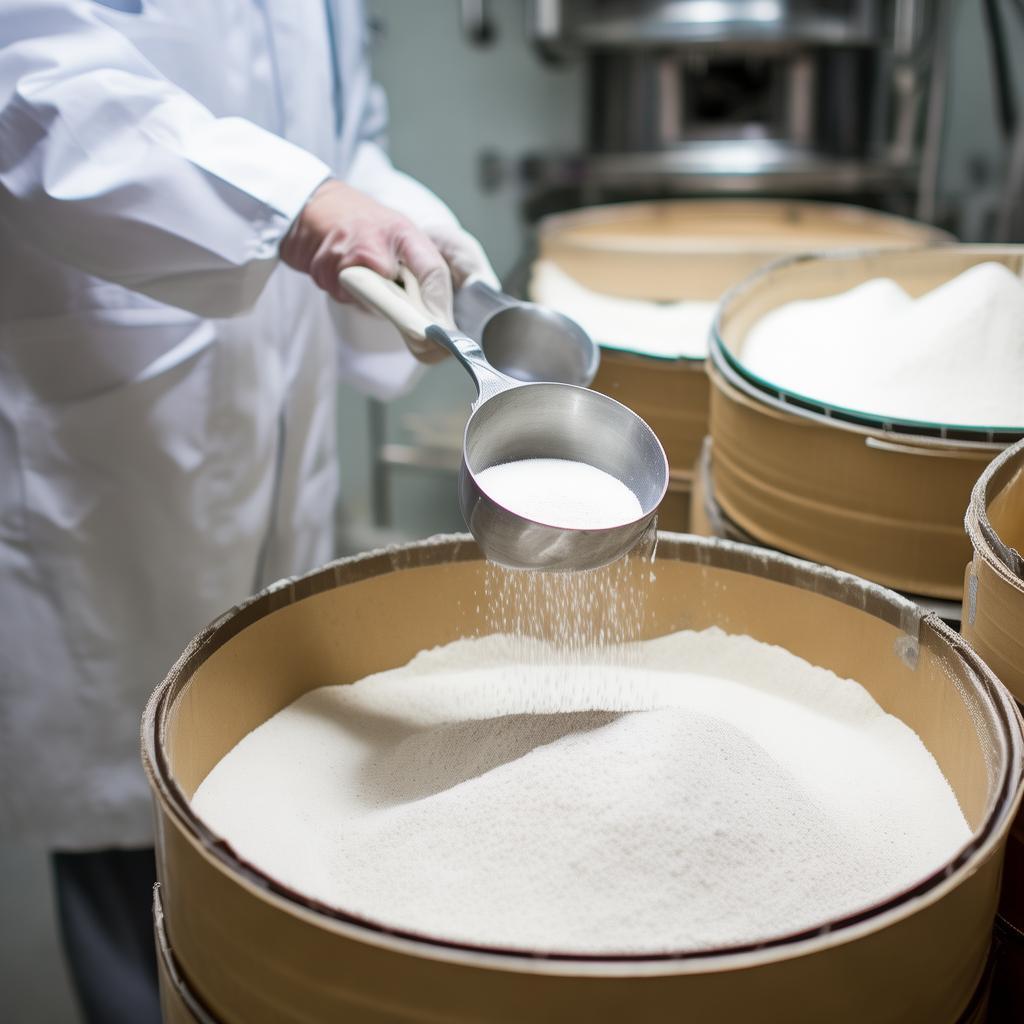
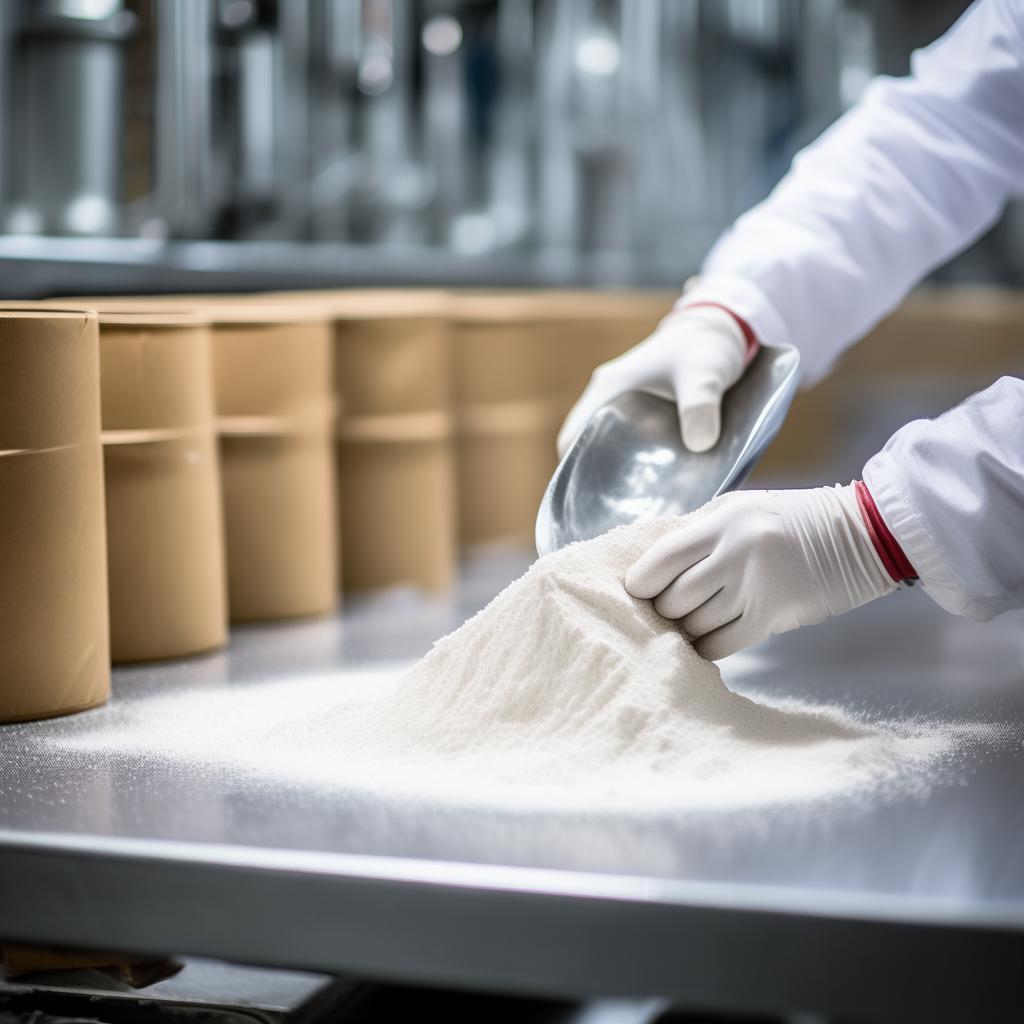
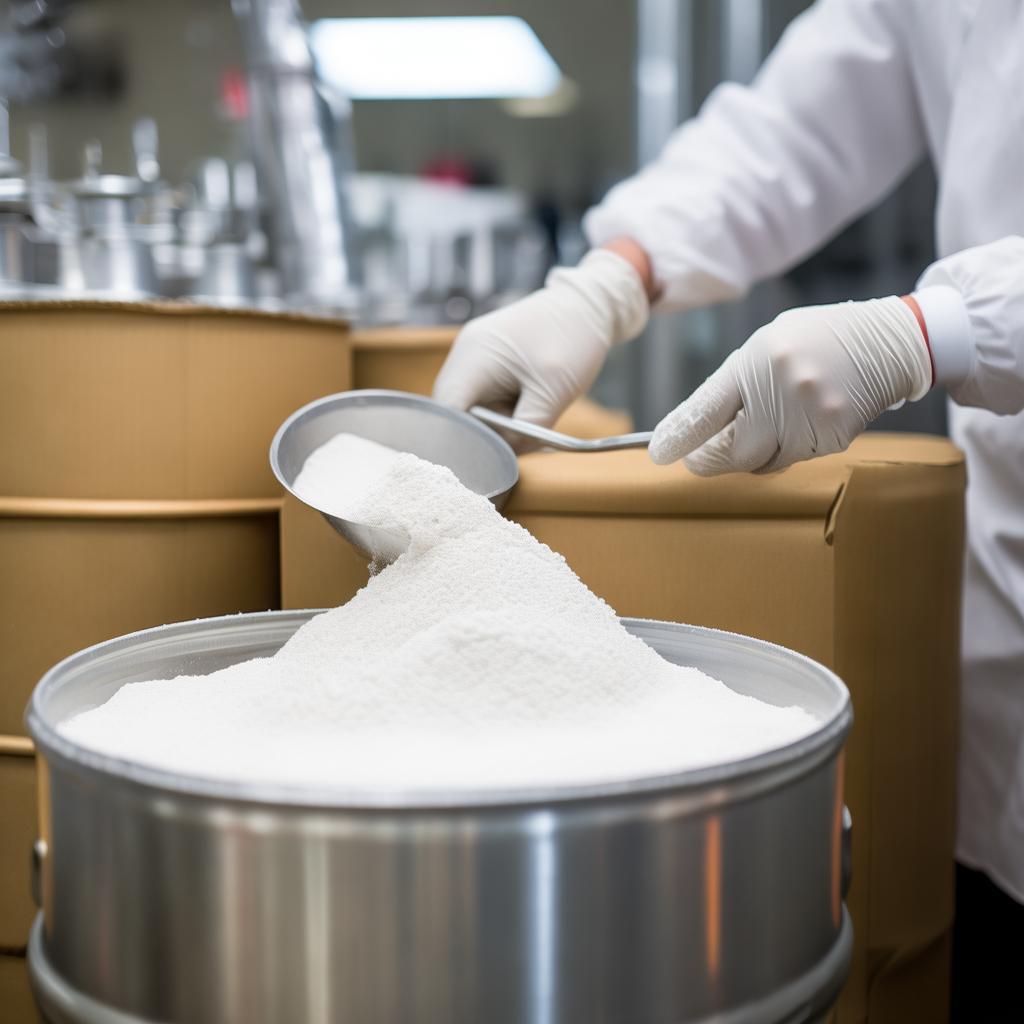
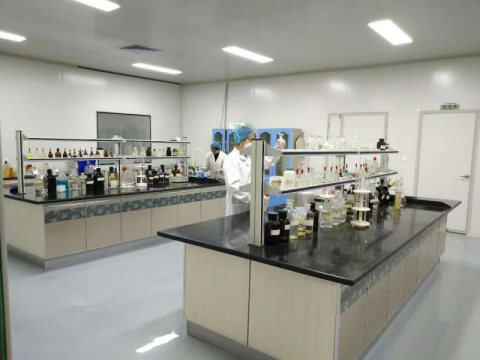
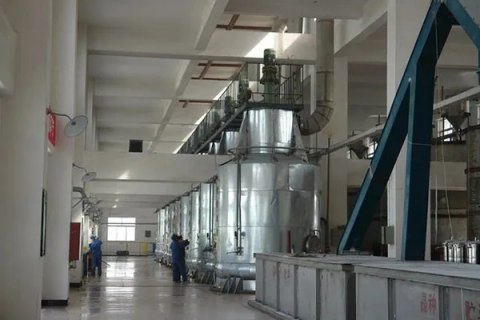
 Our state-of-the-art facility ensures batch consistency.
Case Studies
A USA yogurt producer reduced syneresis by 35% using our high-M alginate, saving $120K/year.
Why Trust Standard IMP&EXP?
Certificates: FDA, HACCP/GMP, ISO 9001, RoHS, Halal, Kosher. Fully USA-compliant.



"Switched to Standard—25% cost cut, zero rejections." – USA Dairy Ops Manager
FAQ: What Is Alginate Used For in Food & Procurement
1. What is alginate used for in food industry specifically?
Thickening sauces, gelling desserts, stabilizing ice cream—full details above.
2. Is your alginate FDA-approved for USA?
Yes, GRAS status with full compliance docs provided.
3. What are MOQ and payment methods?
500kg MOQ, T/T, L/C, PayPal. OEM customization available.
4. Shipping to USA timeline?
7-14 days via ocean, DDP options for low costs.
5. After-sales support?
24/7 tech line, free reformulation assistance.
6. Can I get free samples?
Yes, 1-5kg for testing—covers top alginates.
Limited Stock: 20% Off First Order – Free Samples!
Risk-free: Money-back guarantee, DDP shipping.
Email: info@standard-chem.com | Phone: +86-311-67665117 | Contact Page
Privacy policy: Your data secure per GDPR/CCPA.
Real Customer Reviews
John D., USA Yogurt Plant Manager
"Perfect for our low-sugar lines. Quality beats competitors—saved 28% on costs!" ★★★★★
Maria S., Sauce Manufacturer, California
"Fast delivery to LA port. Stabilizes emulsions flawlessly. Highly recommend!" ★★★★★
Alex T., Ice Cream Wholesaler, Texas
"OEM gel strength customized perfectly. No more ice crystals. Top supplier!" ★★★★★
Sarah L., Bakery Ops Director
"FDA docs ready. Excellent for fillings. Will reorder bulk." ★★★★★
About the Author

Dr. Li Wei, PhD
Seasoned Food Technologist & VP at Shijiazhuang Standard IMP&EXP CO.,LTD. With 25+ years in hydrocolloids, published in Food Chemistry (15+ papers), specializing in alginate applications for USA exports. No.448 Heping West Road, Shijiazhuang, Hebei, China.