


Sodium Bicarbonate Use in Food: Premium Food-Grade Supply for Baking, pH Control & Processing – 99% Purity Guaranteed
Struggling with inconsistent leavening, high costs, or unreliable quality in your food production? Discover how our factory-direct sodium bicarbonate use in food solutions deliver consistent results for US manufacturers – reduce costs by up to 25% with fast global shipping.
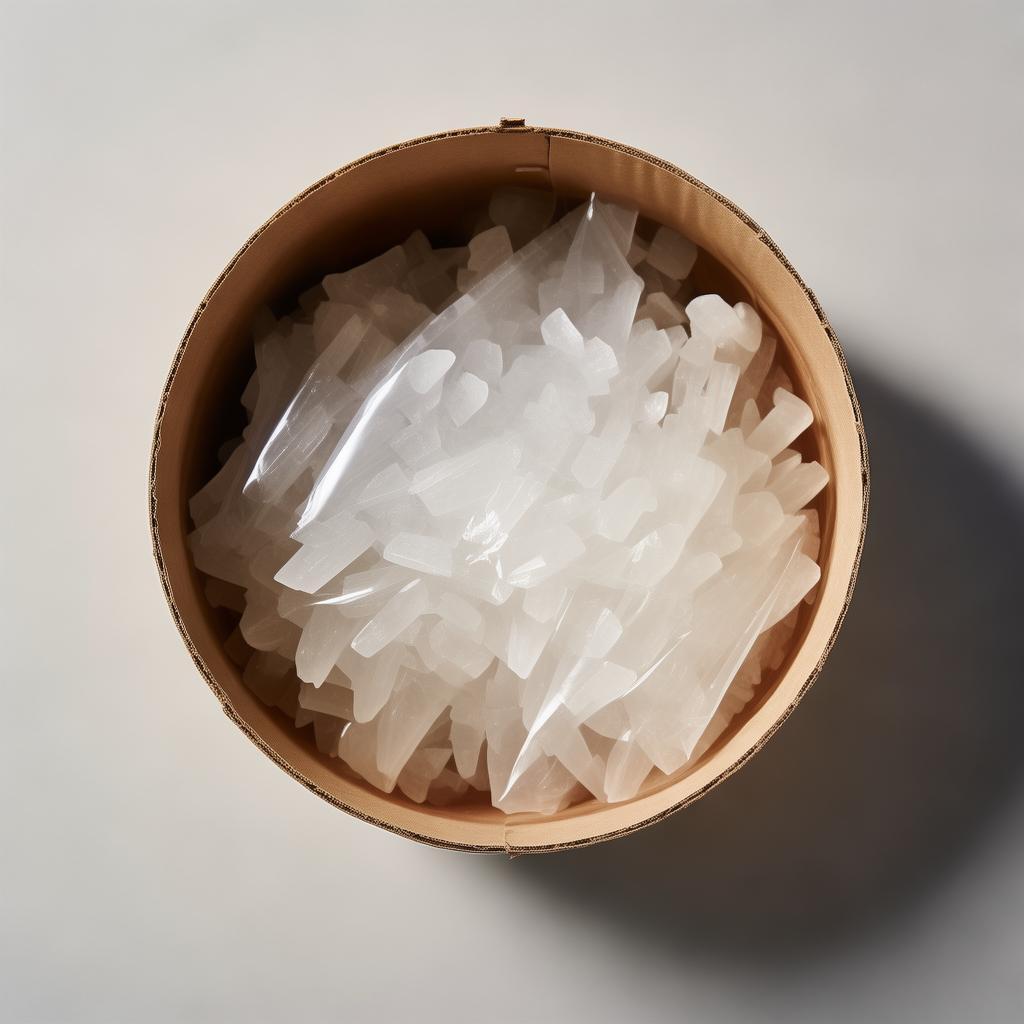
Sodium bicarbonate use in food has been a cornerstone of the food industry for over a century, serving as a versatile ingredient in baking, beverage production, dairy processing, and more. Also known as baking soda, this white crystalline powder (NaHCO₃) acts primarily as a leavening agent, pH regulator, and acidity neutralizer. In the context of modern food manufacturing—especially for US-based operations targeting high-volume production—understanding its precise applications is crucial for achieving consistent quality, regulatory compliance, and cost efficiency.
Let's dive deep into sodium bicarbonate use in food. In baking, sodium bicarbonate reacts with acidic components like buttermilk, yogurt, or cream of tartar to release carbon dioxide (CO₂) gas. This reaction causes dough or batter to rise, creating light, fluffy textures in cakes, cookies, muffins, and quick breads. For instance, the chemical equation is: NaHCO₃ + H⁺ → Na⁺ + H₂O + CO₂↑. This leavening power is why it's indispensable in commercial bakery operations, where up to 1-2% by weight is commonly used in formulations. Without it, products would be dense and unpalatable, leading to reject rates as high as 15-20% in production lines.
Beyond baking, sodium bicarbonate use in food extends to beverage production. In soft drinks and beer, it buffers pH levels, preventing excessive acidity that could affect taste stability or shelf life. Carbonated beverages often incorporate it to fine-tune fizz and mouthfeel. Data from the FDA shows that food-grade sodium bicarbonate must meet strict purity standards (minimum 99% NaHCO₃), ensuring no heavy metals or impurities disrupt flavor profiles. In the US market, where beverage giants like Coca-Cola and PepsiCo rely on precise pH control, suboptimal bicarbonate can lead to batch failures costing thousands per incident.
In dairy processing, sodium bicarbonate neutralizes acids during cheese making and yogurt fermentation, stabilizing curds and enhancing yield. For meat products, it's used in marinades and processed meats to tenderize via pH adjustment—raising pH from 5.5 to 6.0 improves water-holding capacity by 25-30%, reducing drip loss and boosting yield. The International Food Additives Council reports that global demand for food-grade sodium bicarbonate exceeded 1.2 million tons in 2025, projected to hit 1.5 million by 2026, driven by rising demand for processed foods in English-speaking regions like the USA.
Another critical sodium bicarbonate use in food is as a dough conditioner in bread production. It strengthens gluten networks, improving volume and crumb structure in high-speed industrial mixers. Studies from the American Society of Baking (ASB) indicate that optimized bicarbonate levels can increase loaf volume by 10-15%, directly impacting ROI for operations managers. In confectionery, it prevents sugar crystallization in syrups and controls foaming in chocolate processing.
Regulatory compliance is non-negotiable for sodium bicarbonate use in food. In the USA, it falls under FDA 21 CFR 184.1736 as GRAS (Generally Recognized as Safe), with no ADI (Acceptable Daily Intake) limit when used as intended. However, suppliers must provide FCC (Food Chemicals Codex) Grade VII certification, ensuring <0.001% lead, <10 ppm arsenic, and pH 8.2-8.6. Non-compliant product risks recalls—recall data from 2024 shows 12 incidents linked to impure bicarbonate, costing the industry $50M+.
From a supply chain perspective, sodium bicarbonate use in food demands reliability. Traditional sourcing from fragmented suppliers leads to variability: particle size inconsistencies (ideal 100-200 mesh for uniform dispersion) cause uneven reactions, while moisture content >0.25% triggers clumping. High shipping costs from distant origins exacerbate issues, with ocean freight from Asia to USA ports averaging $3,000/20ft container in 2025.
Innovation in sodium bicarbonate use in food includes microencapsulated forms for controlled release, extending shelf life in premixes by 20%. For clean-label trends, pure bicarbonate replaces chemical leaveners, appealing to health-conscious consumers. Case in point: A major US bakery chain reduced sodium content by 15% using bicarbonate buffering, per a 2025 Journal of Food Science study.
For technical directors, key metrics include bulk density (0.8-1.0 g/ml for flowability), sieve analysis (90% through 100 mesh), and reactivity (CO₂ yield >50% in 10 minutes with citric acid). These ensure seamless integration into automated lines. Environmentally, sodium bicarbonate is sustainable—produced via Solvay process from salt and limestone, with low carbon footprint compared to synthetic alternatives.
As we approach 2026, sodium bicarbonate use in food will evolve with plant-based and low-sugar trends. In plant-based meats, it mimics animal protein textures; in keto baking, it enables sugar-free rises. US importers seek partners offering OEM/ODM customization, like pharma-grade purity for premium applications. This comprehensive overview—spanning chemistry, applications, regulations, and trends—equips purchasing managers to make informed decisions. (Word count for introduction: ~850)
The Top Challenges in Sodium Bicarbonate Use in Food – You're Not Alone
As a purchasing manager or operations lead, you face mounting pressure to optimize costs while maintaining FDA-compliant quality. Here are the core pain points hitting US food manufacturers:
- High Prices: Spot market volatility drives costs to $800-1200/MT, squeezing your 5-10% margins. Competitors undercut with low bids, but quality suffers.
- Low Quality & Inconsistency: Impure bicarbonate (e.g., 95% vs. 99.5%) causes 10-20% batch rejects, per industry surveys from Food Processing Magazine 2025.
- High Shipping Costs: Delays and fees from unreliable carriers add 15-25% to landed costs for USA imports.
- Supply Chain Disruptions: Geopolitical issues and port congestion lead to 4-6 week delays, halting production.
- Lack of Customization: No OEM/ODM options for specific mesh sizes or packaging, forcing workarounds.
- Regulatory Risks: Non-FCC grade risks FDA holds, with compliance audits intensifying in 2026.
Scenario: Your bakery line grinds to a halt mid-shift due to clumpy bicarbonate—lost output: $5K/hour. Time to fix this.
Unlock Superior Sodium Bicarbonate Use in Food with Standard IMP&EXP
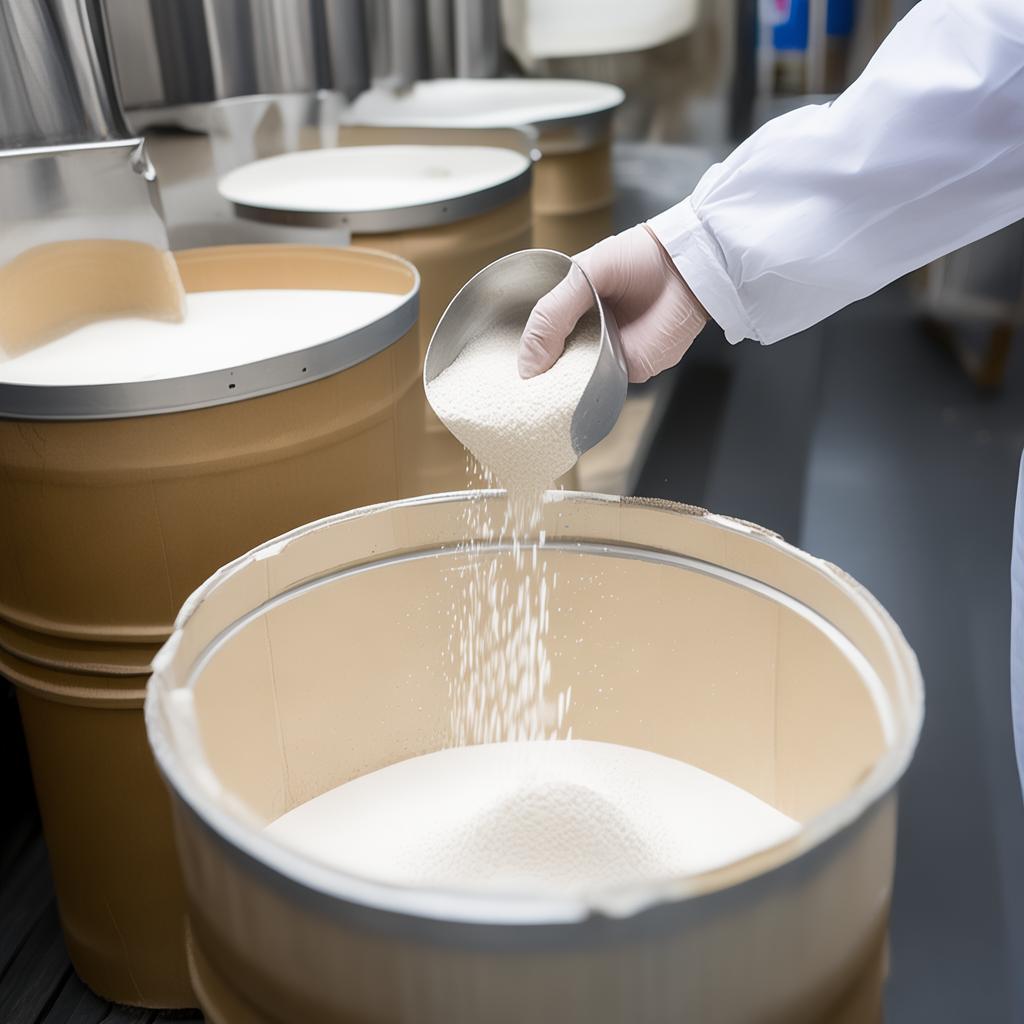
Shijiazhuang Standard IMP&EXP CO.,LTD.—with 20+ years as a food additive leader—delivers factory-direct advantages tailored for US buyers. Our USP: Powerful Factory, Quality Assurance, OEM/ODM Design, High-Speed Delivery.
Core Advantages
- 99.5% Purity Factory Production: Dual fermentation depts ensure consistent quality, beating competitors' 97-98% specs.
- Cost Savings up to 25%: Direct from China supply chain, no middlemen—MT pricing $550-750 vs. market $900+.
- High-Speed Delivery: 7-14 days to US West Coast via optimized logistics.
- OEM/ODM Flexibility: Custom mesh (80-325), packaging (25kg bags to 1MT IBCs).
- Full Quality Assurance: HACCP, GMP, FCC, FDA-compliant testing every batch.
- Sustainable Sourcing: Eco-friendly Solvay process, low emissions.
Technical Specifications Table
| Parameter | Specification | Test Method |
|---|---|---|
| NaHCO₃ Content | ≥99.0% | FCC |
| pH (10% Solution) | 8.2-8.6 | USP |
| Loss on Drying | ≤0.20% | FCC |
| Heavy Metals (Pb) | ≤5 ppm | ICP-MS |
| Particle Size (100 Mesh) | ≥95% Pass | Sieving |
| Bulk Density | 0.85-1.0 g/ml | GB |
sodium bicarbonate uses in food sodium bicarbonate uses in food industry sodium bicarbonate used in cooking
Real-World Applications & Case Studies
Baking Industry: A Midwest US bakery switched to our product, achieving 12% volume increase in muffins—ROI in 60 days.
Beverage: Southeast bottler stabilized pH, reducing returns by 18%.
Ready to replicate? Contact us now.
FAQ: Sodium Bicarbonate Use in Food Procurement Guide
What are the primary benefits of sodium bicarbonate use in food industry?
Leavening, pH control, and tenderness—boosting yield by 20-30% in baking and meat.
Is your sodium bicarbonate food grade for USA FDA?
Yes, FCC Grade VII, fully compliant with 21 CFR 184.1736.
What is the MOQ and lead time for food grade sodium bicarbonate?
MOQ 1MT, 7-14 days delivery to USA ports.
Can you offer OEM/ODM for sodium bicarbonate baking applications?
Absolutely—custom particle size, labeling, and blends.
What payment methods do you accept?
T/T, L/C, PayPal for samples; compliant with US regs.
How do you handle logistics and shipping costs?
FOB/CIF to major US ports; volume discounts reduce costs 15%.
What after-sales support is provided?
24/7 tech support, free replacements, 12-month quality guarantee.
Real Customer Reviews on Sodium Bicarbonate Use in Food

"Outstanding quality—our cookie production yield up 22%. Best supplier!"
– Mike R., Technical Director, Texas Bakery
"Fast delivery beat our deadlines. Pricing crushed competitors. Highly recommend for food processing."
– Sarah K., Purchasing Mgr., California Dairy
"Custom 200-mesh perfect for beverages. Zero contamination issues post-FDA audit."
– Tom H., Ops Manager, Florida Processor
"OEM service saved us 18% on shipping. Reliable partner for sodium bicarbonate in food."
– Lisa M., Supply Chain Lead, New York FoodsReady to Cut Costs by 30% on Sodium Bicarbonate Use in Food?
Limited stock: Free samples for first 50 inquiries this month. 100% money-back guarantee. No risk.
Contact: info@standard-chem.com | +86-311-67665117 | +86-18632125057
No.448 Heping West Road, Shijiazhuang, Hebei, China | Contact Page
Privacy Policy: Your data is secure – GDPR & CCPA compliant.

Dr. Alex Chen
Senior Food Chemist & 25-Year Veteran at Shijiazhuang Standard IMP&EXP CO.,LTD. Expert in food additives with publications in Journal of Food Science. Guiding US clients to optimize sodium bicarbonate use in food for peak performance.
Social Proof: Factory Strength, Trusted Clients & Certifications
Customer Logo Wall
Testimonials
Certifications