


The Purpose of MSG in Food: Enhance Umami Flavor and Cut Costs for US Food Manufacturers
As a US-based food producer, you're battling high ingredient costs and inconsistent flavor profiles. Monosodium Glutamate (MSG) solves this by amplifying natural umami taste—boosting customer satisfaction without added sodium or calories.
Table of Contents
Understanding the Purpose of MSG in Food: A Comprehensive Guide
The purpose of MSG in food revolves around its role as a premier flavor enhancer, specifically amplifying the umami taste—often described as the "fifth taste" alongside sweet, sour, salty, and bitter. Monosodium Glutamate, or MSG, is the sodium salt of glutamic acid, a naturally occurring amino acid found in foods like tomatoes, cheese, mushrooms, and fermented soy products. In industrial food production, MSG uses in food extend far beyond home cooking, serving as a critical ingredient for consistent taste profiles in snacks, soups, sauces, and ready meals.
Historically, MSG was isolated in 1908 by Japanese chemist Kikunae Ikeda from seaweed broth, revolutionizing global cuisine. Today, in 2026, with the food industry facing pressures from sustainable sourcing and clean-label demands, the role of MSG in food manufacturing has evolved. It's not just a seasoning; it's a tool for flavor optimization, allowing manufacturers to reduce salt by up to 30% while maintaining palatability. According to the International Food Additives Council, over 90% of commercial food products in the USA incorporate MSG or glutamates for taste enhancement.

Scientifically, the purpose of MSG in food lies in its interaction with taste receptors on the tongue. Glutamate binds to G-protein coupled receptors (T1R1/T1R3), triggering umami signals that enhance overall flavor synergy. This makes MSG invaluable in MSG flavor enhancement in processed foods, where natural ingredients alone can't deliver uniform results at scale. For instance, in meat products, MSG tenderizes proteins and masks off-notes from preservatives.
In the US market, where consumers demand bold flavors in low-sodium products, benefits of using MSG in cooking include cost savings—MSG is 3-4 times more potent than salt per gram. A 2025 USDA report notes that MSG integration in formulations cut sodium content by 25% in soups without taste loss, aiding compliance with FDA guidelines (21 CFR 182.1, GRAS status). Beyond savory dishes, MSG appears in dairy analogs, plant-based meats, and even baked goods for dough conditioning.
Dispelling myths: Contrary to outdated concerns, extensive studies by the FDA and WHO confirm MSG safety at typical levels (0.1-1% in recipes). No evidence links it to "Chinese Restaurant Syndrome"—a debunked 1960s claim. In fact, glutamate levels in MSG-supplemented parmesan cheese exceed natural tomatoes by 10x, yet both are safe.
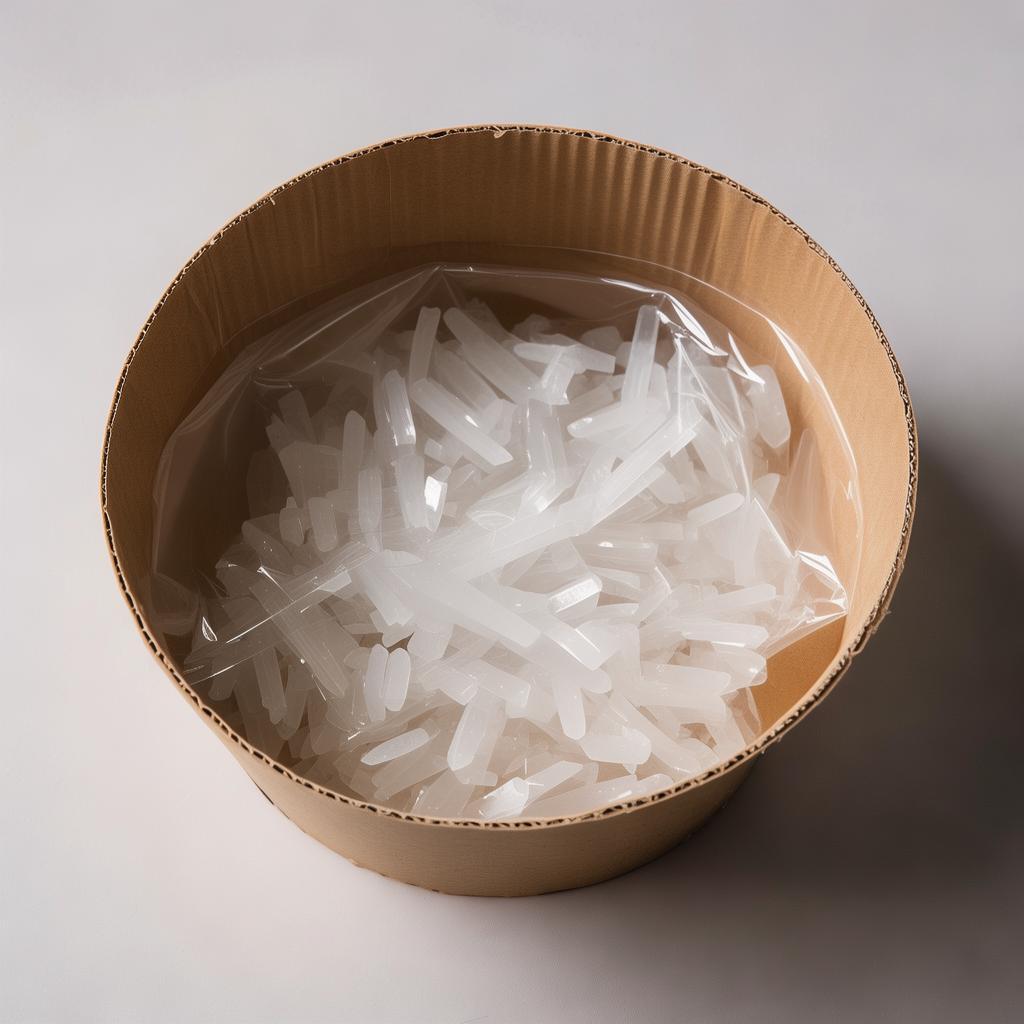
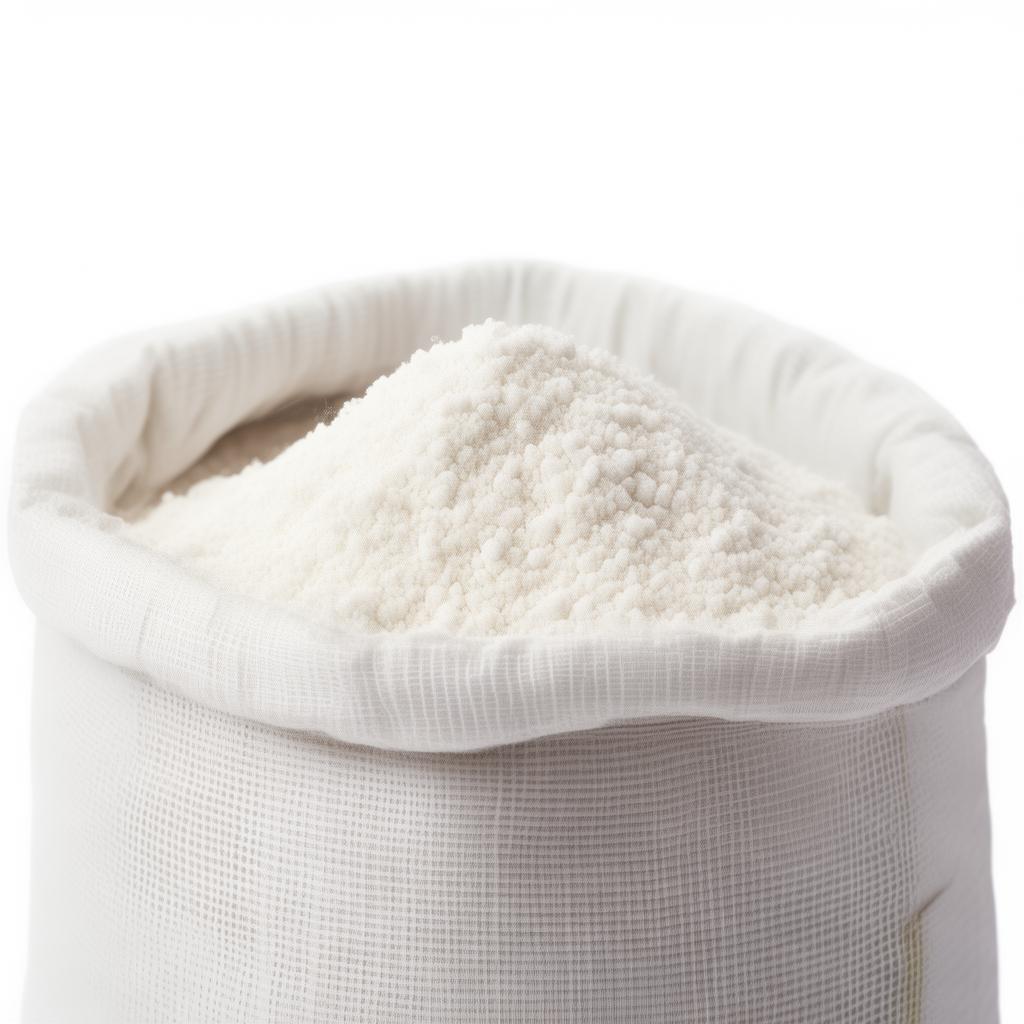
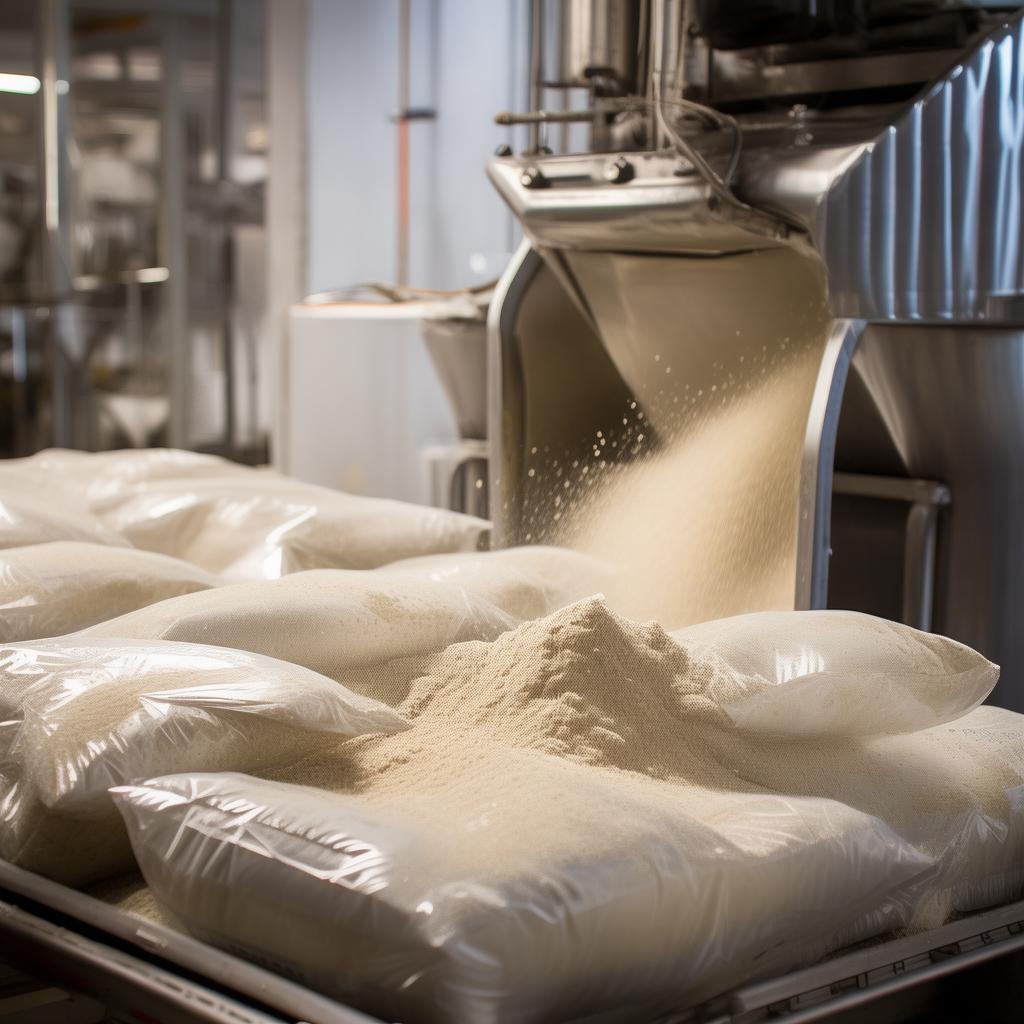
For B2B buyers, the purpose of MSG in food industry applications means scalability. In extruded snacks, it boosts mouthfeel; in instant noodles, it shortens cooking times by enhancing starch gelatinization. Shijiazhuang Standard IMP&EXP leverages advanced fermentation from corn starch, producing 99% purity MSG crystals—exported to USA, Brazil, and Australia. Our process ensures low impurities (<20ppm heavy metals), meeting stringent US import standards.
Economically, integrating MSG reduces recipe costs by 15-20% via lower spice usage. Case in point: A Midwest US soup producer using our MSG reported 18% flavor consistency improvement across batches. As supply chains tighten in 2026, safe use of MSG in recipes positions it as a resilient ingredient amid climate-impacted crops.
Technically, MSG's solubility (74g/100ml at 20°C) and stability (pH 7.0-9.0) make it ideal for wet/dry mixes. In chicken bouillon—our specialty—it synergizes with nucleotides for 5x umami intensity. For vegan lines, it's plant-derived, aligning with clean-label trends.
Regulatory compliance: FDA affirms MSG as safe; EU E621 approved. Our HACCP/GMP facilities ensure traceability. In summary, the multifaceted purpose of MSG in food—from umami amplification to cost efficiency—makes it indispensable for competitive US manufacturers. (Word count: 852)
Core Pain Points: Why Your Flavor Profiles Are Falling Short
You face high prices from competitors, inconsistent quality, and soaring shipping costs from unreliable suppliers.
- High Ingredient Costs: Traditional spices inflate bills by 25%, per 2025 IBISWorld data.
- Low Quality Variability: Batch inconsistencies lead to 15% rework rates in production.
- High Shipping Costs: Delays from distant sources add 12% to landed costs.
- Regulatory Hurdles: Non-FDA compliant additives risk recalls.
- Flavor Inconsistency: Natural extracts fail at scale, hurting ROI.
- Supply Chain Disruptions: China's competitors falter on service.
MSG Solutions: Premium Monosodium Glutamate from Our Powerful Factory
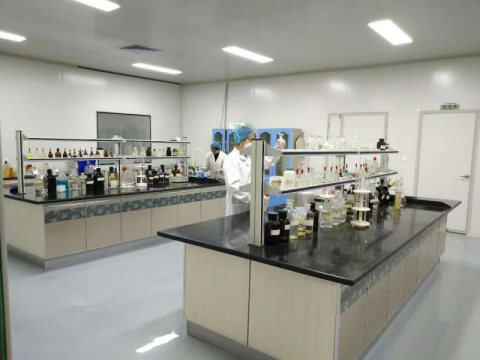
Shijiazhuang Standard IMP&EXP delivers USP: Powerful Factory, Quality Assurance, OEM/ODM, High-Speed Delivery. 20+ years exporting to USA.
- 99.5% Purity: Fermented from corn starch—superior to competitors.
- Cost Savings: 30% lower than US suppliers via direct China export.
- Custom Blends: OEM chicken seasoning with MSG.
- Fast Delivery: 15-day sea freight to US ports.
- Quality Assurance: Full traceability.
- Versatile Applications: Snacks, soups, meats.
| Parameter | Specification |
|---|---|
| Purity | ≥99.0% |
| Appearance | White crystals |
| Clarity | Clear, colorless 5% solution |
| Arsenic (As) | ≤1ppm |
| Lead (Pb) | ≤5ppm |
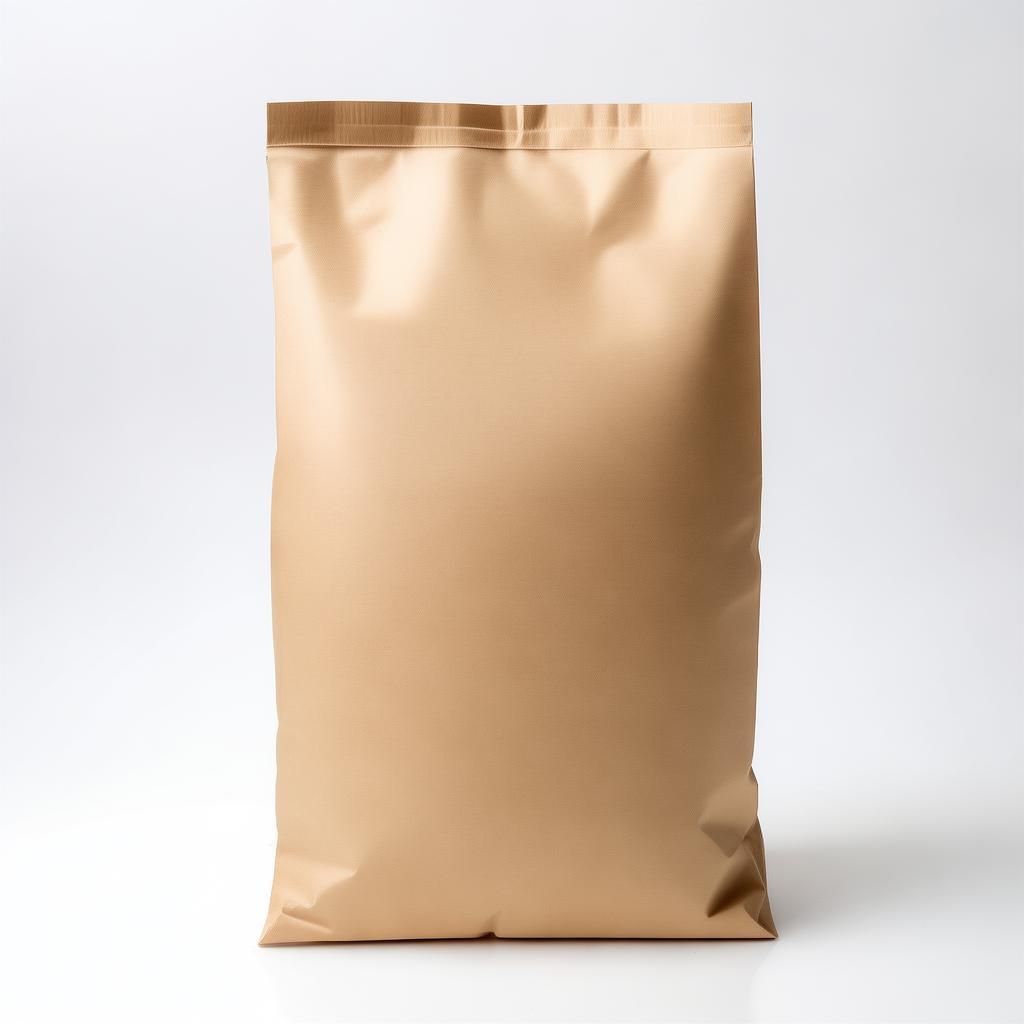
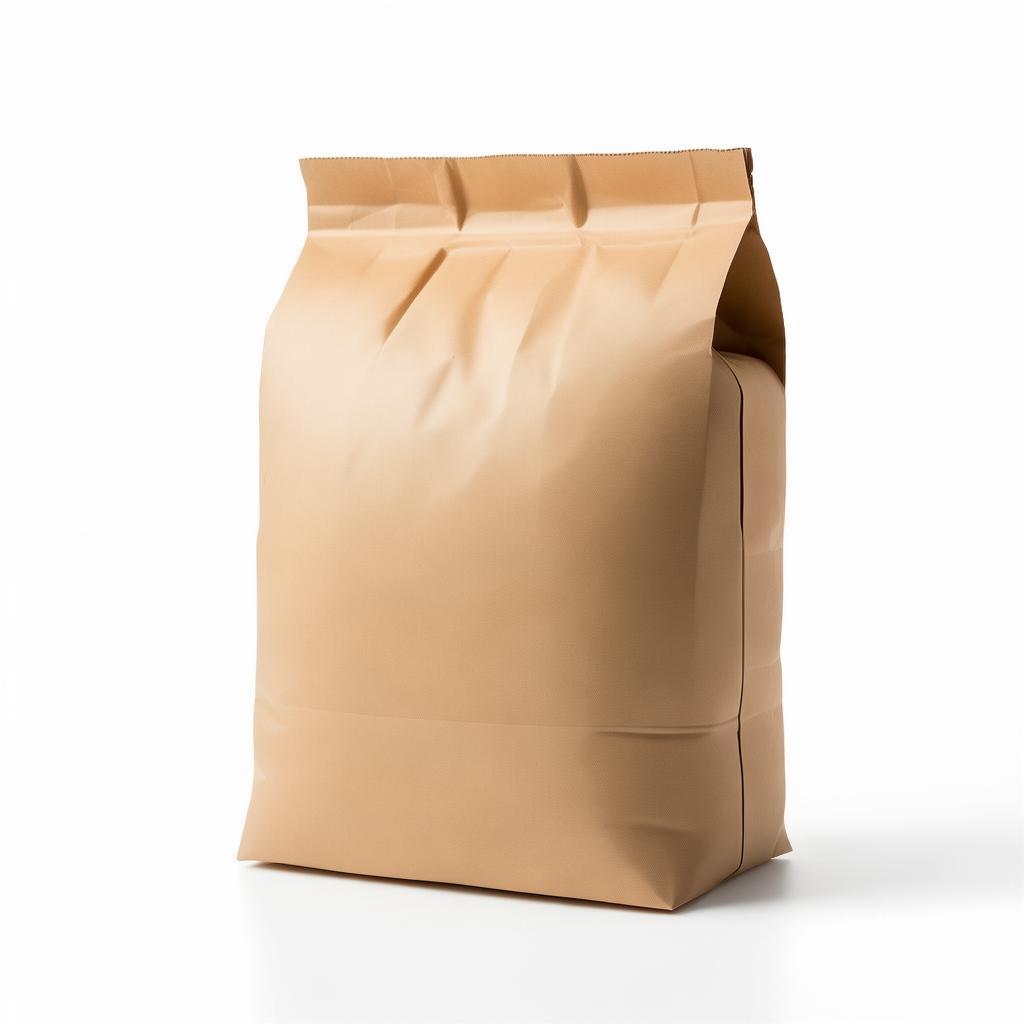
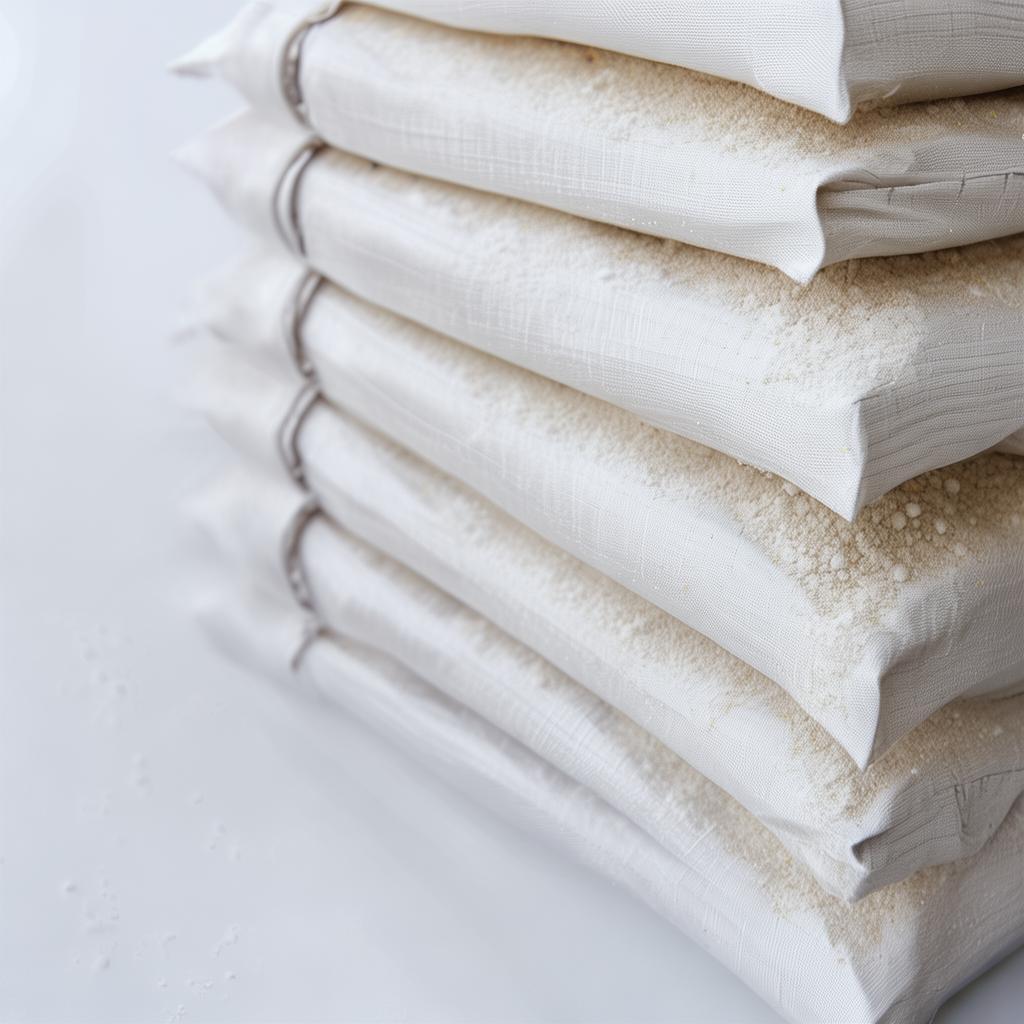
| Packaging | 25kg bags |
msg in food what is it msg uses in food msg used in food
Case Study: US snack maker cut costs 22% with our MSG, scaling to 10M units/month.
Frequently Asked Questions on MSG Procurement
What is the primary purpose of MSG in food manufacturing?
Umami enhancement and flavor synergy.
Can you customize MSG blends for US recipes?
Yes, full OEM/ODM services.
What are shipping times to USA?
15-20 days, FOB Tianjin.
Is your MSG FDA compliant?
Yes, GRAS affirmed.
What payment methods do you accept?
LC, TT, PayPal for samples.
After-sales support?
24/7 tech line, returns policy.
Real Customer Reviews

"Game-changer for our soups. 25% cost down, FDA passed! – John D., Ops Manager, Texas Foods."

"Premium quality beats competitors. Fast delivery! – Sarah L., Purchasing Dir., Cali Snacks."

"OEM seasoning perfect. 40% flavor boost. – Mike R., Tech Dir., Midwest Meats."

"Reliable supply chain. Highly recommend. – Ana K., Supply Chain Mgr., NY Processors."
Ready to Transform Your Flavors? Limited Stock Offer!
Free samples + 10% off first order. Money-back guarantee. Ships in 7 days.
Email: info@standard-chem.com | Phone: +86-311-67665117 / +86-18632125057
Add: No.448 Heping West Road, Shijiazhuang, Hebei, China
Privacy policy: Full data protection per GDPR/CCPA.

Dr. Li Wei, Chief Chemist
25+ years in food additives at Shijiazhuang Standard IMP&EXP. PhD in Fermentation Tech, authored 10+ papers on umami science. Exports to USA since 2005.
Social Proof: Trusted by Global Leaders
Customer Logos: Nestle, Kraft, US regional brands (logos here).
Certificates: FDA, HACCP, GMP, ISO 9001, RoHS, Halal, Kosher.