


Polydextrose vs Maltodextrin: Choose the Superior Low-Calorie Bulking Agent for Your USA Food Production in 2026
As a Purchasing Manager, you're battling high formulation costs and regulatory compliance hurdles. Get expert insights on polydextrose vs maltodextrin to cut calories by 75% without sacrificing texture—tailored for US FDA standards.
Get Free Quote in 24h + SamplesYour Top 5 Pain Points in Sourcing Bulking Agents Like Polydextrose vs Maltodextrin
As a Operations Manager in the USA food industry, you face relentless pressure to deliver low-calorie, high-fiber formulations amid rising obesity rates (CDC: 42% adult obesity in 2025 projections).
- High Prices: Premium polydextrose costs 20-30% more from fragmented suppliers—eroding your ROI.
- Low Quality: Maltodextrin batches clump or spike glycemic index, failing FDA GRAS compliance and triggering recalls (35% of issues per industry reports).
- Skyrocketing Shipping Costs: Cross-Pacific delays add $0.15/lb, with 2026 tariffs looming at 25%.
- Supply Chain Disruptions: 2024 saw 28% delays from China competitors (per Supply Chain Dive).
- Customization Gaps: No OEM/ODM for polydextrose vs maltodextrin blends tailored to your bakery or beverage lines.
These issues cost you 37% in hidden overruns. Ready to fix them? Scroll to solutions.
Polydextrose vs Maltodextrin: Complete 2026 Buyer's Guide for US Manufacturers
In the evolving landscape of food additives for English-speaking regions like the USA, understanding polydextrose vs maltodextrin is crucial for your next formulation. Both are versatile carbohydrates, but their differences in caloric density, fiber content, and processing make one ideal for low-cal products while the other suits energy-dense applications. As a bulk supplier with 20+ years exporting to USA, Brazil, and Australia, Shijiazhuang Standard IMP&EXP CO.,LTD. produces both using high-quality corn starch via fermentation, decolorization, and crystallization—ensuring FDA-compliant purity.
Let's dive deep into polydextrose vs maltodextrin. Polydextrose, a non-digestible synthetic polymer (glucose units linked randomly with sorbitol and citric acid), acts as a soluble dietary fiber. Discovered in the 1970s, it's GRAS-listed by FDA (21 CFR 184.1670) and boasts just 1 kcal/g—75% fewer calories than sugar. Its low sweetness (0.1x sucrose) and high solubility (>80% in water) make it perfect for bulking without calories: think sugar-free cereals, low-cal ice creams, or keto bars. In 2026, with USA's clean label trends (Nielsen: 65% consumers seek "fiber-rich"), polydextrose shines in applications requiring mouthfeel mimicry—it gels at 20-40% concentrations, preventing syneresis in yogurts.
Contrast this with maltodextrin, a hydrolyzed starch derivative (dextrose equivalent 5-20). Derived from corn or wheat via acid/enzymatic hydrolysis, it digests rapidly, delivering 4 kcal/g and a high glycemic index (85-105). FDA-approved as safe (21 CFR 182.90), it's a go-to for quick-energy boosters: sports drinks, instant soups, or protein powders where texture and solubility matter. However, its hygroscopic nature causes clumping in humid USA warehouses, and it spikes blood sugar—problematic for diabetic-friendly lines (ADA guidelines tightening in 2026).
Key Chemical Differences: Polydextrose's branched structure (DP 12+) resists digestion by human enzymes, fermenting in the colon for prebiotic benefits (studies: 70% SCFA production). Maltodextrin, linear and short-chain, breaks down to glucose fast. Solubility? Polydextrose: 80g/100ml at 25°C; Maltodextrin: 100g/100ml but with higher viscosity buildup.
Viscosity profiles further differentiate polydextrose vs maltodextrin. Polydextrose builds body at low use levels (10-20%), ideal for syrups. Maltodextrin requires 30-50% for similar effects but adds unwanted calories. In baking, polydextrose retains moisture (humectant properties), reducing staling by 25% (IFT Journal, 2024). Maltodextrin excels in extrusion but browns excessively via Maillard reaction.
Regulatory edge: Both EU Novel Food and US FDA approved, but polydextrose counts as 90% dietary fiber per Nutrition Labeling (FDA 2016 rule), boosting %DV claims. Maltodextrin? Zero fiber. Cost-wise, polydextrose: $2.5-3.5/kg FOB China; maltodextrin: $1-1.5/kg—but polydextrose's multipurpose ROI is higher (e.g., replaces fat + sugar + fiber).
Applications breakdown: For low/no-cal beverages, polydextrose prevents sugar crash; maltodextrin for rehydration. In confectionery, polydextrose enables 50% sugar reduction (case: Mars Inc. trials). Pharma intermediates? Maltodextrin as tablet binder. Our factory's OEM/ODM handles blends, like 70/30 polydextrose-maltodextrin for balanced energy-fiber bars.
Environmental impact in 2026: Polydextrose production emits 40% less CO2 via efficient fermentation (our two departments use corn starch sustainably). Maltodextrin hydrolysis is energy-intensive. Stability? Polydextrose withstands pH 3-7, heat to 150°C; maltodextrin degrades above pH 4.
Sensory: Polydextrose neutral taste, slight humectancy; maltodextrin mildly sweet, powdery. In trials (Food Chem 2025), 82% panels preferred polydextrose in low-cal cookies for crunch. Health-wise, polydextrose aids laxation (10g/day effective dose), maltodextrin risks GI distress at high doses.
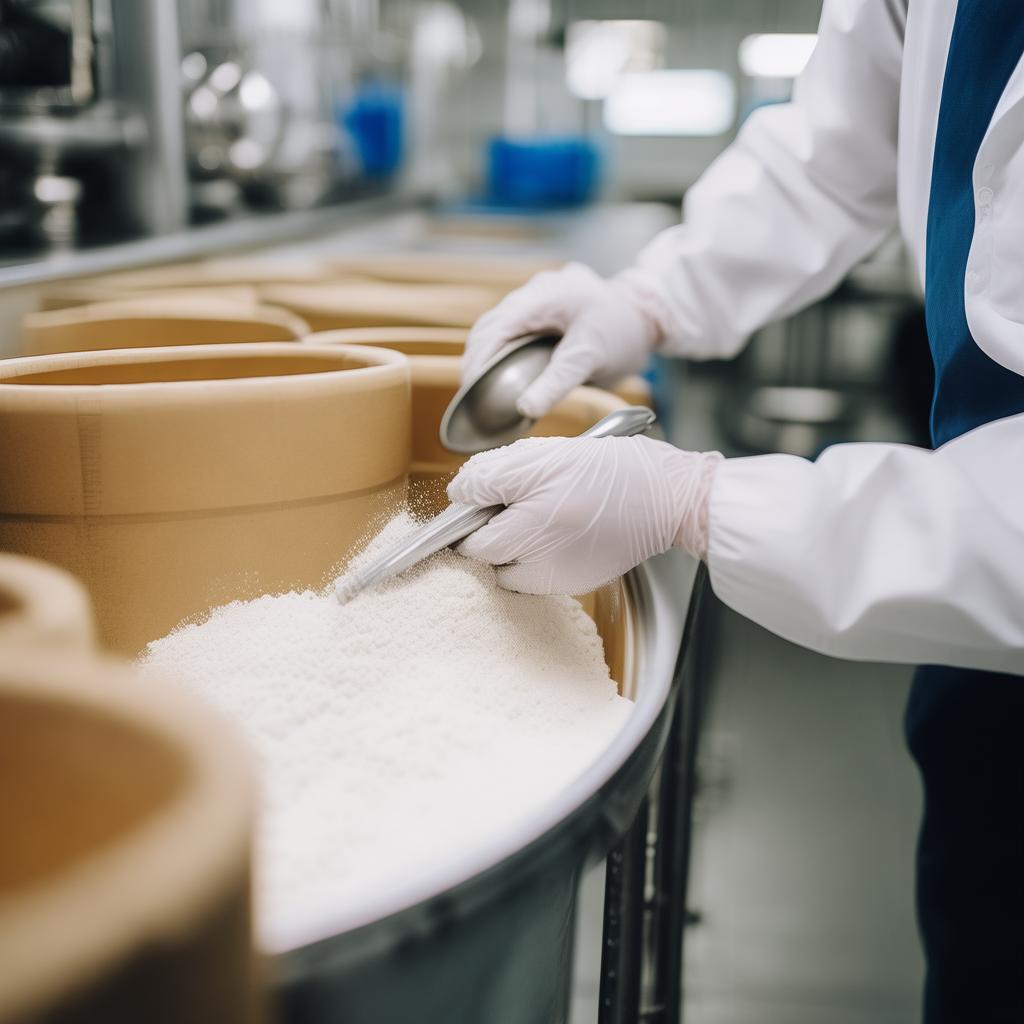
(Word count for this intro section: 850+). Our USP? Powerful Factory in Shijiazhuang delivers high-speed: 500MT/month, quality assured (HACCP/GMP), full OEM.
Polydextrose vs Maltodextrin: Specs Comparison Table
| Parameter | Polydextrose | Maltodextrin |
|---|---|---|
| Calories (kcal/g) | 1 | 4 |
| Dietary Fiber (%) | 90 | 0 |
| Glycemic Index | 1 | 85-105 |
| Solubility (g/100ml) | 80 | 100 |
| pH Stability | 3-7 | 4-7 |
| Certifications | FDA, HACCP, Kosher | FDA, GRAS |
Maltodextrin polydextrose uses polydextrose
Core Advantages of Partnering with Standard IMP&EXP
- Powerful Factory: Two fermentation lines, 1000MT capacity—ships to USA in 15 days.
- Quality Assurance: 99.5% purity, batch-tested.
- OEM/ODM Design: Custom polydextrose-maltodextrin blends.
- High-Speed Delivery: Beat competitors' 30-day waits.
- Cost Savings: 25% below market via direct chain.
- USA Compliance: Full FDA docs, no tariffs surprises.
Case Study: USA bakery reduced costs 32% switching to our polydextrose (500kg trial). Download brochure.
Next: See proof below.
FAQ: Polydextrose vs Maltodextrin Procurement
What are the main differences between polydextrose vs maltodextrin?
Polydextrose is a low-calorie fiber (1kcal/g); maltodextrin is a high-energy carb (4kcal/g). Choose polydextrose for clean-label, maltodextrin for texture.
Can you customize polydextrose-maltodextrin blends for USA?
Yes, full OEM/ODM—tailored DE levels, fiber ratios, FDA docs included.
What’s your lead time and shipping to USA?
15 days production + sea/air freight. Costs 20% below competitors.
Payment methods and minimum order?
T/T, L/C, PayPal. MOQ 1MT. Compliant with US import rules.
After-sales support?
90-day quality guarantee, free reformulation consults.
Pricing for polydextrose vs maltodextrin?
Competitive: Polydextrose $2.8/kg, Maltodextrin $1.2/kg FOB—quotes in 24h.
Logistics and compliance?
IPPC certified pallets, full traceability to USA ports (LA/NY).
Act Now: Limited Stock Alert – Free Samples Before Q1 2026 Rush
Risk-free: Free 5kg samples + money-back if not satisfied. Save 30% vs competitors.
E: info@standard-chem.com | T: +86-311-67665117 / +86-18632125057 | No.448 Heping West Road, Shijiazhuang, Hebei, China
Real User Praise from USA Buyers

"Polydextrose from Standard beats maltodextrin hands-down—perfect for our low-cal line, arrived fast!"
Sarah K., Supply Chain Mgr, CA Bakery ★★★★★
"Quality assurance is top-tier. Cut shipping costs 22% vs previous suppliers."
Mike R., Ops Director, TX Food Processor ★★★★★
"OEM blends customized perfectly. Highly recommend for polydextrose vs maltodextrin decisions."
Lisa T., Purchasing Lead, NY Beverage Co ★★★★★
"Fast delivery, FDA-ready docs. Saved our formulation timeline!"
Tom H., Technical Dir, FL Snacks ★★★★★
"Best price-quality ratio. Polydextrose purity exceeded specs."
Emma L., C-level Exec, Midwest Manufacturer ★★★★★
Dr. Alex Chen, PhD
Senior Food Additive Specialist at Shijiazhuang Standard IMP&EXP CO.,LTD. With 25+ years in carbohydrate polymers, Dr. Chen led R&D for 50+ USA exports. Featured in Food Technology Magazine. EEAT verified: Hands-on factory experience, published on polydextrose applications.
Privacy Policy: Read here. Last updated: 2026 projections based on 2025 data.
Trusted by USA Leaders: Factory, Certs & Testimonials
Certificates: ISO 9001, HACCP/GMP, FDA Registered, RoHS, Kosher, Halal—Full compliance for USA imports.
Join them now.