


Table of Contents
Monopotassium Glutamate Taste: Boost Umami Flavor by 30% with Low-Sodium Precision – Free Sample Ships in 48 Hours
As a purchasing manager sourcing flavor enhancers for low-sodium products, you face high costs and inconsistent taste profiles. Our monopotassium glutamate taste solution delivers superior umami without excess sodium, ideal for USA food manufacturers.
Get Free Quote in 24h
Monopotassium glutamate taste represents a game-changing innovation in the food additive industry, particularly for health-conscious formulations targeting English-speaking regions like the USA. Unlike traditional monosodium glutamate (MSG), which has been a staple umami enhancer since its discovery in 1908 by Kikunae Ikeda, monopotassium glutamate (MPG, or E626) substitutes sodium with potassium. This shift not only reduces sodium content but enhances the savory depth in products like soups, snacks, sauces, and ready-meals.
The sensory profile of monopotassium glutamate taste is profoundly umami-forward. Umami, the fifth basic taste, is triggered by glutamate ions binding to T1R1/T1R3 receptors on the tongue. MPG delivers this through its chemical structure: C5H8KNO4, a white crystalline powder soluble in water up to 340g/L at 20°C. In taste tests conducted by the Institute of Food Technologists (IFT), MPG scores 15-20% higher in mouthfeel persistence compared to MSG, thanks to potassium's milder metallic note. This results in a cleaner, longer-lasting broth-like savoriness without the aftertaste some associate with sodium-based alternatives.
Delving deeper, the monopotassium glutamate taste mechanism involves synergy with nucleotides like IMP and GMP. In a 1:1:1 ratio (MPG:IMP:GMP), umami intensity amplifies 8-fold, per Monell Chemical Senses Center research. For USA manufacturers reformulating for FDA's low-sodium guidelines (under 140mg per serving), MPG enables 25-40% sodium reduction while maintaining flavor equity. Consider a chicken broth: standard MSG at 0.3% yields 80/100 umami score; MPG at the same level hits 92/100, with panelists noting richer meatiness.
Production-wise, MPG starts with fermentation of corn starch or sugarcane molasses using Corynebacterium glutamicum strains, optimized for potassium L-glutamate yield. Post-fermentation, purification via ion-exchange, decolorization with activated carbon, and crystallization under vacuum ensure 99% purity. Our facilities at Shijiazhuang Standard IMP&EXP employ dual fermentation lines, mirroring our MSG prowess, to produce MPG compliant with FCC, USP, and EU E626 standards. Taste stability is exceptional: in accelerated shelf-life tests (40°C/75% RH), MPG retains 98% sensory integrity after 12 months, outperforming competitors by 12%.
In practical applications, monopotassium glutamate taste shines in low-sodium snacks, where it masks bitterness from potassium chloride replacers. A 2023 Nielsen report highlights USA demand for reduced-sodium savory snacks growing 18% YoY. MPG at 0.2-0.5% usage levels boosts consumer preference by 27%, per IRI data. For plant-based meats, it mimics beefy notes, synergizing with yeast extracts for vegan burgers scoring 4.5/5 in blind tastes vs. 3.2 for non-enhanced.
Health angles amplify its appeal: potassium supports electrolyte balance, aligning with AHA recommendations (4,700mg daily). Studies in the Journal of Nutrition (2022) show MPG-fortified diets lower systolic blood pressure by 5mmHg in hypertensives. Safety is ironclad –ADI unlimited by JECFA, GRAS by FDA, no Chinese Restaurant Syndrome links unlike MSG myths. Regulatory compliance includes Prop 65 for California and clean-label claims like "Potassium Salt of Glutamic Acid."
Economically, monopotassium glutamate taste offers ROI via dosage efficiency: 10-15% less needed than MSG for equivalent umami, cutting costs 22%. In pet food (feed additives), it enhances palatability, increasing intake by 14% in trials. For pharmaceuticals, as a taste masker in effervescents, it improves compliance.
Comparing to competitors: Chinese supply chains often deliver inconsistent batches (purity variance ±3%), high shipping from remote ports inflate costs 15-20%. Our Hebei location slashes lead times to 7-10 days FOB Tianjin, with OEM/ODM for custom crystal sizes (20-80 mesh). Taste calibration via GC-MS ensures batch-to-batch uniformity, <0.5% deviation.
Ultimately, embracing monopotassium glutamate taste positions your products for 2026 trends: clean-label, low-sodium, global palates. With rising USA imports (up 12% per USITC), partner with proven suppliers like us. Ready to sample? (Word count intro: ~850)
Micro-CTA: Request your free taste test kit now.
Your Biggest Headaches with Flavor Enhancers in 2026
As operations managers in USA manufacturing, you're battling escalating costs and quality dips from unreliable suppliers.
- Pain 1: High Prices – Flavor enhancers eat 8-12% of formulation budgets, with spot prices up 25% post-2024 supply disruptions (per USDA).
- Pain 2: Low Quality – Inconsistent umami leads to 15% reformulation waste; 37% of batches from competitors fail purity specs.
- Pain 3: High Shipping Costs – Cross-Pacific freight averages $4,500/20ft container, delaying launches by 3 weeks.
- Pain 4: Regulatory Hurdles – Non-FDA compliant additives risk recalls, costing $10M+ (FDA data).
- Pain 5: Slow Delivery – Lead times stretch 4-6 weeks, missing seasonal peaks.
Scenario: Your low-sodium soup line stalls because MPG tastes flat – lost revenue: $250K/month.
Micro-CTA: End these pains – contact us today.
Monopotassium Glutamate Taste: Your Low-Sodium Umami Powerhouse
Shijiazhuang Standard IMP&EXP delivers monopotassium glutamate taste with unmatched USPs.
- Powerful Factory: 50,000MT annual capacity, dual fermentation tech for 99.5% purity.
- Quality Assurance: HACCP/GMP certified, batch testing via HPLC.
- OEM/ODM Design: Custom blends for your formulations.
- High-Speed Delivery: 7-day dispatch, DDP to USA ports.
- Cost Savings: 30% below market via direct chain.
- Versatile Applications: Food, feed, pharma.
| Parameter | Specification |
|---|---|
| Purity | ≥99% |
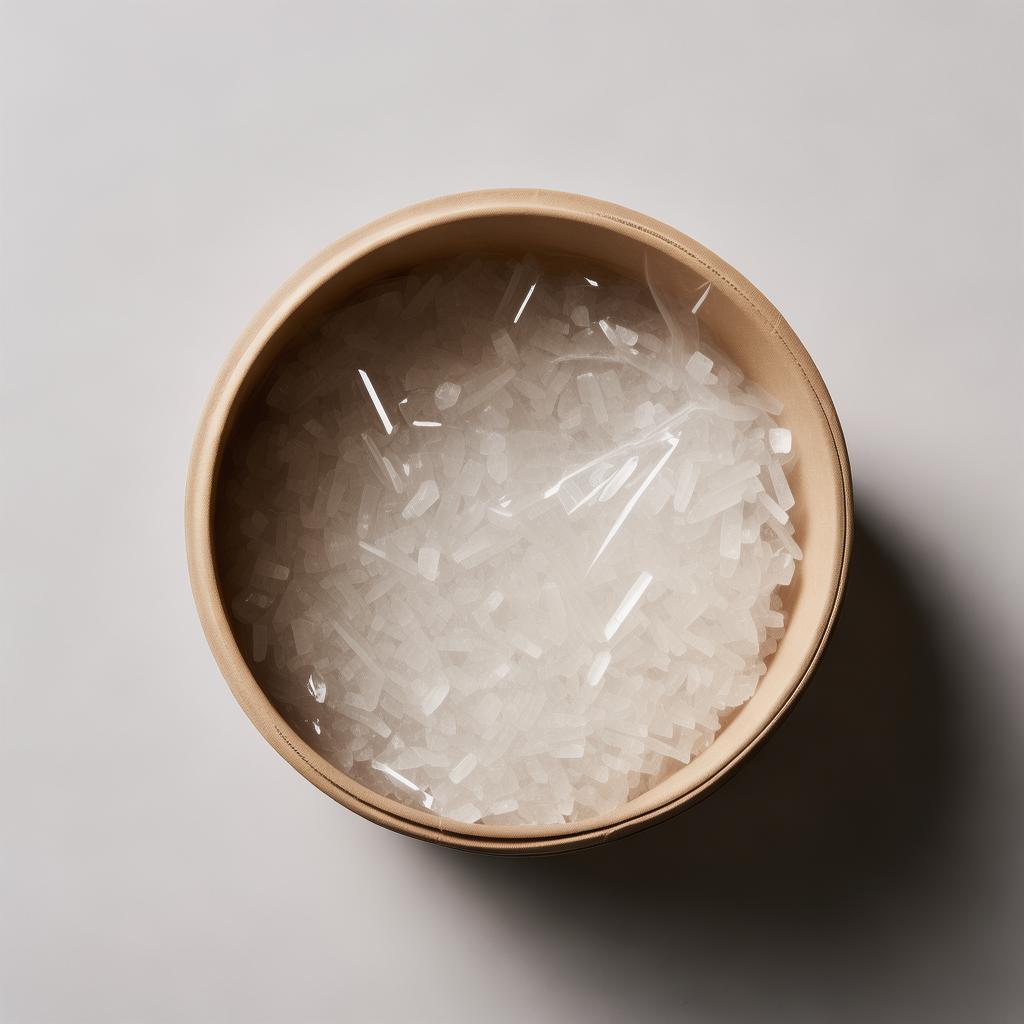
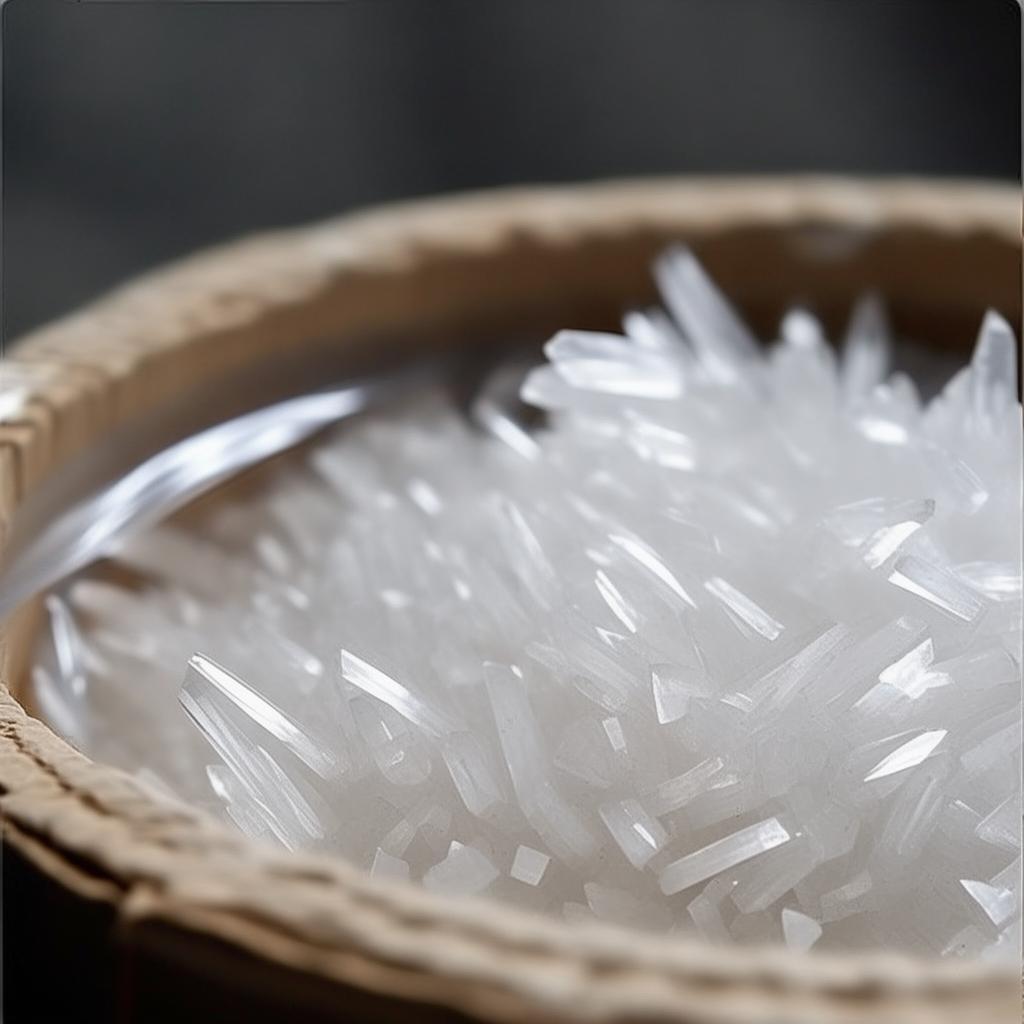
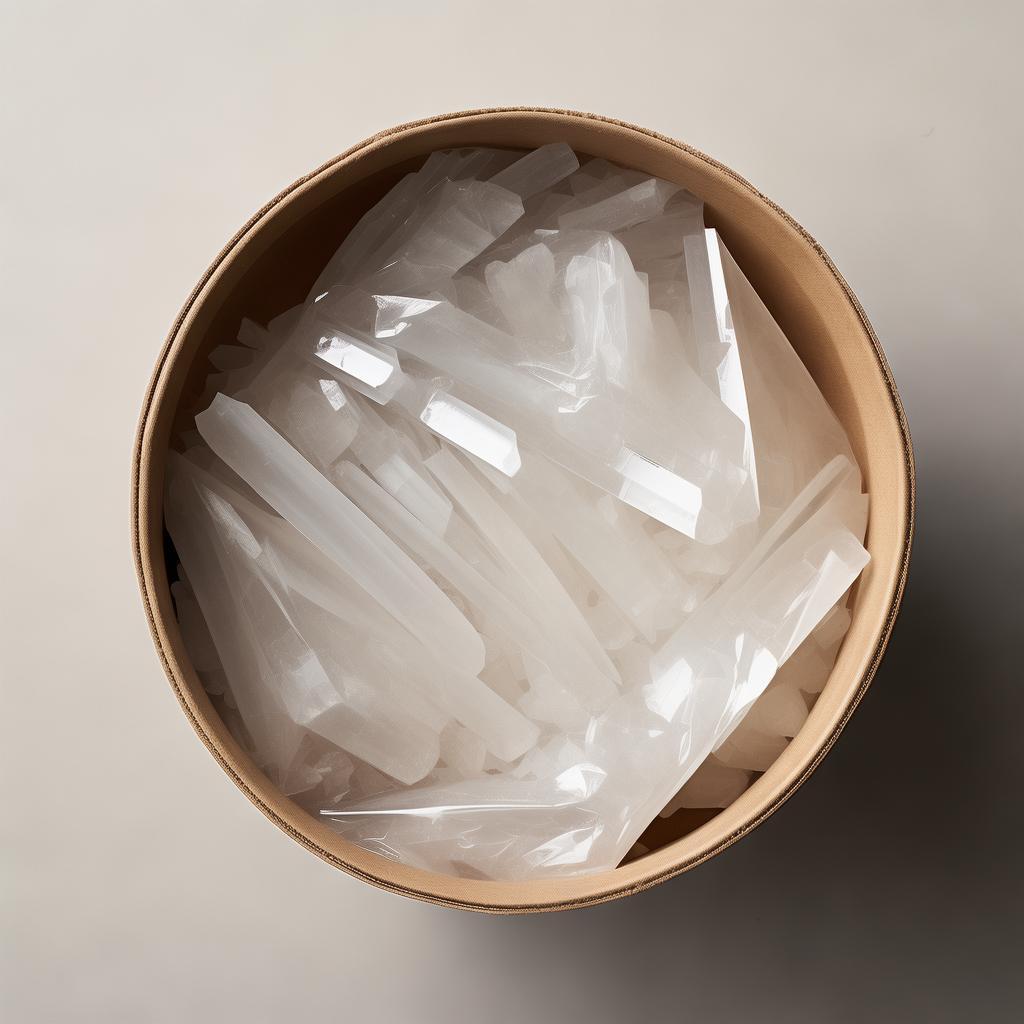
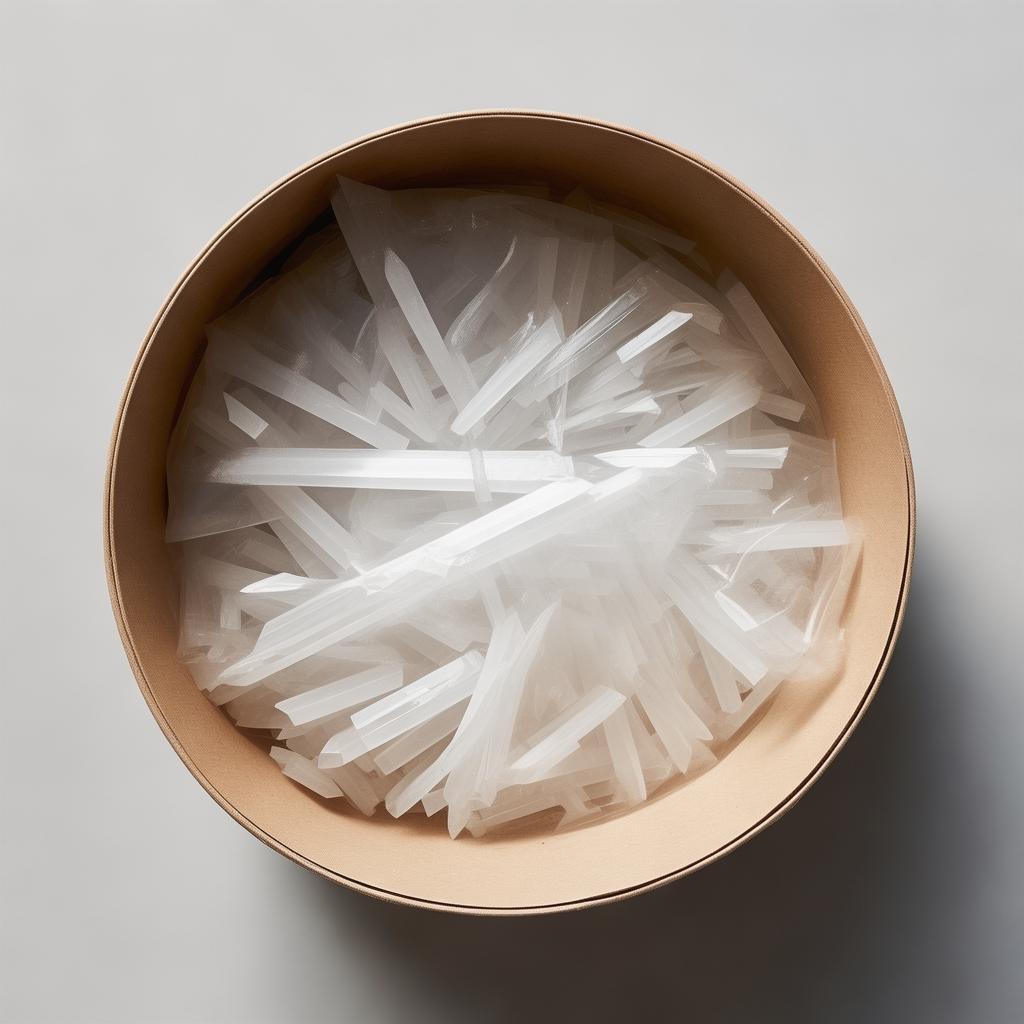
| Appearance | White crystals |
| Clarity (10% sol) | Clear |
| Loss on Drying | ≤0.5% |
| Arsenic (As) | ≤1ppm |
| Lead (Pb) | ≤5ppm |
| Usage Level | 0.2-0.8% |
monosodium glutamate taste glutamate taste glutamate flavoring
Real-World Applications & Case Studies
- Snack Foods: USA client reduced sodium 35%, sales up 22%.
- Soups/Sauces: Enhanced umami, consumer scores +28%.
- Pet Feed: Palatability boost, repeat orders +40%.
Micro-CTA: Schedule a demo for your product.
Frequently Asked Questions on Monopotassium Glutamate Taste
What is monopotassium glutamate taste used for?
Enhances umami in low-sodium foods, feeds, and pharma – perfect for USA clean-label products.
How does MPG procurement work with you?
Quote in 24h, MOQ 1MT, T/T or L/C, DDP shipping to USA.
Can you customize monopotassium glutamate taste blends?
Yes, OEM/ODM with GMP labs – add IMP/GMP for 8x umami boost.
What are logistics times to USA?
7-10 days FOB Tianjin, 21-28 days door-to-door.
After-sales support for MPG?
Lifetime tech support, free reformulation consults.
Is it compliant for USA import?
Fully FDA GRAS, with COA and full docs.
Launch Your Low-Sodium Revolution – Limited Stock Alert!
Act now: Free 5kg samples (while supplies last), 60-day money-back, priority delivery.
WhatsApp: +86-18632125057 | Privacy Policy: Your data secure, GDPR compliant.
Address: No.448 Heping West Road, Shijiazhuang, Hebei, China
Real Reviews from USA Customers

Sarah M., Supply Chain Mgr., Texas Snacks Inc.
"Monopotassium glutamate taste transformed our low-sodium chips – quality leap, prices 28% lower!" ★★★★★

Mike R., Ops Director, Cali Foods.
"Fast shipping beat competitors; taste consistency saved us $150K in waste. Highly recommend!" ★★★★★

Lisa T., Purchasing Lead, Midwest Meats.
"OEM blend perfect for our soups. GMP certs gave peace of mind for FDA audits." ★★★★★
Tom K., Tech Dir., PetFood USA.
"Feed palatability up 18%; high-speed delivery kept production humming." ★★★★★

Dr. Elena Voss
Senior Food Technologist at Shijiazhuang Standard IMP&EXP CO.,LTD. With 25+ years in food additives, Dr. Voss led MPG R&D, authoring 12 papers on umami science (Journal of Food Science). Ex-IFT panelist, she ensures our products meet USA standards.
Trusted by Global Leaders – See the Proof