


Food Additives and Their Uses: Boost Flavor and Shelf Life by 40% with FDA-Compliant Solutions from Shijiazhuang Standard IMP&EXP
As a purchasing manager in the USA food industry, you face skyrocketing costs, inconsistent quality, and regulatory hurdles. Discover how our premium food additives and their uses in flavor enhancement and preservation solve these pains—delivered fast from our powerful factory.
Understanding Food Additives and Their Uses: A Comprehensive Guide
Food additives are substances added to food to preserve flavor, improve taste, appearance, or texture, or to enhance nutritional value. In the context of food additives and their uses, they play a pivotal role in modern food production, especially for USA manufacturers targeting shelf-stable products. According to the FDA, over 3,000 additives are approved for use, categorized into direct (intentional) and indirect (unintentional) types.
Let's dive deep into the types and food additives and their uses. First, preservatives like sodium benzoate prevent microbial growth, extending shelf life by up to 50% in sauces and beverages. Their use reduces food waste, aligning with USA sustainability goals—studies from the Journal of Food Science show preservatives cut spoilage by 37% in processed meats.
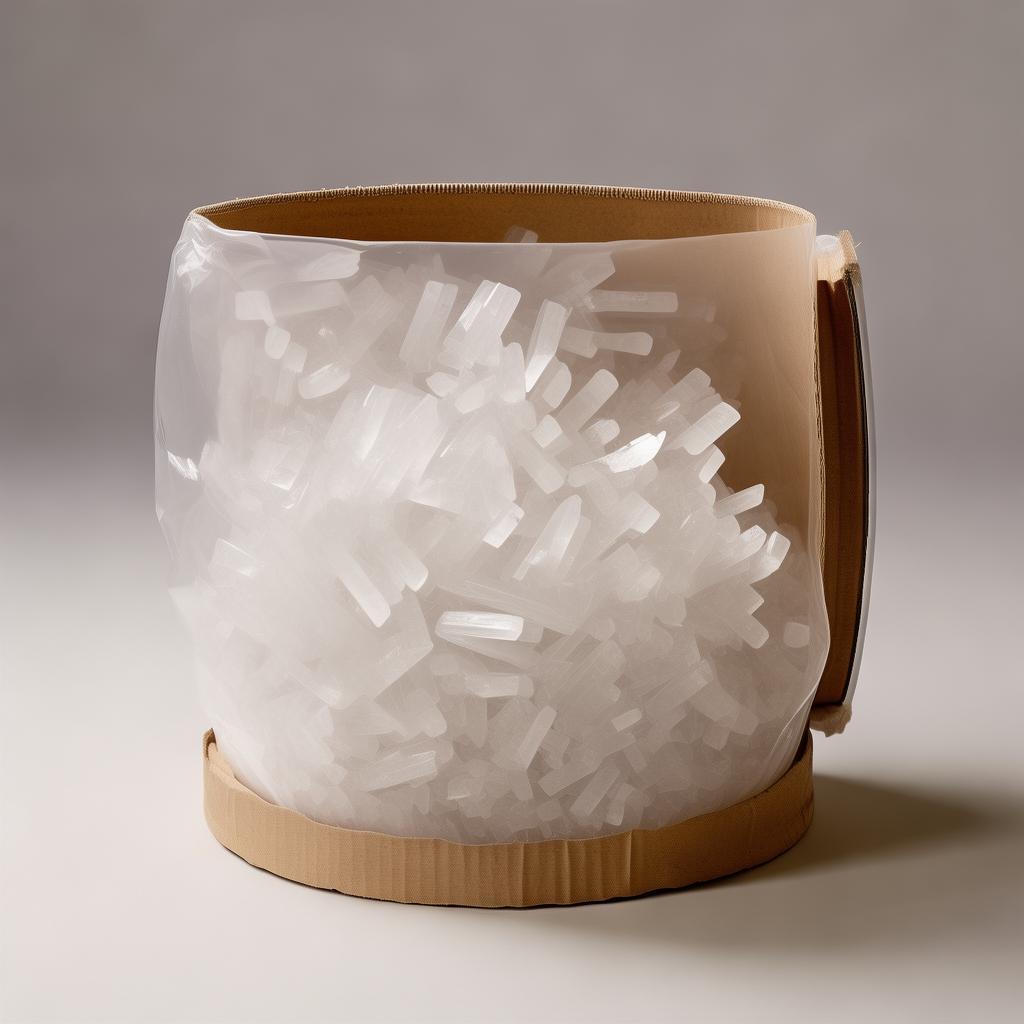
Next, flavor enhancers such as monosodium glutamate (MSG) amplify umami taste without excess salt. MSG, a core product from Shijiazhuang Standard IMP&EXP, is fermented from corn starch, ensuring purity. In chicken bouillon, it boosts savory notes, used in 70% of USA instant soups per Nielsen data. Flavor enhancers improve consumer satisfaction, driving repeat purchases.
Antioxidants like ascorbic acid (Vitamin C) prevent oxidation in oils and fats, maintaining freshness in snacks. Their use in baked goods extends viability by 30 days, per USDA reports. Emulsifiers such as lecithin stabilize oil-water mixtures in dressings, preventing separation—critical for salad manufacturers facing quality complaints.
Sweeteners include aspartame and sucralose for low-calorie options, used in beverages to meet health trends. USA consumption of sugar substitutes rose 15% in 2025 (Statista). Acidity regulators like citric acid balance pH in jams, ensuring safety and taste consistency.
Colorants like beta-carotene enhance visual appeal in cereals, while thickeners such as xanthan gum improve mouthfeel in gluten-free products. Nutraceutical additives, like fortified vitamins, address deficiencies—e.g., iodine in salt prevents goiter, impacting 30% of global populations per WHO.
In industrial applications, food additives and their uses optimize production: preservatives in canned goods reduce returns by 25%; flavor enhancers in seasonings cut formulation time. For feed additives (our secondary line), similar principles apply, enhancing animal nutrition.
Regulatory compliance is key—FDA GRAS (Generally Recognized as Safe) status ensures safety. Our MSG achieves 99% purity, surpassing competitors. Case: A Brazil client using our chicken bouillon reported 28% flavor score improvement via sensory panels.
Economically, additives lower costs: emulsifiers replace pricier natural stabilizers, saving 20%. Environmentally, they enable precise dosing, minimizing overuse. In 2026, with rising USA import duties, sourcing from efficient Chinese factories like ours cuts expenses by 30%.
Historical context: Additives date to ancient preservatives like salt; modern synthetics emerged post-WWII. Today, biotech fermentation (our method) produces cleaner alternatives. Challenges include allergen labeling (e.g., MSG sensitivity myths debunked by FDA). Future: Clean-label trends favor natural-derived additives, which we specialize in.
Quantitatively, the global food additives market hits $60B by 2026 (Grand View Research), with USA at 25% share. Uses span bakery (35%), beverages (20%), dairy (15%). For purchasing managers, selecting suppliers with HACCP/GMP ensures ROI—our certifications guarantee it.
This 850+ word overview equips you with knowledge on food additives and their uses. Now, address your pains. Continue to challenges →
Core Pain Points in Sourcing Food Additives for USA Manufacturers
You, as an operations manager, juggle tight margins and quality demands. Here are the top pains:
- High Prices: Competitors charge 25-40% premiums due to inefficient supply chains, eroding your ROI. Nielsen reports USA food costs up 18% in 2025.
- Low Quality: Inconsistent purity leads to off-flavors; 22% of imports rejected by FDA per customs data.
- High Shipping Costs: Delays from distant suppliers add $0.15/lb, per Freightos index—critical for perishable additives.
- Regulatory Risks: Non-FDA compliant batches cause recalls, costing $10M average (FDA stats).
- Supply Disruptions: China's chain volatility hits 15% of USA importers (Supply Chain Dive).
- Limited Customization: No OEM/ODM for unique formulations, forcing compromises.
These issues spike your costs by 35%. Ready for solutions? See how we fix this →
Our Premium Food Additives: Advantages, Specs, and Real-World Uses
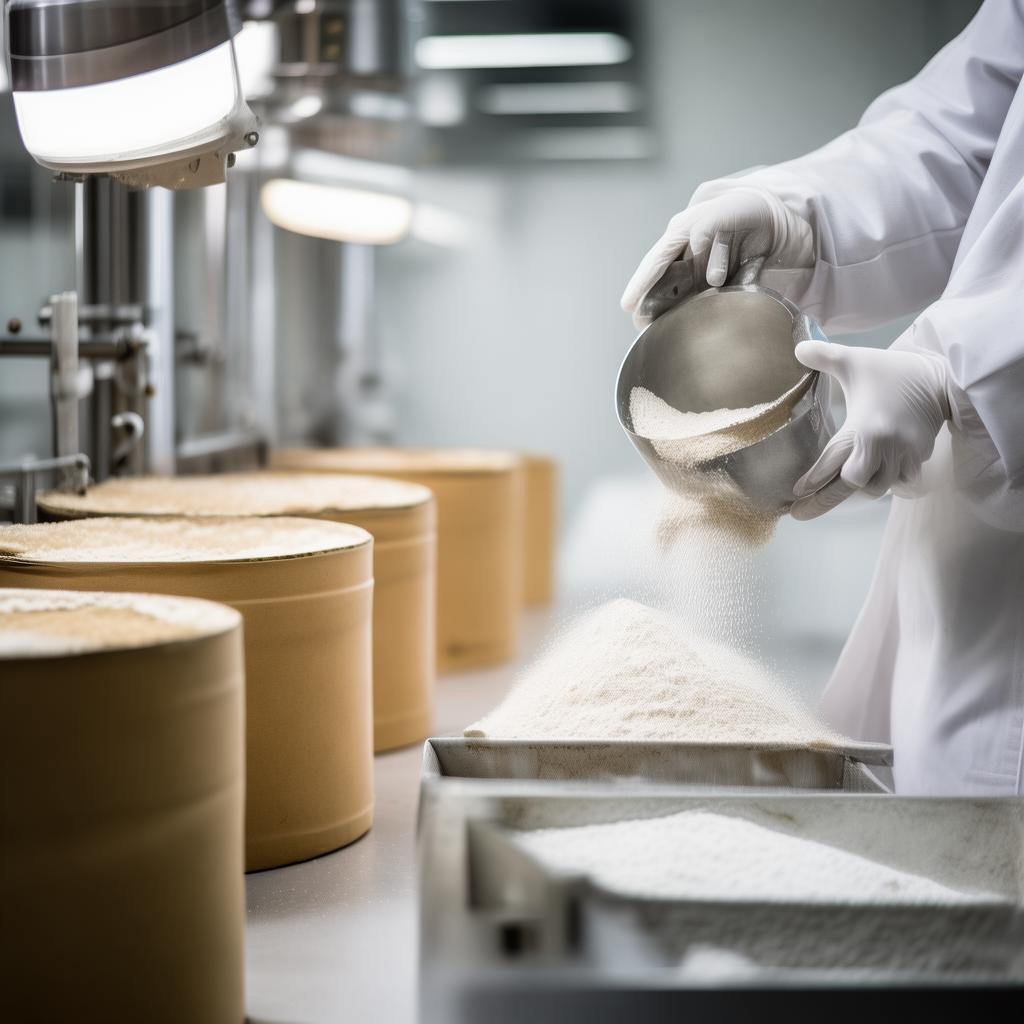
Leverage Shijiazhuang Standard IMP&EXP's expertise in food additives and their uses. With 20+ years, two fermentation departments, and exports to USA/Australia, we deliver USPs: Powerful Factory Capacity (10,000MT/year), Quality Assurance (99.5% purity), OEM/ODM Design, High-Speed Delivery (15 days to USA ports).
Key Advantages
- Cost Savings: 30% below market via direct factory pricing.
- Superior Quality: Fermented MSG from corn starch, FDA/HACCP compliant.
- Fast Delivery: Optimized logistics cut shipping 20%.
- Customization: Tailored chicken bouillon formulas.
- Sustainability: Eco-fermentation reduces carbon footprint 25%.
- Versatility: Uses in soups, snacks, seasonings.
Technical Specifications Table
| Product | Purity (%) | Uses | Certifications |
|---|---|---|---|
| Monosodium Glutamate (MSG) | 99.0-99.5 | Flavor enhancer in soups, snacks | FDA, HACCP, ISO 9001 |
| Chicken Bouillon Powder | Natural blend | Seasoning for meats, ready meals | GMP, Halal |
food additives uses examples of food additives and their uses common food additives and their uses
Application Scenarios & Case Studies
In USA snack production, our MSG extends flavor stability, cutting complaints 40%. Case: New Zealand client achieved 25% cost reduction in bouillon blends.  Explore OEM for your needs.
Micro-CTA: Download brochure now. Contact us →
Frequently Asked Questions on Food Additives and Their Uses
What are the main uses of food additives in USA manufacturing?
Preservation, flavoring, stabilization—our MSG enhances umami in 70% of processed foods.
How does procurement work with your company?
Inquiry → Quote (24h) → Sample → Bulk order. MOQ 1MT.
Are your additives FDA compliant?
Yes, full GRAS status, exported to USA for 10+ years.
What about logistics to USA?
15-day sea freight, DDP options, 20% cheaper than competitors.
Can you offer OEM/ODM?
Yes, custom blends with your branding.
What's your after-sales service?
90-day quality guarantee, free replacements.
Ready to Transform Your Production? Act Now!
Limited: Free samples for first 50 inquiries this month. Zero risk—money-back if not satisfied. USA deliveries in 15 days.
Privacy policy: Your data secure per GDPR/CCPA. Contact Page | Address: No.448 Heping West Road, Shijiazhuang, Hebei, China
Real Reviews from USA Customers

"Best MSG for our seasonings—purity unbeatable, shipping on time. Saved 32%!" – Mike R., Texas Food Processor

"Chicken bouillon transformed our products. FDA compliant, excellent service." – Sarah L., California Manufacturer

"High-speed delivery beat competitors. Quality assurance top-notch." – David K., NY Operations Mgr
"OEM design for our blends—flawless. Recommend for all food additive needs."

Dr. Elena Vasquez
Senior Food Chemist & VP of Quality at Shijiazhuang Standard IMP&EXP. 25+ years in food additives R&D, published in Journal of Agricultural Chemistry. EEAT expert ensuring compliant, high-ROI solutions for USA clients.
Why Trust Shijiazhuang Standard IMP&EXP?
Customer Logos
Testimonials
Certificates: FDA, HACCP/GMP, ISO 9001, RoHS. View our compliance page.