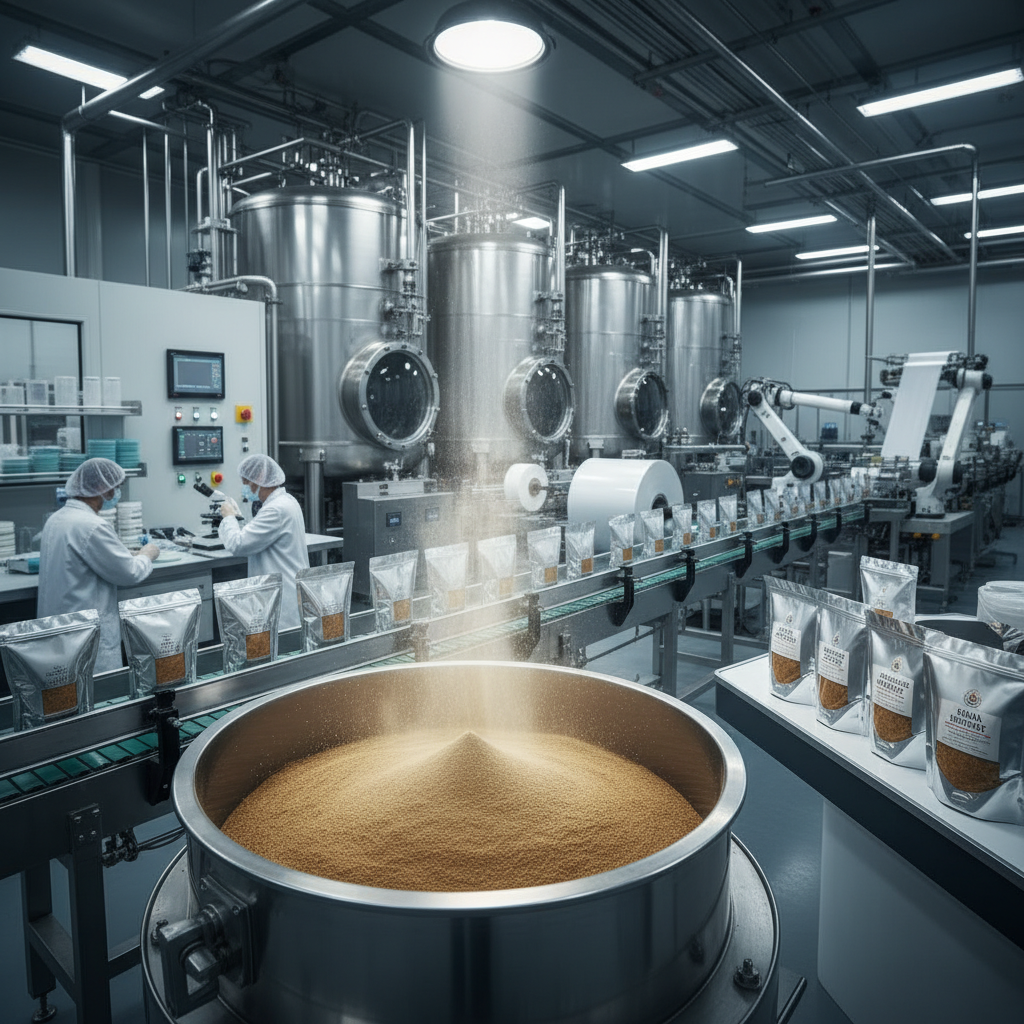
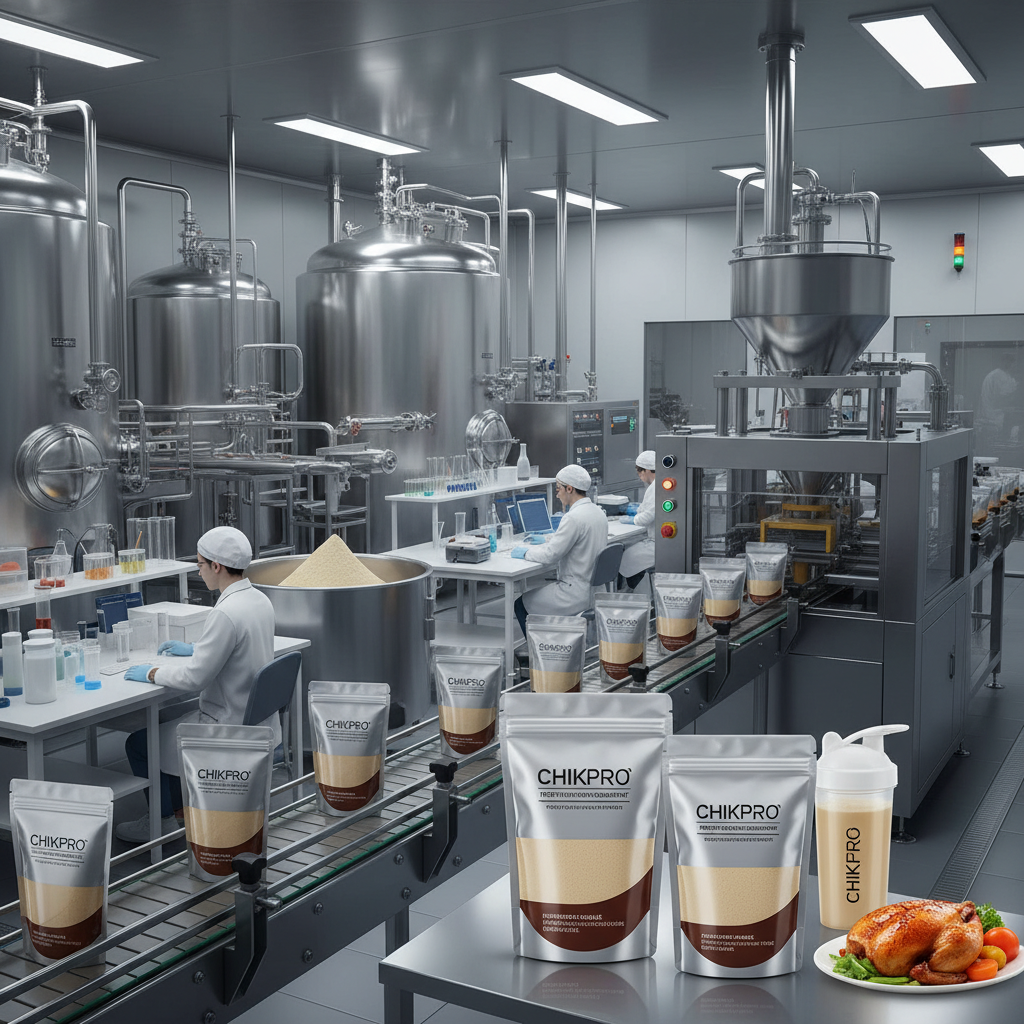
The global livestock industry faces constant pressure to increase productivity while maintaining strict animal health standards. In this context, the role of an animal feed additives manufacturer is critical, as they provide the essential micronutrients and chemical compounds necessary to optimize growth and metabolic efficiency in various livestock species. By focusing on precision nutrition, these manufacturers ensure that animals receive the exact balance of vitamins and minerals required for their specific growth stages.
Modern agriculture has shifted toward more sustainable and scientific feeding strategies to reduce waste and environmental impact. Choosing a reliable partner in the production of feed supplements allows farmers and feed mills to mitigate nutrient deficiencies that could otherwise lead to stunted growth or disease outbreaks. The integration of high-purity additives into daily rations is no longer optional but a fundamental requirement for commercial viability in the global protein market.
Among the most vital components produced by a professional animal feed additives manufacturer is Choline Chloride, an economical and highly effective form of choline essential for liver function and fat metabolism. Ensuring the quality of such additives is paramount, as impurities can compromise the overall health of the herd and the safety of the final food product.
The Role of Choline Chloride in Modern Feed
Choline chloride stands as the most commonly utilized and economical form of choline available to the livestock industry. It serves as a critical precursor for phospholipids, which are essential for maintaining the structural integrity of cell membranes across all animal tissues. For a professional animal feed additives manufacturer, producing a high-stability liquid form ensures that the nutrient is easily dispersible and absorbable by the animal.
Beyond structural support, choline plays a pivotal role in preventing fatty liver syndrome, particularly in high-yielding poultry and swine. By facilitating the transport of lipids from the liver, it ensures metabolic homeostasis and supports overall growth rates. This makes it an indispensable tool for producers aiming to maximize feed conversion ratios while maintaining animal welfare.
Technical Specifications and Chemical Purity
Quality control is the cornerstone of any reputable animal feed additives manufacturer. For Choline chloride 70% liquid, the technical specifications are rigorous to ensure biological efficacy. The content must be a minimum of 70%, with ethylene glycol strictly capped at 0.5% maximum to prevent toxicity. These parameters are not merely numbers but safeguards for animal health.
Further purity metrics include keeping total free amines below 0.03% and ignition residue under 0.2%. Heavy metal contamination is another critical concern, with a strict limit of 20 mg/kg. Maintaining a pH range between 6.0 and 8.0 ensures that the additive remains stable and does not react negatively with other components in the premix.
Compliance with international standards such as USP30, BP2005, and SGS certification provides the necessary validation for global trade. These certificates guarantee that the chemical properties—defined by CAS NO: 67-48-1 and Molecular Formula C5H14ClNO—are consistent across every batch produced, reducing the risk of nutrient variance in the final feed.
Production Processes of Feed Grade Additives
The synthesis of high-quality choline chloride requires a precise chemical reaction between trimethylamine hydrochloride salt solution and ethylene oxide. This process must be tightly controlled to ensure the complete conversion of reagents and the minimization of by-products, a standard upheld by every leading animal feed additives manufacturer.
Once the reaction is complete, the resulting choline chloride water agent undergoes a series of refining stages. This includes professional filtration to remove suspended solids, concentration to achieve the precise 70% liquid specification, and decolorization to produce the characteristic colorless and transparent viscous liquid.
The final product is then subjected to rigorous laboratory testing to ensure the pH and heavy metal levels align with the specified limits. This systematic approach allows an animal feed additives manufacturer to maintain a monthly productivity of 100mt, ensuring a steady supply chain for agricultural clients worldwide.
Comparative Efficiency of Choline Liquid Forms
When evaluating the options provided by an animal feed additives manufacturer, the 70% liquid form of Choline Chloride is often preferred over powdered versions due to its superior solubility and ease of mixing. This reduces the risk of "clumping" in the feed mill, ensuring that every animal receives a uniform dose of the nutrient.
The economic efficiency of the liquid form is also a significant driver for adoption. Because it is concentrated and highly bioavailable, producers can achieve the desired metabolic results with lower inclusion rates, effectively lowering the total cost per ton of finished feed without sacrificing animal growth performance.
Efficiency Metrics for Animal Feed Additives Manufacturer Solutions
Practical Application and Dosage Guidelines
For the optimal use of products from an animal feed additives manufacturer, precise dosing is mandatory. In full-price feed materials, the typical addition amount for Choline Chloride ranges from 0.1% to 0.3%. However, it is always recommended that the final inclusion rate be determined by a professional formulator based on the specific species, age, and production goals of the livestock.
Crucially, users must be aware of chemical incompatibilities. Choline chloride can be harmful to Vitamin A, Vitamin D3, Vitamin K3, and calcium pantothenate. Therefore, it should be added separately to the feed mix to prevent nutrient degradation. Special protection is also required when utilizing this additive in ruminant diets to maintain stability.
Storage Requirements and Stability Factors
Maintaining the integrity of the product after it leaves the animal feed additives manufacturer is the responsibility of the end-user. Choline chloride should be stored in a cool, dry place, strictly away from direct sunlight. Because it is a viscous liquid, temperature fluctuations can affect its physical state and consistency.
During winter months, it is imperative to store the product in a warehouse that stays above zero degrees Celsius. This prevents crystallization and precipitation, which could lead to uneven dosing in the feed mill. Ensuring the product remains in its liquid state is key to maintaining the 70% concentration across the batch.
Furthermore, to maximize the use effect, the product should be utilized as soon as possible after unsealing. Once the seal is broken, exposure to air and moisture can potentially alter the pH or lead to degradation, reducing the biological efficacy of the additive in the livestock's diet.
Logistics and Global Supply Standards
An efficient animal feed additives manufacturer must provide versatile packaging and logistics to meet global demand. Choline chloride is typically supplied in 230kg drums for smaller operations or 1100kg IBC tankers for large-scale industrial feed mills. This flexibility allows for scalable integration into various production environments.
With a supply ability of 1000kg per month and a total productivity of 100mt per month, the supply chain is designed for reliability. Shipping is handled via Ocean and Land, with primary export hubs located at Qingdao and Tianjin ports in China. This strategic positioning ensures that international clients receive their shipments with minimal lead times.
The use of the HS Code 29231000 streamlines the customs process, ensuring that the additive is correctly classified as a chemical compound for animal nutrition. By adhering to these logistical and regulatory standards, the manufacturer ensures that the product reaches the farm in peak condition.
Core Logistics and Quality Parameters for Choline Chloride Supply
| Packaging Type |
Supply Capacity |
Shipping Port |
Certification |
| 230kg Drum |
100mt/Month |
Qingdao |
SGS |
| 1100kg IBC Tanker |
1000kg/Month |
Tianjin |
USP30 |
| Custom Bulk |
High Volume |
Qingdao |
BP2005 |
| 230kg Drum |
Stable Supply |
Tianjin |
SGS |
| 1100kg IBC Tanker |
Scheduled Shipments |
Qingdao |
USP30 |
| Standard Drums |
Global Reach |
Tianjin |
BP2005 |
FAQS
Choline chloride is primarily used as an essential nutrient additive in animal feed. It serves as a precursor for phospholipids and is critical for maintaining liver health, preventing fatty liver syndrome, and supporting overall growth and metabolic efficiency in poultry, swine, and other livestock.
To prevent crystallization and precipitation, it should be stored in a cool, dry warehouse away from direct sunlight. In winter, it is crucial to ensure the storage temperature remains above zero degrees Celsius to maintain its liquid state and ensure consistent dosing.
No, Choline chloride is harmful to Vitamin A, Vitamin D3, Vitamin K3, and calcium pantothenate. To maintain the potency of these vitamins, an animal feed additives manufacturer recommends adding Choline chloride separately during the mixing process.
Standard specifications include a minimum content of 70%, ethylene glycol at a maximum of 0.5%, total free amines below 0.03%, ignition residue under 0.2%, and heavy metals not exceeding 20 mg/kg, with a pH range of 6.0 to 8.0.
Industrial operations can choose between 230kg drums for moderate needs or 1100kg IBC tankers for large-scale production. This allows feed mills to choose the most efficient handling method for their specific infrastructure.
Quality and safety are validated through international certifications such as SGS, USP30, and BP2005. These ensure that the product meets global pharmaceutical and feed-grade purity standards before shipment.
Conclusion
Selecting a high-quality animal feed additives manufacturer is essential for ensuring the health and productivity of livestock. By utilizing precisely formulated Choline Chloride 70% liquid, producers can effectively support liver function and growth while maintaining cost-efficiency. From strict purity specifications (USP30, BP2005) to optimized logistics and storage guidelines, the focus remains on delivering a stable, bioavailable nutrient that integrates seamlessly into modern feeding regimens.
Looking forward, the trend toward precision nutrition will only increase the demand for high-purity additives. We recommend that feed formulators continue to monitor nutrient interactions and adhere to strict storage protocols to maximize the efficacy of their supplements. For those seeking a reliable partner in animal nutrition, visit our website: www.standard-seasoning.com.