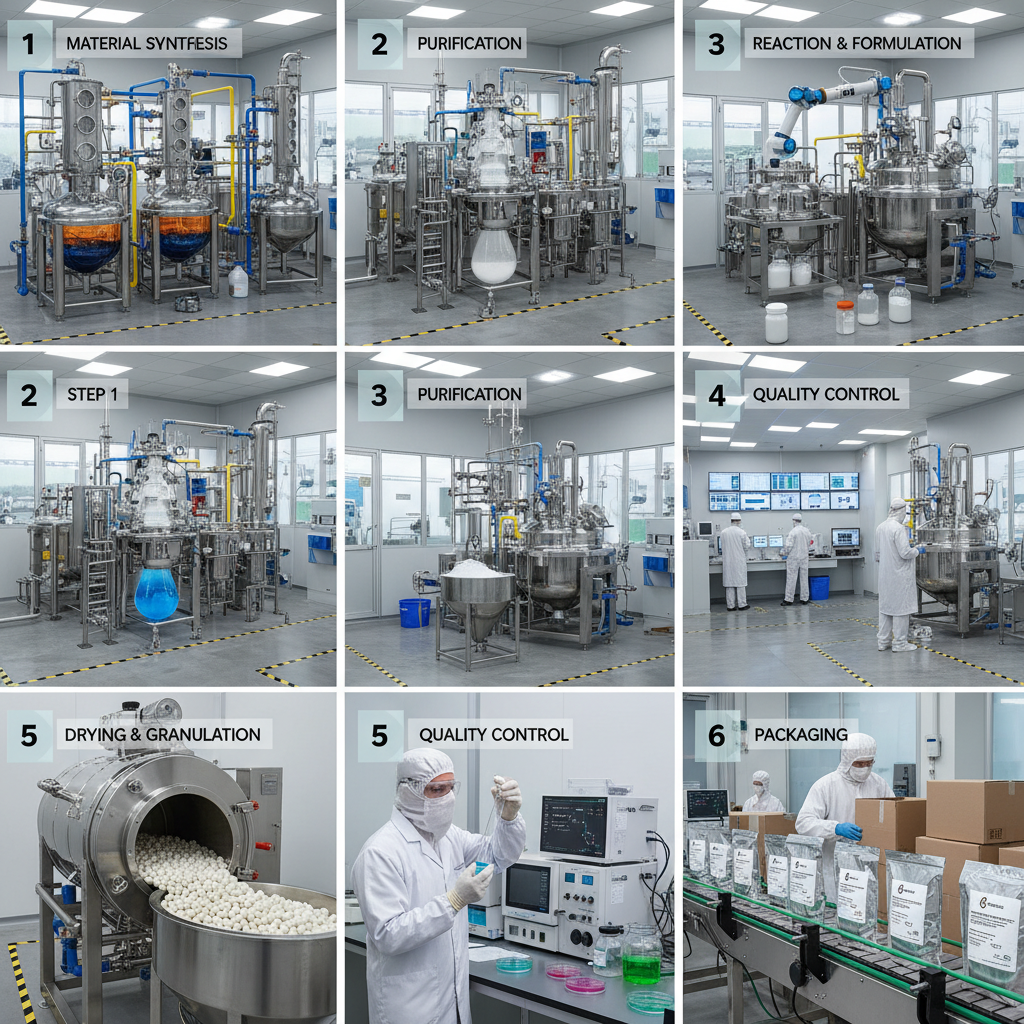
Understanding the diverse landscape of food additives is essential for modern culinary and industrial success, especially when evaluating the various msg food sources available to manufacturers. These sources provide the foundational chemical components that enhance flavor, texture, and structural integrity in a wide array of processed goods. By identifying high-purity ingredients, companies can ensure that their end products meet stringent global quality standards while maintaining consumer appeal.
From a global perspective, the demand for efficient leavening agents and flavor enhancers has led to a sophisticated supply chain for additives like ammonium bicarbonate. While often discussed alongside other msg food sources, ammonium bicarbonate serves a distinct role in the baking industry, providing the necessary carbon dioxide release for crisp textures. This intersection of chemistry and gastronomy is what allows for the scalability of industrial food production without compromising on quality.
In the following analysis, we explore the technical specifications and industrial applications of ammonium bicarbonate, a critical additive for those sourcing high-grade ingredients. By focusing on purity levels, chemical stability, and safety protocols, we provide a comprehensive guide for food technologists and procurement officers. Whether used in artisanal bakeries or large-scale confectionery plants, understanding these additive sources is key to optimizing product shelf life and consumer satisfaction.
Chemical Profile of Ammonium Bicarbonate
Ammonium bicarbonate, characterized by the chemical formula NH4HCO3, is a white compound that typically appears as granular, plate-shaped, or columnar crystals. It is distinguished by a noticeable ammonia odor, which is a result of its chemical structure as a carbonate. This specific composition makes it highly reactive when exposed to acids, leading to the production of carbon dioxide, a property that is exploited both in industrial food production and in specific agricultural applications.
Crucially, because it contains the ammonium ion, it is classified as an ammonium salt and must be stored away from alkaline substances such as sodium hydroxide or calcium hydroxide to prevent degradation. This chemical sensitivity requires precise warehouse management to ensure the stability of the product before it is integrated into food formulations, ensuring that the final product maintains its intended chemical behavior during the baking process.
Leavening Mechanisms in Industrial Baking
In the realm of professional baking, ammonium bicarbonate is prized for its unique ability to release carbon dioxide rapidly upon heating. This mechanism is essential for creating the light, airy, and crisp textures found in cookies, crackers, and biscuits. Unlike some other leavening agents, it decomposes completely into ammonia, water, and carbon dioxide, which allows the gases to evaporate entirely if the baking temperature and duration are correctly managed.
Food technologists prefer this additive because it leaves no residual taste or chemical aftertaste when properly baked, unlike some baking soda alternatives that can leave a soapy residue if not balanced with an acid. Its solubility and predictable molecular weight allow for precise calculations in recipe formulation, which is critical for maintaining consistency across thousands of batches in an industrial setting.
Beyond simple leavening, the additive contributes to the overall structural integrity of the dough. It acts as a stabilizer that improves the spread of the dough and enhances uniform browning, ensuring that the visual appeal of the final product matches the high textural standards required by commercial consumers.
Purity Standards for Food-Grade Additives
Maintaining high purity levels is the cornerstone of safety when selecting various msg food sources and other chemical additives. For ammonium bicarbonate, a minimum purity of 99.2% is often the benchmark for industrial-grade applications, ensuring that contaminants like sulphates, chlorides, and heavy metals (such as Lead and Arsenic) are kept at negligible levels.
When sourcing through reliable msg food sources providers, manufacturers prioritize consistent performance. For instance, keeping non-volatile substances below 0.007% and Iron below 0.002% prevents unwanted discoloration or off-flavors in delicate confectionery products, ensuring the purity of the additive does not interfere with the food's sensory profile.
The adherence to these strict specifications is not only a matter of quality but also of regulatory compliance. High-purity ammonium bicarbonate ensures that the additive remains safe for consumption and functionally reliable, providing a predictable pH buffering capacity that supports the long-term stability and shelf life of the baked goods.
Performance Comparison of Leavening Agents
Comparing the efficacy of different leavening agents is vital for optimizing product texture. Ammonium bicarbonate is often weighed against baking soda and baking powder based on its gas release rate and residue profile. In products where a "snap" or "crispness" is desired, the rapid decomposition of ammonium bicarbonate is superior, as it creates a finer pore structure in the dough compared to other additive options.
The following data illustrates the performance ratings of different additive sources used in high-temperature baking, focusing on crispness and residue levels.
Efficiency Ratings of Various msg food sources and Additives
Industrial Safety and Handling Protocols
Safety in the storage and transportation of ammonium bicarbonate is paramount due to its chemical reactivity. The product must be kept in sealed containers within cool, dry, and well-ventilated warehouses. It is strictly prohibited to store it alongside oxidants, acids, or strong alkalis like NaOH or Ca(OH)2, as these can trigger premature decomposition or dangerous chemical reactions.
During transit, protection from moisture, rain, and direct sunlight is essential to prevent the package from deteriorating. In the event of a fire, standard extinguishing agents such as water sprays, dry powder, carbon dioxide, or foam can be utilized, provided that the handling staff are trained in chemical safety protocols.
Strategic Sourcing and Supply Chain Reliability
For large-scale food manufacturers, sourcing from certified ammonium bicarbonate suppliers is a critical strategic decision. Reliability in the supply chain ensures that production lines do not stop due to ingredient shortages and that every batch of additive meets the same high purity standards. This consistency is what allows a brand to maintain its flavor and texture profile globally.
When evaluating msg food sources and other additive vendors, procurement officers must look for certifications that guarantee adherence to global food safety standards. This includes checking for COA (Certificate of Analysis) documents that verify the 99.2% purity level and the absence of heavy metals.
Furthermore, the ability of a supplier to provide technical support regarding pH buffering and leavening interactions adds significant value. A partnership with a manufacturer who understands the chemical nuances of ammonium hydrogen carbonate can lead to optimized recipes and reduced waste in the production process.
Future Trends in Food-Grade Chemicals
The future of food additive technology is moving toward "clean label" ingredients and environmentally friendly production methods. Ammonium bicarbonate is increasingly viewed as a sustainable alternative to some synthetic leaveners because it decomposes into naturally occurring substances that evaporate, leaving no residue in the final product.
Digital transformation in the supply chain is also playing a role, with real-time tracking and blockchain verification ensuring the provenance and purity of msg food sources. This transparency allows consumers to have more confidence in the safety of the additives used in their favorite snacks.
Moreover, the integration of automation in the blending process allows for more precise dosing of ammonium bicarbonate, reducing the risk of ammonia odors in under-baked products and maximizing the efficiency of the leavening process.
Comparative Analysis of Ammonium Bicarbonate Specifications
| Parameter |
Specification Limit |
Industrial Impact |
Quality Score (1-10) |
| Main Content |
99.2% Min |
Ensures consistent leavening |
10 |
| Non-volatile Substances |
0.007% Max |
Prevents residue buildup |
9 |
| Chloride |
0.003% Max |
Avoids off-taste profiles |
9 |
| Ash Content |
0.008% Max |
Maintains product clarity |
8 |
| Lead (Pb) |
0.0005% Max |
Regulatory safety compliance |
10 |
| Iron (Fe) |
0.002% Max |
Prevents discoloration |
9 |
FAQS
Ammonium bicarbonate is preferred for cookies and crackers because it decomposes completely into gases that evaporate, leaving no residual taste. Baking soda often requires an acid to neutralize, and if unbalanced, it can leave a soapy flavor. Additionally, ammonium bicarbonate creates a crisper, lighter texture that is ideal for thin, crunchy baked goods.
Yes, it is a widely recognized and safe food-grade additive when used according to recommended guidelines. Because it decomposes entirely during the baking process at high temperatures, the final consumer does not ingest the chemical compound itself, but rather benefits from the textural improvements it provided during processing.
It must be stored in a cool, dry, and ventilated warehouse in sealed containers. It is critical to keep it away from acids, which cause it to release carbon dioxide and deteriorate, and away from strong alkalis like sodium hydroxide (NaOH) or calcium hydroxide (Ca(OH)2) to maintain its chemical stability.
For industrial food applications, a minimum purity of 99.2% is generally required. This ensures that impurities such as heavy metals (Lead, Arsenic) and other salts (Sulphate, Chloride) are kept at extremely low levels to prevent any negative impact on the taste, color, or safety of the food product.
Yes, in agricultural settings, its reaction with dilute hydrochloric acid produces ammonium chloride and carbon dioxide. The carbon dioxide helps promote plant photosynthesis in greenhouses, while the resulting ammonium chloride serves as an effective nitrogen-based fertilizer for crops.
A reliable supplier should provide a detailed Certificate of Analysis (COA) for every batch, demonstrating adherence to purity specs (e.g., 99.2% min). They should also have a robust logistics system that ensures the product is protected from moisture and heat during transportation to prevent degradation.
Conclusion
In summary, ammonium bicarbonate stands as a pivotal additive in the food manufacturing industry, offering unparalleled leavening properties that are essential for high-quality baked goods. By maintaining a high purity standard of 99.2% and adhering to strict storage and handling protocols, manufacturers can leverage its chemical properties to achieve the perfect balance of crispness and stability. When integrated with other high-quality msg food sources, it enables the creation of products that meet both global regulatory standards and consumer expectations for taste and texture.
Looking ahead, the shift toward sustainable and clean-label ingredients will likely increase the reliance on additives that decompose completely without leaving synthetic residues. We recommend that food technologists and procurement officers continue to prioritize purity and supplier transparency to ensure long-term product consistency. For those seeking the highest grade of food additives to optimize their production, visiting a trusted industry leader is the first step toward excellence. Visit our website: www.standard-seasoning.com