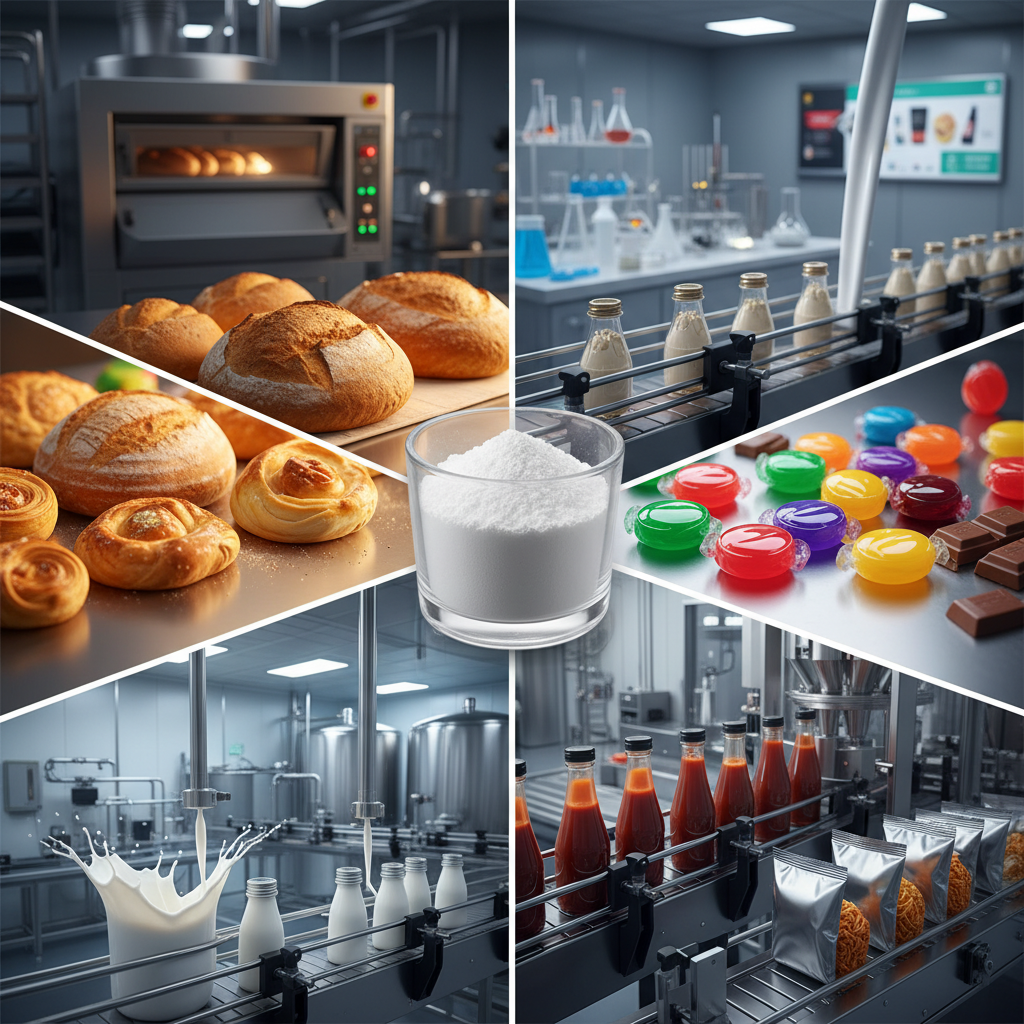
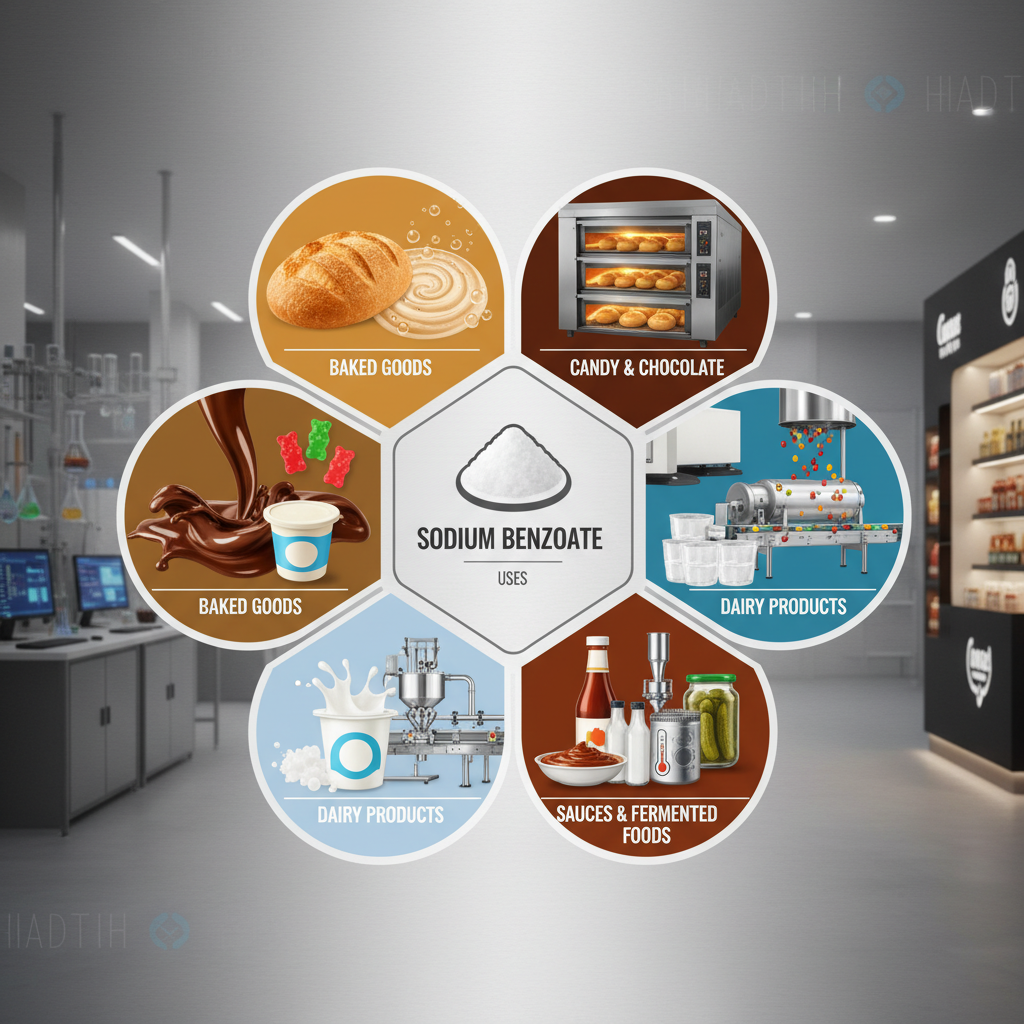
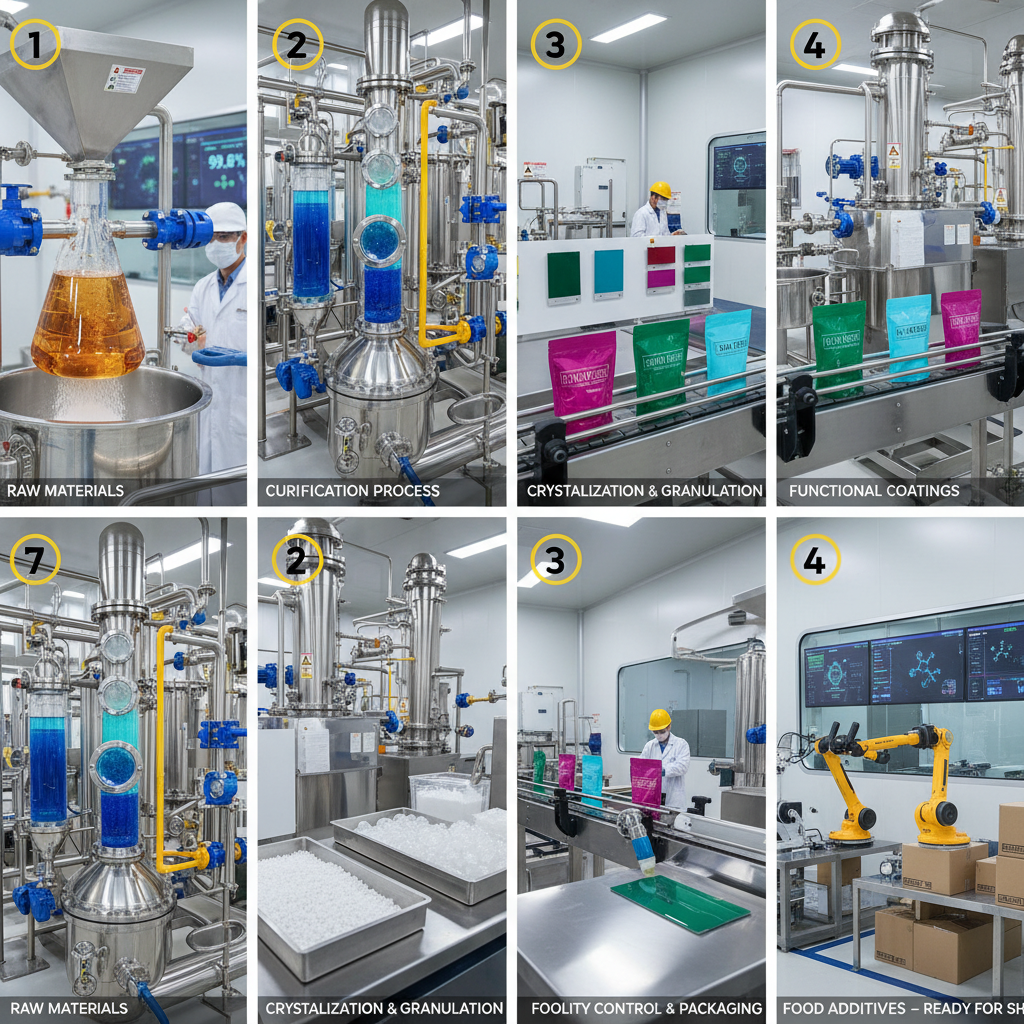
Sodium benzoate is a cornerstone of modern food preservation, serving as an indispensable tool for maintaining product stability and consumer safety. Understanding the diverse sodium benzoate powder uses allows manufacturers to effectively inhibit the growth of mold, yeast, and some bacteria, thereby extending the shelf life of countless perishable goods. In an era of globalized supply chains, the ability to keep food fresh during long-distance transport is not just a commercial advantage but a necessity for food security.
From a technical perspective, the efficacy of sodium benzoate powder lies in its ability to function optimally in acidic environments, making it the primary choice for beverages, condiments, and processed fruits. By lowering the pH and disrupting the metabolic processes of microorganisms, it ensures that products remain untainted from the factory to the dinner table. This stability is critical for reducing food waste, a global challenge that affects both economic profitability and environmental sustainability.
For professionals in the food additive, pharmaceutical, and feed industries, mastering the application of this versatile compound is essential. Whether it is used in the formulation of a high-acid soda or as a stabilizer in pharmaceutical syrups, the strategic implementation of sodium benzoate powder uses ensures a balance between safety, taste, and longevity, meeting the stringent quality standards demanded by international regulatory bodies.
Global Relevance of Sodium Benzoate Powder Uses
The global demand for food preservatives has surged as urban populations grow and the distance between food production and consumption increases. According to data aligned with ISO food safety standards, the prevention of microbial spoilage is a primary driver in the chemical additive market. The wide range of sodium benzoate powder uses addresses the critical challenge of maintaining nutrient integrity while preventing the proliferation of hazardous pathogens in acidic food matrices.
In many developing regions, the lack of cold-chain infrastructure makes chemical preservation a lifeline. By utilizing sodium benzoate, manufacturers can ensure that essential condiments and preserved foods remain safe for consumption without requiring constant refrigeration. This not only reduces the economic burden on small-scale producers but also significantly lowers the incidence of foodborne illnesses in remote industrial zones and rural communities.
Technical Definition and Industrial Meaning
In simple terms, sodium benzoate powder is the sodium salt of benzoic acid. Its primary industrial meaning revolves around its role as an antimicrobial agent. When dissolved in water or incorporated into food, it acts as a barrier against the growth of yeasts and molds, which are the primary culprits behind the fermentation and spoilage of acidic products.
The connection to modern industry is profound; without the standardized sodium benzoate powder uses, the commercial viability of the soft drink and jam industries would be severely compromised. It allows for a standardized shelf-life, enabling brands to scale their operations globally while maintaining a consistent quality profile across different climatic zones.
Beyond food, this compound serves humanitarian needs by extending the stability of liquid medications and pharmaceutical intermediates. Its ability to remain stable under various storage conditions ensures that critical healthcare products can be shipped to disaster-prone areas without the risk of rapid degradation, embodying a fusion of chemical engineering and public health.
Core Factors for Effective Application
One of the most critical factors in sodium benzoate powder uses is pH Sensitivity. The compound is most effective when the pH of the product is below 4.5. In this acidic range, the sodium benzoate converts back into benzoic acid, which can penetrate the cell membranes of microbes to inhibit their growth.
Concentration Precision is another pillar of success. Over-application can lead to an unpleasant, metallic aftertaste, while under-application fails to protect the product. Achieving the "Golden Ratio" ensures that the preservative function is maximized without altering the sensory characteristics of the food or pharmaceutical product.
Furthermore, Solubility and Dispersion play a huge role in industrial scalability. The powder form allows for easy weighing and blending in large-scale vats. When integrated correctly, it ensures a homogenous distribution throughout the batch, preventing "pockets" of vulnerability where spoilage could begin.
Global Applications Across Diverse Sectors
The practical implementation of sodium benzoate powder uses spans multiple continents and industries. In the beverage sector, it is the gold standard for carbonated drinks and fruit juices, particularly in North America and Europe. In Asia, it is extensively used in fermented sauces and pickled vegetables, where high acidity is naturally present.
Beyond the kitchen, the compound finds significant use in the pharmaceutical and personal care industries. From stabilizing the shelf life of cough syrups to preventing mold in skincare lotions and shampoos, its versatility makes it a staple in chemical warehouses worldwide. In some specialized feed additive contexts, it is used to prevent mold in stored grains, ensuring livestock health in humid tropical regions.
Efficiency Ratings of Sodium Benzoate Powder Uses
Tangible Advantages and Long-Term Value
The primary advantage of utilizing sodium benzoate powder uses is the immense cost-efficiency it brings to the production cycle. By drastically reducing the rate of product spoilage, companies can minimize waste and optimize their inventory turnover. This economic reliability allows for lower consumer prices and more stable market availability of essential food products.
Beyond the balance sheet, there is a significant social impact. The safety and dignity of consumers are protected when they can trust that their food is free from harmful fungi and bacteria. Furthermore, the innovation in purity levels—transitioning to food-grade, high-purity powders—has reinforced the trust between manufacturers and health regulatory agencies, ensuring a sustainable loop of production and consumption.
Future Trends in Preservation Technology
As the industry moves toward "clean label" trends, the future of sodium benzoate powder uses is evolving. We are seeing a shift toward synergistic preservation, where sodium benzoate is used in combination with natural organic acids or biological preservatives. This approach reduces the total amount of synthetic additives required while maintaining the same level of antimicrobial protection.
Digital transformation is also playing a role. Smart manufacturing and AI-driven dosing systems are now being used to calculate the exact amount of sodium benzoate needed based on the real-time pH and moisture levels of the raw materials. This precision eliminates waste and ensures that every batch meets the exact safety specifications without compromising taste.
Sustainability is the final frontier. There is an increasing focus on the "green" synthesis of benzoic acid, utilizing bio-based feedstocks rather than petrochemicals. This transition ensures that the long-term value of this preservative is aligned with global carbon-neutral goals, making the additive industry more eco-friendly for future generations.
Overcoming Challenges in Industrial Usage
Despite its benefits, one of the main challenges in sodium benzoate powder uses is the potential reaction with Vitamin C (ascorbic acid) in certain beverages, which can lead to the formation of benzene, a known carcinogen. However, industry experts have solved this through strict temperature control and by adjusting the sequence of ingredient addition to prevent this chemical interaction.
Another limitation is the perception of "chemical additives" among health-conscious consumers. The solution lies in transparency and education. By clearly communicating the safety profiles approved by the FDA and EFSA, and by optimizing dosages to the absolute minimum effective level, manufacturers can maintain consumer trust while ensuring product safety.
Finally, the challenge of solubility in cold-process manufacturing is often addressed through the use of pre-dissolved concentrated solutions or advanced high-shear mixing equipment. These technical innovations ensure that the powder is fully integrated, eliminating any risk of uneven preservation across the product line.
Comparison Analysis of Sodium Benzoate Application Scenarios
| Application Sector |
Optimal pH Range |
Primary Target Microbe |
Stability Score (1-10) |
| Carbonated Soft Drinks |
2.5 - 3.5 |
Yeast & Mold |
10 |
| Fruit Jams/Preserves |
3.0 - 4.0 |
Filamentous Fungi |
9 |
| Pharmaceutical Syrups |
4.0 - 5.0 |
Bacteria/Yeast |
8 |
| Cosmetic Lotions |
4.5 - 5.5 |
Skin-surface Mold |
7 |
| Acidic Condiments |
3.5 - 4.5 |
Lactic Acid Bacteria |
9 |
| Animal Feed Supplements |
5.0 - 6.0 |
Storage Mold |
6 |
FAQS
In the beverage industry, sodium benzoate is primarily used to prevent the growth of yeast and mold in acidic drinks such as sodas, fruit juices, and energy drinks. It is highly effective because these drinks typically have a low pH, which activates the preservative properties of the compound, ensuring the product remains shelf-stable for months without refrigeration.
Yes, sodium benzoate is recognized as safe (GRAS) by the FDA and EFSA, provided it is used within the recommended regulatory limits. When applied correctly in acidic foods, it is metabolized by the body and excreted without accumulating. However, manufacturers must ensure it is not used in combination with high levels of ascorbic acid to avoid potential chemical reactions.
While it can be added, its effectiveness drops significantly in neutral or alkaline environments (pH above 4.5). In such cases, it does not convert to benzoic acid effectively, meaning it cannot penetrate microbial cell walls. For non-acidic products, other preservatives or a combination of acids are typically required to lower the pH first.
Sodium benzoate is the salt form of benzoic acid. The primary difference is solubility; sodium benzoate is highly soluble in water, making it much easier for manufacturers to mix into liquid products. Once it enters an acidic environment, it dissociates and acts as benzoic acid to provide the actual preservative effect.
At the recommended concentrations, sodium benzoate is virtually tasteless. However, if used in excessive amounts, it can impart a slight salty or metallic tang to the product. This is why precise dosing and quality control are essential for maintaining the original flavor profile of the food or beverage.
It should be stored in a cool, dry, and well-ventilated area, away from strong oxidizing agents. Because it is a powder, keeping it in airtight containers is crucial to prevent moisture absorption (clumping), which can interfere with accurate weighing and dispersion during the manufacturing process.
Conclusion
In summary, the diverse sodium benzoate powder uses provide a critical foundation for the global food and pharmaceutical industries. By leveraging its antimicrobial properties in acidic environments, manufacturers can significantly extend shelf life, reduce waste, and ensure consumer safety across a wide array of products. The synergy of pH control, precise dosing, and high-purity materials allows this compound to remain a cost-effective and reliable solution for spoilage prevention.
Looking forward, the integration of bio-based synthesis and AI-driven application will likely refine the use of sodium benzoate, making it even more sustainable and precise. For businesses aiming to optimize their preservation strategies, focusing on purity and regulatory compliance is key to long-term success. To explore high-quality food additives and pharmaceutical intermediates, visit our website: www.chinaseasoning.com