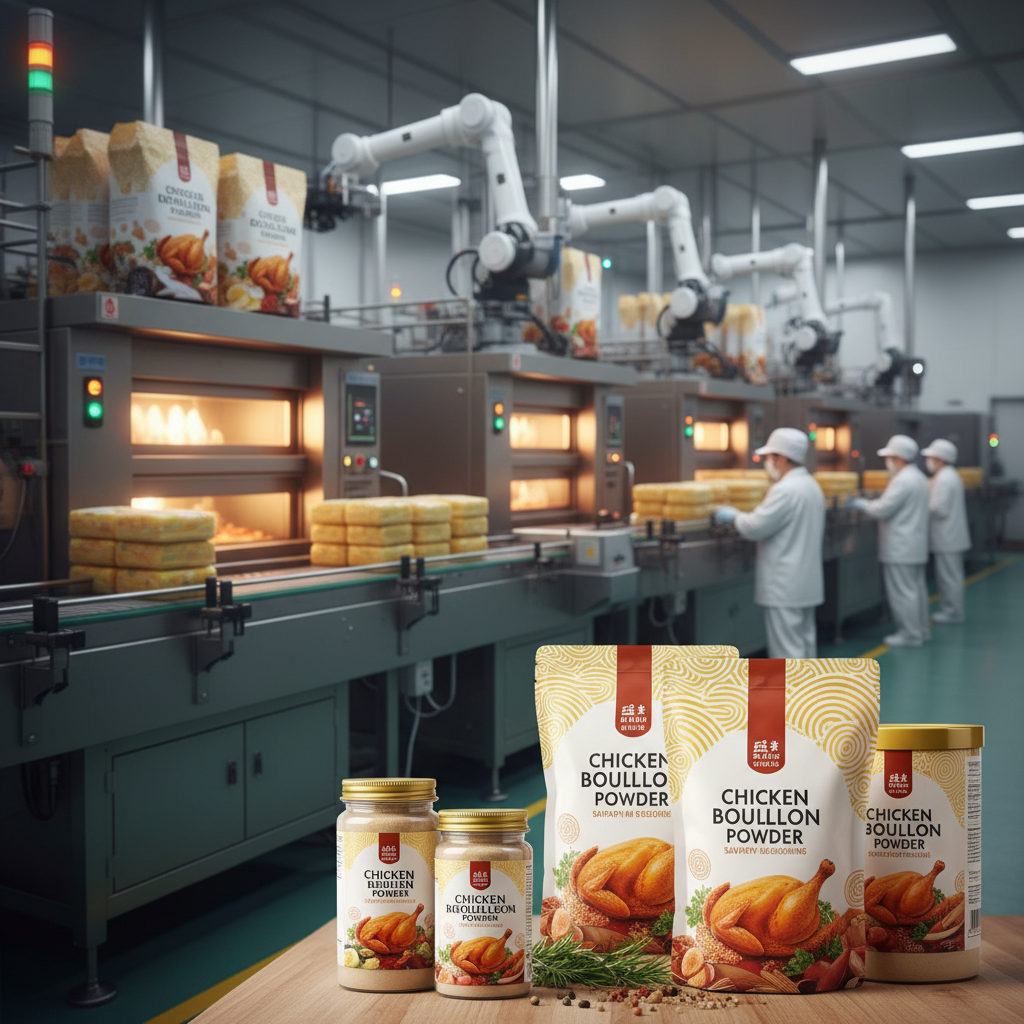
The modern food industry relies heavily on precise standardization to ensure safety and consistency across global supply chains. Understanding the food additives numerical list is essential for manufacturers and regulators alike, as these identifiers allow for the universal classification of ingredients that enhance flavor, texture, and shelf life.
From the perspective of large-scale production, the ability to track additives through a standardized numerical system reduces the risk of cross-contamination and ensures compliance with international health standards. By utilizing these lists, companies can streamline their procurement and quality control processes, ensuring that every batch of product meets the rigorous demands of the global market.
Whether dealing with essential flavor enhancers like Monosodium Glutamate in chicken essence or specialized preservatives, the food additives numerical list provides the transparency needed for consumer trust and regulatory approval.
Global Relevance of Food Additives Numerical List
In the current landscape of international trade, the harmonization of food safety standards is a priority for organizations like the FAO and WHO. The use of a food additives numerical list ensures that a product manufactured in China, such as high-quality chicken essence, can be seamlessly integrated into markets across Europe, Asia, and the Americas without linguistic ambiguity.
This global relevance is underscored by the need for strict adherence to purity levels and dosage limits. By referencing a numerical system, manufacturers can guarantee that the sodium glutamate and other essential components in their flavor enhancers meet the 5% minimum quality standards required for qualified products.
Defining the Food Additives Numerical List
A food additives numerical list is a systematic indexing system used to identify specific substances added to food to maintain or improve its safety, freshness, taste, texture, or appearance. Instead of relying on complex chemical names that vary by language, these codes provide a universal shorthand that is recognized by customs agents, food scientists, and regulatory bodies worldwide.
In the context of modern industry, this system is vital for humanitarian needs and food security. It allows for the rapid identification of nutrient-dense additives in fortified foods, ensuring that essential amino acids and proteins—like those found in double-boiled chicken essence—are correctly labeled and safely distributed to populations requiring recovery and nourishment.
Ultimately, these numerical lists bridge the gap between laboratory chemistry and commercial application. They transform a dry list of chemicals into a functional tool for quality assurance, ensuring that the final consumer receives a product that is both effective and safe.
Core Components of Ingredient Standardization
One of the primary aspects of the food additives numerical list is the focus on purity and concentration. For a product like chicken essence, maintaining a protein content of no less than 10.7 grams per 100 grams is a key metric that must be consistently tracked through standardized batch numbering and additive codes.
Scalability is another core component. When a factory increases productivity to 500MT per month, the use of a food additives numerical list allows for the automation of ingredient dispensing. This ensures that nucleotides, salt, and dextrin are added in precise ratios, regardless of the volume of the batch.
Finally, traceability is the bedrock of food safety. By linking specific additives to a numerical code, manufacturers can quickly identify the source of any raw material in the event of a quality dispute. This transparency is essential for obtaining certifications like SGS and ensuring Halal compliance for international distribution.
Practical Applications in Food Manufacturing
In real-world manufacturing, the application of the food additives numerical list is most evident in the creation of complex flavor profiles. For example, in the production of chicken essence, the synergy between sodium glutamate and other nucleotides must be precise to achieve the desired umami taste and promote appetite.
Industries ranging from pharmaceutical intermediates to food processing use these lists to ensure that bioavailable nutrients, such as peptides and amino acids, are preserved during the double-boiling process. This allows for the creation of high-protein supplements that support recovery after surgery or during pregnancy.
Additive Efficiency and Compliance Ratings
Advantages of Numerical Classification
The most immediate advantage of utilizing a food additives numerical list is the significant reduction in operational errors. By replacing long chemical names with unique codes, the likelihood of mislabeling or incorrect dosing is minimized, which is critical when producing high-protein supplements for vulnerable populations, such as those in postpartum recovery.
Beyond efficiency, there is a profound emotional and logical value in this system: trust. When a consumer sees a certified label that corresponds to a globally recognized numerical list, they feel secure knowing the product is free from banned preservatives and meets strict safety guidelines. This reliability fosters long-term brand loyalty and opens doors to high-end international markets.
Future Trends in Additive Regulation
As we move toward a more sustainable future, the food additives numerical list is evolving to include "green" and organic alternatives. The industry is shifting toward clean-label options, where traditional synthetic additives are replaced by natural extracts, requiring the development of new numerical categories for organic-certified ingredients.
Digital transformation is also playing a huge role. Blockchain technology is being integrated with additive lists to provide real-time traceability. This means a buyer can scan a QR code on a bottle of chicken essence and immediately see the numerical codes of every additive used, linked directly to the supplier's quality certificate.
Furthermore, the rise of personalized nutrition will likely lead to more dynamic additive lists. As we understand more about how specific peptides and amino acids affect brain function and emotional stability, the numerical classification system will expand to categorize additives based on their specific health benefits, such as cognitive support or metabolic enhancement.
Challenges and Solutions in Implementation
Despite the benefits, implementing a strict food additives numerical list across different regions can be challenging due to varying local regulations. Some countries may have different codes for the same substance, leading to confusion during the import/export process at ports like Qingdao.
To overcome this, manufacturers are adopting "cross-referencing" software that automatically maps local additive codes to international standards. This ensures that the HS Code 21039090 and the associated ingredient lists remain compliant regardless of the destination country's specific nomenclature.
Another challenge is the education of the workforce. Ensuring that factory staff understand the critical nature of numerical accuracy is essential. The solution lies in continuous training and the implementation of automated scanning systems that prevent the use of an ingredient if its numerical code does not match the production formula.
Core Analysis of Additive Implementation Challenges and Solutions
| Challenge Category |
Specific Issue |
Impact Level (1-10) |
Recommended Solution |
| Regulatory |
Regional Code Mismatch |
8 |
Universal Mapping Software |
| Operational |
Manual Entry Errors |
7 |
Barcode/RFID Integration |
| Quality Control |
Purity Variance |
9 |
SGS Third-Party Testing |
| Logistics |
Customs Documentation |
6 |
Standardized HS Code Filing |
| Personnel |
Lack of Specialized Training |
5 |
Certified Training Modules |
| Sustainability |
Natural Replacement Mapping |
7 |
Clean-Label R&D Integration |
FAQS
The primary purpose is to provide a universal, language-independent method of identifying ingredients. This ensures that manufacturers, regulators, and customs agents can accurately identify substances, such as flavor enhancers in chicken essence, ensuring safety and legal compliance across different global markets.
It minimizes human error during the production phase. By using precise codes, factories can ensure that the exact ratio of ingredients—like the 10.7g protein requirement in chicken essence—is maintained, leading to a consistent final product and higher consumer satisfaction.
Yes, they are critical. Certification bodies use these lists to verify that no forbidden substances are included in the formula. A standardized list allows for rapid auditing and verification, making it easier for manufacturers to obtain and maintain Halal or organic labels.
While there are international standards (like those from Codex Alimentarius), some countries maintain their own local variations. However, most global manufacturers use cross-referencing tools to align their products with both local and international numerical lists to facilitate export.
Manufacturers typically refer to the official databases of food safety authorities or use professional grade chemical databases. For those importing from China, consulting with a certified supplier who provides SGS certificates is the most reliable way to ensure correct coding.
Because these products are often used by people in delicate health states (e.g., postpartum or post-surgery), the precision of additives is paramount. Numerical lists ensure that no harmful synthetic stimulants are added and that the concentration of beneficial amino acids is accurate.
Conclusion
The implementation of a food additives numerical list is far more than a mere administrative requirement; it is a cornerstone of modern food science and global commerce. By standardizing how ingredients are identified and tracked, the industry can ensure that high-quality products, such as nutrient-rich chicken essence, are delivered safely and consistently to consumers worldwide, regardless of the complexity of the supply chain.
Looking forward, the integration of digital traceability and a shift toward natural, clean-label additives will further refine these systems. For manufacturers, the key to success lies in embracing this transparency and utilizing standardized lists to build trust with the global consumer. We invite you to learn more about our commitment to quality and standardization by visiting our website: www.standard-seasoning.com.