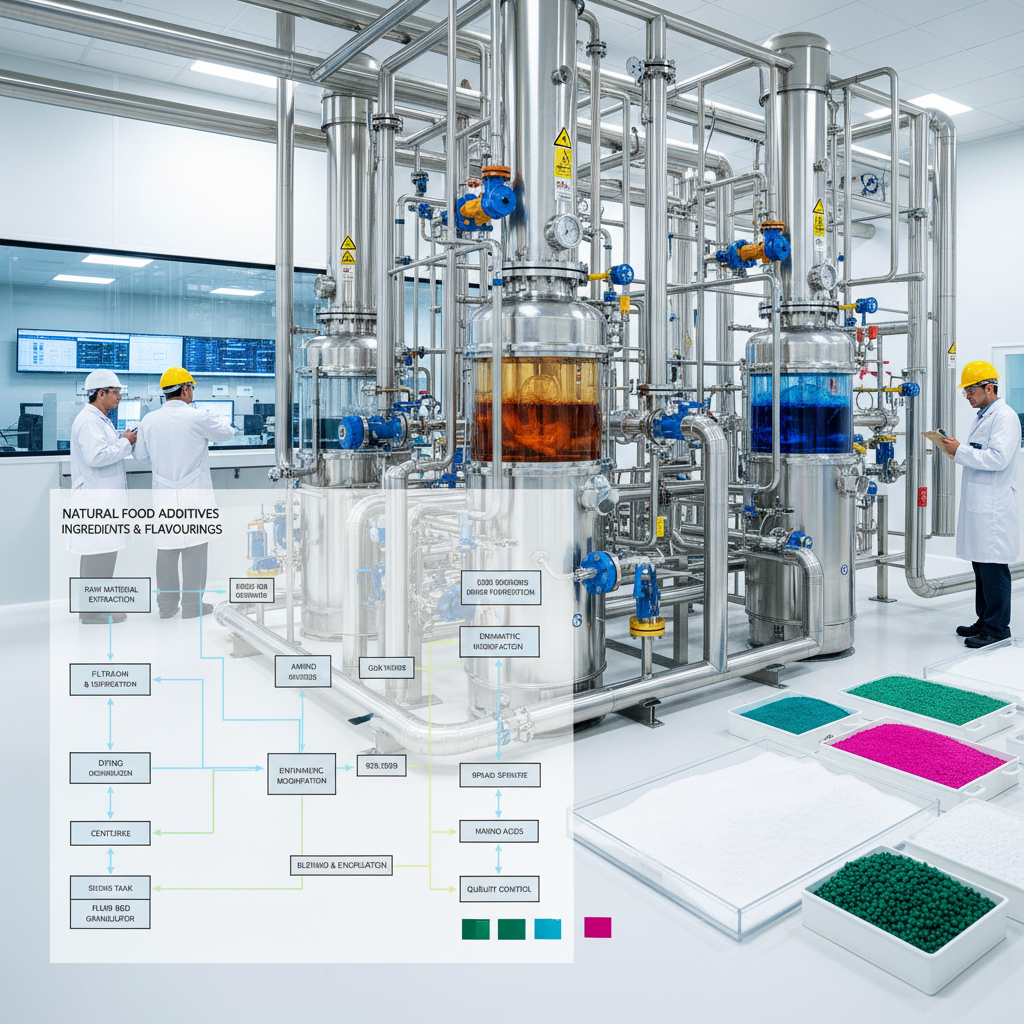
The global demand for high-quality nutritional additives has seen a significant surge as the livestock and food industries seek more efficient ways to enhance animal health and product quality. Among these, the role of specialized powders used in feed formulation is critical for maintaining the biological balance of livestock, ensuring that growth is supported by essential antioxidants and vitamins.
In the modern agricultural landscape, the integration of fat-soluble vitamins into feed additives is no longer optional but a necessity for commercial scalability. By addressing oxidative stress and supporting immune functions, these additives ensure that the final protein products meet the stringent safety and nutritional standards required by international markets.
Understanding the technical specifications of these additives, such as those found in high-grade chicken powder applications, allows manufacturers to optimize the bioavailability of nutrients. This ensures that the transition from raw material to finished feed is both cost-effective and nutritionally dense.
The Fundamental Role of Vitamin E in Feed Additives
Vitamin E, specifically as a hydrolyzate of tocopherol, serves as one of the most indispensable antioxidants in the production of feed-grade additives. Its primary function is to protect cell membranes from lipid peroxidation, which is essential for the overall vitality of livestock. In the context of feed additives often associated with chicken powder mixtures, Vitamin E ensures that the nutritional integrity of the fats remains intact during storage and consumption.
Beyond simple preservation, this fat-soluble vitamin plays a pivotal role in preventing various physiological disorders. From combating male infertility in breeding stocks to protecting capillaries and improving general circulation, the inclusion of a stable Vitamin E powder (50% min content) provides a safety net for livestock health, reducing the reliance on therapeutic interventions.
Technical Specifications and Quality Standards
The efficacy of any feed additive is strictly governed by its chemical purity and stability. For Vitamin E Powder 50%, the specification requires a minimum content of 50% to ensure dosage accuracy across large-scale production batches. Moisture levels are strictly capped at 5.0% maximum to prevent clumping and microbial growth, which is vital for maintaining a consistent flow in automated feeding systems.
Contamination control is another critical pillar of quality assurance. Heavy metal limits are strictly enforced, with Arsenic (As) capped at 2.0mg/kg and Lead (Pb) at 10.0mg/kg. These thresholds are not arbitrary but are designed to prevent bioaccumulation in the food chain, ensuring that the final meat products are safe for human consumption and compliant with global health regulations.
Microbiological safety is verified through rigorous testing for total bacterial counts (max 1000cfu/g) and the complete absence of Salmonella and Shigella. Certifications such as SGS, USP30, and BP2005 provide the necessary transparency and trust for international buyers, confirming that the product originates from a controlled factory environment in China.
Chemical Properties and Bioavailability
From a chemical perspective, Vitamin E is characterized by its solubility in fats, ethanol, and other organic solvents, while remaining entirely insoluble in water. This property makes it an ideal additive for lipid-rich feed formulations, often blended with chicken powder to ensure uniform distribution of the antioxidant throughout the feed matrix.
Stability is a key concern for manufacturers; while Vitamin E is stable under heat and acid conditions, it exhibits instability in alkaline environments and is highly sensitive to oxygen. It is particularly important to note that frying or extreme heat treatment significantly reduces the activity of Vitamin E, which is why precision in the mixing process is required to preserve its potency.
The molecular formula C29H50O2 defines its structure, where the phenolic hydroxyl groups on the benzene ring are often acetylated. This chemical nuance is where many industry professionals get confused, as they mistakenly equate Vitamin E solely with tocopherol, whereas the commercial feed-grade powder is a refined form optimized for stability and absorption in animals.
Industrial Application and Performance Metrics
In industrial settings, Vitamin E is deployed across various livestock sectors to improve growth rates and reproductive success. When incorporated into high-protein additives like chicken powder, it helps in reducing the rate of lipid oxidation, thereby extending the shelf life of the feed and ensuring that the animals receive the full nutritional value of the fats.
The application extends beyond basic nutrition to specialized health management, including the prevention of frostbite and the management of menopausal syndromes in breeding animals. By improving blood circulation and preventing lipid peroxidation in sensitive tissues, this additive supports a higher standard of animal welfare and productivity.
Comparative Performance of Feed Additive Methods
Global Supply Chain and Logistics
The supply of Vitamin E Feed Grade is a global operation, with China serving as a primary origin factory. With a productivity capacity of 50mt per month, the supply chain is designed to handle large-scale international orders. Logistics are streamlined through major ports such as Qingdao and Tianjin, ensuring that the product reaches its destination via ocean or land transportation without compromising stability.
Packaging is tailored to meet various industrial needs, offering flexible options of 5kg, 10kg, and 25kg drums. These airtight containers are essential to protect the oxygen-sensitive nature of the powder, preventing degradation during transit and ensuring that the 50% minimum content is maintained until the product is opened at the feed mill.
Health Implications and Antioxidant Benefits
The primary biological value of Vitamin E lies in its role as a potent antioxidant. By neutralizing free radicals, it protects the cellular integrity of livestock, which is particularly important during periods of high stress, such as weaning or rapid growth. In the context of poultry feed, blending this with chicken powder creates a synergistic effect that supports cardiovascular health and immune response.
Interestingly, recent research indicates that Vitamin E also plays a role in protecting the lens of the eye by preventing lipid peroxidation. This suggests that the benefits of comprehensive antioxidant supplementation extend to the most sensitive tissues of the animal, preventing myopia-like developments and improving the overall quality of life for the livestock.
Furthermore, the ability of Vitamin E to prevent male infertility and treat conditions like burns or frostbite makes it a versatile tool for farmers. It ensures that breeding stocks remain productive and that the livestock can withstand harsh environmental conditions, directly impacting the economic viability of the farm.
Future Trends in Nutritional Supplementation
The future of feed additives is moving toward precision nutrition, where supplements are tailored to the specific life stage of the animal. We are seeing a shift toward "smart blends" where Vitamin E is combined with other fat-soluble vitamins to create a comprehensive health shield. This evolution will likely involve more advanced encapsulation techniques to further protect the powder from oxygen exposure.
Sustainability is also becoming a driving force. There is an increasing demand for additives that can reduce the need for antibiotics by strengthening the animal's natural immune system. High-purity Vitamin E powders are at the forefront of this transition, offering a natural way to improve health outcomes without chemical residues.
Digital transformation in the supply chain, including blockchain for certificate verification (SGS, USP), will allow buyers to trace the origin of their chicken powder and vitamin supplements back to the factory. This transparency will be critical as global food safety regulations become increasingly stringent.
Comparison of Vitamin E Specifications and Application Standards
| Parameter |
Standard Requirement |
Impact on Feed |
Quality Rating |
| Active Content |
50% Min |
Dosage Accuracy |
10/10 |
| Moisture Level |
5.0% Max |
Shelf Life Stability |
9/10 |
| Arsenic (As) |
2.0mg/kg Max |
Toxicity Control |
10/10 |
| Lead (Pb) |
10.0mg/kg Max |
Food Safety |
9/10 |
| Total Bacteria |
1000cfu/g Max |
Microbial Hygiene |
8/10 |
| Salmonella |
Negative |
Disease Prevention |
10/10 |
FAQS
While often used interchangeably, tocopherol is the specific chemical form of the vitamin. Commercial Vitamin E powder, like the 50% feed grade, is a formulated product designed for stability and bioavailability in livestock, often involving the acetylation of phenolic hydroxyl groups to ensure the product remains effective throughout the feed manufacturing process.
Vitamin E is oxygen-sensitive and alkali-unstable. It should be stored in tightly sealed drums (such as the 5kg, 10kg, or 25kg options) in a cool, dry place away from direct sunlight and alkaline substances. Avoiding extreme heat is crucial, as frying or high-temperature processing can significantly reduce its antioxidant activity.
Yes, Vitamin E is highly compatible with other fat-soluble additives and protein-rich powders. When mixed with products like chicken powder, it serves to protect the lipids from oxidation, which not only preserves the nutritional quality of the feed but also enhances the overall health of the animal by providing a stable source of antioxidants.
For high-quality feed additives, look for SGS certification, which verifies quality and quantity. Additionally, adherence to USP30 and BP2005 standards ensures that the product meets international pharmaceutical and chemical purity benchmarks, guaranteeing that heavy metals and microbial counts are within safe limits.
Vitamin E protects the cellular membranes of sperm from lipid peroxidation caused by free radicals. By maintaining the integrity of these membranes, it improves sperm motility and viability, thereby increasing the conception rates in breeding livestock and ensuring the long-term productivity of the herd.
Yes, a 50% minimum content is a standard industry specification for feed-grade Vitamin E. This concentration allows for precise dosing in large-scale premixes, ensuring that animals receive the necessary antioxidant support without overloading the feed with inactive carriers, thus optimizing the cost-to-benefit ratio for the producer.
Conclusion
In summary, the strategic use of high-grade Vitamin E powder—characterized by its 50% minimum content and strict adherence to SGS and USP30 standards—is essential for the modern livestock industry. By providing critical antioxidant protection, improving reproductive health, and ensuring the stability of fat-soluble nutrients in blends like chicken powder, this additive directly contributes to higher animal welfare and safer food production.
Looking forward, the industry must continue to embrace precision nutrition and transparent supply chains to meet global safety demands. Investing in high-purity additives from certified factories not only ensures regulatory compliance but also drives the sustainability and profitability of the agricultural sector. For more information on quality feed additives, visit our website: www.standard-seasoning.com