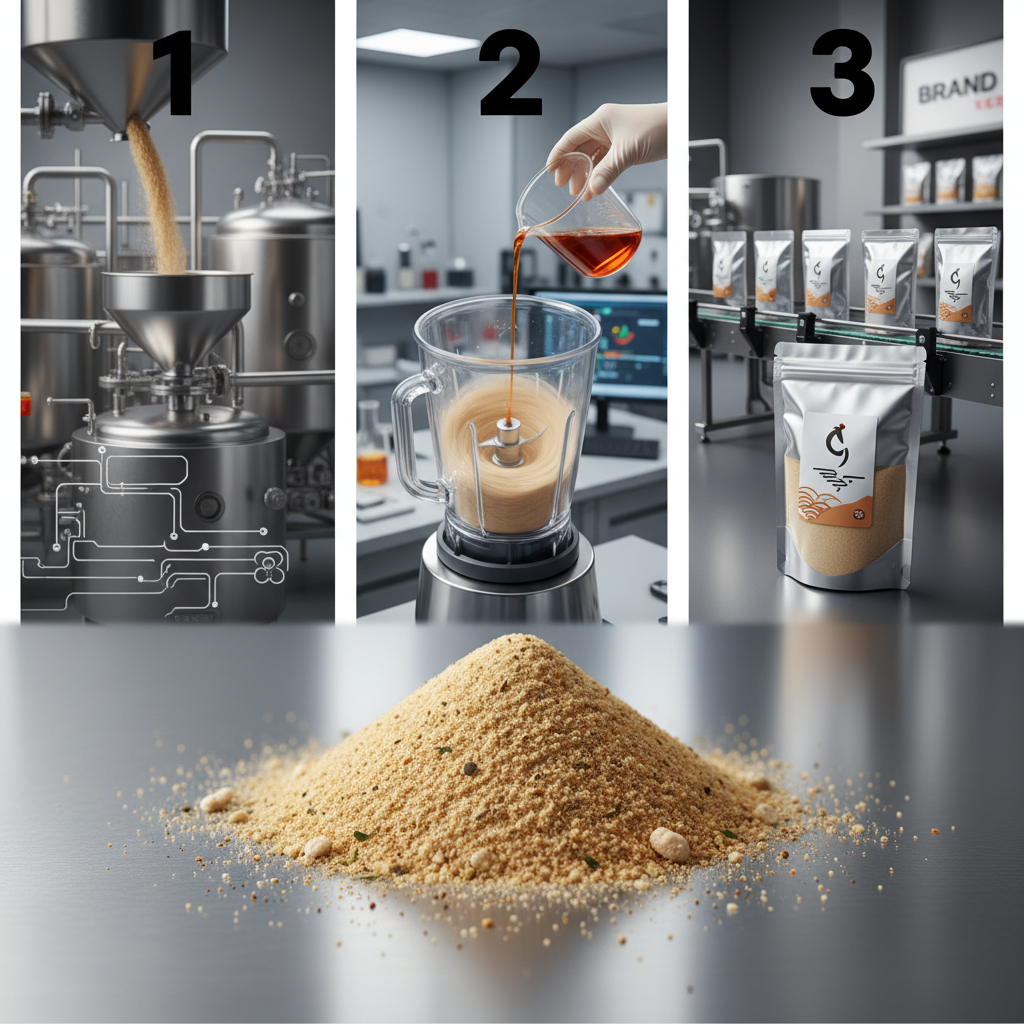
Understanding the nuances of monopotassium glutamate taste is essential for food chemists and manufacturers seeking to optimize the savory profile of their products while adhering to sodium-reduction trends. As the global demand for healthier alternatives to traditional MSG grows, potassium-based glutamate salts offer a strategic pathway to maintain the desired "umami" experience without the high sodium load associated with sodium salts.
From a commercial perspective, the sensory impact of monopotassium glutamate taste allows for a sophisticated balance in taste engineering, particularly in the development of low-sodium processed foods and specialized pharmaceutical-grade nutritional supplements. By shifting the cation from sodium to potassium, manufacturers can cater to health-conscious demographics without sacrificing the deep, savory richness that consumers expect from high-quality savory foods.
Globally, the shift toward potassium-based enhancers is not merely a trend but a response to international health guidelines from organizations like the WHO, which advocate for increased potassium intake and decreased sodium. Mastering the application of monopotassium glutamate taste enables brands to innovate in the Feed Additive, Food Additive, and Pharmaceutical Intermediates sectors, ensuring a competitive edge in a market that prizes both flavor and functional wellness.
The Sensory Profile of Monopotassium Glutamate Taste
The monopotassium glutamate taste is characterized by a profound umami quality—the fifth basic taste—which provides a sense of "fullness" or "meatiness" to a dish. Unlike its sodium counterpart, the potassium version delivers a clean savory note but can carry a slight metallic or bitter undertone if used in excessive concentrations, making precise dosage critical for flavor harmony.
When integrated into food matrices, this specific taste profile works synergistically with nucleotides to amplify the perception of saltiness and richness. This allows formulators to reduce the actual salt content in recipes while maintaining a perceived taste intensity that satisfies the consumer's palate, effectively bridging the gap between nutrition and indulgence.
Global Industry Relevance of Umami Modification
In the current global food landscape, the demand for sodium reduction is driven by rising rates of hypertension and cardiovascular diseases. According to WHO guidelines, reducing sodium intake is a primary goal for public health, which has pushed the food additive industry to seek alternatives that don't compromise the sensory experience. This is where the monopotassium glutamate taste becomes a pivotal tool for R&D teams worldwide.
The industrial challenge lies in replacing sodium without introducing the "off-flavors" often associated with potassium salts. In markets like North America and Europe, there is a strong push for "clean label" ingredients that provide functional benefits. By leveraging the umami properties of potassium glutamate, companies can create products that are heart-healthy yet taste identical to traditional high-sodium versions.
Furthermore, the application of this taste profile extends beyond human food into the animal feed sector. In the Feed Additive industry, enhancing the palatability of feed through savory modifiers can improve livestock growth rates and overall animal health by encouraging consistent nutrient intake, demonstrating the versatility of the monopotassium glutamate taste across different biological needs.
Defining Monopotassium Glutamate Taste in Food Science
From a technical standpoint, monopotassium glutamate taste is the result of the glutamate ion interacting with T1R1 and T1R3 taste receptors on the human tongue. While the glutamate provides the savory core, the potassium ion influences the solubility and the speed at which the flavor is released in the oral cavity, creating a distinct temporal profile compared to other salts.
In modern industry, this taste is defined not just as a flavor, but as a functional tool for "sodium masking." By utilizing the monopotassium glutamate taste, scientists can trick the brain into perceiving a richer, saltier environment even when the sodium levels are significantly lowered, which is a crucial requirement for pharmaceutical-grade nutritional drinks and medical foods.
Ultimately, the meaning of this taste profile centers on the balance between chemistry and perception. It represents a shift toward precision seasoning, where the goal is to maximize the umami response while minimizing the negative sensory attributes of potassium, ensuring that the final product remains appetizing and commercially viable.
Key Factors Affecting Flavor Perception
The effectiveness of the monopotassium glutamate taste is heavily influenced by the food matrix. Factors such as pH levels, the presence of fats, and the concentration of other minerals can either enhance or mute the savory experience. For instance, in acidic environments, the umami perception may be slightly suppressed, requiring a higher concentration of the additive to achieve the same sensory impact.
Another critical factor is the synergistic effect with 5'-ribonucleotides (such as IMP and GMP). When combined, these compounds create a potent flavor explosion that is far greater than the sum of its parts. This interaction is a cornerstone of modern taste engineering, allowing for the use of smaller quantities of monopotassium glutamate taste to achieve a deep, lingering savory finish.
Impact of Various Factors on Monopotassium Glutamate Taste Perception
Practical Applications Across Global Markets
In the industrial sector, the monopotassium glutamate taste is widely applied in the production of low-sodium soups, sauces, and snacks. In regions like East Asia, where savory profiles are central to the cuisine, the transition to potassium-based enhancers allows traditional flavors to be preserved while meeting modern dietary regulations.
Beyond consumer foods, this additive is used in the Pharmaceutical Intermediates sector to improve the taste of enteral nutrition products. For patients who suffer from chronic kidney disease or hypertension, managing potassium and sodium is a delicate balance; however, providing a palatable diet is essential for patient compliance and recovery, making the controlled use of monopotassium glutamate taste a vital innovation in clinical nutrition.
Long-Term Value of Potassium-Based Flavoring
The long-term value of adopting the monopotassium glutamate taste lies in its ability to drive sustainable brand loyalty. As consumers become more educated about the dangers of excessive salt, brands that proactively offer high-flavor, low-sodium options are perceived as innovative and health-conscious, fostering deeper trust with their customer base.
From a cost-efficiency perspective, while potassium salts may have a different price point than sodium salts, the ability to reduce overall salt volume while maintaining a premium taste profile can optimize ingredient costs in the long run. This reliability in flavor consistency ensures that large-scale production runs remain uniform across different geographic regions.
Moreover, the social impact of reducing sodium on a global scale cannot be overstated. By integrating monopotassium glutamate taste into mass-market products, the food industry contributes directly to a reduction in global health burdens, aligning commercial profit with humanitarian wellness.
Future Innovations in Taste Enhancement Technology
Looking forward, the evolution of monopotassium glutamate taste is moving toward "smart delivery systems." Encapsulation technologies are being developed to mask the initial potassium bitterness, releasing the savory glutamate only upon reaching the target receptors in the mouth. This will allow for even higher replacement levels of sodium without any sensory trade-offs.
Digital transformation is also playing a role, with AI-driven flavor profiling now used to predict how monopotassium glutamate taste will interact with thousands of different ingredient combinations. This reduces the need for endless trial-and-error in the lab and accelerates the time-to-market for new, healthier product lines.
Finally, the trend toward green chemistry is influencing how these additives are produced. Bio-fermentation processes are becoming more efficient, ensuring that the precursors for potassium glutamate are sourced sustainably, reducing the carbon footprint of the additive manufacturing process.
Comparison Analysis of Monopotassium Glutamate Taste Across Different Applications
| Application Sector |
Taste Intensity |
Sodium Reduction % |
Consumer Acceptance |
| Low-Sodium Snacks |
High |
40-60% |
Excellent |
| Ready-to-Eat Meals |
Medium |
30-50% |
Good |
| Animal Feed |
High |
N/A |
High Palatability |
| Clinical Nutrition |
Low-Medium |
70-90% |
Moderate |
| Condiments/Sauces |
Very High |
50-70% |
Excellent |
| Meat Analogues |
Medium |
30-40% |
Good |
FAQS
While both provide a savory umami taste, the monopotassium version replaces sodium with potassium. This results in a similar savory profile but with a potential for a slight metallic aftertaste if not balanced correctly. Its primary advantage is the significant reduction in sodium content, making it ideal for heart-healthy products.
Yes, it is versatile across various applications. However, its performance varies based on the food matrix. It works exceptionally well in savory sauces and snacks but may require stabilization in highly acidic foods to prevent the umami notes from being masked.
In standard food additive quantities, the amount of potassium added is typically well within safe daily intake limits for the general population. However, for pharmaceutical-grade products intended for patients with renal impairment, dosage must be strictly monitored by clinical nutritionists.
The best way to neutralize any metallic or bitter notes is through synergistic blending. Combining the additive with nucleotides (IMP/GMP) or using a small amount of organic acids can round out the flavor and enhance the pure umami perception of the monopotassium glutamate taste.
Depending on the region and certification, potassium glutamate can be listed as a flavor enhancer. To maintain a clean label, many manufacturers use it as part of a proprietary "natural flavor" blend or source it from bio-fermentation processes to align with consumer preferences for natural ingredients.
Monopotassium glutamate is chemically stable under standard processing conditions. It does not negatively impact the shelf-life of products and, in some cases, the potassium ion can contribute to the overall stability of the food matrix in specific pH ranges.
Conclusion
The strategic implementation of monopotassium glutamate taste represents a sophisticated intersection of health science and culinary art. By effectively decoupling the savory umami experience from high sodium levels, manufacturers can create products that are not only delicious but align with global health mandates. From the precision required in pharmaceutical intermediates to the palatability needs of the feed additive industry, the versatility of this compound is unmatched in the pursuit of balanced nutrition.
As we look to the future, the integration of AI-driven flavor mapping and advanced encapsulation will further refine how we experience this taste, making "low-sodium" synonymous with "high-flavor." For companies aiming to lead in the sustainable food additive space, mastering the application of potassium-based enhancers is no longer optional—it is a prerequisite for innovation. We invite you to explore our professional solutions to enhance your product profiles. Visit our website: www.chinaseasoning.com