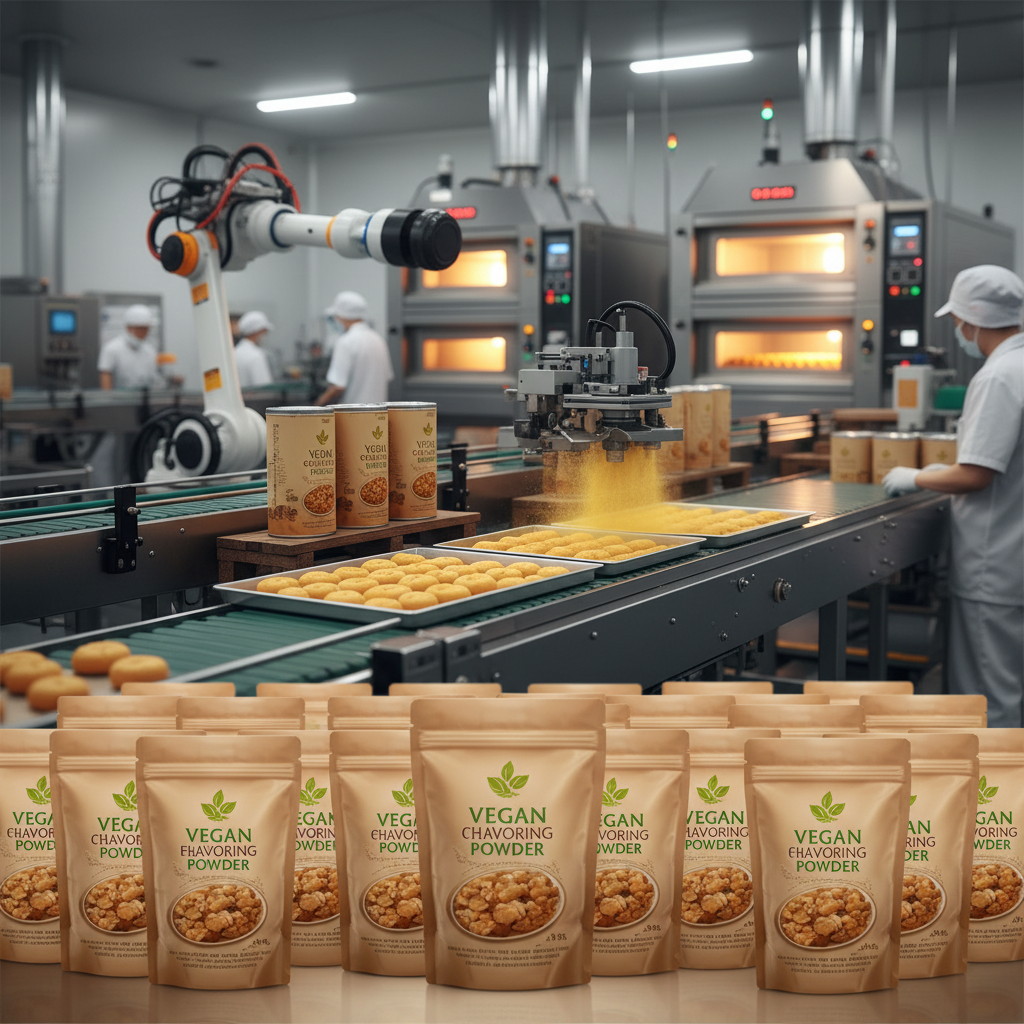
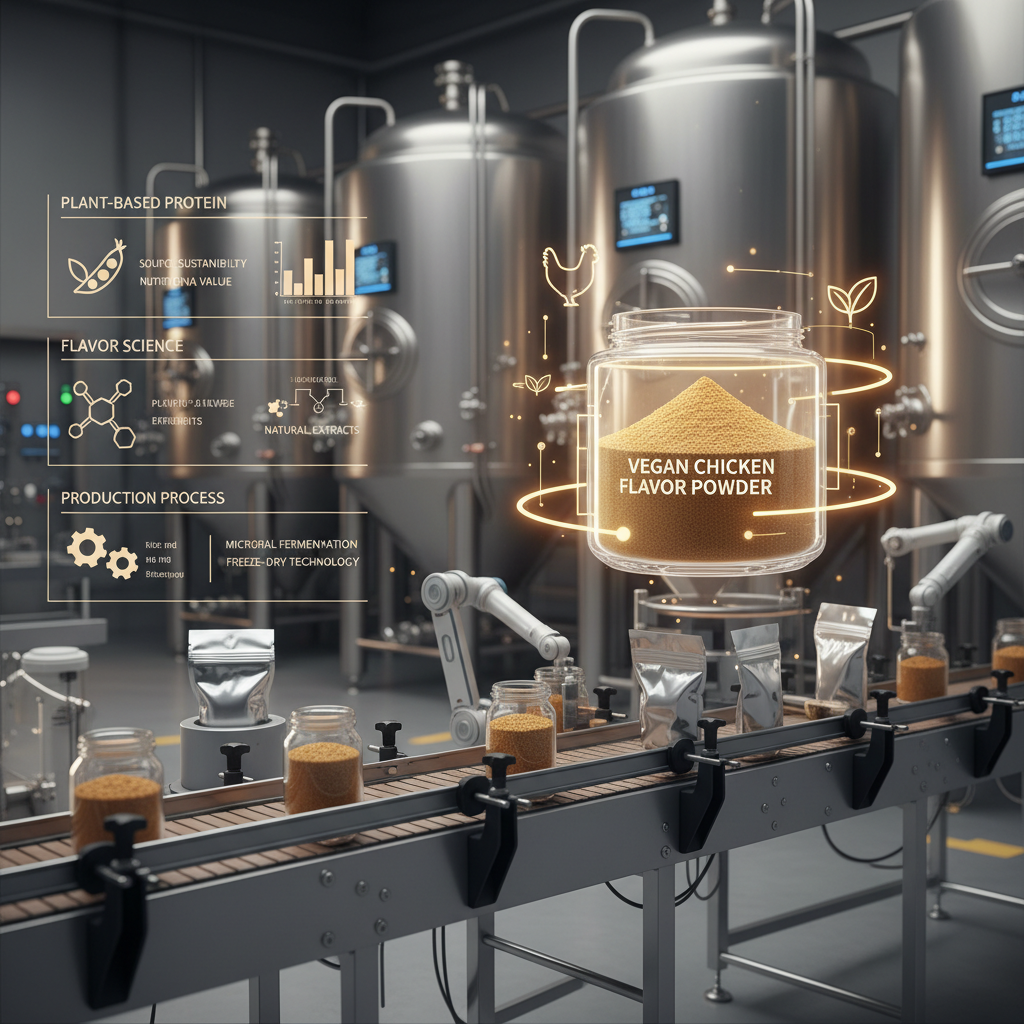
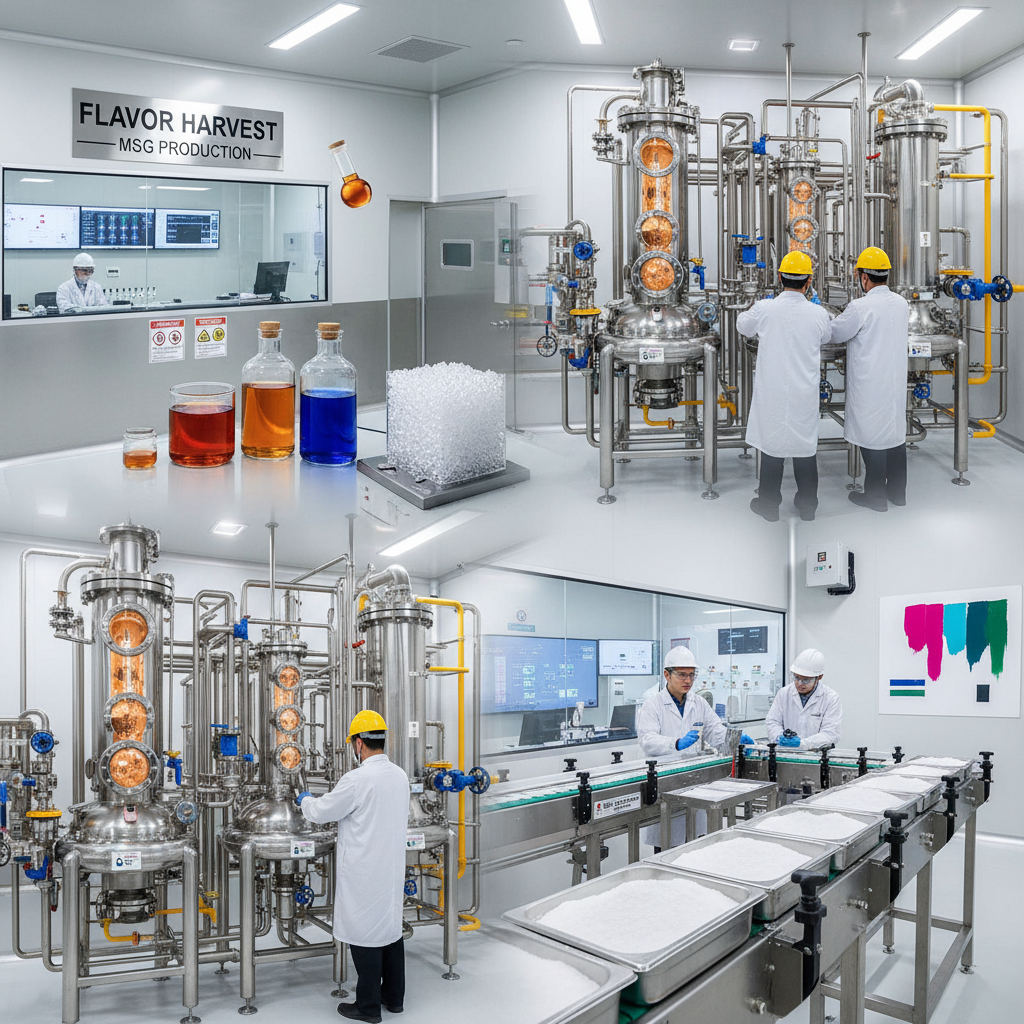
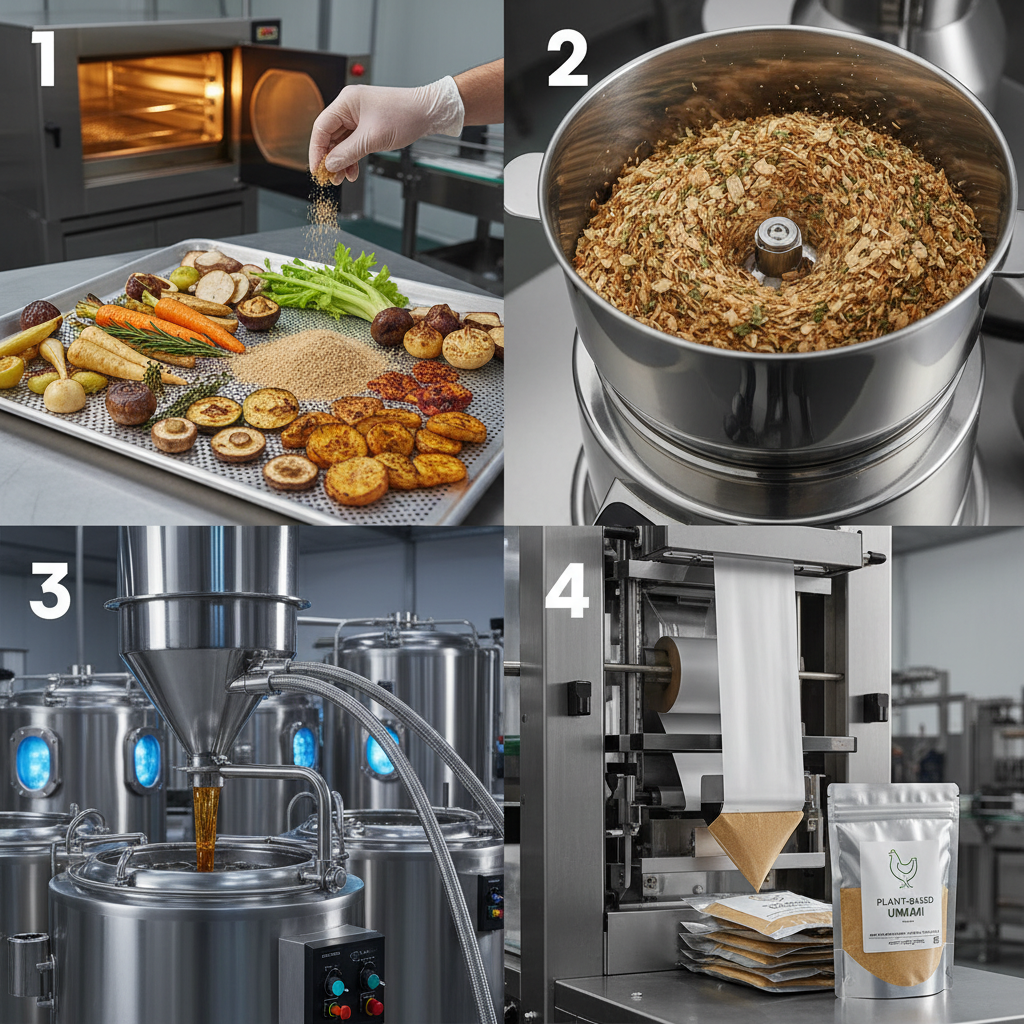
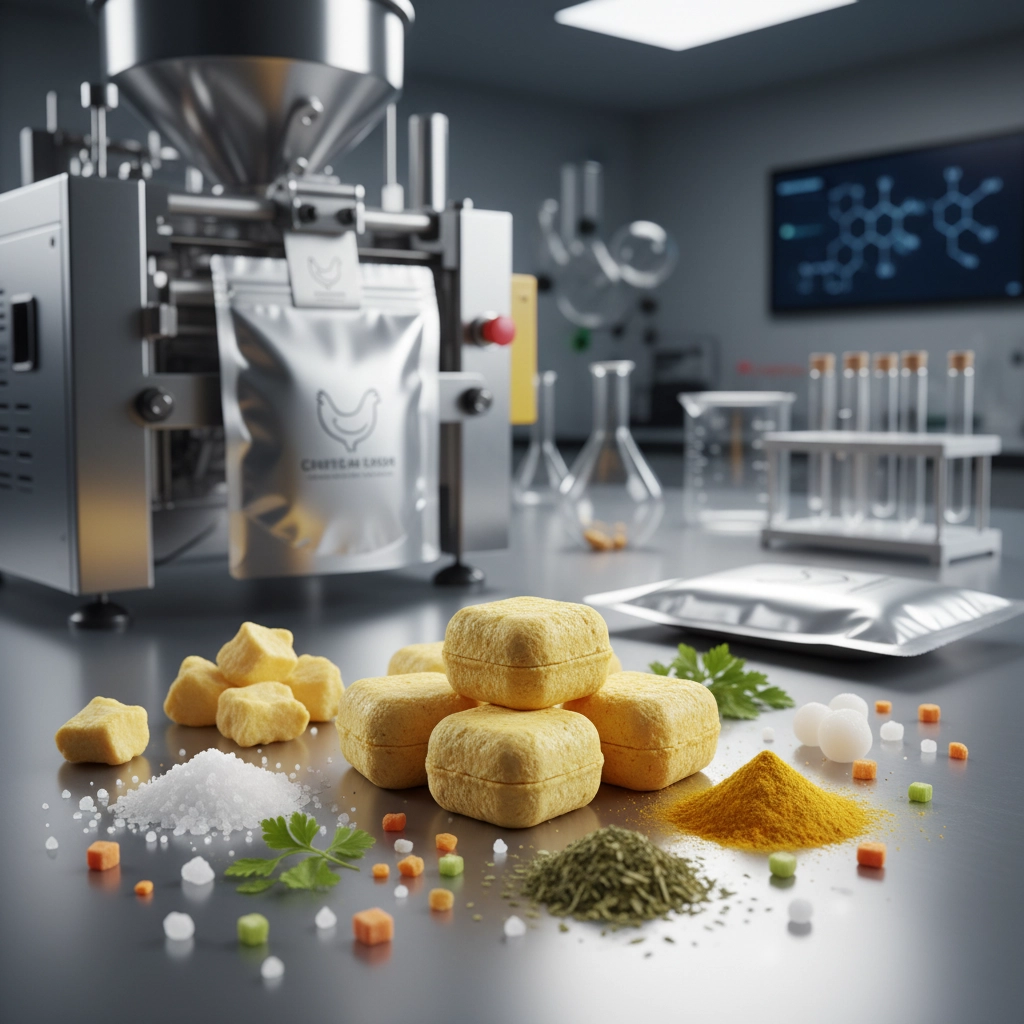
The culinary landscape is undergoing a seismic shift as plant-based diets move from a niche preference to a global mainstream standard. At the heart of this transition is the quest for authentic flavor profiles, specifically the savory, comforting essence of poultry without the animal byproduct. This is where chicken powder vegan emerges as a critical innovation in food science, allowing chefs and home cooks to replicate the "umami" depth traditionally associated with chicken bouillon while remaining entirely plant-derived.
Beyond simple dietary choices, the rise of vegan alternatives is driven by a complex interplay of environmental sustainability, ethical animal welfare, and health consciousness. Industrial food production is increasingly pressured to reduce its carbon footprint and water usage, leading the food additive sector to develop high-performance plant-based seasonings. A high-quality chicken powder vegan doesn't just mimic a taste; it provides a functional ingredient that maintains stability, solubility, and flavor intensity across various cooking temperatures.
For manufacturers in the food and pharmaceutical additive space, mastering the chemistry of vegan flavor enhancers represents a significant commercial opportunity. By utilizing yeast extracts, hydrolyzed vegetable proteins, and strategic spice blends, the industry can now provide a seamless transition for consumers who refuse to compromise on taste. Understanding the technical nuances of chicken powder vegan is therefore essential for any brand aiming to capture the growing market of flexitarians and vegans worldwide.
Global Market Relevance of Vegan Poultry Seasoning
The global demand for chicken powder vegan is no longer a regional trend but a worldwide industrial shift. With reports from organizations like the FAO highlighting the environmental strain of traditional livestock farming, food manufacturers are pivoting toward plant-based alternatives. In North America and Europe, the "flexitarian" movement has created a massive gap in the market for seasonings that offer the familiarity of meat without the associated ethical or environmental costs.
This transition is supported by a growing body of data suggesting that consumers are increasingly scrutinizing ingredient labels for "clean label" certifications and non-GMO markers. The challenge for the industry has been to move beyond "salty" flavors to create a complex, multi-dimensional savory profile. As a result, the development of professional-grade vegan powders has become a priority for B2B suppliers catering to the food service and ready-to-eat meal sectors.
Defining the Chemistry of Vegan Chicken Powder
In technical terms, chicken powder vegan is a sophisticated blend of plant-derived proteins, minerals, and aromatic compounds designed to simulate the taste of cooked chicken. Unlike traditional powders that rely on animal extracts, vegan versions utilize the Maillard reaction—the chemical reaction between amino acids and reducing sugars—to create those toasted, savory notes that our palates associate with roasted meat.
From a humanitarian and health perspective, these powders address the need for inclusive nutrition. By removing animal proteins, these additives become accessible to people with specific religious dietary restrictions (such as Halal or Kosher requirements) and those with severe allergies to poultry. This universality makes the product an essential tool for global food security and inclusive meal planning in diverse populations.
The connection to modern industry lies in the precision of biotechnology. By utilizing fermentation processes and yeast extracts, chemists can isolate specific nucleotides (like IMP and GMP) that synergize with glutamate to amplify the perception of saltiness and savoriness, ensuring that the vegan alternative is indistinguishable from the original in a complex recipe.
Core Components for Authentic Umami Profiles
To achieve a professional-grade chicken powder vegan, the first core component is the protein base. Hydrolyzed vegetable proteins (HVP) are often used to provide a foundation of free amino acids, which are the building blocks of savory flavor. This ensures the powder has a "weight" on the tongue similar to meat-based stocks.
The second critical factor is the integration of yeast extracts. These extracts are rich in natural glutamates, which provide the "umami" or savory fifth taste. When combined with specific mushroom powders or nutritional yeast, the chicken powder vegan gains a deep, fermented quality that mimics the complexity of slow-simmered poultry bones.
Finally, aromatic precision is achieved through a blend of onion, garlic, and celery powders, often supplemented with a touch of turmeric for color and a specific balance of fats (like coconut or sunflower oil) to replicate the mouthfeel of chicken fat. This holistic approach ensures the product performs consistently across various applications, from soups to sauces.
Technical Performance and Scalability Factors
When implementing chicken powder vegan in a large-scale manufacturing environment, scalability and stability are paramount. The powder must exhibit excellent solubility, meaning it dissolves quickly in hot and cold liquids without clumping, which is essential for automated dosing systems in industrial kitchens.
Furthermore, cost efficiency is a driving factor. By optimizing the ratio of expensive yeast extracts to more affordable salt and starch carriers, manufacturers can produce a high-impact seasoning that remains competitive in price while delivering premium taste results.
Performance Metrics of Vegan Seasoning Methods
Industrial Applications and Global Use Cases
The versatility of chicken powder vegan allows it to be integrated into a vast array of food products. In the snack food industry, it is used as a primary seasoning for plant-based chips and puffs, providing a savory "chicken" taste that appeals to a broad consumer base without the risk of cross-contamination with animal products.
In more critical contexts, such as humanitarian food relief in regions with diverse religious dietary needs, vegan seasonings are invaluable. They allow NGOs to provide nutrient-dense, flavorful meals that are culturally acceptable to everyone, regardless of whether they follow Halal, Kosher, or vegan diets, thus ensuring dignity and satisfaction in emergency nutrition.
Long-term Value and Sustainability Impact
Switching to chicken powder vegan offers significant tangible benefits in terms of sustainability. Traditional poultry production is resource-intensive, requiring vast amounts of water and land. By replacing animal-based powders with plant-based alternatives, companies can drastically reduce their Scope 3 emissions and move closer to net-zero targets.
From a social impact perspective, the innovation of vegan flavorings promotes a more compassionate food system. It removes the reliance on industrial slaughterhouses while maintaining the culinary joy and comfort that chicken-flavored dishes provide. This shift fosters trust between the brand and the conscious consumer.
Moreover, the reliability of plant-based supply chains is often higher than that of animal-based ones, which are susceptible to outbreaks of avian flu or other zoonotic diseases. By diversifying into vegan seasonings, manufacturers create a more resilient production line that is less vulnerable to biological shocks in the livestock sector.
Future Innovations in Plant-Based Flavoring
The future of chicken powder vegan lies in the integration of precision fermentation. This technology allows scientists to "brew" specific proteins that are molecularly identical to those found in chicken, but without the bird. This will lead to a generation of vegan powders that are virtually indistinguishable from animal versions in terms of taste, smell, and nutritional profile.
Digital transformation is also playing a role, with AI-driven flavor mapping helping chemists predict which plant-based combinations will most accurately replicate the "chicken" experience. This reduces the R&D cycle and allows for faster iterations of cleaner, more natural labels that avoid artificial additives.
As automation in food processing increases, we will see "smart" seasonings that can be adjusted in real-time based on the moisture content and temperature of the food being produced, ensuring a consistent flavor experience every time.
Comparative Analysis of Vegan Seasoning Formulation Technologies
|
Technology Type
|
Flavor Accuracy
|
Production Cost
|
Sustainability Score
|
| Yeast Extract Blend |
High (8/10) |
Moderate |
9/10 |
| Hydrolyzed Vegetable Protein |
Medium (6/10) |
Low |
7/10 |
| Precision Fermentation |
Ultra-High (10/10) |
High |
10/10 |
| Mushroom/Seaweed Mix |
Medium (7/10) |
Moderate |
8/10 |
| Synthetic Aroma Blend |
Medium (5/10) |
Very Low |
6/10 |
| Hybrid Plant-Yeast Mix |
High (9/10) |
Moderate |
9/10 |
FAQS
Yes, high-quality vegan versions use a combination of yeast extracts, hydrolyzed proteins, and specific aromatic spices to mimic the "umami" and savory notes of poultry. While the molecular structure is different, the sensory experience is designed to be indistinguishable in most cooked applications like soups, stews, and sauces.
Generally, yes. Because it contains no animal derivatives, it avoids the primary restrictions associated with meat processing. However, we always recommend checking for specific certifications regarding the processing agents and cross-contamination protocols to ensure total compliance with religious standards.
It can be used as a direct replacement for traditional chicken bouillon. Due to its powder form, it is ideal for dry mixes, seasoning rubs, or as a base for liquid stocks. Ensure you check the solubility ratings to determine if it requires pre-mixing or can be added directly to automated batching systems.
Beyond ethics, vegan seasonings often contain zero cholesterol and reduced saturated fats compared to animal-based powders. They also eliminate the risk of exposure to antibiotics or hormones often found in industrial poultry farming, providing a cleaner profile for health-conscious consumers.
While primarily a food additive, the base components (like certain amino acid profiles) can overlap with pharmaceutical grade intermediates. However, for medical use, a specific high-purity grade must be requested to ensure it meets pharmaceutical standards for contaminants and stability.
Store in a cool, dry place in airtight packaging. Exposure to moisture can cause clumping (caking) and a loss of aromatic intensity. For industrial quantities, climate-controlled warehousing is recommended to preserve the potency of the yeast extracts and volatile flavor compounds.
Conclusion
The evolution of chicken powder vegan represents a perfect intersection of culinary art and food science. By synthesizing the complex savory notes of poultry through plant-based chemistry, the industry has solved one of the biggest hurdles in the transition to sustainable eating: the sacrifice of taste. From its role in reducing environmental impact to its ability to provide inclusive nutrition across different cultures and diets, this innovation is a cornerstone of the modern food additive market.
Looking forward, the continued integration of precision fermentation and AI flavor mapping will only enhance the quality and accessibility of these products. For manufacturers and food brands, adopting high-performance vegan seasonings is not just an ethical choice, but a strategic business move to align with global consumer trends. We invite you to explore our professional range of food additives and seasonings to elevate your product line. Visit our website: www.chinaseasoning.com