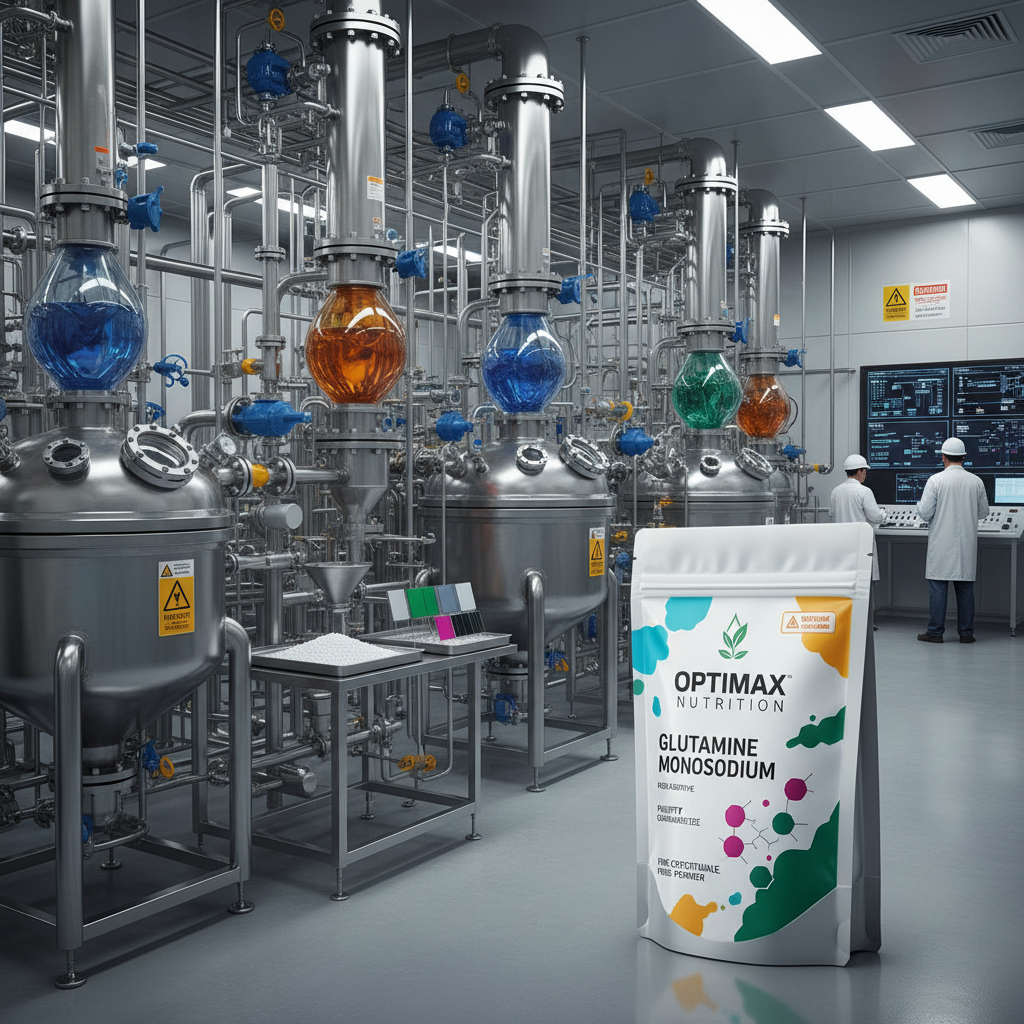
The global food supply chain relies heavily on the precision of chemical preservation to ensure safety and longevity. Within this ecosystem, the role of a high-capacity manufacturing facility is paramount, as it provides the essential components needed to prevent spoilage and microbial growth in various consumables. Understanding the operational standards of a nutritive feed additives factory allows industry professionals to source high-purity ingredients that meet strict international safety guidelines.
Sodium Benzoate stands as a cornerstone in the world of food additives, serving as a broad-spectrum antimicrobial agent that is indispensable for meat preservatives and beverage stabilization. By maintaining high purity levels and consistent chemical properties, manufacturers can ensure that the resulting food products remain stable under various environmental conditions. The efficiency of production and the adherence to quality standards, such as GB1902-05, are what distinguish a leading supplier from a generic producer.
Whether utilized in the pharmaceutical industry for drug anticorrosion or in the daily-use sector for toothpaste and adhesives, the versatility of this compound is unmatched. For companies looking to enhance their supply chain, partnering with a reliable nutritive feed additives factory ensures access to high-purity white sodium benzoate powder with guaranteed solubility and stable pH levels.
Chemical Composition and Purity of Sodium Benzoate
Sodium Benzoate is an inorganic chemical preservative characterized as a high-purity white crystalline powder. It is odorless or slightly hypoallergenic, featuring a slightly sweet and astringent taste that makes it suitable for a wide array of food applications. Its physical stability in the air and high solubility in both water and ethanol make it a preferred choice for manufacturers who require a consistent and easy-to-blend additive.
The chemical integrity of the product is maintained through rigorous manufacturing processes. With a purity level typically exceeding 99.0%, the material ensures that minimal impurities interfere with the final product's taste or stability. This level of precision is a hallmark of a professional nutritive feed additives factory, where quality control is integrated into every stage of the synthesis process.
Antimicrobial Mechanisms and pH Dependency
The efficacy of Sodium Benzoate as an antiseptic is closely tied to the acidity of the medium in which it is used. As a broad-spectrum antimicrobial agent, it works by inhibiting the growth of yeasts, molds, and some bacteria. However, its bactericidal effect is significantly enhanced as the medium's acidity increases, making it most effective in environments with a pH value between 2.5 and 4.0.
In alkaline environments, Sodium Benzoate loses its antibacterial effectiveness, as the molecule does not dissociate in a way that can penetrate microbial cell membranes. This pH dependency is a critical factor for food scientists when formulating recipes for sauces, jams, or sodas, ensuring that the preservative is paired with the correct acidic balance to achieve maximum shelf-life extension.
Understanding these chemical interactions allows for the precise application of the additive, avoiding waste and ensuring food safety. By leveraging the scientific properties of this compound, a nutritive feed additives factory provides the foundational material that allows global food brands to maintain product integrity across different climates and distribution channels.
Industrial Applications Across Diverse Sectors
The utility of Sodium Benzoate extends far beyond simple food preservation. In the food industry, it is widely employed in the production of pickles, preserved beancurd, fruit juices, and various canned goods. Its ability to prevent spoilage without drastically altering the sensory profile of the food makes it an ideal choice for mass-market consumer goods.
Beyond the kitchen, the medical industry utilizes this compound for drug anticorrosion, ensuring that liquid medications remain sterile and effective over time. Furthermore, a nutritive feed additives factory often supplies this material to the daily-use industry for use in toothpaste, inkpads, and various adhesives where fungal growth must be strictly prevented.
The organic chemical industry also finds significant use for Sodium Benzoate as a precursor or stabilizer in various syntheses. This cross-industry demand underscores the importance of maintaining a high production volume and a stable supply chain to meet the diverse needs of pharmaceutical, cosmetic, and food manufacturing sectors worldwide.
Production Capacity and Supply Chain Logistics
Maintaining a consistent supply of preservatives is essential for avoiding production bottlenecks in the food and pharma industries. With a monthly productivity of 500 MT, our operations are scaled to handle both small-batch specialized orders and massive industrial contracts. This high capacity ensures that clients receive their shipments on time, regardless of seasonal demand spikes.
Logistics are optimized through a multi-modal transportation approach, utilizing both ocean and land freight from the strategic port of Qingdao. Packaging options are flexible, offering 25kg bags for smaller operations and 1mt bags for large-scale industrial users, ensuring that the material remains uncontaminated during transit.
Comparative Efficiency of Nutritive Feed Additives Factory Logistics
Global Quality Standards and Certifications
Quality assurance is the bedrock of chemical manufacturing. Our Sodium Benzoate adheres strictly to the GB1902-05 quality standard, ensuring that every batch meets the necessary requirements for purity, water content, and heavy metal limits. By implementing a rigorous testing protocol, we guarantee a product that is safe for human consumption and industrial use.
Furthermore, the inclusion of SGS certification provides an international layer of trust, verifying that the product specifications match the shipping documents. This commitment to transparency allows a nutritive feed additives factory to compete on a global scale, providing peace of mind to importers in Europe, the Americas, and Asia.
Storage Stability and Handling Protocols
Proper storage is essential to maintain the chemical efficacy of Sodium Benzoate. Because the product is stable in the air, it does not require specialized atmospheric controls, but it must be kept in a cool, dry environment to prevent clumping or moisture absorption. Using high-quality packaging materials helps preserve the crystalline structure of the powder.
Handling protocols should focus on minimizing dust inhalation and skin contact, although the product is generally considered safe. In an industrial setting, ensuring that the storage area is free from contaminating agents is critical, as any impurity could potentially react with the preservative or affect the pH of the final aqueous solution.
By following these standardized handling procedures, clients of a nutritive feed additives factory can ensure that the material maintains its 99% purity from the moment it leaves the factory in China until it is integrated into the final production line.
Technical Specifications and Quality Index Analysis
The technical performance of Sodium Benzoate is measured by a series of critical indices. The water content must be kept below 1.5% to prevent premature degradation, while the chloride and sulphate levels are strictly limited to ensure no unwanted chemical reactions occur within the food matrix. These parameters are monitored through precision laboratory analysis.
Another key metric is the alkalinity and acidity, which must remain within 0.2ml to maintain the product's expected behavior in aqueous solutions. The milkiness and color of a 10% aqueous solution are also tested to ensure total solubility and clarity, which is particularly important for transparent beverages and clear pharmaceutical liquids.
For those auditing a nutritive feed additives factory, the absence of phthalic acid and readily oxidizable substances is a primary indicator of a clean manufacturing process and high-grade raw material sourcing.
Technical Quality Index Analysis of Sodium Benzoate
| Test Item |
Required Index |
Analysis Method |
Quality Grade |
| Purity Content |
≥99.0 % |
Titration |
High Pure |
| Water Content |
≤1.5 % |
Karl Fischer |
Standard |
| Heavy Metals |
≤0.001 % |
ICP-MS |
Food Grade |
| Arsenic |
≤0.0002 % |
Colorimetric |
Ultra Low |
| Sulphate |
≤0.10 % |
Gravimetric |
Compliant |
| Solution Color |
Meet Spec |
Visual Check |
Transparent |
FAQS
Sodium Benzoate is most effective as an antimicrobial agent in acidic environments, specifically with a pH value between 2.5 and 4.0. In this range, it effectively inhibits the growth of bacteria, yeasts, and molds. In alkaline environments, its efficacy drops significantly, making it unsuitable for products with high pH levels.
Yes, our high-purity Sodium Benzoate is widely used in the medical industry for drug anticorrosion. Because it meets strict purity standards (≥99.0%) and is certified by SGS, it provides the stability and safety required for pharmaceutical formulations.
Purity is ensured through a combination of high-grade raw material sourcing and rigorous quality control tests based on the GB1902-05 standard. This includes testing for heavy metals, arsenic, and moisture content to ensure the final white crystalline powder is free from contaminants.
We offer flexible packaging to meet different industrial needs. For medium-sized orders, we provide 25kg bags. For large-scale industrial operations requiring high-volume throughput, we supply 1mt bags, ensuring efficiency in loading and unloading.
Our facility has a productivity of 500 MT per month. This high capacity allows us to maintain a stable supply for our global partners, ensuring that production lines in the food and pharmaceutical industries never face shortages of essential preservatives.
We utilize a strategic combination of land and ocean transportation, shipping primarily through the Port of Qingdao. This allows us to optimize shipping costs and delivery times for our international clients across various continents.
Conclusion
Sodium Benzoate remains an essential component in the global effort to ensure food safety and product stability. By combining high purity (≥99.0%) with a deep understanding of pH-dependent antimicrobial activity, it serves as a versatile tool across the food, pharmaceutical, and daily-use industries. The ability of a professional nutritive feed additives factory to maintain high production volumes while adhering to strict quality standards like GB1902-05 is what ensures the reliability of the global supply chain.
Looking forward, the demand for high-stability preservatives will only grow as global trade expands. We recommend that manufacturers prioritize purity and certification when sourcing their additives to avoid costly production errors and ensure consumer safety. For those seeking a partner that blends industrial capacity with laboratory precision, we invite you to explore our solutions. Visit our website: www.standard-seasoning.com