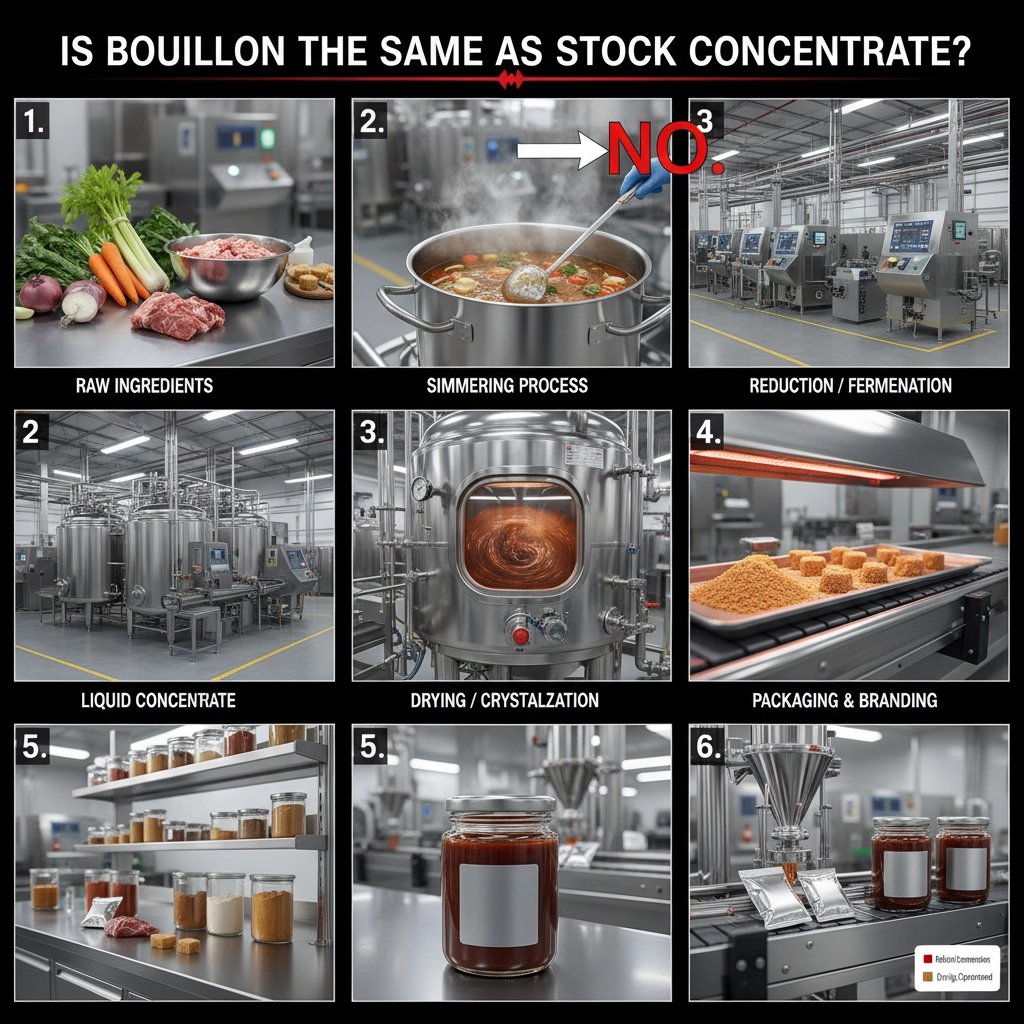
The global food and feed security landscape relies heavily on the precision of chemical preservation and nutrient stabilization. At the heart of this infrastructure is the role of a high-standard nutritional feed additive factory, which ensures that critical preservatives like Sodium Benzoate maintain their purity and efficacy across international supply chains. By mitigating microbial growth and extending shelf life, these facilities protect the integrity of essential food and feed components.
From a technical perspective, the production of high-purity preservatives requires stringent adherence to quality standards, such as GB1902-05, to ensure that heavy metals and impurities remain well below safety thresholds. A professional nutritional feed additive factory focuses on the scalability of these inorganic chemical preservatives, allowing for massive monthly productivities—often reaching 500 MT—to meet the demands of the sauce, pickle, and pharmaceutical industries.
Understanding the chemistry behind these additives, such as the pH-dependent antibacterial effectiveness of Sodium Benzoate, is crucial for manufacturers seeking to optimize their formulations. By partnering with a reliable nutritional feed additive factory, businesses can secure high-purity white crystalline powder that guarantees stability in air and solubility in water, ensuring maximum protection for their end products.
The Role of Sodium Benzoate in Modern Preservation
Sodium Benzoate serves as a cornerstone in the food additive industry, acting as a broad-spectrum antimicrobial agent. Its primary function is to inhibit the growth of molds, yeasts, and some bacteria, which is essential for maintaining the safety of perishable items. This is particularly critical in acidic environments where the additive's bactericidal effect is most potent.
As a high-purity white powder, it is prized for being odorless and slightly sweet, ensuring that it does not negatively impact the sensory profile of the food or feed it preserves. The ability of a specialized factory to produce this at a scale of 500 MT per month ensures a steady global supply for critical industries.
Technical Specifications and Chemical Stability
The effectiveness of Sodium Benzoate is deeply tied to its chemical properties. It is a white granule or crystalline powder that remains stable in the air and is highly soluble in both water and ethanol. With an aqueous solution pH of approximately 8, it provides a versatile base for various industrial applications.
One of the most critical technical aspects is the pH dependency of its antimicrobial action. The best anti-corrosion pH value ranges between 2.5 and 4.0. As the acidity of the medium increases, the bactericidal effect is enhanced, whereas in alkaline environments, these antibacterial properties are largely lost.
Quality assurance is maintained through strict adherence to the GB1902-05 standard. This includes maintaining a purity level of ≥99.0%, limiting water content to ≤1.5%, and ensuring that heavy metals and arsenic are kept at negligible levels (≤0.001% and ≤0.0002% respectively) to meet SGS certification requirements.
Operational Standards of a Nutritional Feed Additive Factory
The operational excellence of a nutritional feed additive factory is measured by its ability to balance massive productivity with pinpoint accuracy in chemical composition. Maintaining a monthly output of 500 MT requires sophisticated automation and rigorous quality control stages.
In a professional nutritional feed additive factory, the focus extends beyond mere production to include comprehensive certification, such as SGS. This ensures that every bag—whether 25kg or 1mt—meets the same rigorous standards for purity, color, and milkiness degree of the solution.
Logistical efficiency is also a key component. By utilizing the port of Qingdao and offering both ocean and land transportation, a top-tier nutritional feed additive factory can ensure that the Sodium Benzoate reaches global markets without degradation or delay.
Global Application and Industry Use Cases
Sodium Benzoate finds extensive application across diverse sectors. In the food industry, it is indispensable for preserving sauces, pickles, jams, and fruit juices. Its ability to prevent spoilage in canned goods makes it a vital tool for global food distribution and waste reduction.
Beyond food, the pharmaceutical industry utilizes it for drug anti-corrosion, while the daily-use chemical sector incorporates it into toothpaste, adhesives, and inkpads. Its versatility as an organic chemical intermediate further expands its utility in synthetic chemistry.
Comparative Efficiency of Additive Production Methods
Long-Term Value and Safety Compliance
The long-term value of sourcing from a certified manufacturer lies in the reliability of the product. High purity (≥99%) ensures that there are no adverse reactions in the final food or pharmaceutical product, which reduces the risk of recalls and protects brand reputation.
Furthermore, compliance with international HS codes (29163100) and certification by bodies like SGS simplifies the customs process and ensures that the product meets the safety laws of the destination country, providing peace of mind for global importers.
Future Innovations in Additive Manufacturing
The future of the additive industry is leaning toward "Green Chemistry." This involves reducing the environmental footprint of the production process, optimizing energy use during the crystallization of Sodium Benzoate, and minimizing waste during the filtration stages.
Digital transformation is also playing a role. Implementing AI-driven quality monitoring allows factories to detect impurities in real-time, ensuring that every batch strictly adheres to the GB1902-05 standard without relying solely on post-production sampling.
We also anticipate a shift toward more specialized, tailored preservatives that can function across a wider pH range, reducing the limitations currently faced in alkaline media and expanding the application of inorganic chemical preservatives.
Challenges and Solutions in Chemical Supply Chains
One of the primary challenges in the supply chain is maintaining product stability during long-distance ocean freight. Moisture ingress can lead to clumping in the 25kg bags, which complicates the dissolution process for the end-user.
To solve this, advanced packaging solutions and moisture-barrier liners are being implemented. By optimizing the packaging from a factory level, the "milkiness degree" and solubility of the Sodium Benzoate are preserved from the port of Qingdao to the final destination.
Another challenge is the volatility of raw material costs. Factories are overcoming this by establishing long-term strategic partnerships and increasing their internal productivity to 500 MT/Month, achieving economies of scale that stabilize pricing for the consumer.
Comprehensive Analysis of Sodium Benzoate Quality and Logistics
| Analysis Dimension |
Technical Indicator |
Standard Value |
Impact Level (1-10) |
| Chemical Purity |
Main Content |
≥99.0% |
10 |
| Contamination Control |
Heavy Metals |
≤0.001% |
9 |
| Moisture Stability |
Water Content |
≤1.5% |
7 |
| Supply Reliability |
Monthly Productivity |
500 MT |
8 |
| Logistics Speed |
Port Access |
Qingdao Port |
8 |
| Regulatory Compliance |
Certificate |
SGS Certified |
10 |
FAQS
Sodium Benzoate is most effective as an antimicrobial agent in acidic environments. The optimal anti-corrosion pH value is between 2.5 and 4.0. As the acidity increases, its ability to inhibit bacteria and molds is enhanced. Conversely, its efficacy is significantly reduced or lost entirely in alkaline mediums.
Yes, Sodium Benzoate is widely used in the medical industry for drug anti-corrosion. Due to its high purity and stability, it serves as an effective preservative to prevent the growth of microorganisms in various pharmaceutical formulations, ensuring drug safety and extending shelf life.
You should look for suppliers that provide SGS certification and adhere to recognized quality standards such as GB1902-05. These ensure that the product has a purity of ≥99%, low heavy metal content, and meets strict specifications for color and solubility, which are critical for food and pharma safety.
Our high-purity sodium benzoate is typically packaged in 25kg bags or 1mt bags to suit different industrial needs. These are designed to be stable during ocean and land transportation, preventing moisture contamination and ensuring the product arrives as a free-flowing white crystalline powder.
Yes, in addition to being highly soluble in water, Sodium Benzoate is also soluble in ethanol. This dual solubility makes it highly versatile for use in a wide range of products, from aqueous food solutions like juices to alcohol-based pharmaceutical or industrial preparations.
A professional-grade facility can achieve a productivity of up to 500 MT per month. This scale of operation allows for consistent quality across large batches and provides the necessary volume to support global supply chains for food, pharmaceutical, and organic chemical industries.
Conclusion
In summary, the production of high-purity Sodium Benzoate within a professional nutritional feed additive factory is essential for maintaining global standards of food and pharmaceutical safety. By combining strict adherence to GB1902-05 quality standards with massive scalability and logistical efficiency, manufacturers can provide an indispensable tool for anti-corrosion and microbial control.
Looking forward, the integration of green chemistry and digital quality monitoring will further refine the production of these inorganic preservatives. For businesses seeking a reliable partner to ensure the stability and safety of their products, sourcing from a certified, high-capacity manufacturer is the most strategic path toward long-term growth and compliance. Visit our website: www.standard-seasoning.com