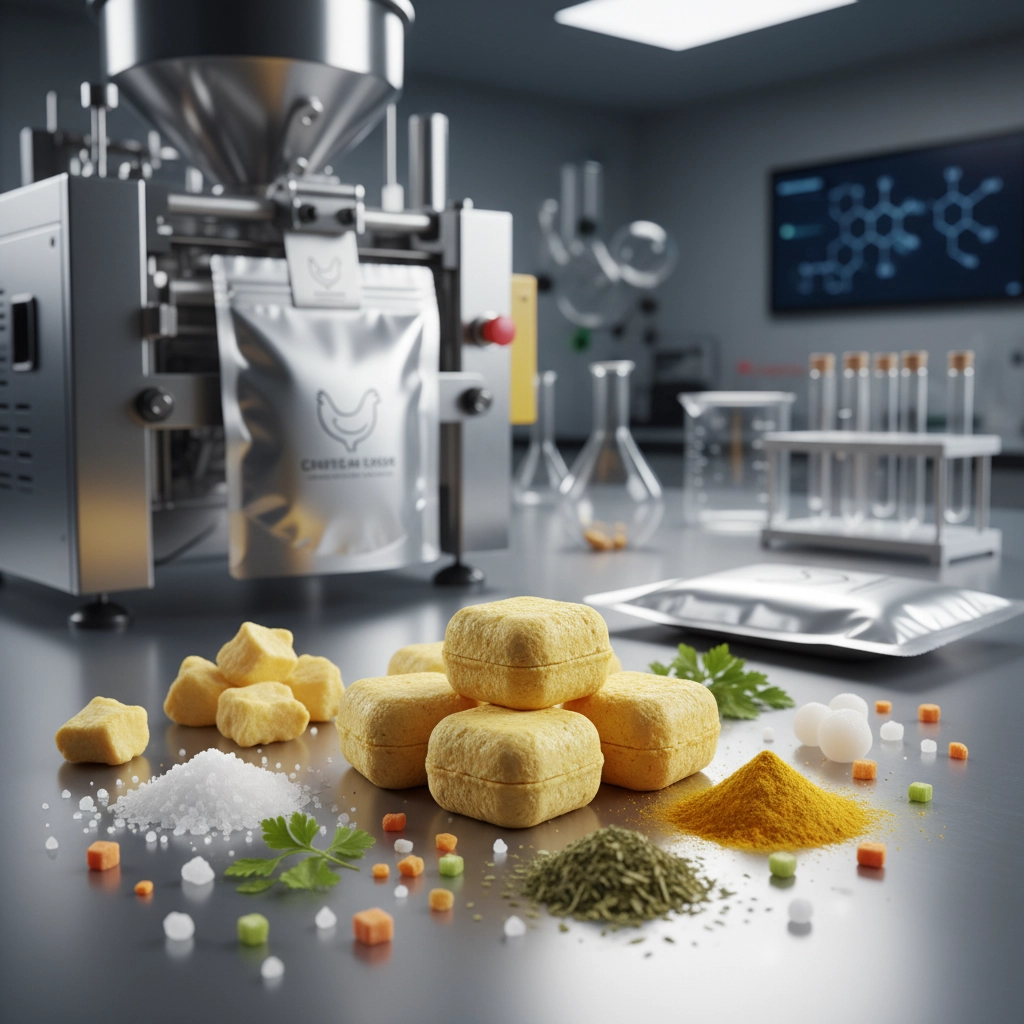
The global food industry is currently undergoing a significant transition as consumers demand cleaner labels and more transparent ingredient lists. In this context, finding a reliable example of natural food additives has become a priority for manufacturers striving to balance shelf-life stability with nutritional integrity. By shifting away from synthetic chemicals, brands can meet the growing demand for "natural" products without compromising the sensory qualities of their food.
The integration of high-purity ingredients like D-Glucose serves as a fundamental benchmark for how natural substances can optimize food production. When looking for an example of natural food additives, glucose stands out because it is a naturally occurring monosaccharide that provides essential energy and functional versatility across various food matrices, from bakery goods to liquid beverages.
Understanding the technical specifications and applications of these ingredients allows producers to innovate while maintaining safety standards. For those seeking a professional example of natural food additives, utilizing high-grade dextrose ensures consistent solubility, purity, and a clean flavor profile that enhances the final product's quality.
The Role of Glucose as a Natural Food Additive
Glucose, also known as dextrose, represents a quintessential example of natural food additives due to its ubiquity in nature and its critical role as the primary energy source for living cells. As a polyhydroxyaldehyde with the chemical formula C6H12O6, it is a colorless crystal that provides a mild sweetness, making it an ideal base for various food formulations without overpowering the intended flavor profile.
From a biological perspective, plants produce glucose through photosynthesis, ensuring that it remains a sustainable and naturally derived ingredient. In the commercial sector, its ability to dissolve rapidly in water and its compatibility with other vitamins and minerals make it an indispensable tool for food scientists aiming to create clean-label products.
Technical Specifications and Purity Standards
Maintaining high purity is essential for any professional food additive. For α-D-glucose, the food-grade standard typically requires an assay of ≥ 99.5% on a dry basis. This ensures that the ingredient is free from contaminants and performs consistently during industrial processing, which is critical for large-scale manufacturing where batch-to-batch variance can lead to costly production errors.
Strict adherence to international certifications such as ISO 9001:2008, FDA, and Halal ensures that the product meets global safety requirements. Key parameters, such as keeping Lead levels ≤ 0.1mg/kg and Arsenic ≤ 1mg/kg, demonstrate a commitment to consumer health and regulatory compliance, allowing the ingredient to be exported to highly regulated markets including North America and Europe.
Furthermore, the physical characteristics—such as the white crystalline powder form and specific rotation of +52.00 to 53.50—allow for precise measurement and uniform distribution. Whether using the monohydrate or anhydrous form, these specifications guarantee that the solubility and sweetness levels remain predictable across different temperature ranges and concentrations.
Functional Applications in Food Manufacturing
The versatility of glucose allows it to serve as more than just a sweetener. In the confectionery industry, it is widely used in jams, jellies, and honey products to improve taste and overall quality while maintaining cost-efficiency. Because it is a prime example of natural food additives, it helps manufacturers avoid synthetic sugars while achieving a professional finish.
In bakery applications, such as cakes and torrefied foods, the addition of dextrose powder helps the product remain soft and significantly extends its shelf life by controlling moisture migration. This functional property is a key reason why it is cited as a leading example of natural food additives for those looking to reduce the use of artificial preservatives.
Beyond solids, the high solubility of glucose makes it ideal for the beverage and cold food sectors. It integrates seamlessly into energy drinks and syrups, providing a rapid source of energy for the consumer while ensuring the liquid remains clear and stable. This adaptability makes it a cornerstone ingredient in modern food science.
Impact on Texture and Shelf Life
One of the most significant advantages of utilizing glucose in industrial baking is its ability to control browning and crystallization. During thermal treatment, glucose interacts with proteins and amino acids to produce the Maillard reaction, which gives baked goods their characteristic golden-brown color and rich aroma. This natural process eliminates the need for artificial coloring agents.
Additionally, glucose acts as a humectant, drawing moisture from the air to keep products like cakes and biscuits from drying out. By maintaining a consistent moisture balance, it prevents the staling process, thereby increasing the commercial viability of the product and reducing food waste in the supply chain.
Performance Rating of Natural Additive Methods
Nutritional Value in Energy Formulations
Dextrose is highly recognized for its superior bioavailability, making it the preferred sugar for sports nutrition and clinical supplements. Because the human body can metabolize glucose almost immediately, it provides a rapid surge of energy, which is essential for athletes during high-intensity workouts or for patients requiring quick caloric intake in medical settings.
Moreover, the ability to combine glucose with other functional nutrients—such as electrolytes, vitamin C, and zinc—allows for the creation of sophisticated fortified foods. This synergy ensures that the final product not only tastes good but also delivers targeted health benefits, supporting cognitive performance and physical recovery.
Industrial Scalability and Supply Chain Reliability
For global manufacturers, the ability to source ingredients in bulk without sacrificing quality is paramount. With a productivity capacity of 500mt per month and flexible packaging options (such as 25kg bags), the supply of food-grade glucose is designed to meet the demands of both small-scale artisanal producers and massive industrial complexes.
Logistical efficiency is further enhanced by the availability of multiple transportation modes, including ocean, land, and air freight. Shipping from major ports like Qingdao ensures that the product reaches international markets timely, minimizing downtime in production schedules and ensuring that the supply chain remains resilient against local disruptions.
The reliability of the source is backed by strict quality control protocols, ensuring that every batch of glucose is consistent in its crystalline structure and chemical purity. This reliability fosters trust between the supplier and the manufacturer, allowing for long-term partnerships based on predictable performance and safety.
Comparative Analysis of Glucose Grades
When selecting between Monohydrate and Anhydrous glucose, manufacturers must consider the specific requirements of their recipe. The Monohydrate form contains a water molecule, which affects its weight and solubility profile, whereas the Anhydrous form is a pure, water-free powder, offering a higher concentration of glucose per gram of material.
From a cost and application perspective, the anhydrous version is often preferred for powdered mixes and supplements where moisture must be strictly minimized to prevent clumping. Conversely, the monohydrate version is widely used in liquid-based applications where its specific solubility characteristics are more advantageous.
Ultimately, the choice of grade impacts the final product's stability and mouthfeel. By understanding these nuances, food scientists can optimize their formulations to achieve the perfect balance of sweetness, texture, and shelf-life, ensuring a high-quality consumer experience.
Technical Comparison of D-Glucose Specifications
| Parameter |
Monohydrate Grade |
Anhydrous Grade |
Impact on Application |
| Assay (Dry Basis) |
≥ 99.5% |
99.5% |
High Purity/Consistency |
| Loss on Drying |
≤ 10.0% |
2.0% |
Moisture Control |
| Sulphated Ash |
≤ 0.25% |
0.10% |
Mineral Impurity Level |
| Lead Content |
≤ 0.1mg/kg |
0.1mg/kg |
Heavy Metal Safety |
| Total Bacteria |
≤ 1000pcs/g |
100pcs/g |
Microbial Stability |
| Physical Form |
Crystalline Powder |
Crystalline Powder |
Solubility Speed |
FAQS
D-Glucose is preferred because it acts as a natural humectant, keeping cakes and baked goods soft for longer periods. Additionally, it promotes the Maillard reaction during baking, providing a natural golden-brown color and rich flavor without the need for artificial coloring agents, thus supporting a clean-label approach.
In the context of food manufacturing, glucose and dextrose are generally used interchangeably. Dextrose is specifically the right-handed isomer of glucose. Both provide the same functional benefits, including rapid energy delivery and high solubility, making them identical in most culinary and industrial applications.
High-purity glucose (≥ 99.5%) ensures a neutral, clean sweetness that doesn't interfere with other flavors in a recipe. Low-purity additives can introduce off-tastes or inconsistent sweetness levels, which can compromise the sensory profile of delicate products like confectionery or medicinal syrups.
Yes, dextrose is an ideal ingredient for sports nutrition due to its high bioavailability. It is rapidly absorbed by the body, providing an immediate source of fuel for muscles and the brain during intense physical activity, making it a staple in energy gels and recovery drinks.
For global food safety and compliance, look for ISO 9001:2008, FDA, and Halal certifications. These ensure that the product is manufactured under strict quality controls, is free from harmful contaminants, and is suitable for a wide range of dietary requirements and international markets.
Glucose controls moisture migration and helps maintain the water activity level in food products. By binding water, it prevents the growth of certain microorganisms and stops baked goods from drying out, which effectively extends the freshness and shelf life of the product naturally.
Conclusion
In summary, D-Glucose serves as a premier example of natural food additives, offering a rare combination of nutritional value, functional versatility, and industrial stability. By integrating high-purity dextrose into food and beverage formulations, manufacturers can achieve superior textures, extended shelf lives, and rapid energy delivery—all while adhering to the clean-label standards that modern consumers demand.
Looking forward, the shift toward naturally derived ingredients will only accelerate. We recommend that food scientists and producers prioritize high-purity, certified glucose to ensure consistency and safety in their products. For more information on high-quality ingredients and professional supply solutions, visit our website: www.standard-seasoning.com