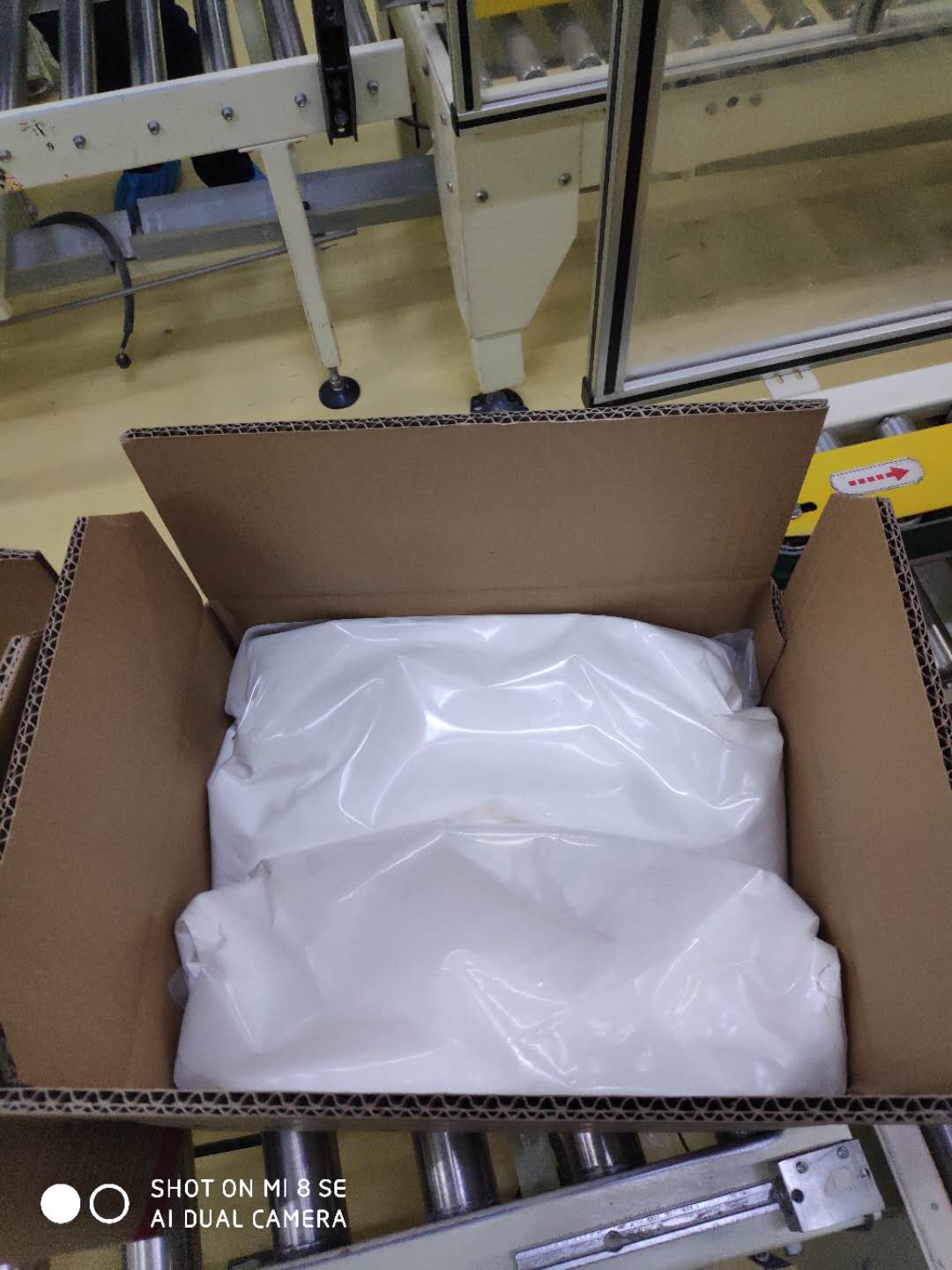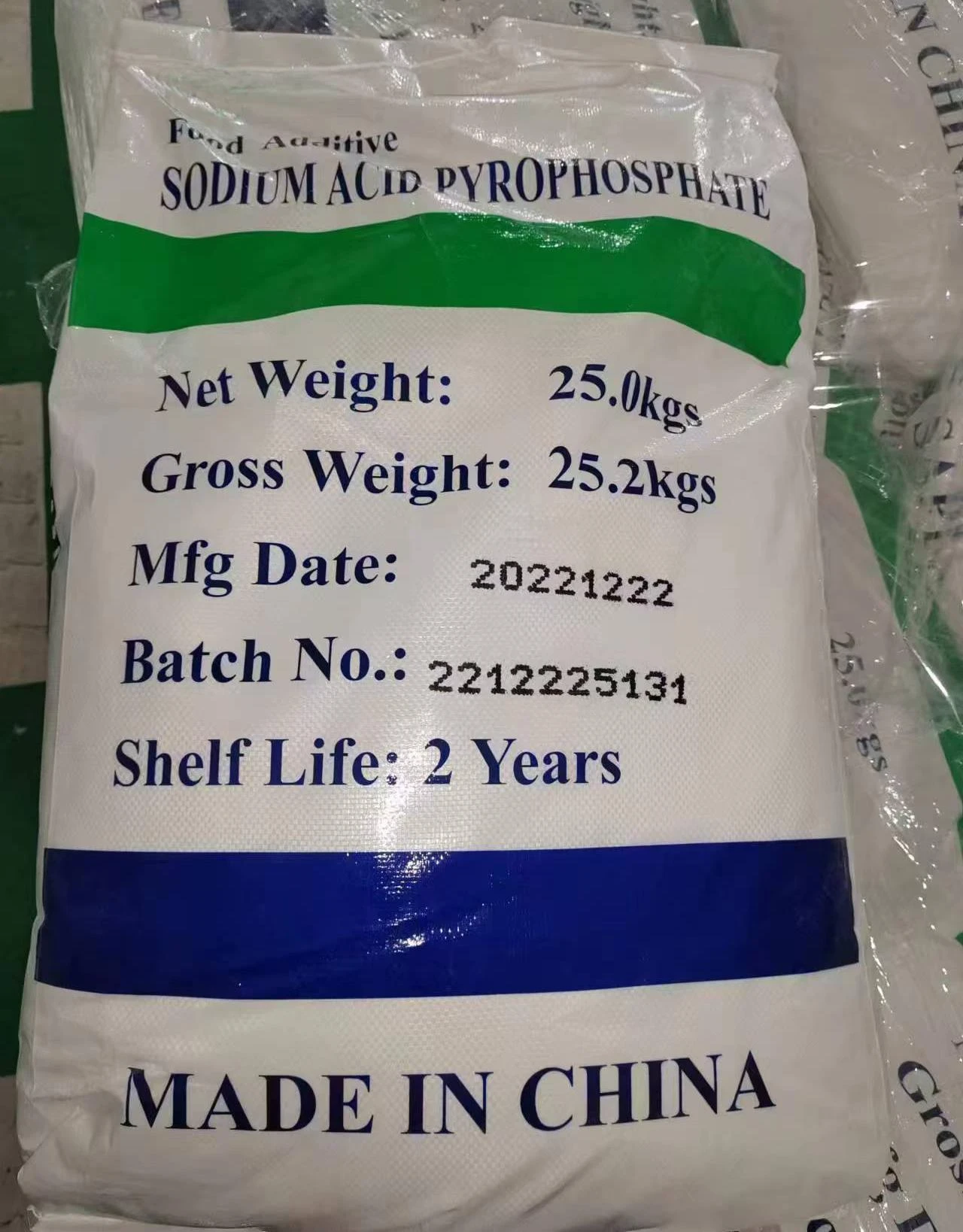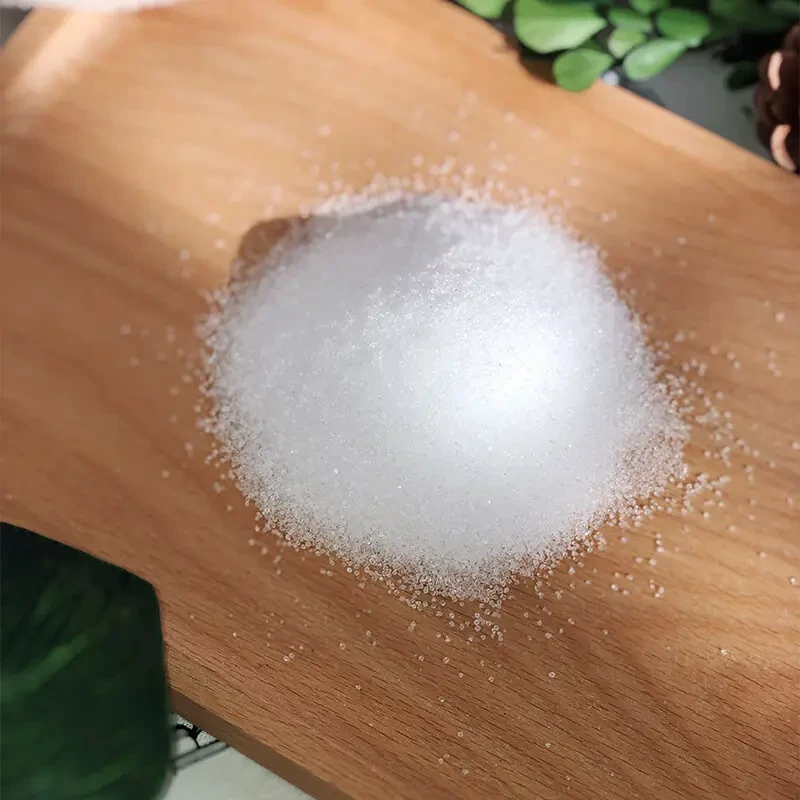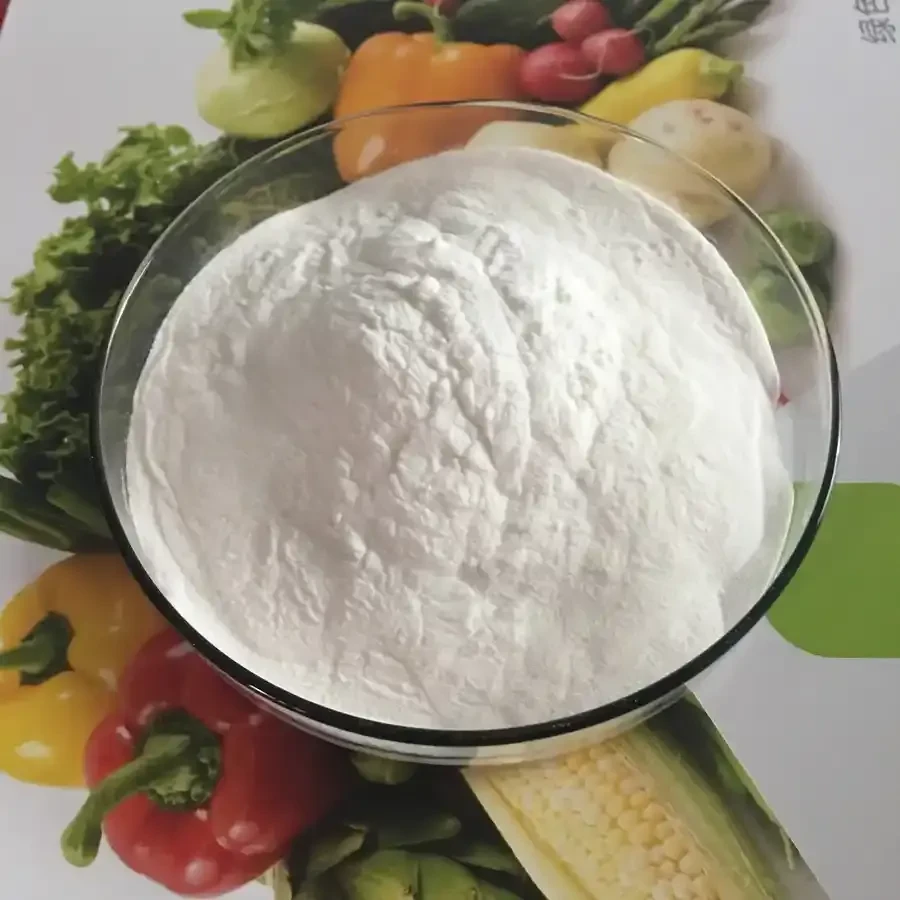
For global procurement officers and feed formulators, the inconsistency of feed additives can create significant supply chain disruptions. A flaw in the dicalcium phosphate manufacturing process often leads to variations in bioavailability, directly affecting animal health and production yields. Identifying a partner who not only supplies but strictly monitors production integrity is the primary challenge in today's market.
At Standard Seasoning, we address this volatility by enforcing a rigorous quality control management system established over a decade of operation. Since 2012, we have moved beyond simple distribution to become a critical checkpoint in the global supply chain. By understanding the intricacies of the dicalcium phosphate manufacturing process, from raw material acidulation to final drying, we ensure that the product reaching your facility meets international safety standards.
Our approach combines technical oversight with logistical agility. Serving clients across 50 countries, we leverage our deep industry knowledge to guarantee product stability while offering flexible ordering with small MOQs. This commitment allows us to mitigate the risks associated with the manufacturing process, delivering high-quality additives with a rapid turnaround of 7-15 days.
The reliability of Dicalcium Phosphate (DCP) is determined by strict adherence to reaction parameters and purification stages. A superior dicalcium phosphate manufacturing process must balance the ratio of calcium to phosphorus while eliminating impurities like heavy metals and fluorine. We benchmark our supply capabilities against stringent technical criteria to ensure that every batch contributes to optimal feed conversion rates.
Below is our technical alignment framework, demonstrating how we screen and validate products based on critical process indicators:
| Performance Metric | Industry Significance | Standard Seasoning Engineering Standard | Advantage |
|---|---|---|---|
| Phosphorus (P) Content | Determines nutritional density and feed formulation cost. | Strict Adherence to ≥18.0% P | Ensures maximum bioavailability and reduces total feed volume requirements. |
| Fluorine Control | High toxicity risks in animal feed applications. | Process-Controlled Low Fluorine (<0.18%) | Guarantees safety compliance in the dicalcium phosphate manufacturing process. |
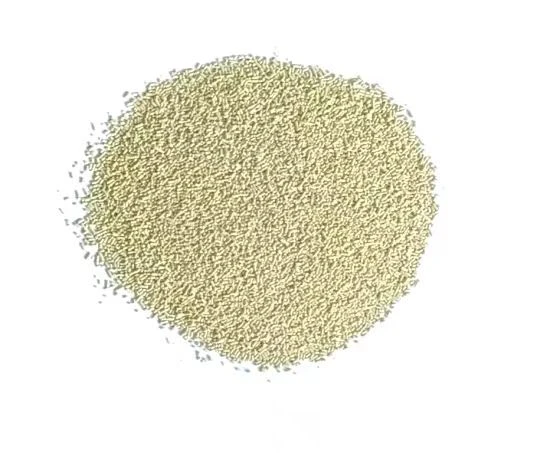
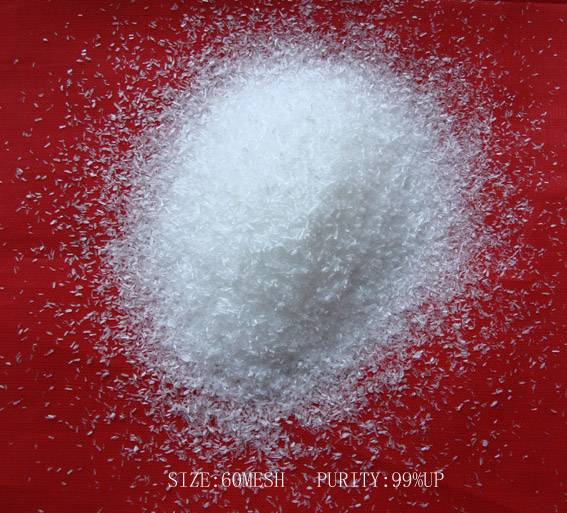
| Particle Size Uniformity | Affects mixing homogeneity and animal intake. | Consistent Mesh Distribution (Powder/Granular) | Prevents segregation in feed mixes, ensuring uniform nutrient delivery. |
| Moisture Content | Impacts shelf life and microbial growth risk. | Optimized Drying Process (<4.0%) | Extended storage stability during global transit (50+ countries). |
Investing in a verified dicalcium phosphate manufacturing process is not merely a compliance measure; it is a strategic financial decision. When the manufacturing process is optimized for purity and absorption, the Return on Investment (ROI) manifests through improved livestock growth rates and reduced medical interventions. Poorly processed DCP often contains indigestible compounds that result in wasted capital and lower feed efficiency.
Standard Seasoning positions itself as a "One-Stop-Shop" that connects high-grade manufacturing protocols with end-user profitability. By stabilizing the supply chain and ensuring the chemical integrity of the DCP, we help clients avoid the hidden costs of substandard additives. The chart below illustrates the comparative advantage in Feed Efficiency (FE) over time when utilizing DCP sourced from a controlled manufacturing environment versus generic market alternatives.
Related products
Top Selling Products
Leave Your Message