In the evolving landscape of nutritional science and food additives, understanding what msg is in a broader context of health-promoting ingredients is essential. While often discussed in the realm of flavor enhancers, the industry's focus has shifted toward functional compounds like Inositol, which serves as a critical B-vitamin analogue for cellular health and metabolic regulation globally.
The global demand for high-purity nutritional supplements has surged as populations increasingly prioritize liver health and lipid management. This shift highlights the importance of precise chemical specifications and the role of additives in treating conditions such as fatty liver and high cholesterol, ensuring that industrial production meets stringent FCC and NF standards.
By exploring the synergy between various additives, we can better understand how msg is distinct from nutritional powerhouses like Inositol, which promotes cell growth in liver and bone marrow. Integrating these components into a balanced diet or industrial formulation requires a deep understanding of molecular weights, purity levels, and physiological actions.
Chemical Profile and Specifications of Inositol
Inositol is a cyclic hexahydric alcohol with a molecular formula of C6H12O6 and a molecular weight of 180.16. It typically appears as a white fine crystal or crystalline powder that is odorless and possesses a sweet taste. Its stability is a key industrial advantage, remaining stable in air, heat, as well as strong acids and alkalis, making it a versatile additive for various food and pharmaceutical formulations.
From a technical standpoint, the meso-inositol isomer is the only one with physiological action, functioning as a type of phospholipid. It is highly soluble in water (61 ml per gram) but difficult to dissolve in ethanol and insoluble in ether or chloroform, which dictates how it is integrated into liquid-based nutritional supplements.
Physiological Role in Growth and Development
Inositol serves as a fundamental substance required for the growth of humans, animals, and microorganisms. Its primary physiological contribution is the promotion of cell growth, with a particularly strong impact on the development of liver and bone marrow cells, which are critical for overall systemic health and immunity.
In the context of developmental biology, it acts as a constituent component of phosphatidylinositol, which is widely distributed across cell membranes. This structural role allows for efficient signal transduction and cellular maintenance, ensuring that tissues grow at an optimal rate during critical life stages.
When compared to other additives, such as when analyzing what msg is in terms of flavor, Inositol provides a structural and biological foundation that supports the physical architecture of the organism rather than just sensory enhancement.
Metabolic Regulation and Lipid Management
One of the most significant benefits of Inositol is its ability to regulate blood lipids. It exhibits a strong affinity for neutral fats, which promotes the metabolism of fats and effectively lowers cholesterol levels in the bloodstream.
By binding to choline, Inositol prevents fatty arteriosclerosis, thereby protecting the cardiovascular and cerebrovascular systems. This mechanism is far removed from the flavor-profile concerns of msg is, focusing instead on the long-term prevention of chronic heart diseases.
Furthermore, Inositol facilitates the transport of liver fat into cells, which significantly reduces the formation of fatty liver. This metabolic efficiency ensures that fats are utilized as energy or excreted rather than accumulating in vital organs.
Liver Protection and Weight Control Mechanisms
Inositol provides a dual benefit of liver protection and weight management. It has been scientifically noted for its protective effect against liver damage caused by carbon tetrachloride, making it a valuable component in treating liver cirrhosis and hepatitis.
In terms of weight loss, Inositol combines with fat and cholesterol to reduce overall fat accumulation in the body. Once bound, these substances are more easily excreted, helping individuals maintain a healthier weight and reducing the strain on the hepatic system.
Efficacy Comparison of Inositol Applications
Industrial Applications and Grade Standards
In the manufacturing sector, Inositol is produced to meet rigorous standards such as FCC Grade and NF12. The specifications ensure an assay of ≥98%, with strict limits on impurities like lead (≤10mg/kg), arsenic (≤3mg/kg), and heavy metals (≤2mg/kg), ensuring safety for human consumption.
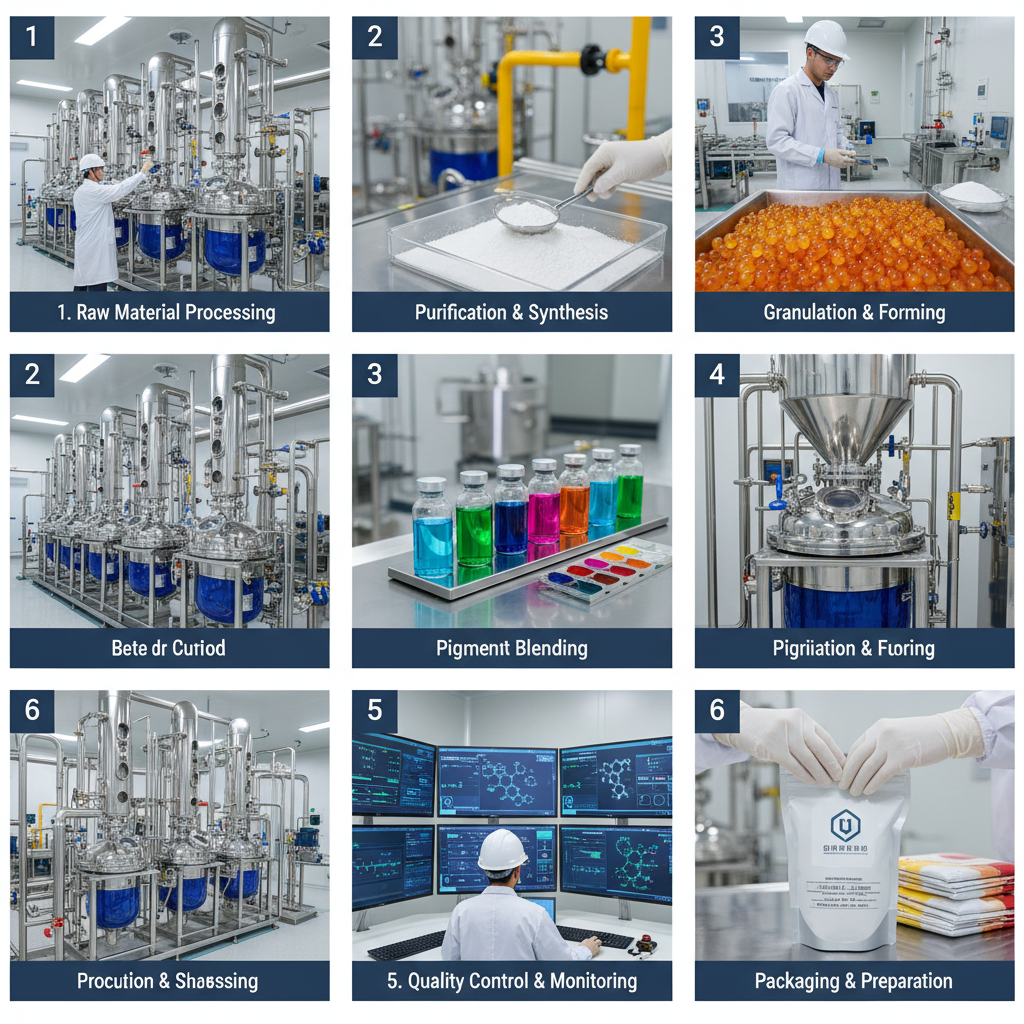
These high-grade powders are utilized as nutritional supplements in a variety of products, including fortified beverages and infant foods. The stability of the product allows for a shelf life that is compatible with global shipping and distribution in 25kg drums.
Synergy with Choline and B-Vitamins
For maximum biological efficacy, Inositol is recommended to be taken in conjunction with choline and other B-vitamins. This synergistic relationship is crucial because both Inositol and choline influence phosphorus levels in the blood, and a balance must be maintained using chelated calcium to avoid imbalances.
Certain lifestyle factors increase the demand for these nutrients. For instance, individuals who consume coffee frequently often experience a higher depletion of Inositol, necessitating targeted supplementation to maintain cellular equilibrium and cognitive function.
Furthermore, the effectiveness of Vitamin E is significantly enhanced when adequate amounts of Inositol and choline are present. This interconnectedness proves that nutritional additives are most effective when formulated as a complex rather than isolated ingredients.
Recommended Usage and Regulatory Guidelines
The general recommended daily intake for humans is between 1-2g. However, industrial application is strictly governed by regional regulations to ensure safety. For example, GB14880-94 regulations specify that infant foods and fortified beverages should contain 210-230mg/kg of the compound.
Similarly, GB2760-2002 guidelines for fruit juice and fruity-type beverages set the permissible limit between 60-120mg/kg. These precise measurements prevent over-supplementation while ensuring the functional benefits of the additive are delivered to the consumer.
When integrating these guidelines into a production line, manufacturers must ensure that the purity of the raw material—such as the Inositol supplied by Shijiazhuang standards—is verified to prevent contamination and ensure compliance with international food safety laws.
Technical Specifications and Regulatory Limits for Inositol
| Regulatory Standard |
Application Type |
Dosage/Limit |
Compliance Level |
| GB14880-94 |
Infant Food |
210-230mg/kg |
Strict |
| GB14880-94 |
Fortified Beverage |
210-230mg/kg |
Strict |
| GB2760-2002 |
Fruit Juice Beverage |
60-120mg/kg |
Moderate |
| FCC Grade |
General Food Use |
Assay ≥98% |
High |
| NF12 Standard |
Pharmaceutical |
Loss on Drying ≤0.5% |
Ultra-High |
| Human Daily Rec. |
Dietary Supplement |
1-2g/day |
Recommended |
FAQS
While msg is primarily used to enhance the umami taste of food, Inositol is a nutritional additive (B-vitamin analogue) focused on physiological health, specifically liver protection, lipid metabolism, and cellular growth.
Inositol helps transport fats out of the liver and into cells, reducing the risk of fatty liver. It also provides protective effects against chemical-induced liver damage (such as carbon tetrachloride) and is used in the treatment of hepatitis and cirrhosis.
Inositol and choline work synergistically to form phospholipids like phosphatidylinositol. Together, they regulate blood lipids and prevent fatty arteriosclerosis more effectively than when used in isolation.
Inositol is stable in air and heat. It is typically packaged in 25kg drums. Because it is a white crystalline powder, it should be kept in a cool, dry place to maintain its purity and prevent clumping.
For general human health, 1-2g per day is recommended. However, in commercial food products, limits are set by regulations (e.g., 210-230mg/kg for infant food) to ensure balanced nutrition.
Yes, Inositol assists weight management by binding with cholesterol and neutral fats, which reduces fat accumulation in the body and promotes the excretion of these substances.
Conclusion
In summary, Inositol stands as a critical functional additive that transcends simple nutrition, offering profound benefits for liver protection, lipid regulation, and overall cellular development. Unlike the sensory role that msg is known for, Inositol provides a systemic biological advantage, ensuring that both humans and animals maintain metabolic equilibrium and cardiovascular health through precise dosing and high-purity standards.
Looking forward, the integration of Inositol into fortified foods and pharmaceutical intermediates will likely expand as the global focus on metabolic syndrome and liver health intensifies. For manufacturers and health professionals, prioritizing FCC and NF grade purity remains the gold standard for ensuring safety and efficacy. To explore high-quality additives and nutritional solutions, visit our website: www.standard-seasoning.com.