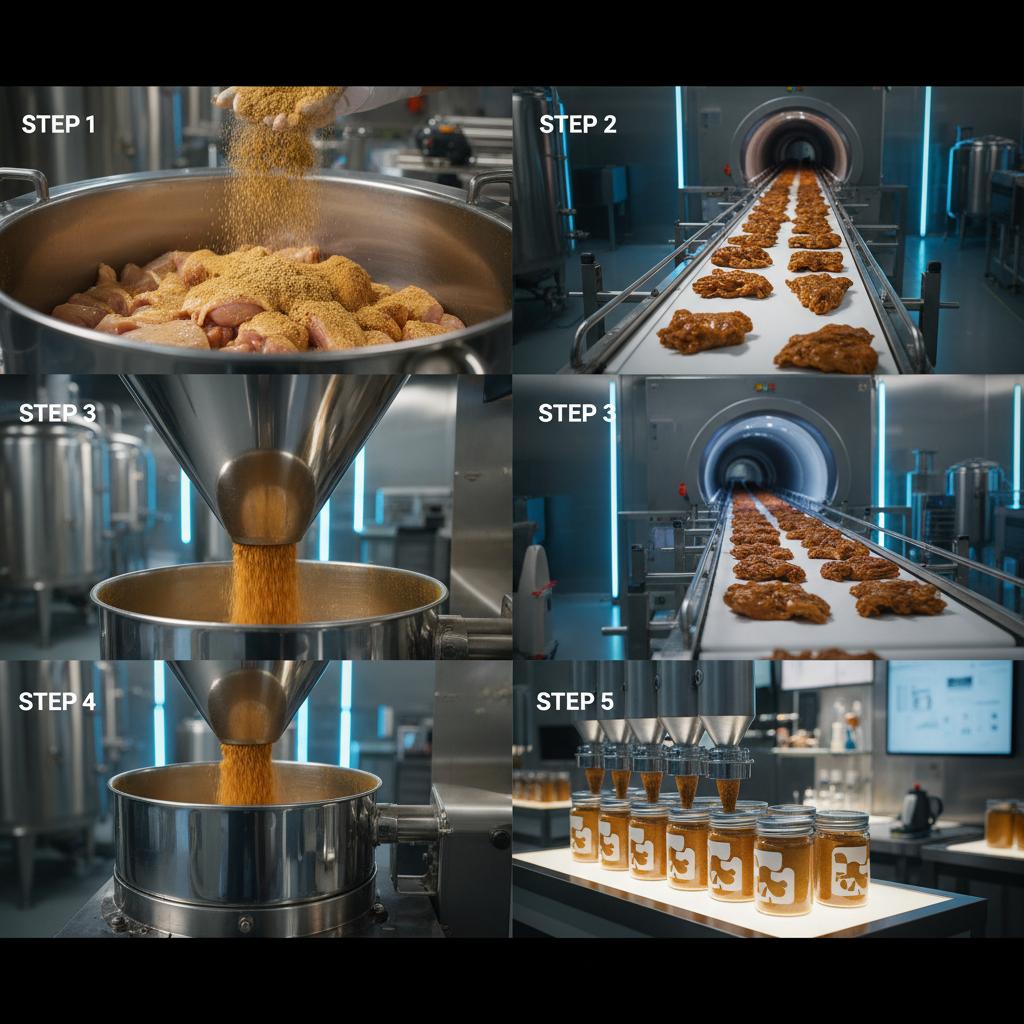
Understanding the msg seasoning meaning is essential for food manufacturers and culinary professionals aiming to enhance the palatability of their products. At its core, this refers to the use of Monosodium Glutamate, a flavor enhancer that triggers the "umami" or savory taste receptors on the human tongue, creating a deeper, more satisfying flavor profile in a wide variety of dishes.
Globally, the demand for high-purity flavor enhancers has grown as the food industry seeks efficient ways to maintain consistency in taste across large-scale production. From the vibrant street foods of Africa to the processed snacks in Asia, the application of this additive ensures that salt levels can be managed while maximizing the savory experience for the consumer.
For those seeking professional-grade ingredients, understanding the msg seasoning meaning involves looking beyond just the taste to the technical specifications, such as mesh size and purity levels, which dictate how the product dissolves and interacts with other food components.
The Technical Composition of MSG Seasoning
From a chemical perspective, the msg seasoning meaning refers to the sodium salt of glutamic acid, specifically Monosodium Glutamate with the molecular formula C5 H8 NO4 Na H2O. This compound has a molecular weight of 187.13 and is typically produced to a purity level of 99%, ensuring that the flavor enhancement is clean and free from unwanted off-tastes.
The physical form is equally important; for instance, a 20 mesh size is highly favored in specific markets, such as Africa, due to its specific dissolution rate and ease of blending. With a pH range of 6.7-7.5 and strict limits on heavy metals (10ppm) and iron (5ppm), it meets rigorous food safety standards for international trade.
Global Market Relevance and Demand
The global relevance of flavor enhancers is rooted in the universal human preference for savory tastes. According to international food standards, the ability to enhance palatability without adding excessive sodium is a key challenge that MSG addresses. In many regions, it is a staple in both commercial food production and domestic kitchens to bring out the natural flavors of ingredients.
The demand is particularly high in emerging markets where cost-effective flavor solutions are needed to improve the quality of processed foods. By using a concentration of only 0.2-0.9% in normally salted foods, manufacturers can achieve a premium taste profile while maintaining low production costs and high efficiency.
Furthermore, the supply chain for these additives is highly specialized. With a production capacity of 500 metric tons per month and distribution through major ports like Qingdao, the industry ensures a steady flow of high-purity 20 mesh crystals to meet the needs of global food distributors and pharmaceutical companies.
The Functional Role of Umami in Food
To truly grasp the msg seasoning meaning, one must understand the concept of "umami," the fifth basic taste. Unlike salt or sugar, which provide direct flavor, MSG acts as a catalyst that enhances the existing savory notes of proteins and vegetables, making the overall eating experience more robust and satisfying.
The application of the msg seasoning meaning extends beyond simple cooking; it is a tool for nutritional optimization. By enhancing flavor, it can help reduce the overall salt content in foods, which is a critical goal for health-conscious food formulation and the reduction of hypertension-related risks globally.
Beyond the food industry, the versatile nature of this compound allows it to be used in pharmaceutical contexts. When combined with sugar, it can improve the palatability of bitter drugs, demonstrating that the msg seasoning meaning is as much about chemistry and functionality as it is about taste.
Efficiency and Purity Standards
Maintaining high purity is non-negotiable in the manufacturing of food additives. A 99% content rate ensures that the additive performs consistently across different batches. Parameters such as transmittance (98%), low chloride (0.1%), and low sulfate (0.05%) are critical benchmarks that distinguish industrial-grade MSG from lower-quality alternatives.
These specifications ensure that the product remains stable during long-distance ocean or land transportation, preventing clumping or degradation. When the purity is maintained, the final food product achieves a consistent taste profile, which is essential for brand loyalty in the competitive food additive market.
MSG Purity and Performance Metrics
Diverse Industrial Applications
The industrial utility of Monosodium Glutamate is broad. In the food industry, it serves as a primary flavor enhancer for soups, sauces, and snacks. Because it is effective at very low concentrations (0.2-0.9%), it provides a high return on investment for large-scale food processors who need to maintain a specific flavor profile across millions of units.
Outside of the culinary world, it is utilized as a laboratory reagent for biochemical research and in the pharmaceutical sector to mask the bitterness of active ingredients. This versatility makes it a critical component not just in "seasoning," but in various chemical and health-related applications.
Logistics and Quality Certification
Reliability in the additive industry is backed by certification. The ISO9001:2000 certification ensures that the manufacturing process for MSG is standardized and subject to rigorous quality control. This certification provides international buyers with the confidence that the product will meet the stated 99% purity and physical specifications upon arrival.
Packaging is another critical factor in maintaining quality. Offering flexible options from 50g small bags to 25kg industrial bags allows the product to serve both retail consumers and large-scale industrial plants. Proper packaging prevents moisture ingress, which is vital for the 20 mesh crystalline structure.
Transportation via ocean and land from the Port of Qingdao enables efficient global distribution. By utilizing standardized HS codes (21039010), the shipping process is streamlined, reducing customs delays and ensuring that the "just-in-time" production needs of food factories are met.
Comparative Analysis of Mesh Sizes
The mesh size of MSG refers to the size of the crystals, which significantly impacts its application. A 20 mesh size is considered a "big mesh," meaning the crystals are larger. This is particularly advantageous in markets like Africa, where the product may be sold in smaller retail quantities or used in specific traditional cooking methods where slower dissolution is preferred.
Smaller mesh sizes dissolve more quickly but may be more prone to clumping in humid environments. The 20 mesh variety offers a balance of stability and usability, making it a favorite for distributors who require a product that remains free-flowing during storage and transport in diverse climates.
Selecting the right mesh size is a strategic decision for food chemists. While a fine powder might be better for an instant soup mix, the 20 mesh crystal is often preferred for bulk seasonings and pharmaceutical blending, where the physical integrity of the grain prevents uneven distribution in the mix.
Comparative Analysis of MSG 20 Mesh Specifications
| Parameter |
Specification Value |
Industrial Importance |
Quality Grade |
| Content/Purity |
99% |
Ensures pure umami taste |
Premium |
| Mesh Size |
20 Mesh |
Optimized for Africa market |
Standard Big Mesh |
| Transmittance |
98% |
Indicates crystal clarity |
High |
| PH Level |
6.7-7.5 |
Chemical stability in food |
Neutral |
| Heavy Metals |
< 10ppm |
Compliance with health laws |
Safe |
| Iron Content |
5ppm |
Prevents discoloration |
Low Trace |
FAQS
In commercial production, it refers to using Monosodium Glutamate (MSG) as a flavor enhancer to provide the "umami" taste. It is used in concentrations of 0.2-0.9% to heighten the savory notes of ingredients, making the food more appetizing while often allowing for a reduction in total sodium chloride (table salt) usage.
The 20 mesh size refers to larger crystals. This size is preferred in markets like Africa because it is more stable in humid conditions, easier to package in small retail bags, and provides a controlled dissolution rate that is suitable for traditional cooking and large-scale blending in local food industries.
Yes, high-purity MSG (99% content) is often used in the pharmaceutical industry. Its primary role is as a palatability agent, typically used alongside sugar to mask the bitter taste of certain medications, making them easier for patients to ingest without compromising the drug's efficacy.
The ISO9001:2000 certification is a primary indicator of quality management. It ensures that the production process follows international standards for consistency, purity, and safety. Additionally, adherence to specific HS codes and purity specifications (like 99% content) ensures the product meets import regulations.
A purity level of 99% ensures a "clean" umami flavor. Low-purity MSG can contain impurities like high levels of chloride or sulfate, which can introduce off-tastes or metallic notes to the food. High transmittance (98%) further indicates a lack of contaminants, ensuring only the desired savory enhancement is achieved.
While MSG is most effective in normally salted foods (0.2-0.9% concentration), it can be used in various applications. However, the savory effect is most pronounced when a small amount of salt is present, as the combination of sodium ions and glutamates creates the most potent umami response.
Conclusion
In summary, the msg seasoning meaning encompasses more than just a simple flavor addition; it is a sophisticated application of food chemistry designed to optimize the sensory experience of eating. By leveraging high-purity 20 mesh Monosodium Glutamate, food manufacturers can ensure consistent taste, improve palatability in pharmaceuticals, and meet the diverse needs of global markets with a product that is safe, certified, and highly efficient.
As the global food industry moves toward more sustainable and health-conscious formulations, the role of high-quality flavor enhancers will only grow. Investing in premium, ISO-certified additives ensures that companies can maintain quality standards while innovating new products. For those seeking a reliable manufacturer of 20 mesh MSG, we invite you to explore our professional solutions. Visit our website: www.standard-seasoning.com