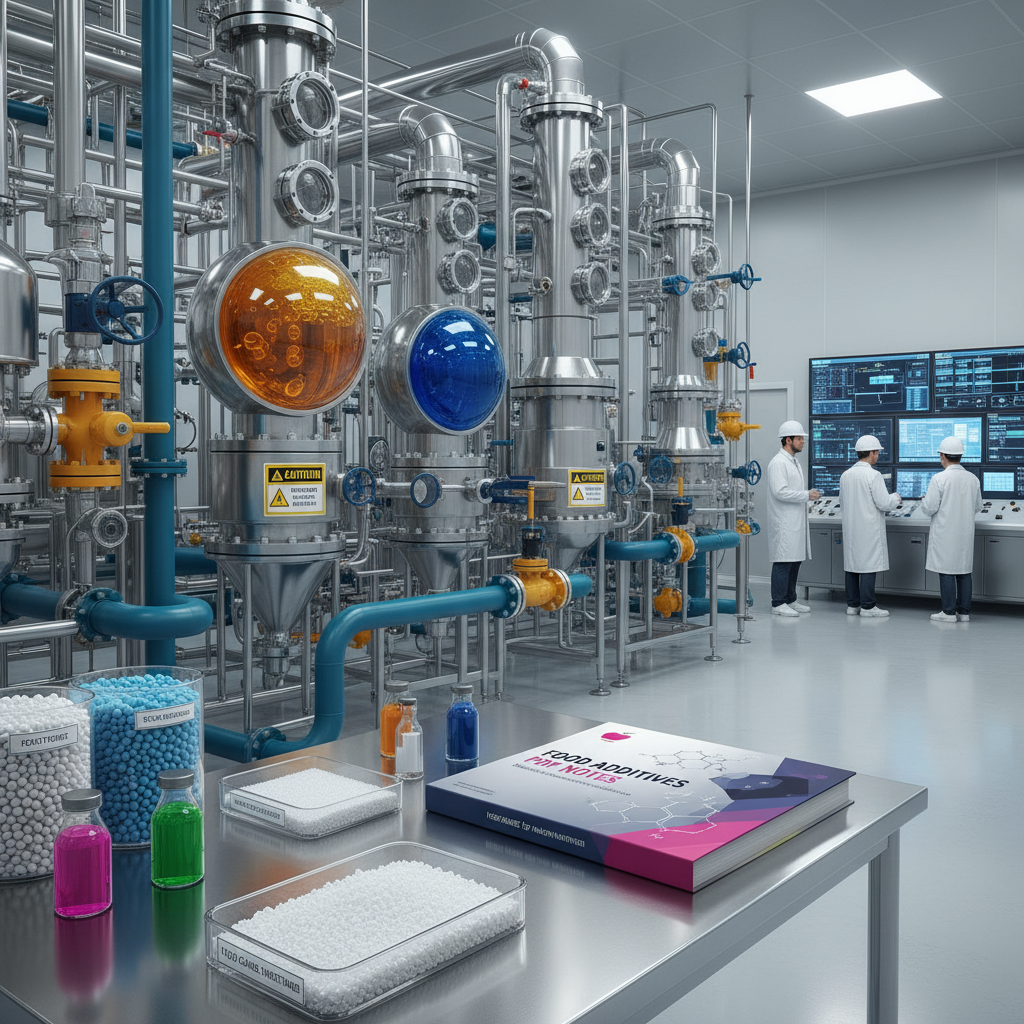
In the complex landscape of food chemistry, understanding exactly what msg stands for in food is essential for manufacturers aiming to balance flavor profiles with consumer health demands. While many focus on flavor enhancers, the industry is shifting toward high-intensity sweeteners like Aspartame to meet the global demand for low-calorie alternatives without sacrificing taste.
The global food additive market is currently undergoing a transformation where precision and purity are paramount. As regulatory bodies like the FDA and ISO tighten standards, the role of chemical additives is being redefined, moving away from simple flavor modification to sophisticated nutritional engineering that supports dietary restrictions.
Whether you are researching what msg stands for in food or seeking a high-performance sweetener, the goal remains the same: achieving the perfect sensory experience. Aspartame, as a low-calorie intensive sweetener, serves as a cornerstone in this pursuit, providing 200 times the sweetness of sucrose.
The Chemistry of Aspartame and Flavor Enhancers
Aspartame is a sophisticated low-calorie sweetener composed of two essential amino acids: L-Aspartic Acid and L-Phenylalanine. Unlike traditional sugars, its molecular structure allows it to stimulate sweetness receptors far more effectively, making it an indispensable tool for food scientists who are often tasked with understanding how various additives, including those where msg stands for in food, interact to create a balanced palate.
Discovered in 1965, Aspartame has evolved from an accidental finding to a globally approved additive. Its ability to provide an intense sweet taste without the caloric load of sucrose makes it a primary choice for the manufacture of dietary products, bridging the gap between nutritional necessity and consumer pleasure.
Purity Standards and Industrial Specifications
For industrial-grade Aspartame, purity is not just a preference but a requirement. A standard assay on a dry basis must fall between 98% and 102%, ensuring that the chemical potency is consistent across every batch. This level of precision is critical for pharmaceutical applications and high-end food manufacturing where minute deviations can alter the final product's taste or stability.
Beyond the assay, specifications such as Specific Rotation (+14.5º to +16.5º) and pH levels (4.5-6.0) are monitored to guarantee structural integrity. Controlling the L-phenylalanine content to ≤0.5% and keeping the residue on ignition below 0.2% prevents off-flavors and ensures that the product meets the strictest international food safety guidelines.
Contamination control is the final pillar of quality. With strict limits on Lead (≤10 mg/kg) and Arsenic (≤3mg/kg), and microbial counts for Molds and Yeasts capped at ≤100cfu/g, manufacturers provide a product that is safe for worldwide consumption, meeting the rigorous demands of the Halal and FDA certifications.
Global Applications in Low-Calorie Production
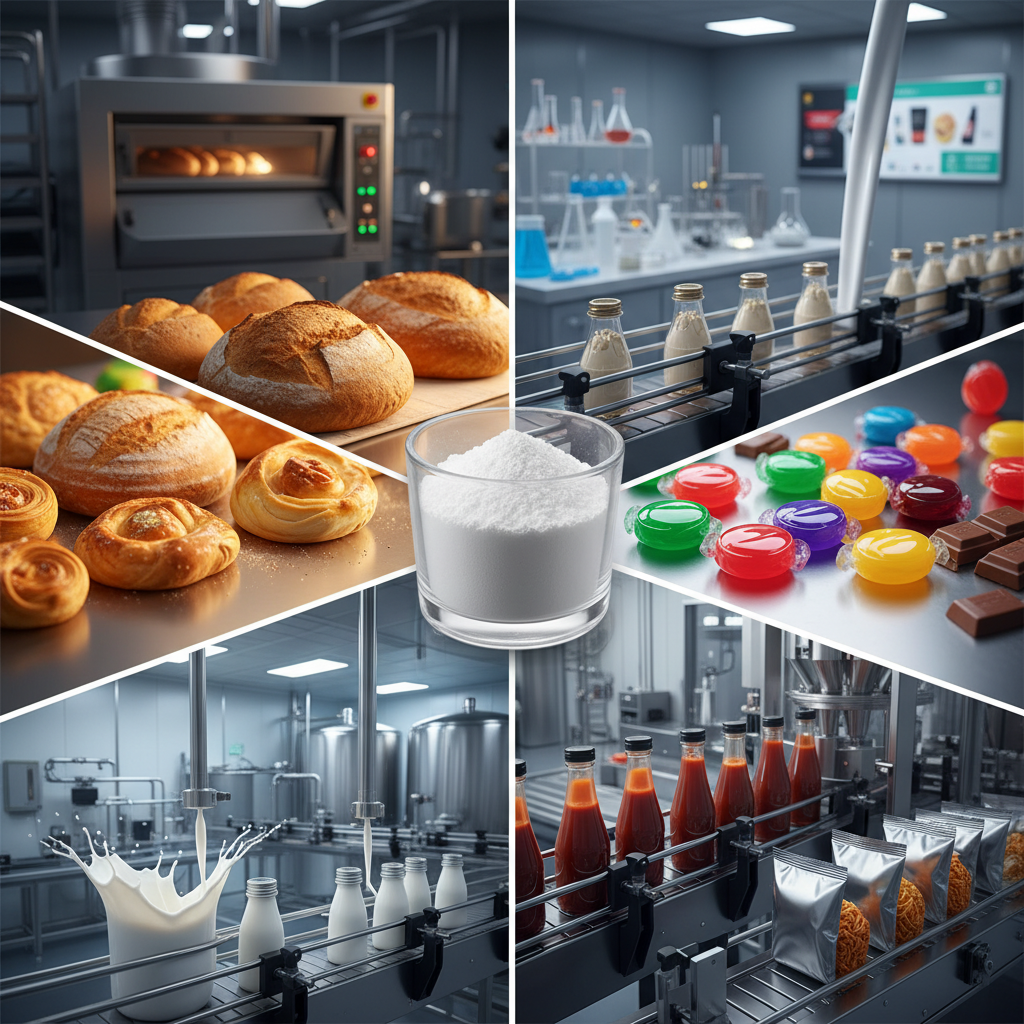
The versatility of Aspartame allows it to penetrate diverse market segments. In the beverage industry, it is used extensively in carbonated soft drinks and fruit syrups to reduce sugar intake while maintaining a familiar taste profile. This often involves a strategic combination of additives, where professionals analyze what msg stands for in food to optimize the savory-sweet balance.
Beyond drinks, the additive is a staple in the confectionery and dairy sectors. From sugar-free chewing gums and boiled sweets to low-calorie yogurts and frozen desserts, Aspartame provides the necessary sweetness without the viscosity or caloric density of traditional sugar, allowing for a leaner, healthier product line.
The pharmaceutical industry also leverages this sweetener for tablets, pastilles, and effervescent mixes. Because it can mask the bitter taste of active pharmaceutical ingredients (APIs) without adding sugar, it is ideal for patients with diabetes or those on restricted diets, further demonstrating the importance of understanding additive functions in a clinical context.
Comparing Sweetness and Efficiency Scales
When evaluating the efficiency of sweeteners, the primary metric is the sweetness intensity relative to sucrose. Aspartame excels in this area, offering a potency 200 times greater than table sugar. This high intensity means that smaller quantities are required to achieve the desired effect, significantly lowering raw material costs and logistics burdens for large-scale producers.
This efficiency is mirrored in the production capacity of leading factories, which can reach 500mt per month. By optimizing the mesh size from 20 to 350, manufacturers can tailor the solubility of the sweetener to suit different application methods, whether it be a rapid-dissolve powder for drinks or a granular form for dry mixes.
Efficiency Ratings for Food Additive Applications
Regulatory Compliance and Safety Certifications
Navigating the regulatory requirements of the food additive industry requires a commitment to transparency and rigorous testing. Certifications such as ISO 9001:2008 provide a framework for quality management, ensuring that every drum of product leaving the factory meets a global standard of excellence.
Furthermore, the FDA and Halal certifications allow for seamless entry into diverse global markets. By maintaining strict adherence to these standards, manufacturers ensure that their sweeteners are not only effective but also safe for consumption across different cultural and legal jurisdictions, minimizing the risk of trade barriers.
Logistics and Supply Chain Optimization
The distribution of high-purity additives requires specialized packaging and transport to prevent contamination and degradation. Utilizing 25kg paper drums ensures a balance between bulk efficiency and ease of handling at the production site, while maintaining the integrity of the powder or granular mesh.
Shipping options via Ocean, Land, and Air allow for flexible delivery schedules, ensuring that manufacturers can maintain "just-in-time" inventory levels. With a primary export hub in Shanghai, the supply chain is optimized for rapid transit to international markets, reducing the lead time for global clients.
A consistent supply ability of 500mt per month provides stability for large-scale beverage and confectionery brands. This reliability is crucial in an industry where production halts due to ingredient shortages can lead to significant financial losses and missed market opportunities.
Future Innovations in Food Additives
The future of the food additive industry is moving toward "clean label" trends and digital transformation. As consumers become more curious about what msg stands for in food and the origins of their sweeteners, the industry is responding with greater traceability and sustainability in the sourcing of amino acids.
Automation in the manufacturing process is allowing for even tighter control over mesh sizes and purity levels. The integration of AI in quality control means that deviations in pH or moisture content can be detected in real-time, ensuring that every batch is perfectly calibrated before it even reaches the packaging stage.
Sustainability is also becoming a core driver. From reducing the carbon footprint of ocean transport to implementing greener synthesis methods for L-phenylalanine, the industry is evolving to meet the ecological expectations of the modern consumer while continuing to provide high-performance taste solutions.
Core Specifications and Quality Metrics of Aspartame
| Metric Dimension |
Standard Value |
Industry Importance |
Compliance Level |
| Assay (Dry Basis) |
98% - 102% |
Potency & Consistency |
High (FDA/ISO) |
| pH Level |
4.5 - 6.0 |
Chemical Stability |
Strict Control |
| Lead Content |
≤10 mg/kg |
Toxicological Safety |
Global Safety Std |
| Loss on Drying |
≤4.5% |
Shelf-life Stability |
Optimized |
| Microbial Count |
≤250cfu/g (Total) |
Hygiene & Safety |
Certified Pure |
| Specific Rotation |
+14.5º to +16.5º |
Molecular Purity |
High Precision |
FAQS
Aspartame is an intensive sweetener that is approximately 200 times sweeter than sucrose (table sugar). Unlike sugar, it provides a negligible amount of calories, making it ideal for diabetic-friendly and low-calorie products. While sugar provides bulk and texture, Aspartame is used in much smaller quantities to achieve the same sweetness level, reducing the overall caloric load of the food or beverage.
Aspartame is approved for use in most countries and is safe for thousands of products. However, it is sensitive to heat; therefore, it is best suited for cold beverages, confectionery, and pharmaceuticals rather than high-heat baking. For high-temperature applications, other heat-stable sweeteners are typically recommended to prevent the breakdown of the amino acid structure.
Purity is ensured through a combination of ISO 9001:2008 quality management and strict lab testing. We monitor the assay on a dry basis (98%-102%), control heavy metal levels like Lead and Arsenic, and maintain microbial limits. Using advanced filtration and crystallization, we provide a product that meets both FDA and Halal standards for international safety.
The most common industries include the Beverage sector (carbonated soft drinks, juices), Confectionery (sugar-free gums and mints), Dairy (low-calorie yogurts), and Pharmaceuticals (sugar-free syrups and tablets). Its versatility across these sectors is due to its high intensity and ability to mask unpleasant tastes without adding calories.
Mesh size refers to the particle size of the powder. We offer ranges from 20 mesh to 350 mesh. A lower mesh number indicates larger particles (granular), while a higher number indicates a finer powder. Finer powders (e.g., 350 mesh) dissolve more quickly in liquids, making them ideal for instant drink mixes, whereas granular types may be preferred for specific tablet formulations.
We use 25kg paper drums which protect the product from external contamination and moisture. Depending on the urgency and destination, we utilize Ocean, Land, or Air transport. By shipping from the Port of Shanghai, we utilize optimized logistics routes to ensure the product reaches the client while maintaining its chemical stability and purity specifications.
Conclusion
In summary, the strategic use of high-purity Aspartame represents a critical intersection of chemistry and consumer health. By maintaining rigorous standards—from a 98%-102% assay to strict FDA and Halal certifications—manufacturers can effectively replace sugar without compromising taste. Whether integrated into a refreshing diet soda or a pharmaceutical tablet, the efficiency and safety of this sweetener provide immense value to the global food additive industry.
Looking forward, the industry must continue to embrace transparency and innovation. As consumers become more informed about additives and seek a deeper understanding of how components like sweeteners and flavor enhancers function, the commitment to quality and sustainable production will be the primary differentiator for success. We invite you to explore our premium additive solutions to elevate your product line. Visit our website: www.standard-seasoning.com