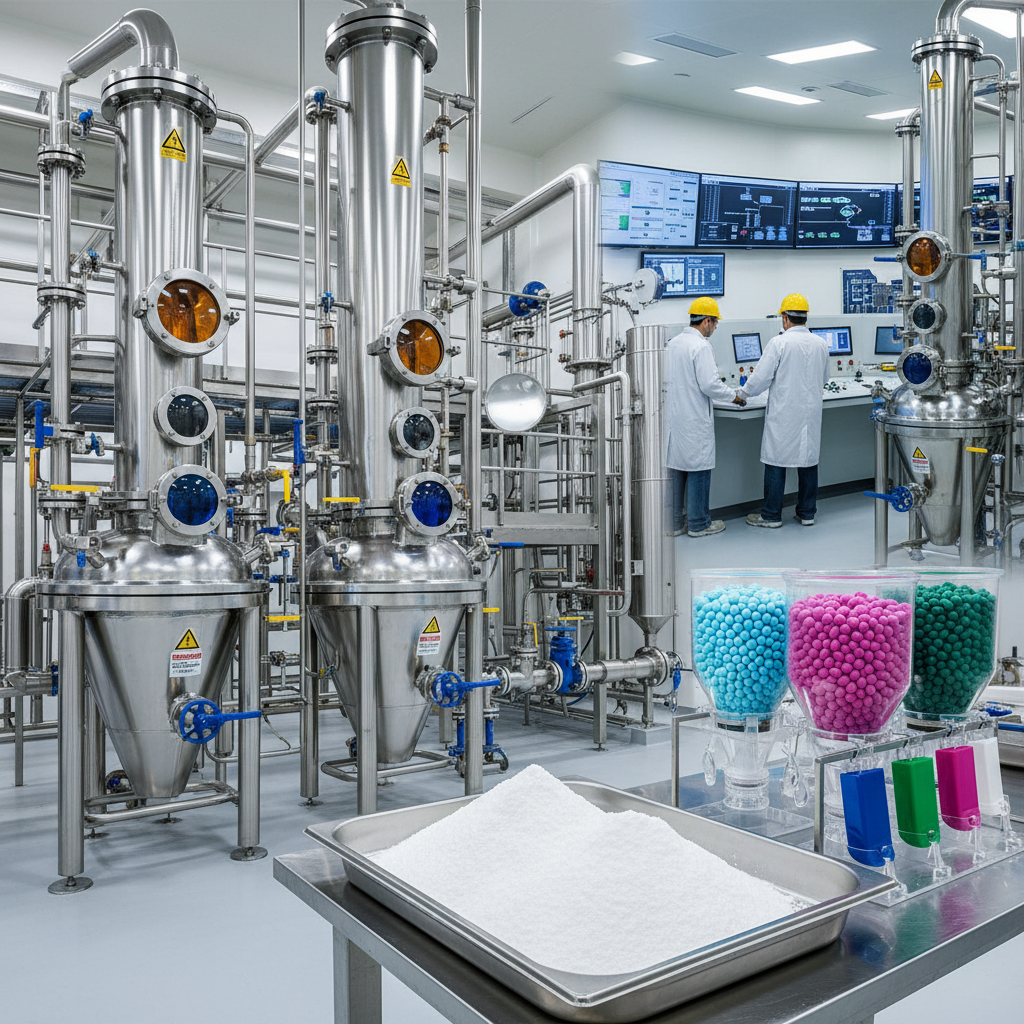
The global food supply chain relies heavily on the strategic use of additives to ensure safety, stability, and taste consistency across different borders. As consumers become more health-conscious, a central question arises in kitchens and laboratories alike: are food additives good or bad for you? Understanding the balance between functional necessity and nutritional impact is key to navigating modern dietary choices.
From a technical perspective, additives like Monosodium Glutamate (MSG) serve specific roles in enhancing palatability and reducing waste by making nutrient-dense but bitter foods more acceptable. The debate over whether these substances are beneficial or harmful often stems from a lack of clarity regarding dosage and purity standards, which are strictly regulated by international food safety bodies.
By examining the chemical specifications and the actual application of these ingredients, we can determine that when used within recommended concentrations—such as 0.2-0.9% for flavour enhancers—the answer to are food additives good or bad for you depends entirely on quality, purity, and the quantity consumed.
The Scientific Role of Food Additives in Modern Nutrition
Food additives are substances added to food to maintain or improve its safety, freshness, taste, texture, or appearance. In the context of the global food crisis, these additives play a critical role in preserving nutrients and extending shelf life, which reduces food waste on a massive scale. When discussing are food additives good or bad for you, it is essential to recognize that many of these substances occur naturally in the foods we eat every day.
For instance, glutamic acid, the base of MSG, is found in tomatoes and aged cheeses. The industrial production of 20 mesh super seasoning ensures a consistent molecular weight of 187.13, providing a reliable tool for food manufacturers to standardize flavor profiles. This precision allows for the creation of affordable, tasty food products that meet the nutritional needs of diverse populations.
Understanding Monosodium Glutamate as a Pure Additive
Monosodium Glutamate, often abbreviated as MSG, is the sodium salt of glutamic acid. Its primary function is to act as a flavor enhancer, triggering the umami taste receptors on the tongue. By utilizing a high-purity product with a content of 99%, manufacturers can achieve the desired savory profile without introducing unnecessary impurities into the food chain.
The physical properties of the additive, such as the 20 mesh size, are specifically designed for optimal solubility and distribution in food processing. This "big mesh" format is particularly favored in the Africa market, where it is used in a wide variety of traditional and modern culinary applications to enhance the depth of flavor in stews and seasonings.
Beyond food, this additive is used in pharmaceutical contexts, often combined with sugar to improve the palatability of bitter drugs. This versatility demonstrates that the utility of these compounds extends far beyond simple taste, addressing humanitarian needs by making essential medications easier for patients to ingest.
Evaluating Purity Standards and Safety Specifications
Safety in the food industry is defined by rigorous specifications. When consumers ask are food additives good or bad for you, the answer lies in the laboratory data. For a high-quality Monosodium Glutamate, this includes a transmittance of 98% and strictly controlled levels of chloride (0.1%) and sulfate (0.05%).
Contamination is the primary risk factor in additive production. Therefore, maintaining heavy metals at 10ppm and iron at 5ppm is non-negotiable for a reputable manufacturer. By adhering to these strict parameters, the industry ensures that the additives provide the functional benefits of flavor enhancement without introducing harmful elements into the human diet.
The pH range of 6.7-7.5 for MSG ensures that it remains stable and does not negatively alter the acidity of the food products it is added to. This chemical stability is a cornerstone of food safety, proving that when quality is guaranteed, the question of whether are food additives good or bad for you is resolved through scientific evidence and standardization.
Impact of Concentration on Palatability and Health
The effectiveness of a food additive is determined by its concentration. For Monosodium Glutamate, the ideal concentration in normally salted food is between 0.2% and 0.9%. At these levels, the additive enhances the natural flavors of the ingredients, making the food more satisfying and reducing the need for excessive salt intake, which is a significant contributor to hypertension.
Overuse of any additive can lead to an unbalanced sensory experience, but within the prescribed limits, these substances are safe and efficient. The goal of modern food science is to optimize this ratio, ensuring that the product remains palatable while adhering to the health guidelines set by global food safety authorities.
Comparative Performance of Additive Concentrations
Global Market Applications and Regional Preferences
Different regions have varying preferences for food additives based on local culinary traditions. In the Africa market, for example, there is a high demand for 20 mesh Monosodium Glutamate due to its specific solubility and the way it blends with regional spices and grains. This preference highlights the importance of manufacturing flexibility—offering products in 25kg bulk bags for industrial use or 455g bags for retail.
In other parts of the world, pharmaceutical intermediates and food additives are increasingly integrated to solve complex challenges, such as improving the taste of fortified nutrient pastes used in disaster relief. By providing high-purity MSG, manufacturers enable NGOs and food companies to deliver life-saving nutrition that is actually palatable to the recipient, increasing the success rate of humanitarian feeding programs.
Long-Term Value of Standardized Food Seasonings
The long-term value of utilizing standardized additives lies in reliability and cost-efficiency. When a factory operates as a direct origin source, it eliminates unnecessary middlemen, ensuring that the end consumer receives a product that is both affordable and quality-guaranteed. This transparency is crucial when addressing the consumer's concern about whether are food additives good or bad for you.
Standardization also fosters trust between the manufacturer and the food processor. Knowing that every batch of MSG will have a molecular formula of C5 H8 NO4 Na H2O and a content of 99% allows for precise recipe scaling and consistent product quality across millions of units. This industrial stability is what allows global food brands to maintain the same taste regardless of where the product is manufactured.
Ultimately, the social impact of affordable flavor enhancers is significant. They allow lower-income populations to enjoy savory, satisfying meals using cheaper protein sources or vegetables, effectively improving the quality of life and dietary satisfaction without requiring expensive ingredients.
Future Trends in Food Additive Manufacturing
The future of food additives is moving toward "Green Chemistry" and digital transformation. Automation in the production of Monosodium Salt is reducing human error and further lowering the levels of heavy metals and impurities. This shift toward precision manufacturing ensures that additives are safer and more sustainable, directly addressing health concerns.
Sustainability in packaging is another key trend. Moving from traditional plastics to biodegradable materials for 455g retail bags is becoming a priority for manufacturers looking to reduce their environmental footprint. As the industry evolves, the focus is shifting from merely providing a functional ingredient to providing an eco-friendly solution.
Furthermore, the integration of AI in the supply chain allows for better demand forecasting in markets like Africa, reducing waste and ensuring that fresh, high-purity additives reach the market more efficiently. This systemic optimization ensures that the answer to the question "are food additives good or bad for you" continues to lean toward "good" as purity and accessibility improve.
Technical Specification Analysis of Pure Monosodium Glutamate
| Parameter Dimension |
Technical Specification |
Safety Impact |
Industry Grade |
| Purity Content |
99% |
High; minimizes impurities |
Premium Food Grade |
| Mesh Size |
20 Mesh |
Optimal solubility |
Super Seasoning |
| Heavy Metals |
< 10ppm |
Safe; meets ISO standards |
Pharmaceutical Grade |
| Transmittance |
98% |
Clear purity verification |
Laboratory Reagent |
| pH Value |
6.7 - 7.5 |
Neutral; stable in food |
Standard Food Additive |
| Molecular Weight |
187.13 |
Consistent chemical reaction |
Analytical Grade |
FAQS
Yes, when used in regulated amounts. High-purity Monosodium Glutamate (99%) is recognized as safe by major health organizations. The key is the concentration; using it between 0.2-0.9% in foods ensures the flavor is enhanced without causing adverse effects for the vast majority of the population.
Mesh size refers to the particle size of the crystal. 20 mesh is considered a "big mesh," which is highly favored in specific markets, such as Africa, because it offers a distinct texture and specific solubility rates that work better with local food preparation methods compared to fine powders.
Absolutely. Monosodium Glutamate is often used in pharmaceutical applications, specifically combined with sugar. This helps to mask the bitter taste of certain drugs, making it significantly easier for patients, especially children, to adhere to their medication schedules.
Quality is determined by technical specifications. Look for a purity content of 99%, a high transmittance (e.g., 98%), and low levels of heavy metals (under 10ppm) and iron (under 5ppm). These metrics ensure the product is free from contaminants and safe for consumption.
No. While both are sodium salts, MSG (Monosodium Glutamate) provides the "umami" or savory taste, whereas table salt (Sodium Chloride) provides the "salty" taste. Using MSG can actually help reduce the total amount of sodium chloride needed in a recipe while maintaining a rich flavor profile.
Depending on the need, MSG is typically available in 25kg bags for large-scale industrial food production and smaller 455g bags for retail or small-business use. This ensures flexibility for both factory-level manufacturing and consumer-level distribution.
Conclusion
In summary, the debate over whether are food additives good or bad for you is resolved by focusing on three pillars: purity, concentration, and standardization. High-purity Monosodium Glutamate, with its strict 99% content and controlled impurity levels, serves as a vital tool in the global food industry. By enhancing palatability and ensuring consistency, these additives support food security and improve the accessibility of tasty, nutrient-dense foods across different socio-economic landscapes.
Looking forward, the industry must continue to embrace transparency and sustainable manufacturing to further build consumer trust. As we refine the production of additives and optimize their use in the kitchen and the lab, we can ensure a future where food is not only safe and sustainable but also deeply satisfying. For those seeking high-quality, factory-direct food additives, we invite you to explore our professional solutions. Visit our website: www.standard-seasoning.com