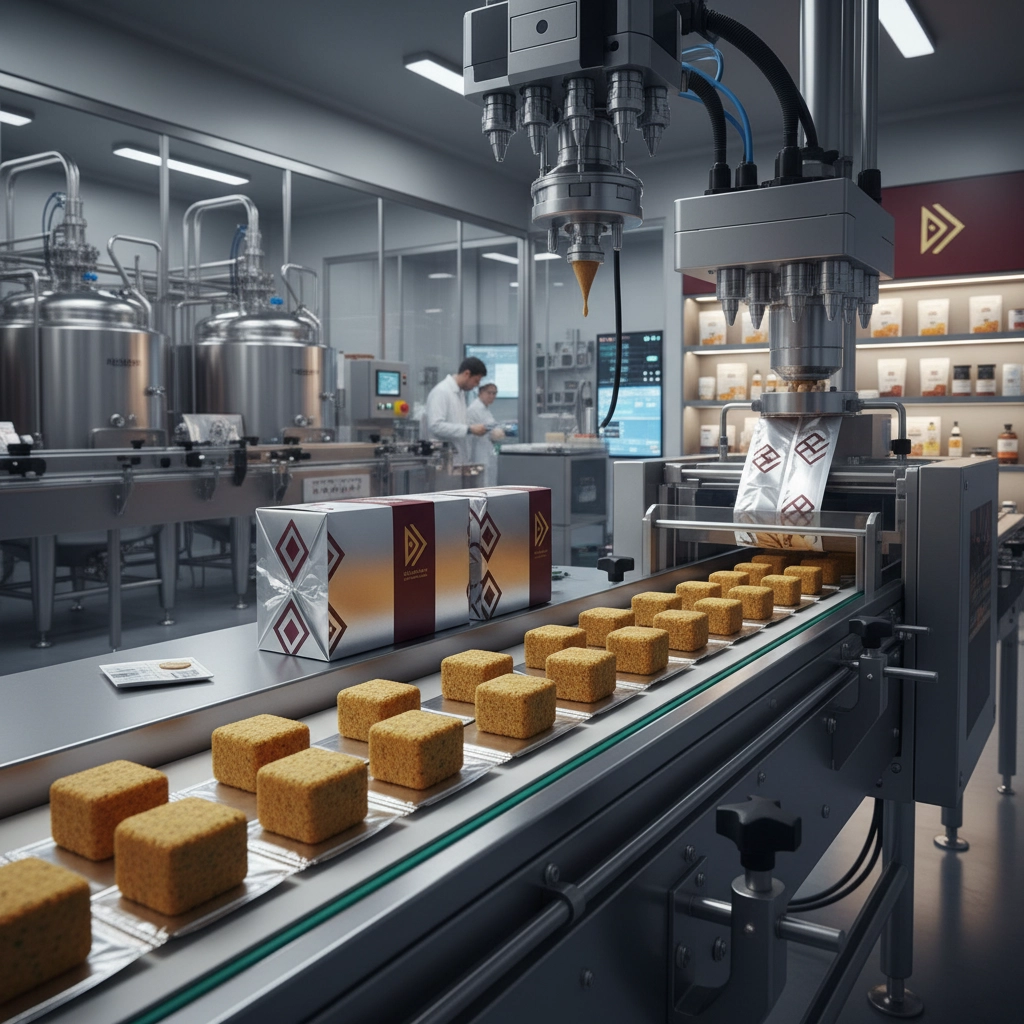
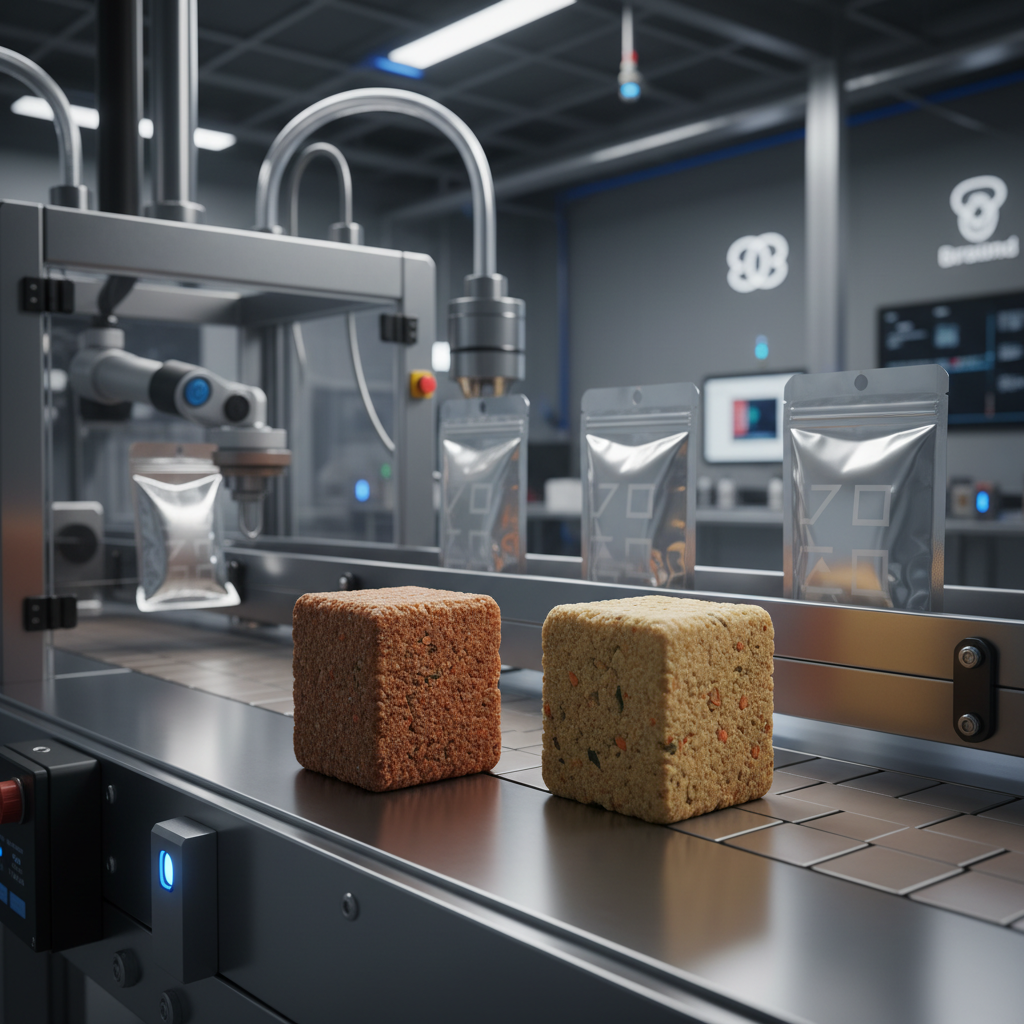
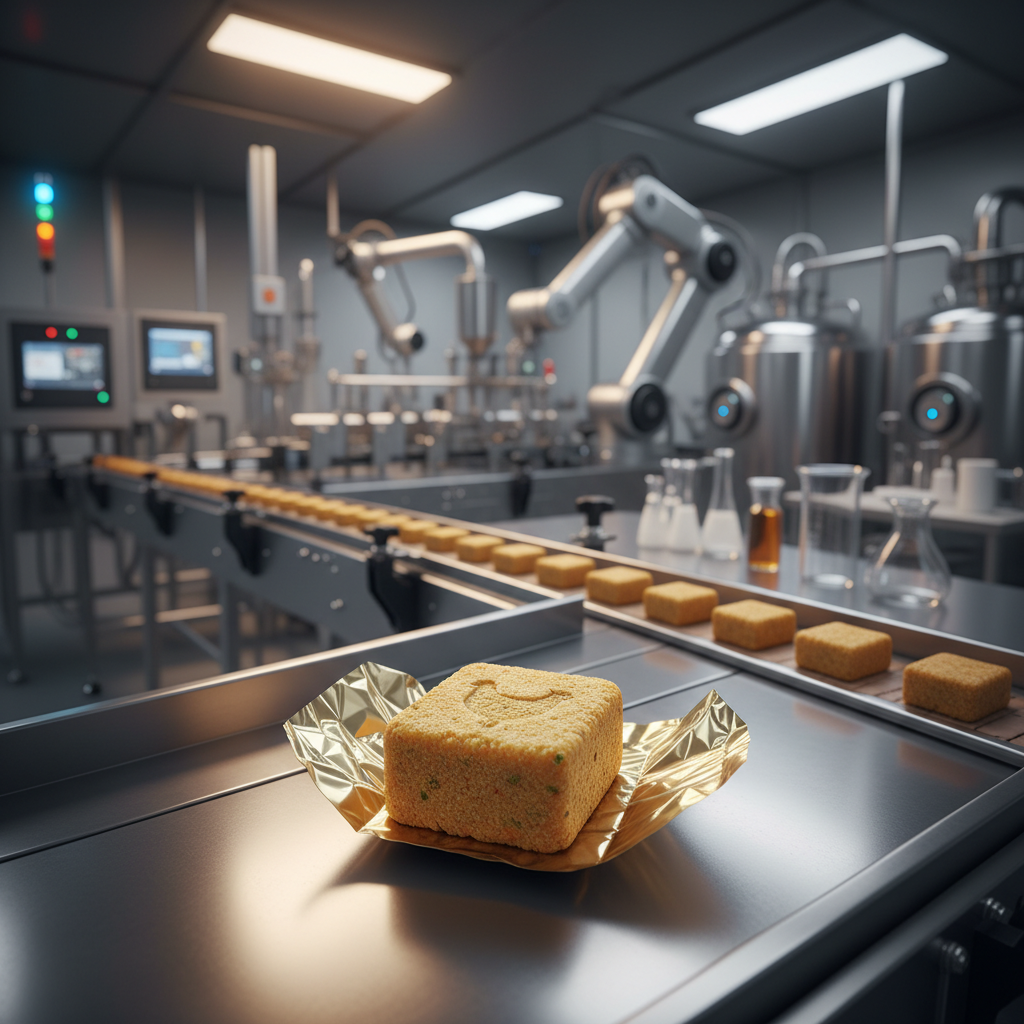
When exploring the culinary and industrial side of seasoning, one of the most common questions for home cooks and professional food processors alike is how much is a cube of bouillon in terms of flavor concentration and liquid yield. Understanding this measurement is critical because bouillon cubes are essentially dehydrated concentrates of stocks, salts, and flavor enhancers designed for efficiency and long-term storage.
Globally, the reliance on concentrated flavor cubes has grown as the demand for fast-paced meal preparation and consistent taste profiles increases. From a manufacturing perspective, determining how much is a cube of bouillon involves a precise balance of food additives, binders, and salt to ensure that a small physical volume can flavor a significant amount of water without compromising quality.
Whether you are managing a large-scale food production line or preparing a family dinner, knowing the exact ratio of a bouillon cube to water ensures consistency. This guide delves into the technical and practical aspects of bouillon measurements, exploring the chemistry of flavor concentration and how industrial standards define the potency of these convenient kitchen staples.
Global Industrial Standards for Bouillon Concentration
In the global food additives market, the standard for how much is a cube of bouillon is typically defined by its ability to reconstitute into 500ml to 1 liter of stock. International food safety standards and ISO guidelines ensure that the salinity and nutrient density remain consistent across different brands, allowing for predictable results in industrial food processing.
The shift toward concentrated formats is driven by the need to reduce logistics costs and carbon footprints. By removing water—the heaviest component of stock—manufacturers can ship flavor precursors globally with minimal waste, ensuring that the essence of the bouillon remains stable across diverse climates.
Defining the Composition of a Bouillon Cube
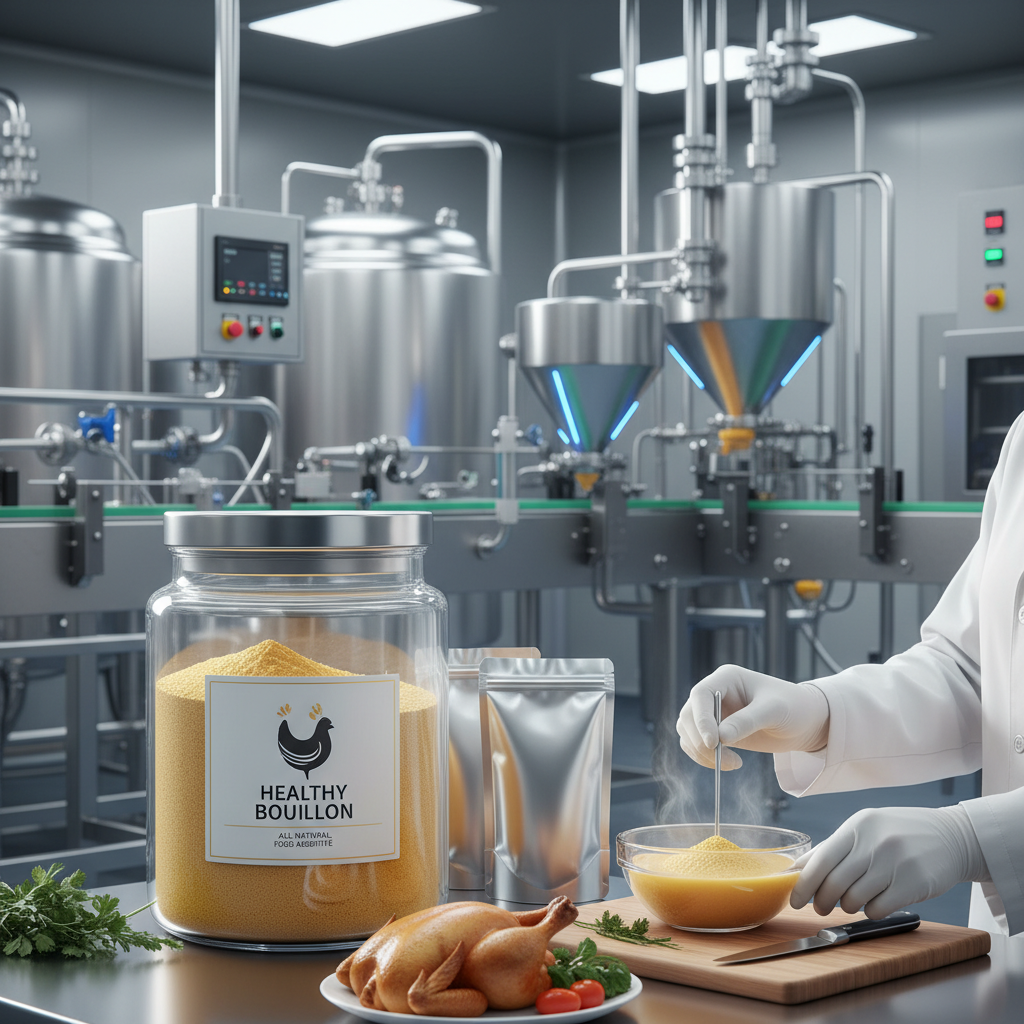
To understand how much is a cube of bouillon, one must look at its physical and chemical makeup. A typical cube is a compressed blend of salt, monosodium glutamate (MSG), dehydrated vegetable or meat extracts, and binders like palm oil or cornstarch. These ingredients are calibrated to provide a high-impact flavor profile in a very small surface area.
From a technical standpoint, the "amount" of a cube isn't just its weight (usually 10-12 grams) but its "flavor yield." This yield is determined by the ratio of active seasoning agents to inert fillers. Higher quality cubes utilize a greater percentage of natural extracts, meaning a smaller cube can flavor a larger volume of water.
In modern humanitarian aid and emergency food kits, these concentrates are invaluable. Because they provide essential sodium and intense flavor with negligible weight, they help in stimulating appetite and providing necessary electrolytes in disaster-stricken regions where fresh ingredients are unavailable.
Key Factors Affecting Flavor Potency
The perceived strength of how much is a cube of bouillon depends heavily on the salt concentration. Salt acts as both a preservative and a flavor amplifier; however, industrial manufacturers must balance this to avoid over-salting the final dish while maintaining a shelf life of 12 to 24 months.
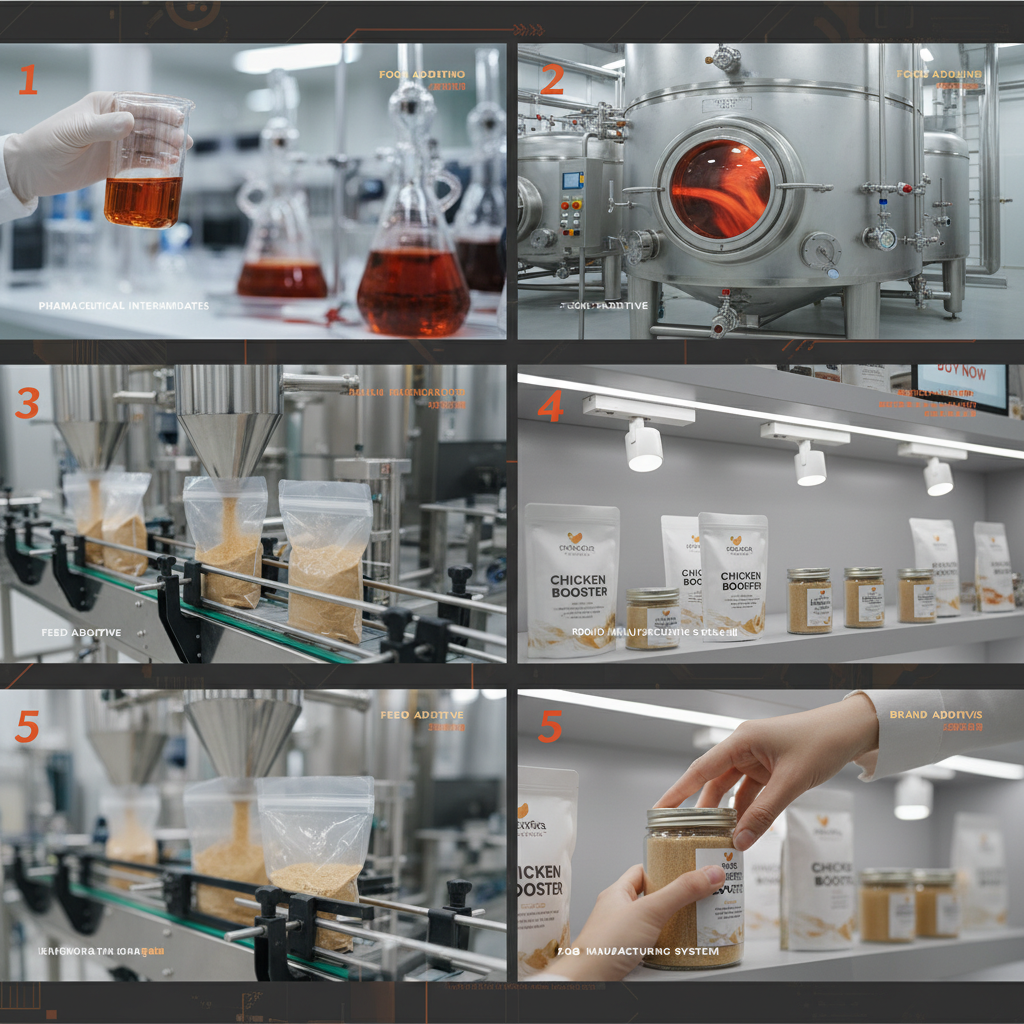
Another critical factor is the use of Food Additives and Pharmaceutical Intermediates in the synthesis of aroma compounds. By utilizing advanced encapsulation technology, manufacturers can ensure that the volatile flavor molecules are only released upon contact with hot water, maximizing the sensory impact of each cube.
Finally, the compression pressure used during the molding process affects the dissolution rate. A cube that is too densely packed may not dissolve fully, leading to an uneven distribution of flavor, which changes the practical answer to how much is a cube of bouillon during actual cooking.
Cost Efficiency and Scalability in Production
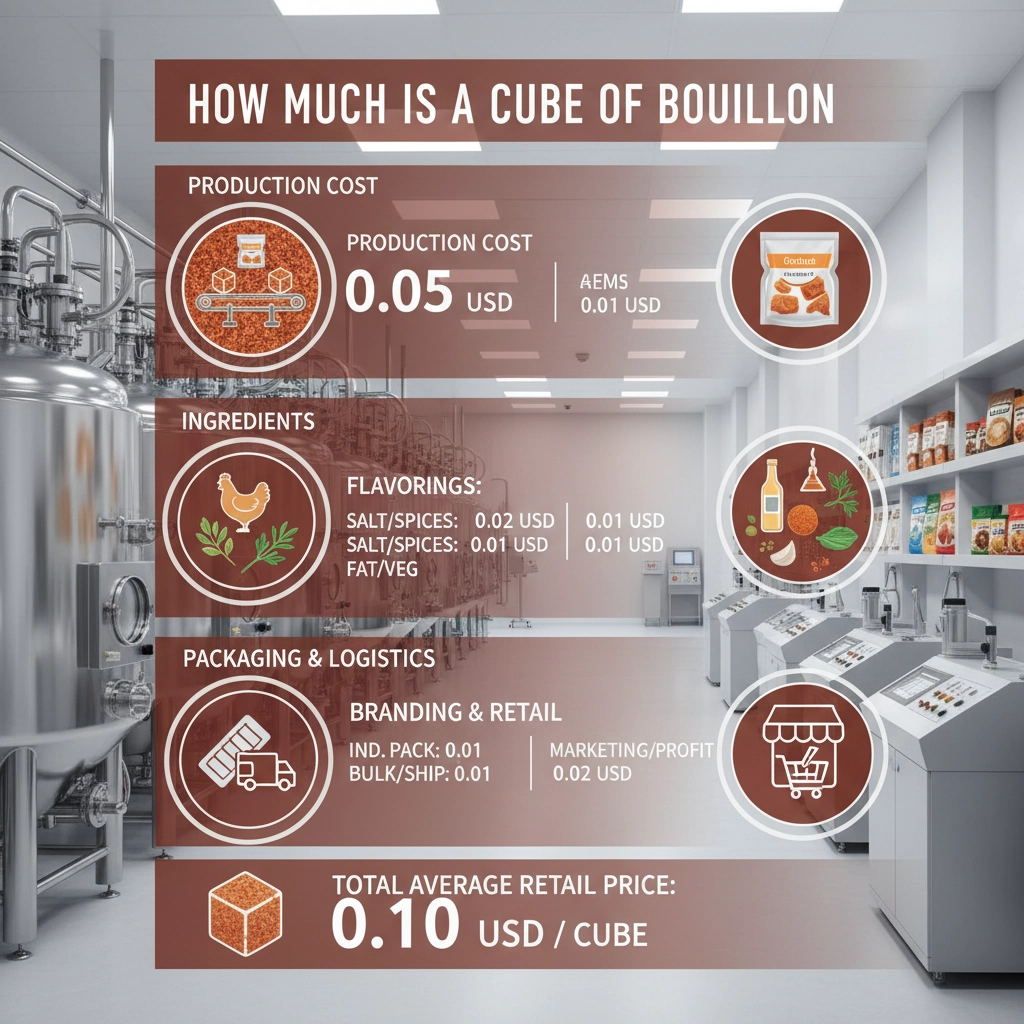
When analyzing how much is a cube of bouillon from a financial perspective, the economy of scale is paramount. For food manufacturers, the transition from liquid stocks to dehydrated cubes reduces warehousing costs by up to 80% and eliminates the need for expensive refrigeration during transport.
This scalability allows brands to enter emerging markets where cold-chain logistics are underdeveloped. By providing a low-cost, high-impact seasoning solution, companies can maintain consistent profit margins while offering a product that is accessible to low-income consumers globally.
Efficiency Analysis of Bouillon Formats
Global Applications and Use Cases
The application of bouillon cubes extends far beyond the home kitchen. In the industrial food sector, the question of how much is a cube of bouillon is translated into "parts per million" (ppm) of flavor additives. These are used in the mass production of instant noodles, canned soups, and frozen ready-meals to ensure flavor uniformity across millions of units.
In remote industrial zones, such as mining camps or offshore oil rigs, concentrated bouillon is a staple. Its long shelf life and ease of use make it the primary method for adding depth to bland, bulk-prepared meals, providing psychological comfort through familiar tastes in harsh environments.
Long-Term Value and Stability Benefits
The long-term value of understanding how much is a cube of bouillon lies in waste reduction. By replacing fresh stocks—which spoil within days—with stable cubes, the global food industry significantly reduces organic waste. This stability is achieved through controlled water activity (aw), preventing microbial growth without needing heavy preservatives.
Moreover, the reliability of bouillon cubes provides a "safety net" for culinary consistency. Professional chefs often use these as a baseline seasoning to ensure that regardless of the variation in fresh ingredients, the core flavor profile of a dish remains constant.
From a socio-economic perspective, the affordability of bouillon cubes democratizes taste. It allows individuals in food-insecure regions to enhance the nutritional and sensory quality of simple staples like rice or porridge, adding a layer of dignity to basic sustenance.
Future Trends in Flavor Concentration Technology
As we move toward a more sustainable future, the answer to how much is a cube of bouillon is evolving. We are seeing a shift toward "Clean Label" concentrations, where synthetic MSG is replaced by yeast extracts and mushroom-based umami boosters, maintaining high potency without artificial additives.
Digital transformation is also impacting production. Automation and AI-driven formulation are allowing manufacturers to create "micro-targeted" bouillon cubes tailored to specific regional palates, optimizing the concentration of spices to match local preferences while maintaining industrial efficiency.
The next frontier is the integration of green energy in the spray-drying and compression processes. By reducing the carbon footprint of the dehydration phase, the production of bouillon cubes will align with global ESG (Environmental, Social, and Governance) goals, making flavor concentrates not only convenient but eco-friendly.
Comparative Analysis of Bouillon Concentration Technologies
|
Technology Type
|
Flavor Retention
|
Dissolution Speed
|
Shelf Stability
|
| Traditional Compression |
Moderate |
Medium |
High |
| Freeze-Drying Tech |
Very High |
Fast |
Medium |
| Spray-Drying Method |
High |
Very Fast |
Very High |
| Encapsulated Aromas |
Extreme |
Controlled |
High |
| Organic Cold-Press |
High |
Slow |
Low |
| Hybrid Bio-Synthesis |
High |
Fast |
High |
FAQS
Generally, one standard bouillon cube is designed to be dissolved in 500ml (about 2 cups) of boiling water. However, depending on the brand and the intended use (e.g., as a base for a stew vs. a light soup), this can range from 250ml for a concentrated flavor to 1 liter for a milder broth. Always check the manufacturer's packaging for the precise ratio.
Yes, you can scale the amount of bouillon linearly. If one cube flavors 500ml, then four cubes will flavor 2 liters. However, be cautious with the salt content, as bouillon cubes are high in sodium. If you are reducing the liquid (simmering), you may want to use slightly less than the recommended amount to prevent the final dish from becoming too salty.
Dissolution speed depends on the binder used and the compression pressure during manufacturing. Cubes with higher fat content (like palm oil) or denser compression may take longer to break down. Using boiling water and stirring consistently helps accelerate the process by breaking the physical bonds of the compressed powder.
Bouillon cubes are designed for convenience and flavor efficiency rather than complete nutritional replacement. While they provide the essential taste profiles of stock, they often contain higher levels of sodium and additives. For those seeking health-conscious options, look for "low-sodium" or "organic" versions that use natural yeast extracts instead of MSG.
To maintain the integrity of the flavor concentrates, store bouillon cubes in a cool, dry place away from direct sunlight. Moisture is the biggest enemy, as it can cause the cubes to clump or degrade the volatile aroma compounds. An airtight container is recommended if the original foil packaging has been opened.
Absolutely. Because of their high concentration of salt and savory extracts, crumbled bouillon cubes make an excellent dry rub for roasting or grilling. This bypasses the need for water entirely, applying the "concentrated yield" directly to the surface of the food for an intense umami crust.
Conclusion
Determining how much is a cube of bouillon involves understanding the intersection of culinary art and industrial science. From its role in reducing global logistics costs to its ability to provide consistent flavor in the most remote corners of the world, the bouillon cube is a masterpiece of food additive engineering. By balancing salt, binders, and flavor extracts, manufacturers have created a tool that offers immense value in terms of stability, cost, and scalability.
Looking forward, the industry is moving toward cleaner labels and more sustainable production methods, ensuring that the convenience of concentrated seasonings does not come at an environmental cost. Whether you are a professional in the food manufacturing sector or a home cook, embracing these innovations will allow for better taste control and greater resource efficiency in the kitchen. For high-quality seasoning solutions and industrial additives, visit our website: www.chinaseasoning.com