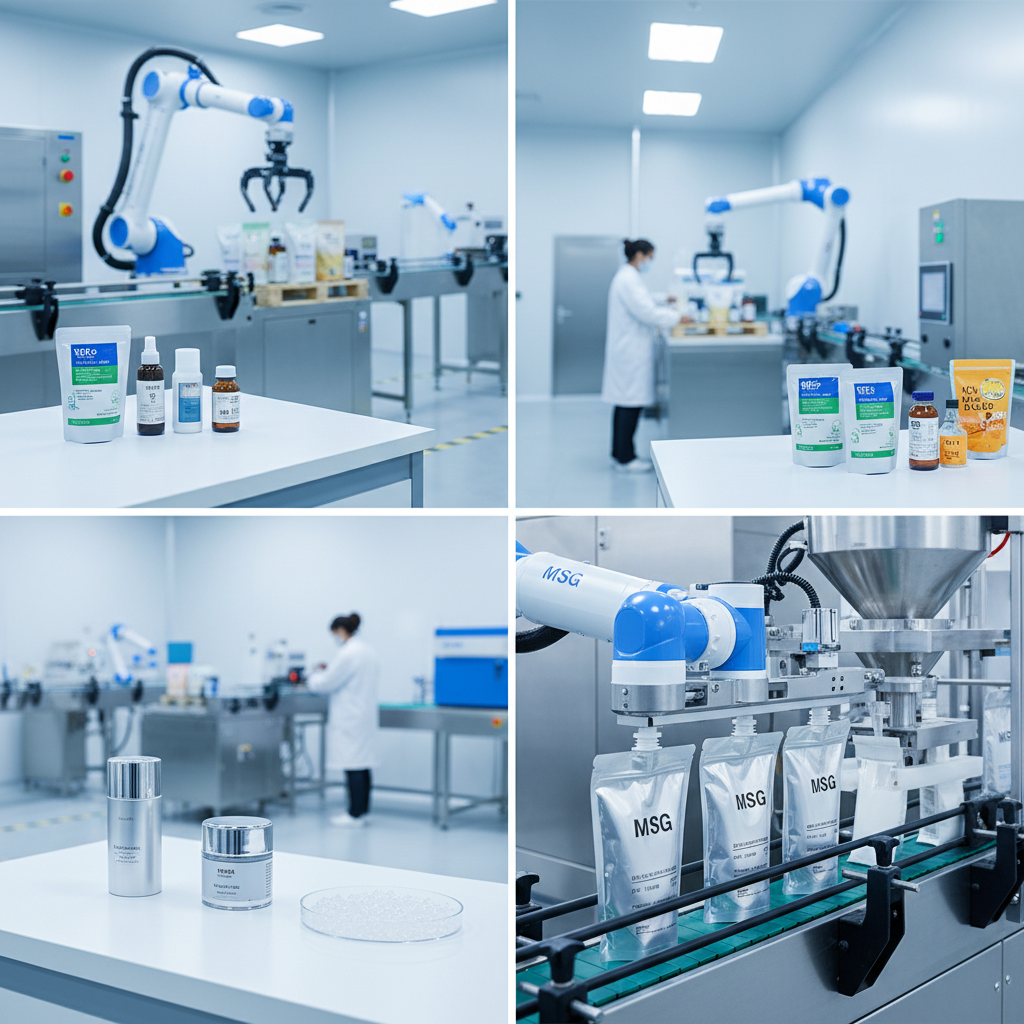
The global food supply chain relies heavily on various additives to ensure stability, safety, and nutritional value. Understanding the complexities of these substances allows manufacturers to maintain consistency in large-scale production while meeting stringent health standards. From preservatives to probiotics, these components play a pivotal role in extending shelf life and enhancing the biological value of consumables.
In the livestock and poultry sectors, the integration of specialized additives is crucial for promoting animal health and optimizing growth rates. The use of microbial agents, such as Bacillus subtilis, demonstrates how advanced biotechnological additives can regulate intestinal flora and reduce the reliance on traditional antibiotics. This shift toward biological solutions marks a significant evolution in how the industry approaches nutrition and wellness.
For professionals seeking to optimize their production lines, exploring the diverse food additives and its types is essential for achieving the perfect balance between efficacy and safety. By leveraging the right microbial concentrations and carrier agents, producers can ensure that their livestock receive maximum biological benefits.
Global Impact of Probiotic Additives
The global demand for high-quality protein has led to an unprecedented focus on the efficiency of livestock breeding. Across various continents, the challenge remains to increase yield while maintaining the highest standards of animal welfare and food safety. The introduction of biological additives has become a primary strategy for reducing disease prevalence in dense farming environments.
By implementing a rigorous approach to food additives and its types, particularly probiotic strains, the industry has seen a marked improvement in feed conversion ratios. These biological tools not only support the animal's immune system but also contribute to a more sustainable agricultural ecosystem by minimizing chemical waste.
Defining Bacillus subtilis in Modern Nutrition
Bacillus subtilis is a Gram-positive, spore-forming bacterium widely recognized for its ability to survive harsh environmental conditions. In the context of nutritional additives, it serves as a potent probiotic that helps maintain a healthy balance of microorganisms within the intestinal tract of livestock and poultry.
This specific additive is composed of live Bacillus subtilis bacteria and their metabolites, which work synergistically to improve nutrient absorption. Unlike some volatile supplements, the spore-forming nature of this bacterium ensures that the active ingredients remain viable throughout the feed processing cycle.
Integrating such biological agents into the broader category of food additives and its types allows producers to customize the biological potency of their feed. Whether utilizing 20 billion or 500 billion CFU/g, the goal is to optimize the internal microbial environment of the animal.
Core Components of High-Potency Microbials
The effectiveness of a probiotic additive depends heavily on its main ingredients and the quality of its carrier. Bacillus subtilis, combined with a professional carrier protective agent, ensures that the live bacteria are shielded from degradation before they reach the gut.
When analyzing food additives and its types, the "Living Bacteria Content" (CFU/g) is the most critical metric. Our offerings range from 20 billion to 500 billion CFU/g, providing the flexibility needed for different growth stages of livestock and poultry.
Furthermore, the physical characteristic of the product—a slightly fermented brown powder—indicates the natural biological origin of the additive. This formulation is designed for seamless integration into full-price formula feeds or drinking water systems.
Practical Application and Dosage Standards
Precision in dosing is paramount when implementing biological food additives and its types. For a standard product containing 100 billion CFU/g, the recommended dosage is 30-50g per ton of full-price formula feed, ensuring an optimal concentration of probiotics throughout the batch.
For those utilizing a synergistic approach, combining Bacillus subtilis with Bacillus licheniformis is highly effective, with a reduced dose of 15-25g of each type per ton. In drinking water applications, 10-20g per ton of water is sufficient to provide the necessary intestinal support.
Comparative Efficacy of Probiotic Concentrations
Strategic Advantages of Intestinal Regulation
The primary value of Bacillus subtilis lies in its ability to regulate the intestinal culture. By introducing a dominant colony of beneficial bacteria, it suppresses the growth of pathogenic microorganisms, thereby reducing the risk of enteric diseases in livestock.
This biological stabilization leads to improved nutrient absorption and a more robust immune response. When compared to other food additives and its types, probiotic powders offer a long-term health advantage that transcends simple growth promotion.
Future Innovations in Feed Biotechnology
The future of the feed additive industry is moving toward "precision nutrition," where additives are tailored to the specific genetic makeup and age of the livestock. We are seeing a trend where Bacillus subtilis is combined with prebiotic fibers to create synbiotic formulations that enhance survival rates.
Digital transformation in farming now allows for the real-time monitoring of gut health, meaning the application of food additives and its types can be adjusted dynamically based on the animals' biological needs.
Furthermore, the push for "Green Agriculture" is driving the development of more sustainable carrier agents that are biodegradable and non-polluting, ensuring that the benefits of probiotics do not come at an environmental cost.
Safety Protocols and Storage Requirements
To maintain the potency of live bacteria, strict storage protocols must be followed. The product should be kept in a dark, ventilated, and dry place, far removed from any toxic or harmful substances that could contaminate the biological culture.
Proper handling is equally important to ensure user safety and product integrity. Operators should avoid inhalation and skin contact; in case of exposure, immediate rinsing with clean water is required to prevent irritation.
Once the original packaging is opened, it is critical to use the product as quickly as possible or ensure that the remaining powder is hermetically sealed. This prevents moisture from compromising the CFU count of these sensitive food additives and its types.
Operational Guidelines for Bacillus subtilis Probiotics
| Application Mode |
Recommended Dosage |
Key Requirement |
Expected Outcome |
| Full Formula Feed |
30-50g / Ton |
Gradual Dilution |
Intestinal Balance |
| Combined (Licheniformis) |
15-25g each / Ton |
Synergistic Mixing |
Enhanced Flora |
| Drinking Water |
10-20g / Ton |
Water Solubility |
Rapid Absorption |
| Storage |
N/A |
Dark & Dry |
Potency Retention |
| Handling |
N/A |
Avoid Inhalation |
Operator Safety |
| Packaging |
N/A |
Hermetic Seal |
Anti-Contamination |
FAQS
While 20 billion CFU/g is suitable for maintenance, 100 billion to 500 billion CFU/g is recommended for intensive growth stages or when recovering from intestinal stress. The choice depends on the specific health goals of the breeding cycle.
Yes, it is highly effective when used alongside Bacillus licheniformis. In such cases, the dosage of each can be reduced to 15-25g per ton of feed while maintaining a synergistic effect on the animal's gut health.
Store the product in a cool, dry, and dark environment. Avoid humidity and exposure to toxic substances. Once opened, seal the package tightly to prevent air and moisture from reducing the live bacteria count.
Generally yes, but standard safety precautions are required. Avoid direct inhalation of the powder and contact with skin or mucous membranes. If contact occurs, rinse immediately with clean water.
The most effective method is gradual dilution. Start by mixing the additive into a small amount of feed before integrating it into the full ton to ensure an even distribution of the Bacillus subtilis throughout the formula.
Yes, it is suitable for water administration. The recommended dosage is 10-20g per ton of drinking water, providing a direct and efficient way to deliver probiotics to the livestock.
Conclusion
The strategic use of Bacillus subtilis as a biological additive represents a critical advancement in livestock and poultry breeding. By focusing on the regulation of intestinal culture and utilizing precise CFU concentrations, producers can enhance animal health, improve feed efficiency, and move toward a more sustainable, antibiotic-free production model. The integration of these specialized components into the broader spectrum of food additives and its types ensures a holistic approach to animal nutrition.
Looking forward, the industry must continue to prioritize the purity and stability of microbial additives through rigorous storage and handling protocols. As biotechnology evolves, the ability to customize probiotic concentrations will allow for even greater precision in animal husbandry. We encourage producers to adopt these biological solutions to secure the long-term viability and safety of the global food supply. Visit our website: www.standard-seasoning.com