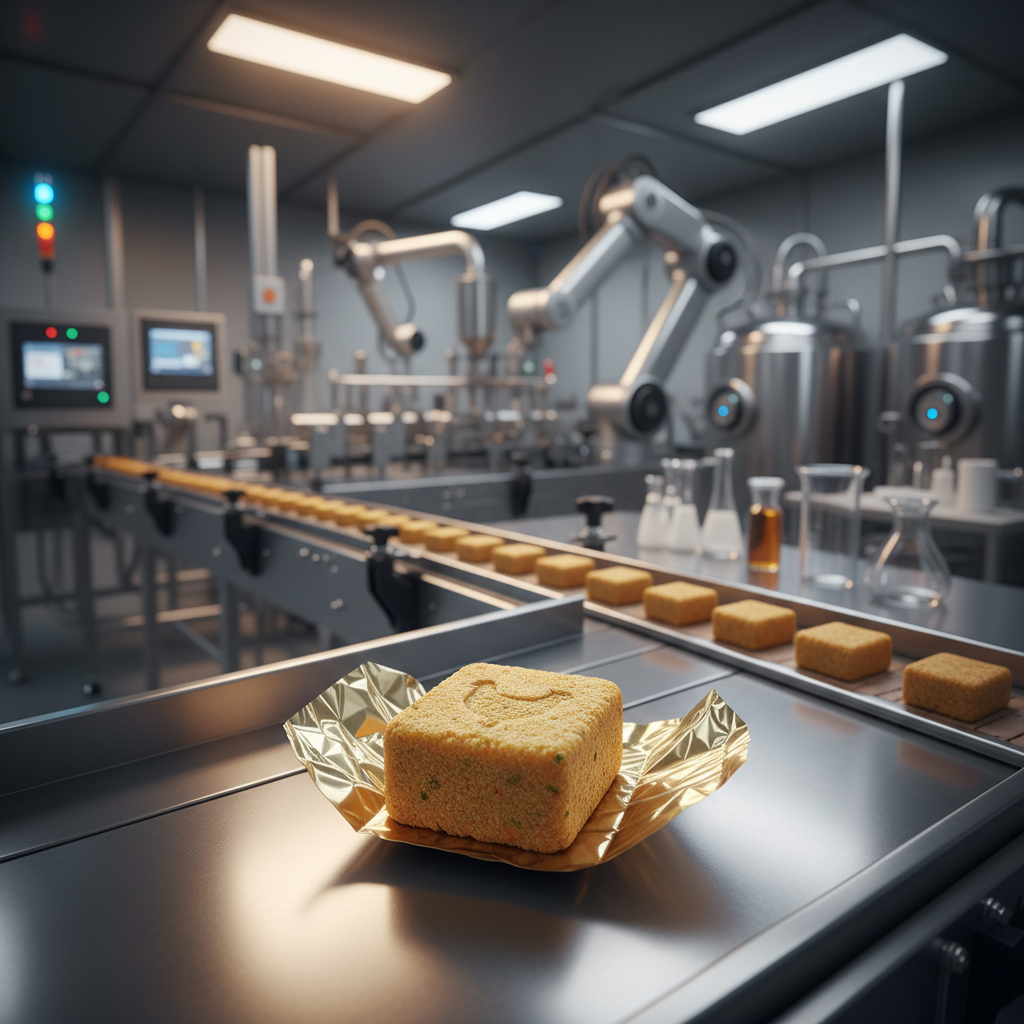
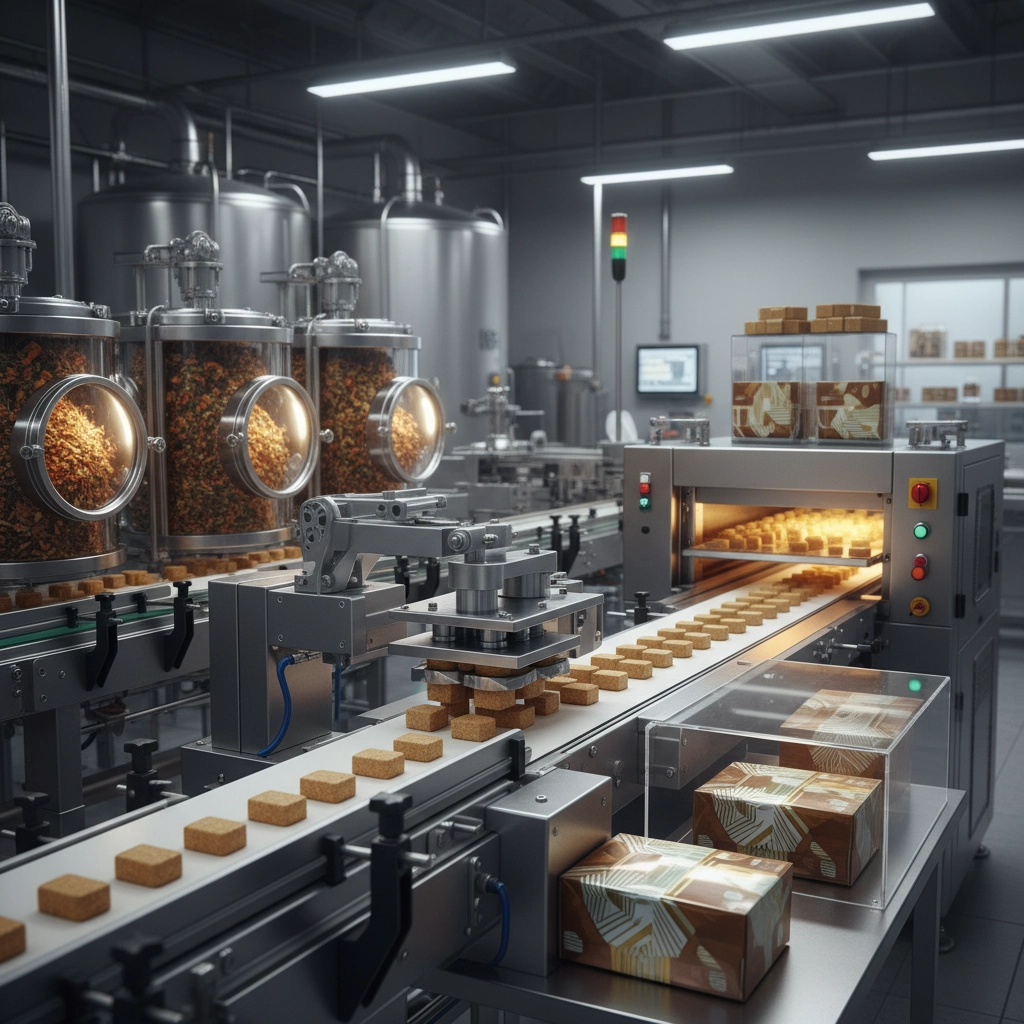
The global food landscape has undergone a massive transformation, driven by the need for consistent taste, longer shelf life, and scalable production. In this context, the role of specialized ingredients has become pivotal, ensuring that processed foods maintain their quality from the factory floor to the consumer's table. Understanding the mechanics of these ingredients is essential for manufacturers aiming to balance cost-efficiency with high-quality sensory experiences.
Modern culinary demands require solutions that can provide intense flavor profiles while remaining stable under various storage conditions. The industry has pivoted toward precision-engineered seasonings that allow for the standardization of taste across different batches and regions. This shift is not merely about convenience but about ensuring food security and accessibility by reducing spoilage and optimizing the logistical chain.
For professionals in the food manufacturing sector, integrating high-quality artificial food additives allows for the creation of versatile products, such as fish flavour bouillon cubes, which provide a convenient and delicious alternative to traditional stocks. By leveraging these advanced formulations, brands can offer gluten-free, high-impact seasoning solutions that meet rigorous international standards like HALAL, ISO, and FDA.
Global Relevance of Artificial Food Additives
In the contemporary global economy, the reliance on artificial food additives is a response to the increasing complexity of food supply chains. As populations grow and urbanization accelerates, the demand for "ready-to-use" flavor enhancers like fish flavor bouillon cubes has surged, particularly in regions such as Africa and the Middle East. These products bridge the gap between traditional slow-cooked broths and the fast-paced nature of modern urban living.
The industry adheres to strict ISO and HACCP certifications to ensure that these additives are not only effective in flavor delivery but also safe for global consumption. By standardizing the concentration of flavor enhancers and salt, manufacturers can guarantee a consistent taste profile regardless of where the product is sold, which is critical for brand loyalty in the competitive food additive market.
Defining Artificial Food Additives in Modern Industry
Artificial food additives are substances added to food to maintain or improve its safety, freshness, taste, texture, or appearance. In the context of bouillon cubes, these include flavor enhancers and stabilized fats that allow a small cube to provide the concentrated taste of a full pot of fish or vegetable stock. They are the invisible engineers of the food industry, ensuring that taste remains potent even after long-distance shipping and varied storage conditions.
From a humanitarian and industrial perspective, these additives address the challenge of nutritional and taste consistency. In areas where fresh ingredients are seasonal or expensive, seasoned cubes provide a reliable and affordable way to enhance the flavor of basic staples like rice, pasta, and grains. This makes high-quality seasoning an essential tool for food security and culinary dignity across different socio-economic strata.
Ultimately, the "artificial" nature of these additives refers to their precise laboratory formulation, which removes the unpredictability of raw natural extracts. By utilizing controlled ingredients like MSG and specific vegetable fats, manufacturers can create a product that is gluten-free and shelf-stable for up to 24 months, meeting the rigorous demands of international trade and logistics.
Core Components of High-Quality Seasoning Cubes
The effectiveness of fish flavour bouillon depends on a synergistic blend of components. The primary base consists of salt and vegetable fats (such as palm oil), which act as the carrier for the flavor. When these
artificial food additives are combined, they create a stable matrix that resists oxidation and maintains a long shelf life.
Flavor enhancers, including MSG, are critical for achieving the "umami" profile characteristic of fish and seafood. These artificial food additives trigger specific taste receptors, making the bouillon an ideal alternative to plain salt water when boiling potatoes or preparing stews. The precision of these additives ensures that the flavor is neither too overpowering nor too weak.
Packaging also plays a structural role in the product's integrity. The use of three-layer aluminum foil for individual cubes and five-layer corrugated paper for outer cartons ensures that the artificial food additives are protected from moisture and direct sunlight, preserving the product's potency for its full 24-month lifespan.
Scalability and Cost Efficiency in Production
For a manufacturer, scalability is measured by the ability to maintain quality while increasing volume. With a productivity capacity of 500 MT per month, the production of bouillon cubes leverages automated compression and packing systems. This industrial scale allows for the cost-effective application of artificial food additives, reducing the per-unit price and making the product accessible for mass-market distribution in China, Africa, and the Middle East.
Efficiency is further optimized through diverse packaging specifications, ranging from 4g to 10g cubes. Whether the market requires high-volume sachets (100pcs/bag) or retail-ready boxes (60pcs/box), the formulation remains consistent. This flexibility allows the manufacturer to pivot based on regional consumer habits without altering the core chemical composition of the additives.
Performance Efficiency of Various Additive Formulation Methods
Global Applications and Market Use Cases
In real-world applications, bouillon cubes serve as a critical culinary shortcut. In domestic kitchens across Africa and the Middle East, these cubes are used not just for soups, but as a seasoning base for stir-fries, casseroles, and sauces. The use of artificial food additives allows for the creation of a wide variety of profiles—including chicken, shrimp, beef, and tomato—ensuring that diverse cultural taste preferences are met with a single product format.
Beyond home use, these products are invaluable in institutional catering and remote industrial zones. In areas where fresh fish or livestock is unavailable, bouillon cubes provide a standardized flavor profile that maintains the dignity of the meal. Because they are gluten-free and certified by HALAL and FDA, they can be seamlessly integrated into international food relief operations or large-scale corporate cafeterias.
Long-Term Value and Reliability of Food Additives
The long-term value of utilizing professional artificial food additives lies in their reliability. For a food business, the greatest risk is batch inconsistency. By using a factory-origin product with SGS certification, distributors can be confident that every 10g cube provides the exact same salt and flavor concentration, eliminating the risk of customer dissatisfaction due to taste variance.
Sustainability is also achieved through the reduction of waste. Traditional broth production involves significant water usage and the disposal of organic scraps. In contrast, concentrated bouillon cubes represent a highly efficient form of flavor delivery. The extended shelf life of 24 months minimizes the frequency of product disposal, offering a more sustainable logistical model for global shipping via ocean, land, or air.
Furthermore, the trust built through certifications like ISO9000 and ISO22000 ensures that these additives are produced under the highest hygiene standards. This professional approach transforms a simple seasoning product into a reliable industrial tool, providing peace of mind to both the importer and the end consumer.
Future Trends in Artificial Food Additives Technology
The future of artificial food additives is moving toward "clean label" innovations. While current bouillon cubes rely on effective flavor enhancers and stabilized fats, there is a growing trend toward integrating natural-identical molecules that mimic the complexity of fresh ingredients more closely. This involves using advanced biotechnology to create flavor profiles that are indistinguishable from organic stocks while maintaining industrial stability.
Digital transformation is also impacting the supply chain. With the integration of IoT in warehousing, the storage conditions (keeping away from direct sunlight and in cool, dry places) can be monitored in real-time, ensuring that the additives do not degrade before reaching the consumer. This automation reduces the risk of spoilage and optimizes the shipping time, which currently stands at a competitive 7-15 days.
Additionally, the shift toward customized packing is allowing brands to target niche markets more effectively. Whether it is eco-friendly biodegradable foil or specific sachet counts for small-scale vendors, the marriage of chemical precision and packaging innovation is defining the next generation of food additives.
Comparison of Additive Performance across Different Product Flavors
| Flavor Variant |
Umami Intensity (1-10) |
Dissolution Rate |
Market Demand Index |
| Fish Flavour |
9 |
Fast |
High |
| Chicken Flavour |
8 |
Very Fast |
Very High |
| Beef Flavour |
10 |
Moderate |
High |
| Vegetable Flavour |
7 |
Fast |
Medium |
| Shrimp Flavour |
9 |
Fast |
Medium |
| Tomato Flavour |
6 |
Very Fast |
Medium |
FAQS
Our fish flavour bouillon cubes are formulated with a precise blend of salt, palm oil, vegetable fat, flavor enhancers, and MSG. These ingredients are carefully balanced to provide a rich, savory taste while ensuring the product remains gluten-free and stable for long-term storage.
Yes, they are specifically designed for global trade. We hold certifications including HALAL, QS, ISO9000, ISO22000, HACCP, and FDA. We provide flexible transportation options via Ocean, Land, and Air, with a production capacity of 500 MT/Month to meet large-scale international demands.
The bouillon cubes have a shelf life of 24 months. To maintain maximum quality and flavor potency, they should be stored in a cool, dry place and kept away from direct sunlight. Our triple-aluminum foil packaging is designed to support these requirements.
Absolutely. We offer multiple standard specifications, such as 10g/pc and 4g/pc, with various box and carton configurations. Additionally, customized packing is available to meet your specific brand requirements or regional market preferences.
The minimum order quantity is 1000 cartons. This ensures we can maintain the most reasonable pricing and optimize shipping logistics, particularly for our main markets in China, Africa, and the Middle East.
While fresh stock is traditional, our bouillon cubes offer a standardized, cost-effective, and convenient alternative. They provide consistent flavor intensity without the time-consuming process of simmering, making them ideal for fast-paced cooking or industrial food production.
Conclusion
The strategic use of artificial food additives in products like fish flavour bouillon cubes is essential for meeting the demands of a growing, globalized population. By combining high-quality flavor enhancers with rigorous safety certifications and efficient production scales, manufacturers can provide consistent, delicious, and affordable seasoning solutions that transcend regional boundaries. From the precise control of umami profiles to the implementation of durable, multi-layer packaging, these additives ensure that quality is never sacrificed for convenience.
Looking forward, the industry will continue to evolve through the integration of "clean label" technologies and digital supply chain management. For businesses seeking a reliable partner in food additives, focusing on certified origin factories and scalable production is the key to long-term success. We invite you to explore our full range of seasoning solutions to enhance your product line. Visit our website: www.standard-seasoning.com