In the complex landscape of modern food science, the quest for versatile ingredients that balance functionality with cost-efficiency has led to the widespread adoption of high-quality polysaccharides. Among these, Maltodextrin stands out as a critical component in the global food additive market, providing the structural integrity and stability required for diverse commercial applications. While some industry professionals may search for specific amino acids like dl methionine to enhance nutritional profiles, the physical properties of carbohydrates remain the bedrock of product texture and shelf-life.
Global food production demands ingredients that can withstand rigorous processing while maintaining a clean label and palatable taste. The strategic use of Maltodextrin allows manufacturers to control viscosity, prevent crystallization, and improve the overall sensory experience of the consumer. By understanding the relationship between the Dextrose Equivalent (DE) value and the resulting product characteristics, companies can optimize their formulations for maximum efficiency and consumer satisfaction.
Whether integrated into infant formula to improve digestibility or used in sports drinks for efficient energy supply, the role of this polysaccharide is indispensable. In an era where sustainability and nutritional precision are paramount, leveraging the correct grade of food additives ensures that products not only meet regulatory standards but also provide tangible value to the end-user across the globe.
The Chemical Nature and DE Value of Maltodextrin
Maltodextrin is a polysaccharide food ingredient produced as a low-conversion product between starch and starch sugars. Characterized as a white or slightly yellowish amorphous powder, it is prized for its lack of visible impurities and a unique, non-sweet or slightly sweet taste. The performance of this ingredient is fundamentally tied to its hydrolysis DE (Dextrose Equivalent) value, which serves as the primary indicator of its physical and chemical behavior in a formula.
A higher DE value typically correlates with increased solubility, sweetness, and fermentability, while also enhancing the browning reaction (Maillard reaction) and lowering the freezing point. Conversely, a lower DE value improves the product's viscosity, organization, and anti-crystallization properties. This versatility makes it a superior choice for manufacturers who need precise control over the physical state of their food products, far beyond the nutritional supplementation provided by components like dl methionine.
Applications in Dairy and Nutritional Powders
In the production of dairy products and specialized milk powders, Maltodextrin serves multiple critical functions. By adding this polysaccharide (typically at dosages of 5% to 20%), manufacturers can effectively expand the product volume and prevent the formation of clumps. This ensures that the powder dissolves quickly and blends seamlessly, which is a vital requirement for consumer-facing products like infant formula and sugar-free milk powders.
Beyond physical texture, the ingredient significantly improves the economic benefits of production by reducing costs while extending the shelf life of the dairy product. Its ability to enhance the nutritional ratio and make the final product easier to digest and absorb makes it a preferred choice for functional food developers seeking to balance cost with high biological value.
For nutritious snack foods such as soy milk powder, instant cereals, and malt extracts, the reference dosage increases to 10%–25%. In these applications, it provides an instant thickening effect and prevents the undesirable sedimentation and layering that can occur in protein-heavy powders, while simultaneously absorbing bean or milk flavors to create a more cohesive taste profile.
Enhancing Beverage Stability and Texture
When formulating solid beverages such as milk tea, fruit crystals, and instant tea, the integration of high-quality Maltodextrin ensures the maintenance of the original aroma and characteristics of the raw materials. By utilizing dosages between 10% and 30%, producers can achieve a mellow, delicate taste and a rich aroma, all while inhibiting the crystallization that often plagues powdered drinks.
The additive's role extends to its significant carrier effect and emulsification properties. For instance, in the production of coffee companions, a specialized DE24-29 grade is employed with dosages reaching up to 70%, ensuring that the product remains stable and soluble even in high concentrations, providing a consistent mouthfeel that is essential for commercial success.
In liquid fruit juice beverages, including coconut milk, almond milk, and lactic acid drinks, it provides a strong emulsifying ability that maintains nutritional flavor and increases viscosity. For athletes, its metabolic effect in sports drinks allows for a steady supply of heat energy with a low burden on the gastrointestinal tract, typically applied at a dosage of 5% to 15%.
Impact on Frozen Foods and Confectionery
In the realm of frozen desserts—such as ice cream and popsicles—Maltodextrin is essential for managing ice crystal growth. By incorporating dosages of 10% to 25%, manufacturers can ensure that ice particles remain swollen and delicate, resulting in a smoother viscosity and a refreshing taste. Because it has low or no cholesterol content and a mild sweetness, it enhances the purity of the flavor without overpowering the primary ingredients.
For the candy industry, this polysaccharide is used to increase toughness and prevent the common issues of sanding and withering. Recommended dosages of 10% to 30% help reduce excessive sweetness, which alleviates dental problems for the consumer and reduces the stickiness of the candy. Furthermore, it prevents deliquescence and extends the shelf life, ensuring the product remains structurally sound during transport and storage.
Comparative Performance of Polysaccharide Grades in Food Systems
Role in Baked Goods and Convenient Foods
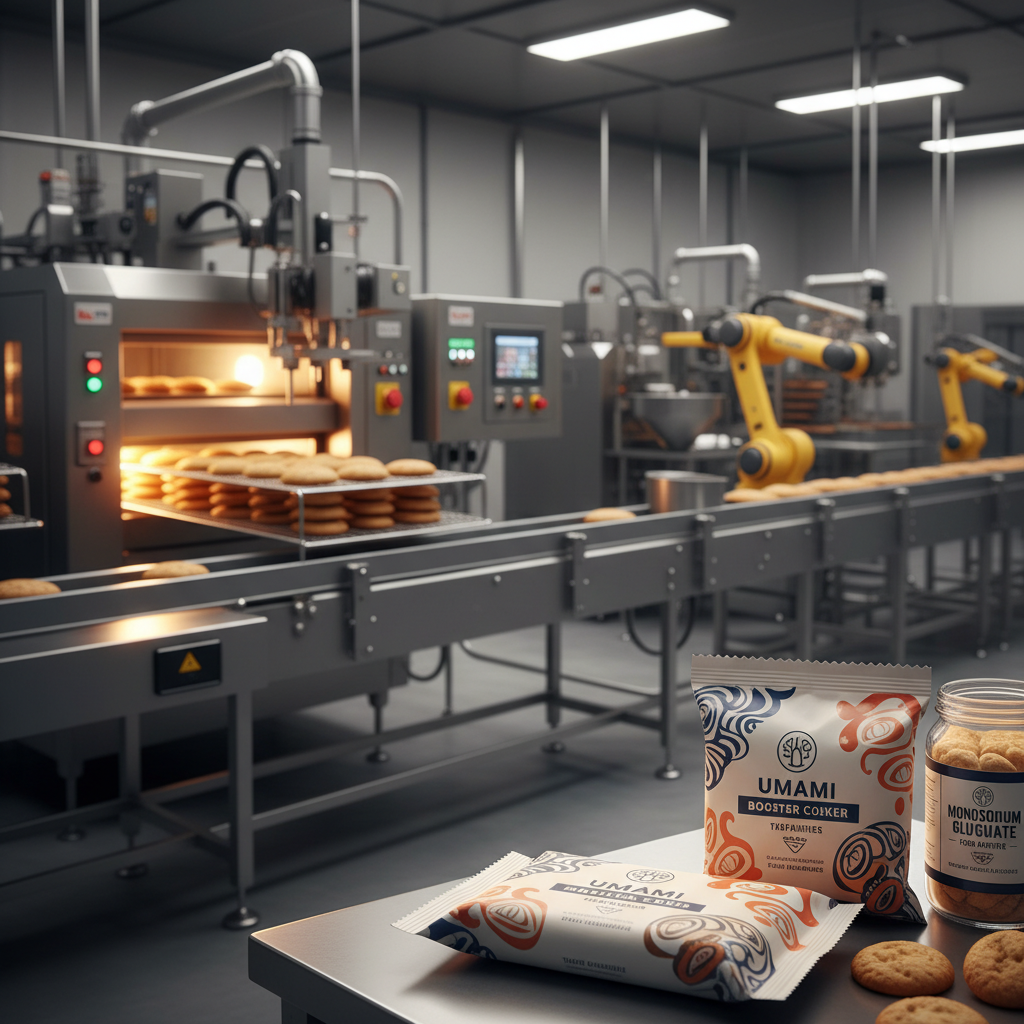
When used in cookies and other convenient baked foods, Maltodextrin ensures a full shape and a smooth surface, providing an excellent appearance effect. At a dosage of 5% to 10%, it creates a product that is crispy and delicious with moderate sweetness, ensuring that the food does not stick to the teeth or leave an unpleasant residue after consumption.
This application not only reduces the number of defective products during the baking process but also extends the overall shelf life. By stabilizing the structure of the dough and the final crumb, it allows for a more consistent industrial output, making it a staple for large-scale bakery operations.
Use in Meat Processing and Savory Foods
In the savory food sector, specifically within canned goods and soup-based foods, Maltodextrin is primarily used to increase viscosity and improve the overall structure and flavor. In solid seasonings, spices, and powdered oils, it acts as a dilution and filling agent, which prevents moisture absorption and clumping, thereby making the products easier to store and dispense.
Furthermore, it serves as a highly effective fat substitute in powdered oils, allowing manufacturers to reduce caloric content without sacrificing the creamy mouthfeel consumers expect. This makes it an essential tool for developing healthier versions of traditional savory products.
For meat products such as ham and sausages, the addition of 5% to 10% Maltodextrin leverages its strong adhesive and thickening properties. This results in a more delicate texture and a richer flavor profile, while also making the products easier to package and shape, which significantly improves the efficiency of the production line.
Industrial Specifications and Quality Standards
Maintaining strict quality control is paramount for any food additive. The specifications for a high-grade Maltodextrin include a DE value of 15-20, with moisture levels capped at 6% and a PH range between 4.6 and 6.5. High solubility (minimum 98%) is critical to ensure the product integrates quickly into various liquid and powder bases.
Safety parameters are equally rigorous, with ash content restricted to 0.5% maximum and Arsenic (As) limited to 0.5mg/kg. Microbiological purity is maintained with a total bacteria count of 3000/g maximum and coliforms limited to 30/100g, ensuring that the ingredient is safe for global distribution and consumption.
These standards ensure that whether the product is used in textiles, daily chemicals, pharmaceuticals, or food, the consistency remains absolute. While specific nutritional additives like dl methionine focus on biological synthesis, these specifications focus on the physical and chemical purity required for industrial stability.
Technical Specifications of Industrial Grade Maltodextrin
| Parameter |
Specification Limit |
Testing Method |
Quality Impact |
| DE Value |
15-20 |
Hydrolysis Analysis |
Solubility & Sweetness |
| Moisture |
6% Max |
Oven Drying |
Shelf Life & Clumping |
| PH Level |
4.6-6.5 |
Potentiometric |
Chemical Stability |
| Solubility |
98% Min |
Dissolution Test |
Mixing Efficiency |
| Total Bacteria |
3000/g Max |
Plate Count |
Food Safety |
| Arsenic (As) |
0.5mg/kg Max |
ICP-MS |
Toxicity Control |
FAQS
The DE (Dextrose Equivalent) value directly indicates the degree of hydrolysis. A higher DE value means the starch has been broken down into smaller sugar chains, which increases the product's solubility and perceived sweetness. For applications requiring minimal sweetness but high viscosity, a lower DE value (like 15-20) is preferred.
Yes, it is frequently used as a substitute for fats in powdered oils and savory seasonings. Due to its ability to provide a smooth mouthfeel and increase viscosity, it mimics the sensory experience of fats while reducing the overall caloric density of the product.
For dairy products and functional milk powders, the recommended dosage is typically between 5% and 20%. This range is optimal for preventing clumping, increasing volume, and improving the digestibility of the product without altering the primary nutritional profile.
Maltodextrin interferes with the formation of large sugar crystals by acting as a physical barrier and modifier. This ensures that products like fruit crystals and instant teas maintain a smooth, powdery texture and do not harden or "sand" over time.
Absolutely. In sports drinks, it is used at dosages of 5% to 15% to provide a steady supply of heat energy. Its advantage lies in its low burden on the gastrointestinal tract, making it easier for athletes to absorb energy during intense physical activity.
Industrial-grade standards include a maximum moisture of 6%, PH between 4.6-6.5, and strict limits on heavy metals (As < 0.5mg/kg) and microbial counts (Total Bacteria < 3000/g). These ensure the product is safe for use across food, pharmaceutical, and chemical industries.
Conclusion
Maltodextrin serves as a cornerstone of modern food additive technology, offering unparalleled versatility across the dairy, beverage, confectionery, and meat industries. From controlling the delicate ice crystals in frozen desserts to ensuring the rapid dissolution of nutritional powders and the structural integrity of baked goods, its impact on product quality and economic efficiency is profound. By strictly adhering to specifications like the DE value and microbial purity, manufacturers can guarantee a consistent, safe, and high-performing product that meets the rigorous demands of the global market.
Looking forward, the continued optimization of polysaccharide applications will play a vital role in the development of healthier, low-fat, and more stable food products. As the industry evolves toward cleaner labels and enhanced nutritional precision, the strategic use of ingredients like Maltodextrin, alongside targeted amino acids like dl methionine, will empower producers to innovate without compromising on taste or safety. For high-quality additive solutions and technical support, we invite you to visit our website: www.chinaseasoning.com.