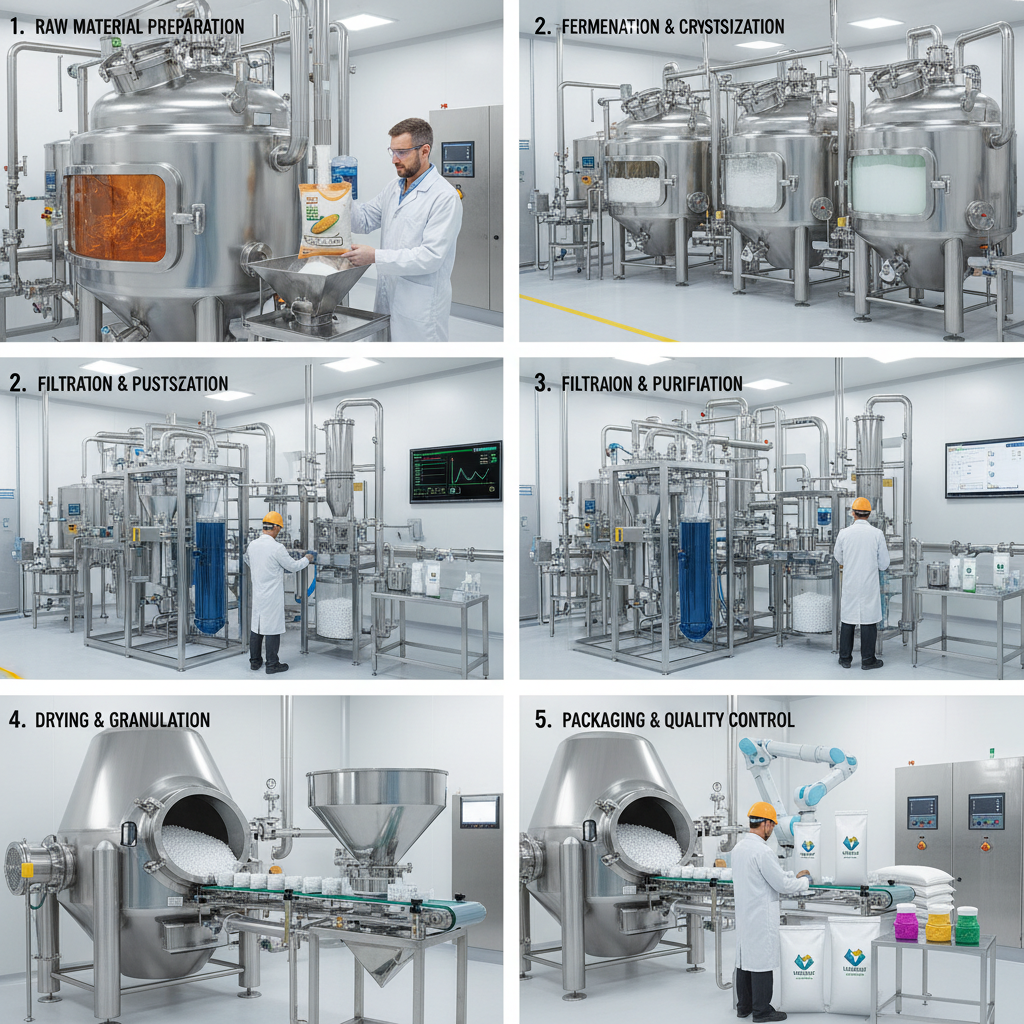
The stability and safety of livestock nutrition rely heavily on the strategic use of animal feed preservatives to prevent spoilage and maintain nutrient density. In an era of globalized supply chains, ensuring that feed remains free from molds, fungi, and oxidative rancidity is critical for both animal health and farmer profitability.
The industrial application of these additives has evolved from simple salt-based methods to sophisticated chemical and organic solutions that target specific microbial threats. By inhibiting the growth of pathogens and slowing down the degradation of fats and vitamins, these agents extend the shelf life of feed products significantly.
Understanding the science behind animal feed preservatives is essential for manufacturers aiming to meet international safety standards while optimizing the nutritional value of their livestock diets.
Global Impact of Feed Preservation
The global livestock industry faces immense pressure to increase protein production while reducing waste. According to data from international agricultural organizations, a significant percentage of feed is lost annually due to fungal contamination and oxidation, which not only ruins the feed but can introduce dangerous mycotoxins into the food chain.
Implementing robust preservation strategies is no longer optional but a necessity for food security. By stabilizing feed, producers can transport materials across continents without compromising quality, ensuring that livestock in remote regions receive consistent nutrition regardless of local humidity or temperature fluctuations.
Defining Animal Feed Preservatives
Animal feed preservatives are specialized substances added to livestock feed to prevent the growth of microorganisms, inhibit oxidative reactions, and maintain the physical and chemical stability of the nutrients. These range from organic acids and antioxidants to synthetic agents designed to kill or inhibit bacteria, yeast, and molds.
In the context of modern industry, these preservatives serve as a critical bridge between the harvest of raw grains and the actual consumption by animals. Without these agents, the high fat and protein content found in premium feed would rapidly deteriorate, leading to nutrient deficiency and potential toxicity in animals.
From a humanitarian perspective, efficient preservation reduces the reliance on over-farming by maximizing the utility of existing harvests. This synergy between chemistry and agriculture ensures that the global supply of meat, dairy, and eggs remains stable and safe for human consumption.
Core Components of Preservation Science
The effectiveness of animal feed preservatives depends on several chemical factors, primarily the ability to lower pH levels or disrupt cell membranes of spoilage organisms. Organic acids, such as propionic or formic acid, are widely used for their ability to permeate microbial cells and acidify the internal environment.
Another core component is antioxidant capacity. Many animal feed preservatives are designed to scavenge free radicals, preventing the oxidation of unsaturated fats. This prevents the development of "off-flavors" and ensures that fat-soluble vitamins, like A and E, remain bioavailable for the animal.
Scalability and compatibility are also vital. The preservative must be evenly distributed throughout the feed mix and must not react negatively with other additives or minerals. This ensures a consistent protective barrier throughout the entire batch of feed, regardless of the volume produced.
Practical Application Metrics
Measuring the success of a preservation strategy requires analyzing several key performance indicators. Efficiency is typically measured by the reduction in mold count and the stability of the peroxide value over a six-month storage period.
Producers often compare different methods of stabilization to determine which provides the best balance between cost and efficacy. Factors such as moisture resistance and heat stability during pelleting are critical for industrial-scale operations.
Effectiveness Analysis of Feed Stabilization Methods
Global Use Cases and Regional Adoption
In high-humidity regions like Southeast Asia, the application of mold inhibitors is paramount. Local producers often utilize high-concentration organic acid blends to prevent the rapid onset of Aspergillus and Penicillium species in corn-based feeds, which can otherwise devastate poultry flocks.
Conversely, in the European market, there is a significant shift toward "clean-label" preservatives. This involves replacing synthetic BHA/BHT antioxidants with natural alternatives like tocopherols or rosemary extracts to meet stringent consumer demands for organic and additive-free livestock products.
Long-Term Economic and Safety Value
The long-term value of investing in high-quality animal feed preservatives extends far beyond the immediate prevention of spoilage. By reducing feed waste, farms can significantly lower their operational costs and decrease the environmental footprint associated with producing wasted biomass.
Furthermore, the safety implications are profound. Preservatives act as a primary line of defense against mycotoxins, which can cause chronic health issues in livestock and potentially transfer to human consumers via meat or milk. This ensures a higher standard of food safety and public health.
From a logical business perspective, the reliability provided by these additives allows for better inventory management. Companies can buy raw materials during price dips and store them safely, hedging against market volatility without risking the loss of their stock to decay.
Future Trends in Feed Stabilization
The future of feed preservation is moving toward "smart" additives. Researchers are developing encapsulated preservatives that release their active ingredients only when specific triggers, such as a rise in moisture or a change in pH, are detected. This precision delivery reduces the amount of chemical additive needed.
Sustainability is also driving innovation, with a growing interest in bio-preservatives derived from fermentation processes. These nature-identical compounds offer the same efficacy as synthetic options but align with the global transition toward green chemistry and circular agricultural economies.
Digital transformation is also playing a role, as IoT sensors in silos now work in tandem with preservative levels to provide real-time alerts on feed stability, allowing for dynamic adjustments to the preservative dosage based on environmental conditions.
Analysis of Modern Stabilization Technologies in Feed
| Preservative Type |
Primary Target |
Efficacy Score (1-10) |
Market Trend |
| Organic Acids |
Molds/Bacteria |
9 |
Stable Growth |
| Synthetic Antioxidants |
Lipid Oxidation |
8 |
Declining |
| Natural Tocopherols |
Lipid Oxidation |
7 |
Rapid Increase |
| Enzymatic Agents |
Structural Decay |
6 |
Emerging |
| Probiotic Blends |
Pathogenic Bacteria |
7 |
Growing |
| Encapsulated Acids |
Targeted Spoilage |
10 |
High Potential |
FAQS
The most common types include organic acids (like propionic and acetic acid) for mold inhibition, and antioxidants (like BHA, BHT, or natural Vitamin E) to prevent the oxidation of fats. Some producers also use a combination of both to ensure comprehensive stability against both microbial growth and chemical degradation.
When used at recommended levels, preservatives actually protect the nutritional value. They prevent the loss of essential vitamins and proteins that would otherwise be consumed by molds or destroyed by oxidation. In fact, feed without preservatives often has lower nutritional density over time due to spoilage.
Yes, there is a strong trend toward natural alternatives. Rosemary extract, mixed tocopherols (Vitamin E), and citric acid are widely used as natural antioxidants. Additionally, certain fermented plant extracts are being used as bio-preservatives to replace synthetic acids.
The choice depends on the feed composition, expected storage duration, and environmental conditions. High-fat feeds require stronger antioxidants, while high-moisture grains need potent mold inhibitors. Consulting with a nutrition specialist to analyze the "water activity" of the feed is the best first step.
Yes, excessive amounts of certain preservatives can affect the palatability of the feed or potentially disturb the gut microbiota of the animal. It is critical to follow precise dosage guidelines provided by the manufacturer to ensure safety and efficacy.
Importing requires adherence to the destination country's regulatory standards (such as FDA or EFSA). Ensure your supplier provides full SGS certification, COA (Certificate of Analysis), and proper HS codes to facilitate smooth customs clearance and quality assurance.
Conclusion
The integration of effective animal feed preservatives is a cornerstone of modern agricultural efficiency, safeguarding the nutritional integrity of livestock diets while preventing the dangerous proliferation of molds and toxins. By balancing the use of organic acids and antioxidants, the industry can significantly reduce waste and ensure a safer, more reliable food supply chain for the global population.
Looking forward, the transition toward bio-based and encapsulated technologies will further optimize the synergy between feed safety and environmental sustainability. We encourage producers and distributors to adopt these innovative stabilization methods to enhance productivity and animal welfare. Visit our website for more professional solutions: www.chinaseasoning.com