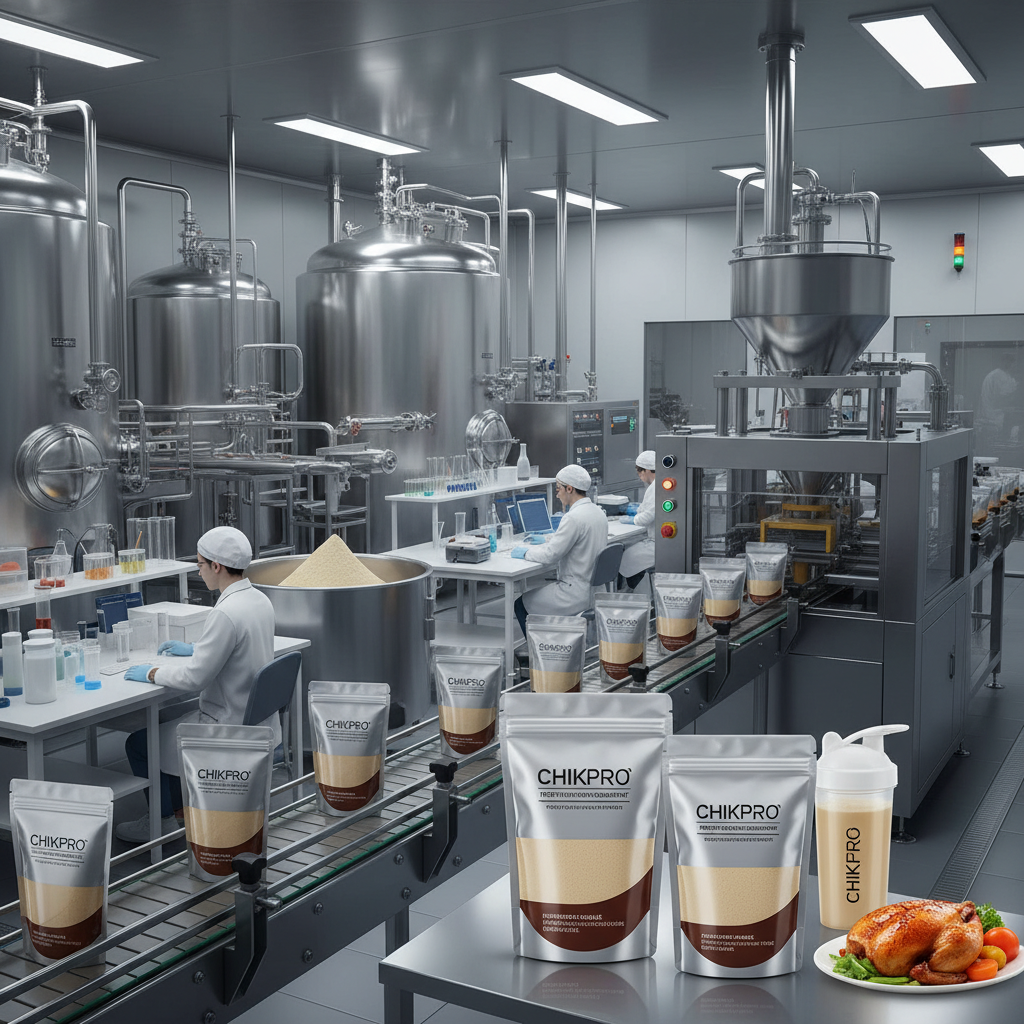
In the modern food processing landscape, achieving the perfect texture and visual appeal is a science that blends culinary art with technical precision. Many professionals and consumers seek to explain food additives to understand how ingredients like specialized bread crumbs enhance the sensory experience of fried foods. By utilizing high-temperature extrusion and puffing processes, manufacturers can create products that provide a consistent, golden-brown finish.
The global demand for convenient, high-quality frozen and fried foods has pushed the industry toward more sophisticated coating solutions. Understanding the role of premium flour and natural pigments helps in distinguishing between chemical alterations and functional food enhancements. This evolution ensures that food remains appetizing and safe, particularly for sensitive consumers and children, by utilizing food-grade stainless steel equipment during production.
Whether you are operating a fast food chain, a professional baking room, or a frozen food processing plant, the ability to explain food additives and functional ingredients is key to improving food yield and appetite appeal. From the adsorption strength of the crumb to its resistance to shrinkage, every parameter is designed to optimize the final culinary outcome.
The Technical Composition of Premium Bread Crumbs
Premium bread crumbs are formulated using specialized high-grade flour to ensure a crisp and fragrant result. Depending on the desired aesthetic, these products are available in various colors, most commonly white and yellow. To explain food additives in this context, it is important to note that the yellow hue is achieved not through artificial chemicals, but through the addition of natural plant pigments such as turmeric.
The physical structure of the crumb—whether it is needle-shaped, sheet-like, or resembling a snowflake—is engineered to provide specific textures. This technical composition ensures that the coating adheres strongly to the food, preventing the crumb from falling off during the frying process, which is a common challenge in commercial food production.
Production Standards for Food Safety and Quality
The manufacturing process for high-quality bread crumbs relies on a high-temperature extrusion and puffing process. This method not only creates the necessary light and airy texture but also ensures that the product is stable and ready for various frying applications. By controlling the temperature and pressure, manufacturers can achieve a consistent puffing level that optimizes oil absorption and crunchiness.
Safety is paramount in the food additives industry, which is why all production equipment is constructed from food-grade stainless steel. This eliminates the risk of contamination from lead or aluminum residues, making the final product safer for all age groups, including children. Such rigorous standards align with global food safety protocols to ensure that no harmful metallic elements enter the supply chain.
Quality control extends to the raw materials, where only premium special flour is selected. This commitment to purity ensures that the bread crumbs maintain their structural integrity when exposed to heat, resulting in a golden color that naturally enhances the appetite of the consumer without the need for synthetic enhancers.
Functional Benefits of Specialized Coating Shapes
The geometry of a bread crumb significantly affects the final mouthfeel of a dish. When we explain food additives and ingredients, we look at how needle, sheet, and snowflake shapes create different surface areas. A larger surface area typically leads to a more pronounced "crunch" and a more dramatic three-dimensional appearance.
One of the most critical functional advantages is the strong adsorption capability. Because these crumbs are designed to stick firmly to the protein or vegetable base, they do not fall off easily during handling or transport. This stability is essential for frozen food processing plants that require a uniform coating that survives the freezing and thawing cycle.
Furthermore, the lack of shrinkage ensures that the food maintains its original size and shape after cooking. By avoiding the contraction often seen with lower-quality fillers, the final product looks more voluminous and professional. This allows chefs and manufacturers to explain food additives as tools for increasing the perceived value and visual beauty of the meal.
Enhancing Food Yield and Visual Appeal
From a commercial perspective, the use of puffed bread crumbs directly impacts the food yield. Because the extrusion process increases the volume of the crumb, a smaller amount of raw material can cover a larger area of food. This efficiency reduces waste and lowers the overall cost per serving while providing a more satisfying portion size for the customer.
The aesthetic transition to a golden-yellow color during frying is a key psychological trigger for appetite. By using natural turmeric in yellow variants, the product achieves a vibrant, attractive look that suggests freshness and quality. This multi-layered delicious enjoyment in the mouth, combined with the visual appeal, elevates the overall dining experience.
Performance Rating of Bread Crumb Types
Versatile Applications Across the Food Service Industry
The versatility of these premium bread crumbs makes them indispensable across various culinary environments. In hotel and restaurant kitchens, they are used to create high-end plated appetizers that require a precise, three-dimensional golden appearance. Fast food chains rely on the consistency of the puffing process to ensure that every piece of fried chicken or fish is identical in texture and color, which is critical for brand standardization.
Beyond professional kitchens, frozen food processing plants utilize these crumbs to extend the quality of pre-packaged meals. Because the crumbs are designed to be low-moisture and high-adsorption, they maintain their crispness even after the end consumer reheats the food in an oven or air fryer. This makes them an ideal choice for a wide range of products, from breaded shrimp to vegetable nuggets.
Shelf Life Optimization and Natural Preservation
One of the standout features of this product is the long shelf life of 24 months. This is achieved through a combination of low moisture content and a rigorous production process, rather than the use of chemical preservatives. This approach allows manufacturers to explain food additives as a move toward "clean label" ingredients that consumers trust.
The absence of chemical pigments and preservatives means that the product is safer for long-term storage and transport across global markets. By relying on the inherent properties of the puffed flour and natural plant extracts, the product remains stable without compromising the taste or the fragrance of the final fried dish.
For large-scale distributors, the flexibility in packing options—ranging from 200g retail packs to 10kg industrial bags—ensures that the product remains fresh regardless of the volume used. This packaging strategy, combined with the product's natural stability, significantly reduces food waste in the supply chain.
Comparison of Bread Crumb Specifications
When selecting the right coating for a product, it is essential to compare the technical specifications of different bread crumb types. The choice between white and yellow, or needle and snowflake shapes, depends entirely on the target consumer and the desired sensory experience. For instance, a needle shape provides a more aggressive crunch, whereas a snowflake shape offers a softer, more uniform texture.
The adsorption strength and shrinkage rate are the two most critical metrics for industrial users. A product that exhibits zero shrinkage ensures that the food's volume remains consistent, which is vital for calculating precise portion costs and maintaining the aesthetic standards of a menu.
Ultimately, the goal is to balance the visual "golden" effect with the nutritional profile. By avoiding synthetic chemicals and focusing on premium flour and turmeric, the product meets the modern demand for healthier, more natural food components.
Technical Analysis of Bread Crumb Variants
| Crumb Variant |
Primary Shape |
Coloring Agent |
Best Use Case |
| White Needle |
Needle |
None (Natural) |
High-crunch seafood |
| Yellow Needle |
Needle |
Turmeric |
Fast food chicken |
| White Sheet |
Sheet |
None (Natural) |
Uniform vegetable patties |
| Yellow Sheet |
Sheet |
Turmeric |
Golden fish fillets |
| White Snowflake |
Snowflake |
None (Natural) |
Premium appetizers |
| Yellow Snowflake |
Snowflake |
Turmeric |
Gourmet frozen snacks |
FAQS
Yes, our bread crumbs are produced using food-grade stainless steel equipment, which ensures they are lead-free and free from aluminum residue. Additionally, we use no chemical pigments or preservatives, making them a safe choice for children's meals.
The yellow color is obtained by adding natural plant pigments, specifically turmeric. This provides a vibrant, golden-yellow appearance that is both visually appealing and health-conscious, avoiding the need for synthetic chemical colors.
Strong adsorption ensures that the crumbs adhere firmly to the food surface. This prevents the coating from falling off during the frying process or during transportation, ensuring a consistent look and texture for the end consumer.
Our bread crumbs have a shelf life of 24 months. This is achieved through a low-moisture production process and the absence of chemical preservatives, allowing for long-term storage without loss of quality.
Absolutely. While they are designed for high-efficiency use in hotels, restaurants, and frozen food plants, they are also available in smaller retail packaging (like 200g packs) for home use, providing professional results in any kitchen.
No, our specialized production process ensures that the crumbs exhibit no shrinkage. This maintains the three-dimensional appearance of the food and helps increase the overall food yield, providing better value.
Conclusion
In summary, the application of premium puffed bread crumbs represents a sophisticated intersection of food science and commercial utility. By focusing on high-temperature extrusion, food-grade stainless steel production, and natural pigments like turmeric, manufacturers can provide a product that enhances visual appeal, improves food yield, and ensures maximum safety. Whether it is through the strong adsorption of needle-shaped crumbs or the long-term stability of a 24-month shelf life, these functional ingredients are essential for achieving a consistent, golden, and crispy result in any culinary setting.
Looking forward, the trend in the food industry is moving toward cleaner labels and the elimination of synthetic additives. Embracing these natural, high-performance coating solutions allows food service operators to meet consumer demands for transparency and quality. We suggest exploring various crumb shapes and colors to find the perfect match for your specific product line, ensuring a multi-layered delicious experience for every customer. Visit our website: www.standard-seasoning.com